
1.4313 (X3CrNiMo13-4 / F6NM) | Forged & Certified
W.nr. 1.4313 (UNS S41500) is soft martensitic 13/4 steel for water turbines, pumps and compressors, supplied forged in QT700 to QT900 with certificate.
About this grade
What is 1.4313?
1.4313 is a soft martensitic stainless steel with 12 to 14% chromium, 3.5 to 4.5% nickel and a small addition of molybdenum. In the EN standard 1.4313 is called X3CrNiMo13-4; the forged ASTM counterpart is F6NM according to ASTM A182, with UNS number S41500. Metal Service Europe supplies this grade as a forging, from bar and rings to flanges and complete parts to drawing.
After quenching and tempering, the steel combines high strength with good toughness. It is also air-hardening: even thick sections harden when cooled in air, with little risk of cracking during heat treatment. This makes 1.4313 suitable for large, heavily loaded parts in hydropower turbines, pumps, compressors and valves. Producers also mention applications in oil and petrochemicals and in pressure vessels according to EN 10272.
The steel is supplied quenched and tempered, in classes according to EN 10088-3 such as QT700 and QT900. You choose the class based on the required strength and the environment in which the part operates. For sour gas applications, additional requirements apply to hardness and heat treatment. If you need cast parts as well as forgings, CA6NM is the cast counterpart with the same 13/4 composition.
Applications
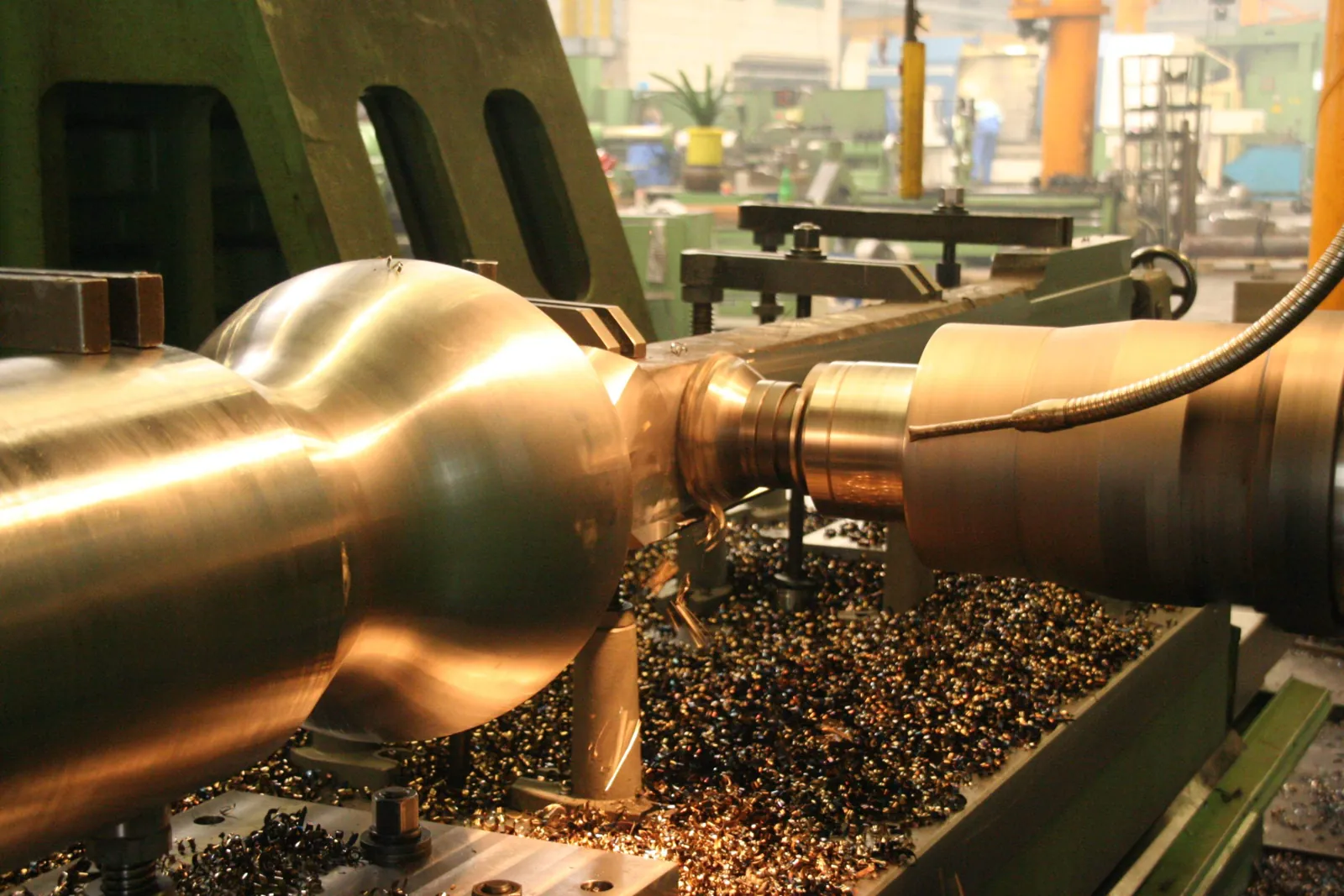
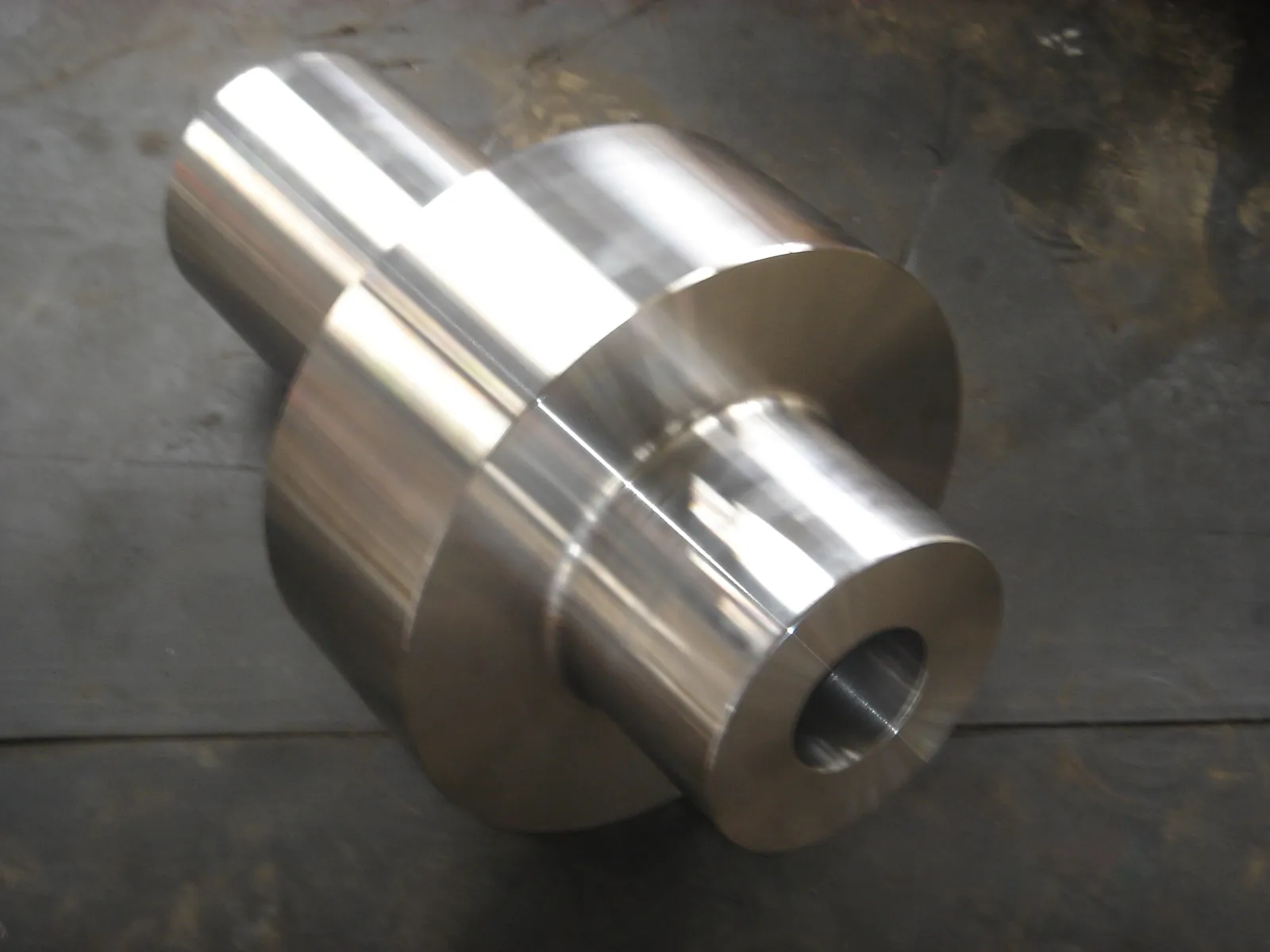
Applications of 1.4313
Valve bodies, seats and gates
Components for oil and petrochemicals
Compressor parts
Pressure vessel parts
Flanges
Parts for hydropower turbines
Pump parts
Composition and properties
Composition and properties of 1.4313 / X3CrNiMo13-4
Chemical composition
Mechanical properties after quenching and tempering (+QT)
Minimum values according to EN 10088-3 (elongation up to 160 mm in longitudinal direction, from 160 to 250 mm in transverse direction) and ASTM A276 condition T for all sizes; source: steel producers' datasheets. For cross-sections above 250 mm we agree the values with you.
Heat treatment and processing
Forge between 1150 and 900 °C, after slowly heating to about 850 °C; avoid the range around 825 °C
Harden at 950 – 1050 °C in air, oil or polymer
QT700: double temper, first at 650 – 700 °C and then at 600 – 620 °C
QT900: temper at 520 – 580 °C
Soft annealed (+A) at 600 – 650 °C: maximum 320 HB
Machining comparable to structural steel of equal hardness; not suitable for cold forming
Our Approach
From Inquiry to Delivery
Inquiry & Specification
You state the QT class, the leading standard (EN or ASTM) and any NACE requirement. We assess whether the requested combination of strength and hardness is achievable.
Forging and double tempering
The forging route and the double tempering of 13/4 steel require experience. We record both steps in advance and monitor the heat treatment.
Quality Control & Delivery
Hardness measurement, ultrasonic testing and, if desired, impact tests at low temperature confirm the quality. Delivery then follows rough, pre-turned or fully machined.
Quality
Certification and Quality Assurance
Every forging in 1.4313 is tested separately and remains fully traceable. For sour gas applications, the measured hardness and both tempering temperatures are stated on the certificate, as substantiation of the material requirements of NACE MR0175 / ISO 15156. If independent inspection is required, acceptance by, for example, TÜV or DNV is possible. How we record and monitor inspections you can read under quality assurance.
Available
1.4313 available as
For turbine, pump and valve construction we supply 1.4313 in these forms:
Frequently Asked Questions
Frequently asked questions about 1.4313
Is 1.4313 the same as F6NM?
Almost. 1.4313 and F6NM are the same 13/4 alloy, but the standards apply different limits. EN 10088-3 allows a maximum of 4.5% nickel and 0.3 to 0.7% molybdenum, ASTM A182 F6NM up to 5.5% nickel and 0.5 to 1.0% molybdenum. A melt can meet both, but this is not a given. State therefore which standard leads for your order.
Which QT class of 1.4313 should I choose?
The choice between QT700, QT780 and QT900 follows from the required strength and the environment of the part. QT700, formerly QT650, gives a minimum of 520 MPa yield strength and is double tempered, which is close to the NACE requirements; it is therefore the starting point for a sour gas requirement. QT780 reaches at least 620 MPa, QT900 at least 800 MPa for parts where strength comes first. Quenching and tempering is part of our delivery.
What is the NACE hardness requirement for 1.4313?
For 13Cr-4Ni steel, NACE MR0175 / ISO 15156-3 sets a maximum hardness of 23 HRC, with a prescribed double tempering treatment. The first step lies between 648 and 691 °C, the second between 593 and 621 °C. Staying below 23 HRC is difficult: austenite that forms during tempering can turn into hard martensite again on cooling. Hardness measurement at several positions therefore gives more certainty; we record the measuring points in advance.
Is 1.4313 weldable?
1.4313 is weldable with the usual arc welding processes, provided you follow the correct welding procedure. Preheating to about 150 °C is needed, and after welding the part must be tempered, preferably directly from the welding heat. Temper colours and oxide skin must be removed. For critical parts we advise a qualified welding procedure.
What is the cast counterpart of 1.4313?
The cast counterpart of 1.4313 is CA6NM according to ASTM A743 and A487, in European terms 1.4317. It has the same 13/4 chromium-nickel composition, but as a casting grade. This way you can combine forged and cast parts in the same material group. Whether your cast part can be made in CA6NM, we are happy to discuss; also read more about our centrifugal casting.
Is 1.4313 suitable for seawater?
Limited. With a PREN of 13.4 to 16.6, 1.4313 is well resistant to moderately corrosive media without chlorides, but in seawater there is a risk of pitting corrosion. A polished surface clearly improves resistance. For parts that are permanently in seawater, a duplex or super duplex steel is usually the better choice, such as duplex 1.4462.
Why is 1.4313 used in water turbines and pumps?
The combination of strength, toughness and air-hardening behaviour makes 1.4313 suitable for large turbine and pump parts. Compared with 410 or 420 Mod, the notch toughness at sub-zero temperatures is better. The steel is also ferromagnetic and polishable, so magnetic testing is possible and the surface can be finely finished.
Up to what temperature can 1.4313 be used?
According to the producer, 1.4313 can be used from −60 to 300 °C. At higher temperature the yield strength decreases gradually: in class QT780, EN 10088-3 still guarantees 590 MPa at 100 °C and 530 MPa at 300 °C. For QT900 this is 720 and 620 MPa. When designing parts for hot water or steam, take these lower values into account.
Which inspections and certificates are possible for 1.4313?
Every forging in 1.4313 is usually accompanied by an EN 10204 3.1 certificate; on request this becomes 3.2, with Bureau Veritas, RINA or another body as inspector. Besides tensile testing and hardness measurement, impact tests at low temperature, ultrasonic testing, magnetic testing and PMI are possible. Which tests must appear on the certificate, we agree with you before production.
What is the delivery time for forgings in 1.4313?
For forgings in 1.4313, the delivery time depends mainly on weight, dimensions and degree of machining. Pre-turned work can in certain cases be shipped after 6 working weeks; for fully machined pieces, 8 to 10 working weeks is usual. A double tempering treatment or extensive inspection for a NACE requirement may take extra time. The quotation always states the term that fits your drawing.
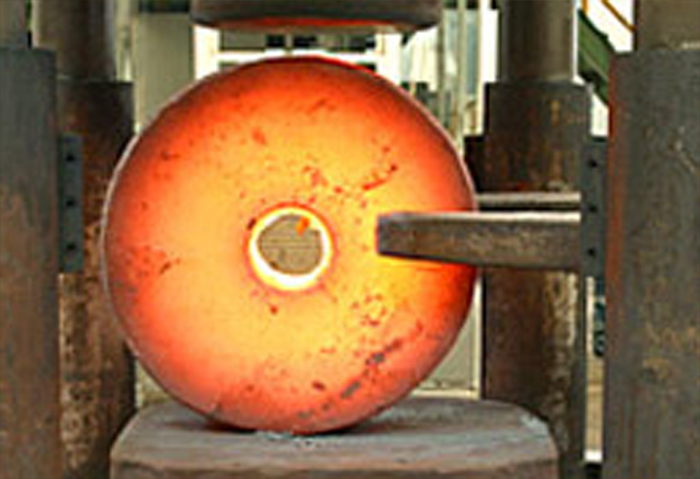
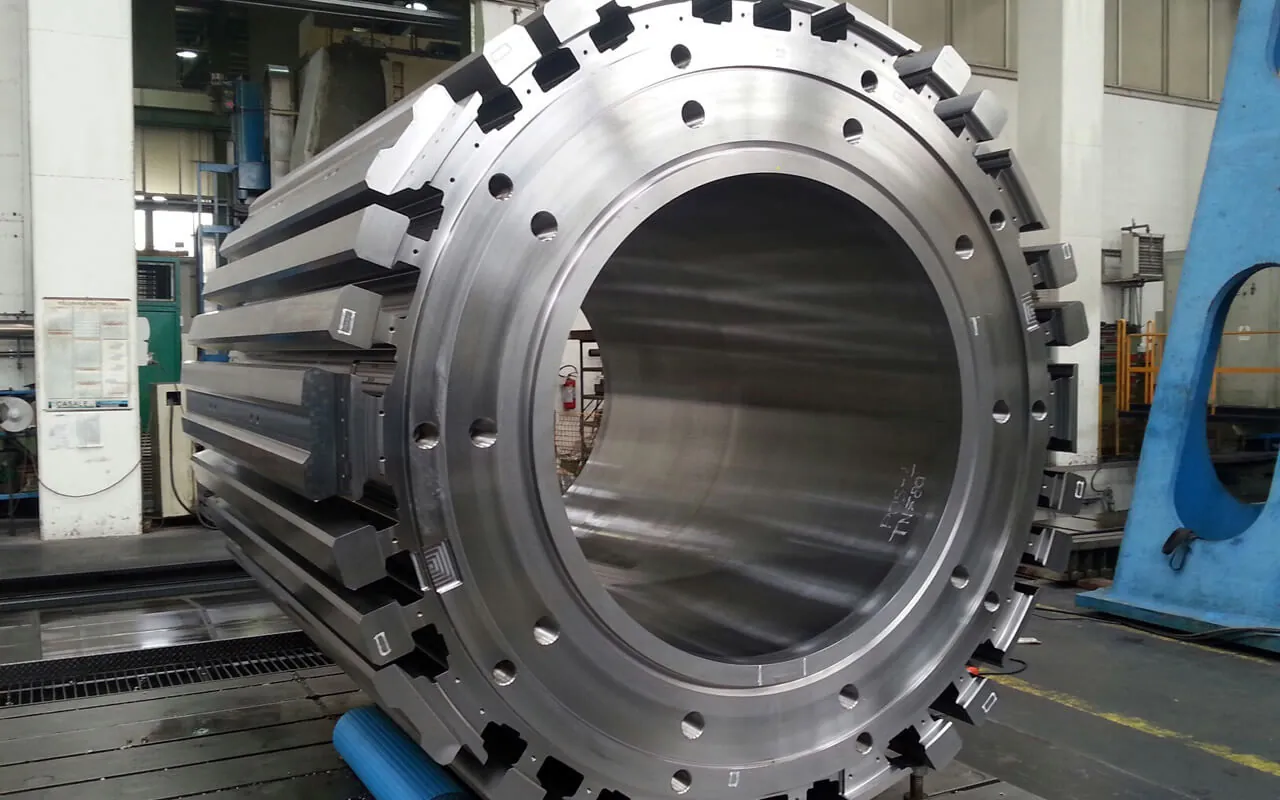
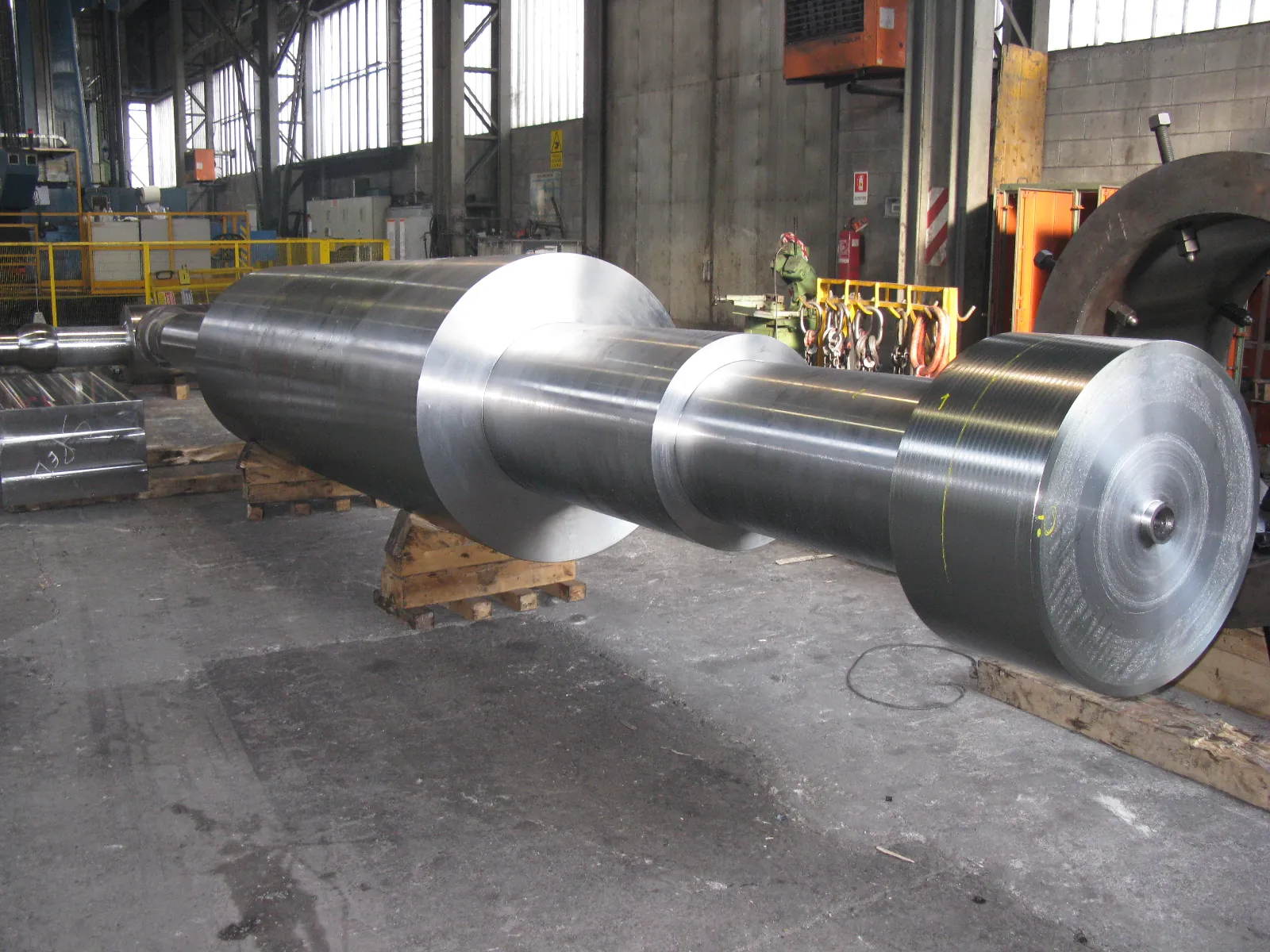
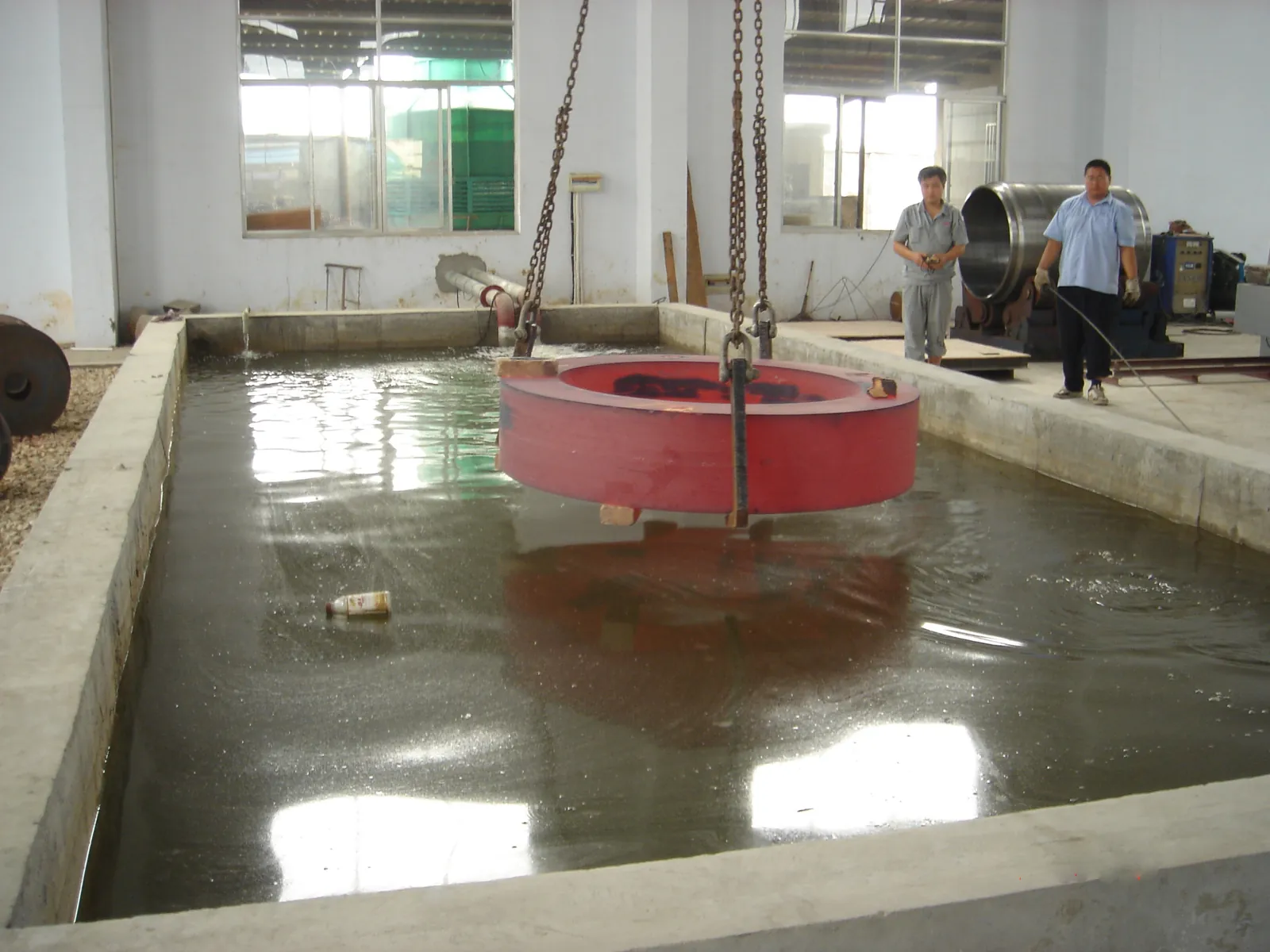
In Pictures
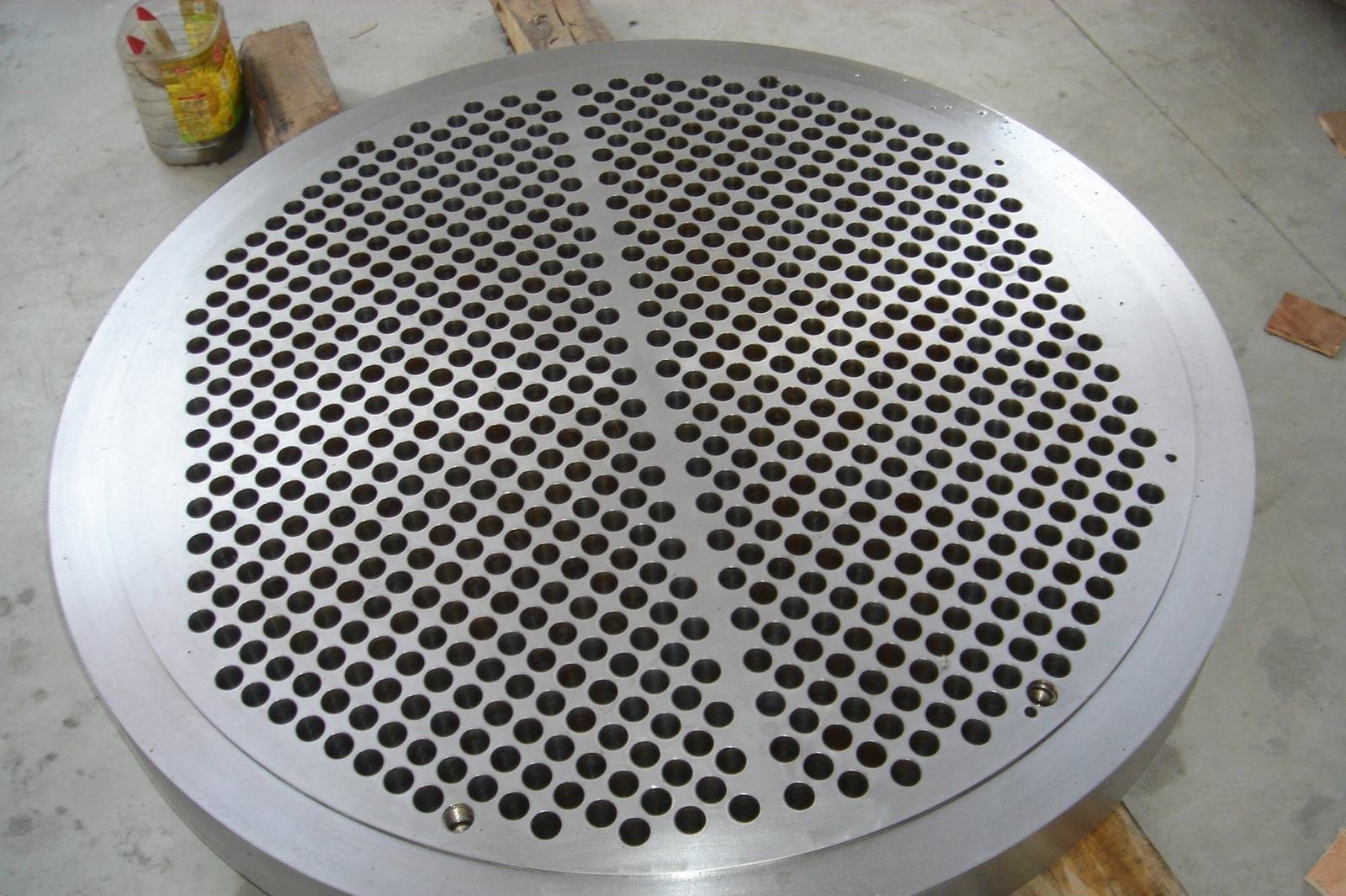
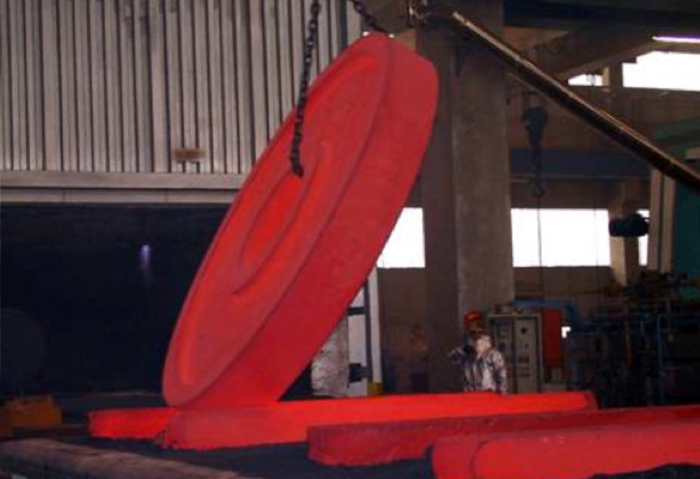
A Selection of Our Work
Related Grades
Request a quote for 1.4313 / X3CrNiMo13-4
Send us your drawing with the desired QT class and any sour gas requirements. We respond quickly with a proposal in 1.4313 that suits your application.
QT700, QT780 or QT900
NACE hardness demonstrable
Certificate 3.1 or 3.2
Every piece tested individually
Request a Quote
Leave your details, and we will contact you shortly.