
Nickel alloys
Nickel alloys for high temperatures and aggressive environments.
Grades
Nickel alloys
Here you will find a list of the materials we can provide. If your material is not listed, please contact us.
About nickel alloys
What are nickel alloys?
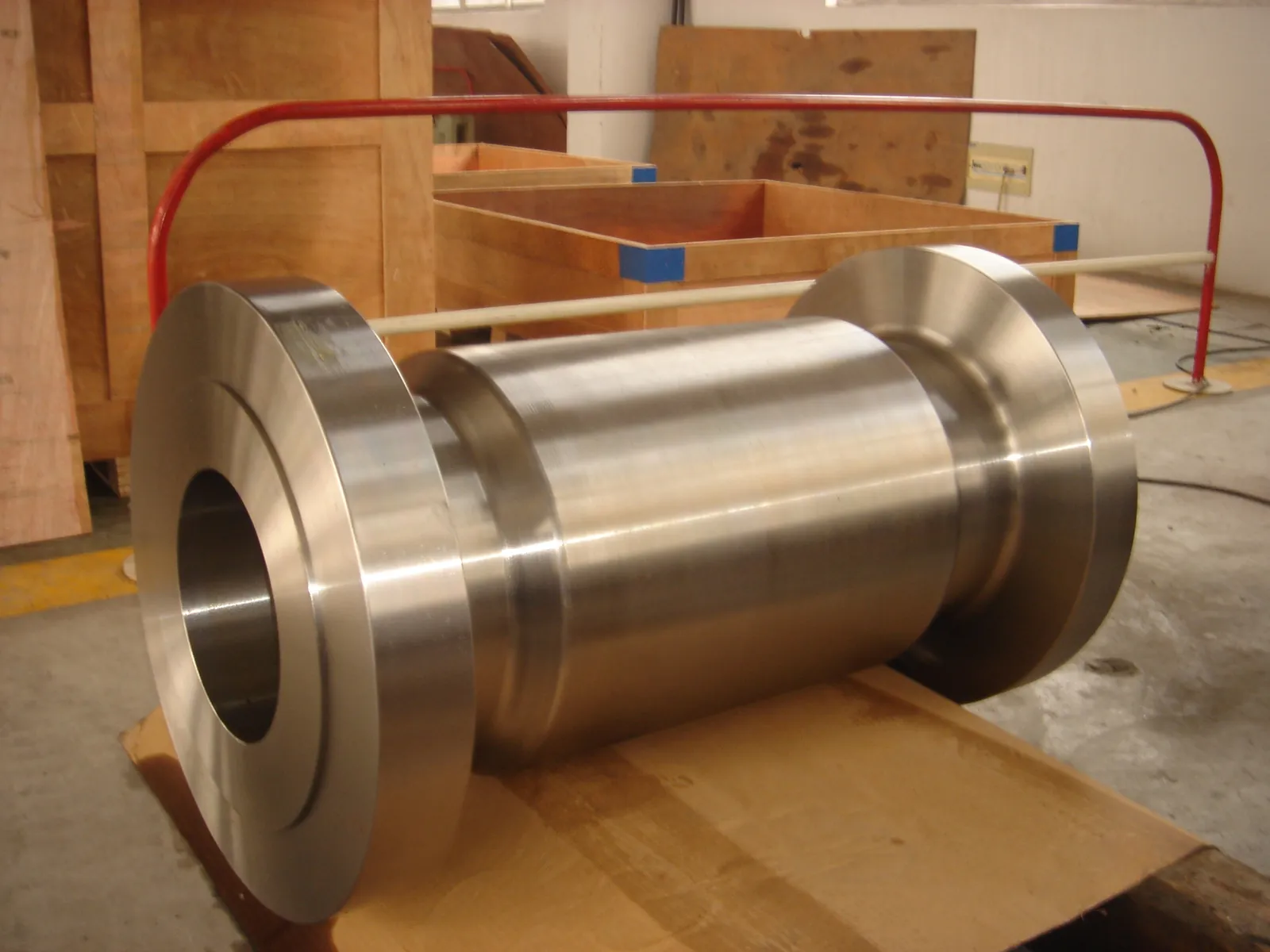
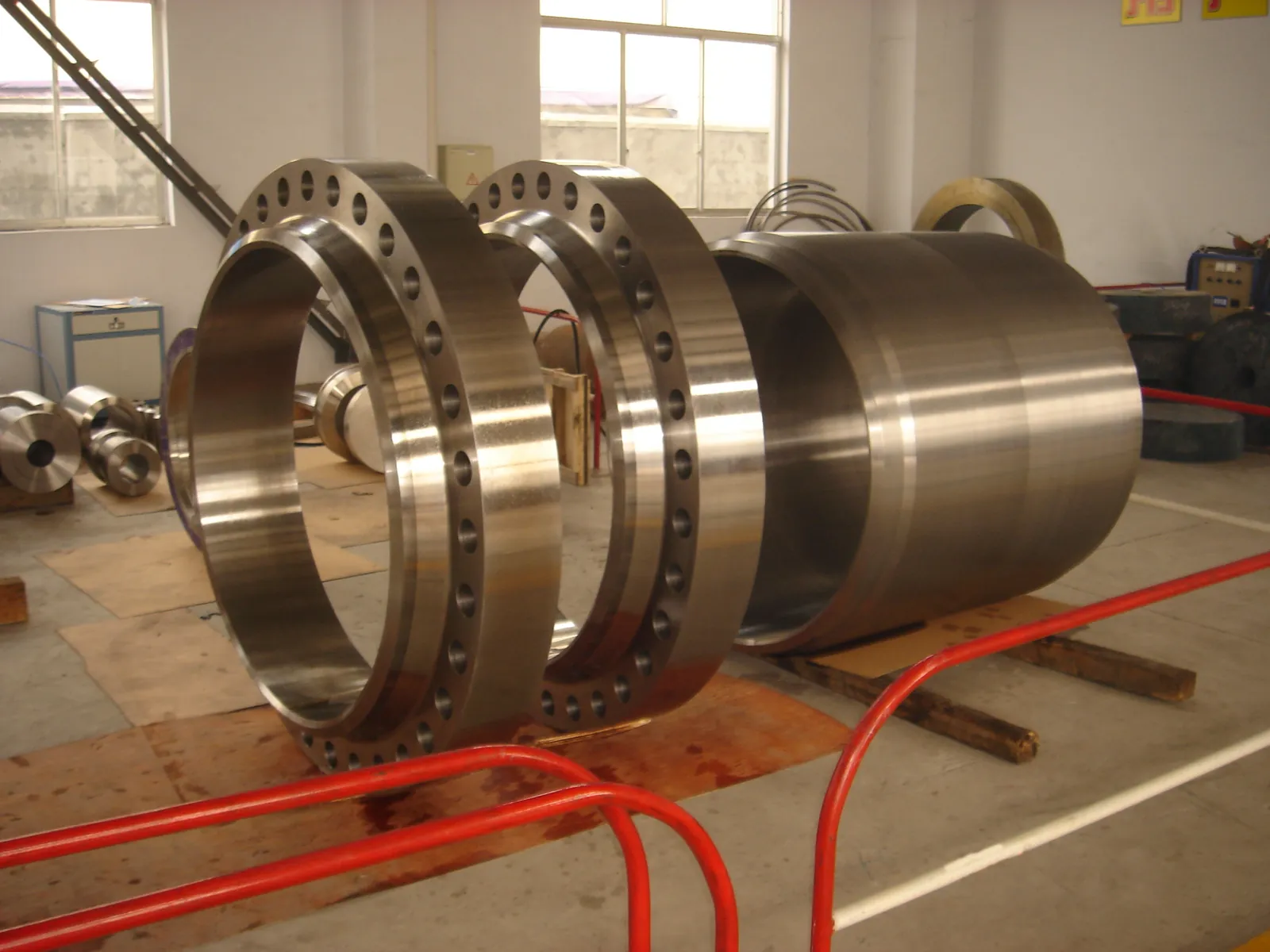
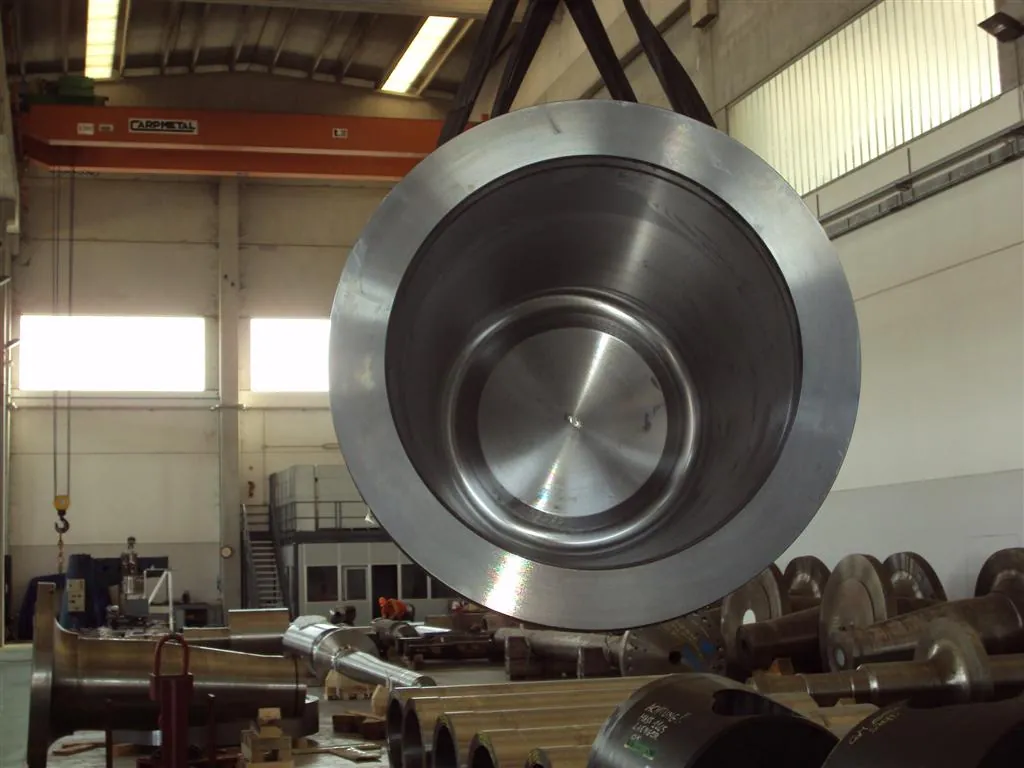
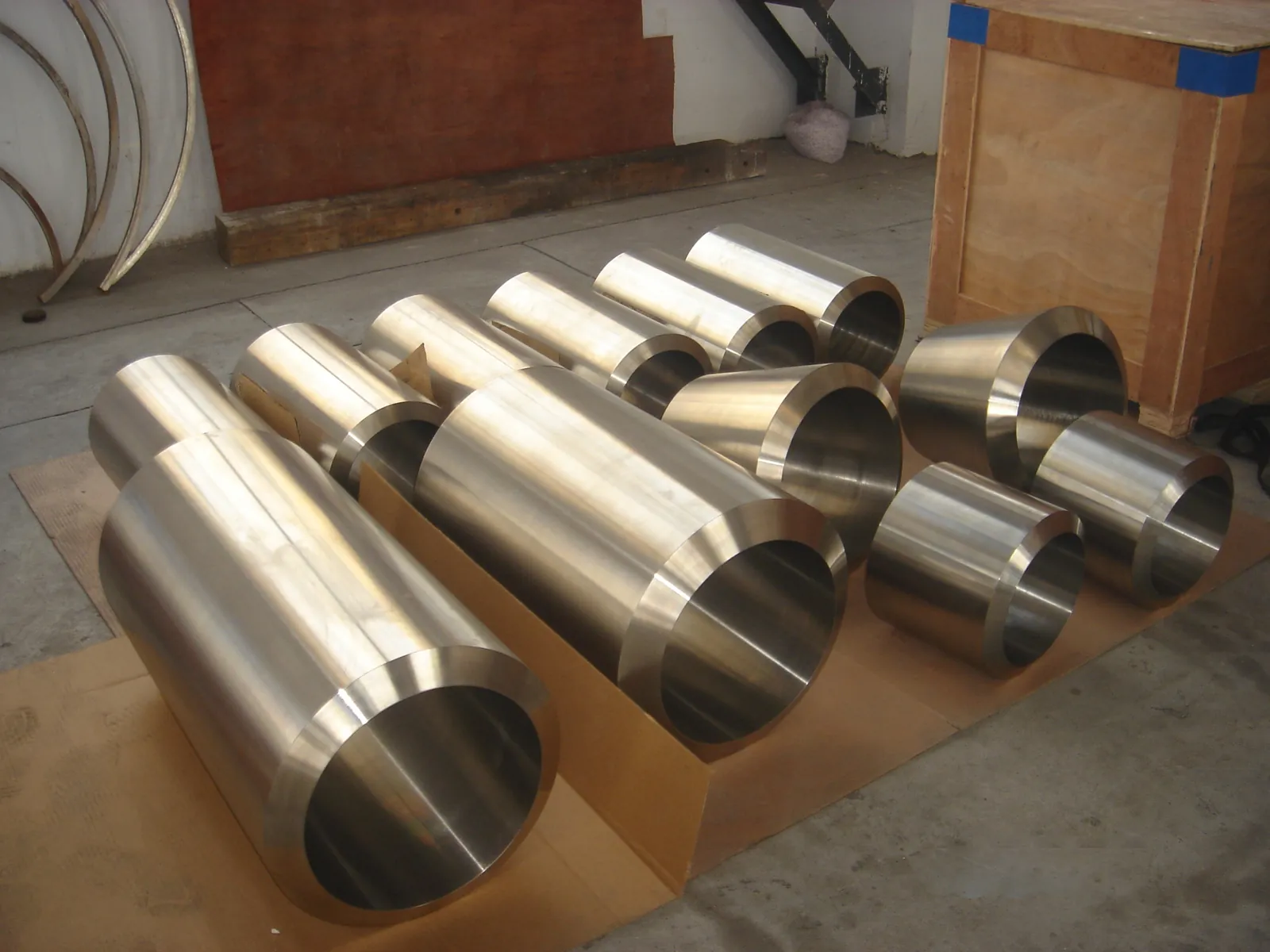
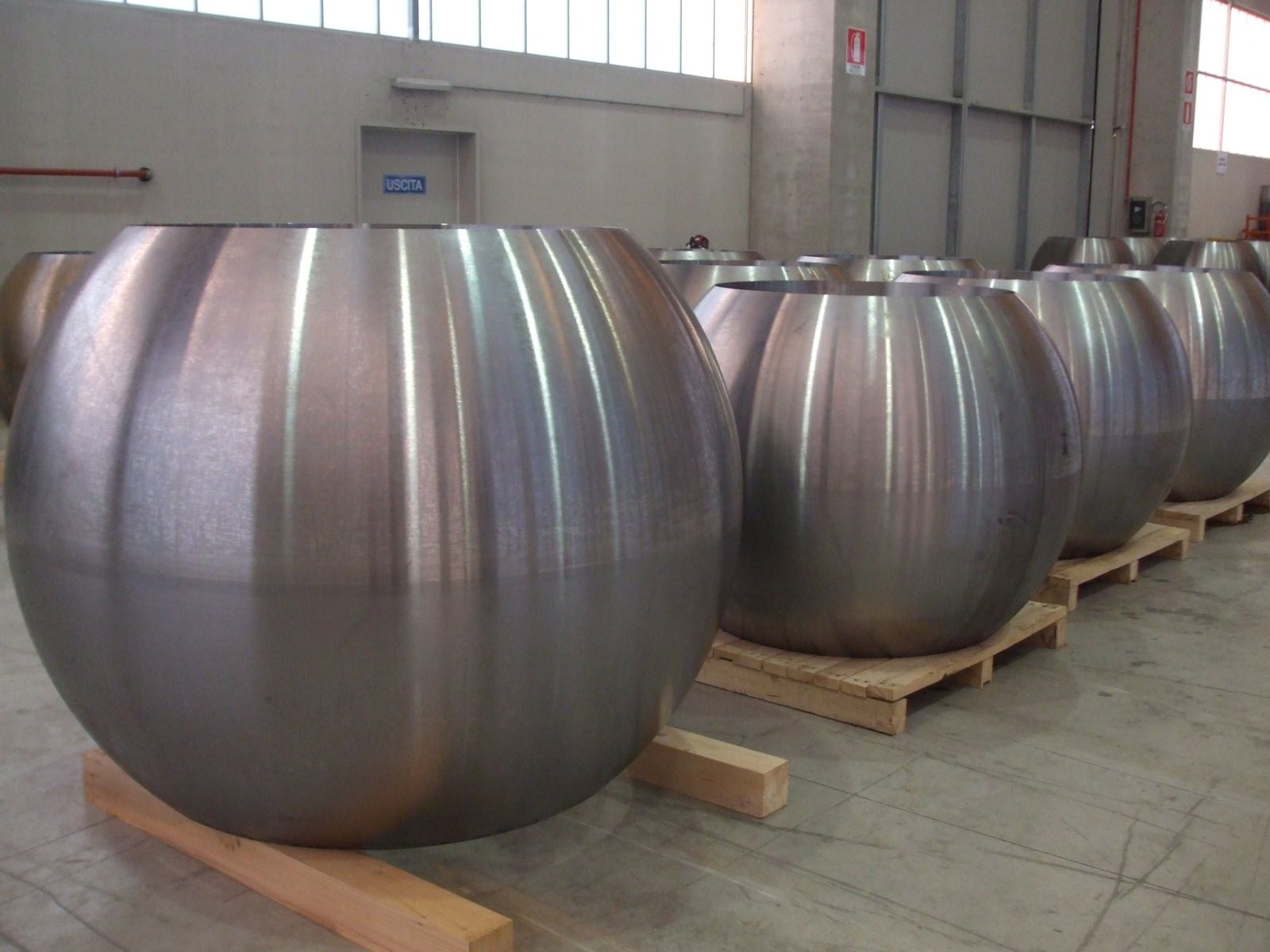
Nickel alloys are alloys in which nickel is the main component or makes up a large proportion. They are used where stainless steel falls short: at very high temperatures, in highly corrosive media, and at low temperatures where toughness is required. Metal Service Europe supplies nickel alloys in the form of forgings, rings, discs, and machined parts.
The table provides the material number and common name for each alloy. There are roughly four groups. The first is pure nickel, such as Nickel 200 and 201. The second consists of nickel-copper alloys such as Alloy 400 and K-500, known as Monel®. The third consists of nickel-chromium alloys such as Alloy 600, 625, and 718, known as Inconel®. The fourth consists of nickel-chromium-molybdenum alloys such as Alloy C-276 and C22, and nickel-molybdenum alloys such as B2, known as Hastelloy®. Additionally, it includes iron-nickel alloys, such as Alloy 800H and 825, and copper-nickel (CuNi 90/10 and 70/30).
Nickel alloys are demanding during forging. They remain strong at high temperatures and therefore have a narrow forging temperature range, meaning process control is more critical here than with steel. Temperature and the degree of deformation together determine the final grain size.
Inconel® 600, 625, and 718 for high temperatures and aggressive media
Monel® 400 and K-500 for seawater and hydrofluoric acid
Hastelloy® C-276, C22, B2, and B3 for highly corrosive chemical processes
Alloy 800H, 800HT, and 825 for petrochemicals and high temperatures
Copper-nickel 90/10 and 70/30 for seawater piping
Applications
Applications of nickel alloys
Parts for cracking furnaces and reformers in the petrochemical industry
Flanges and pipe components for seawater cooling and shipbuilding
Offshore and subsea parts such as valves and pump shafts
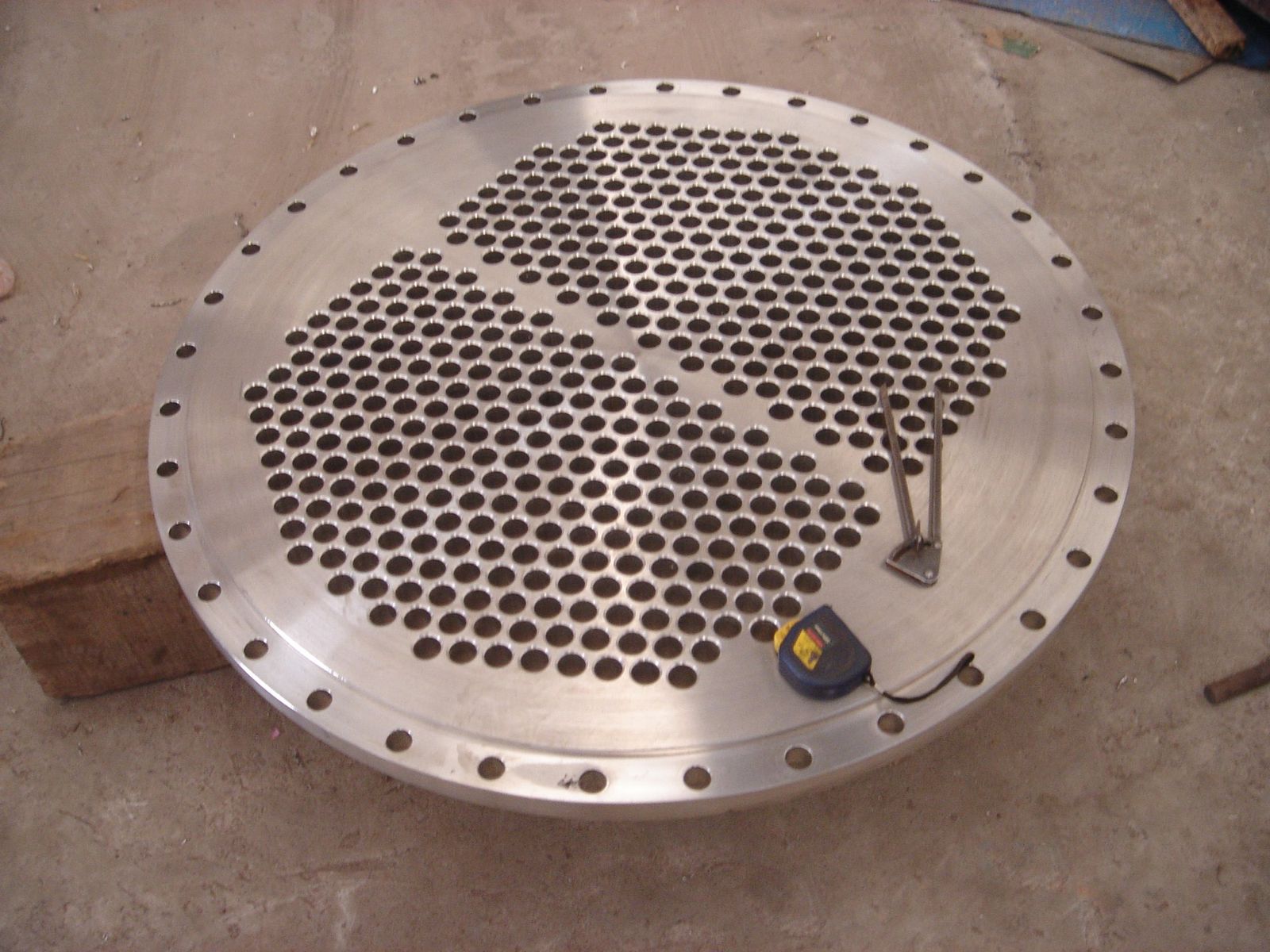
Reactors, heat exchangers, and valves in the chemical process industry
Rings, discs, and housings for gas turbines and jet engines
Flue gas cleaning and waste incineration
Our Approach
From Inquiry to Delivery
Inquiry & Specification
You specify the alloy with the trade name, material or UNS number, and the standard, for example ASTM B564 for forgings. We check whether the requested condition and inspections match that alloy and standard.
Forging of nickel alloys
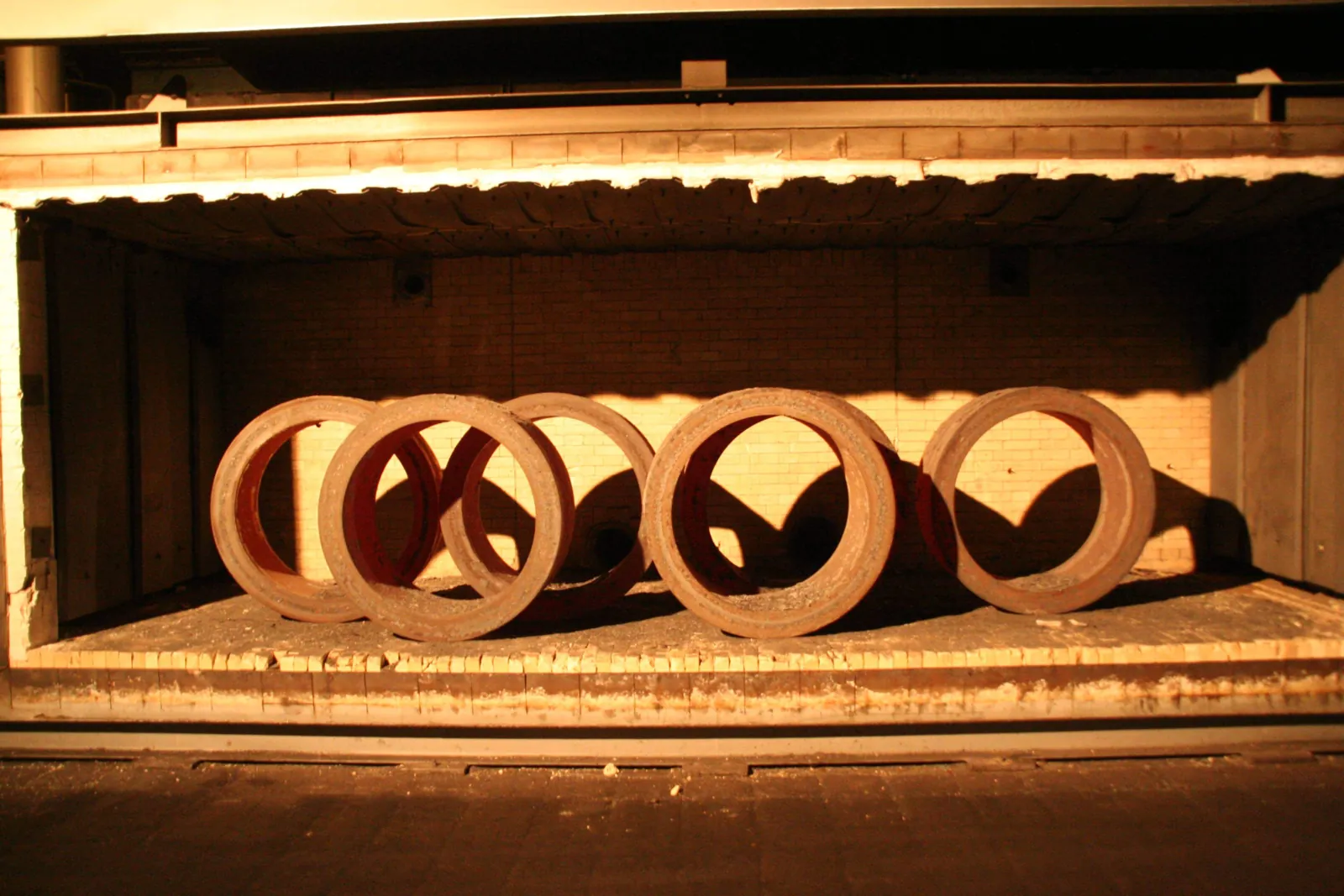
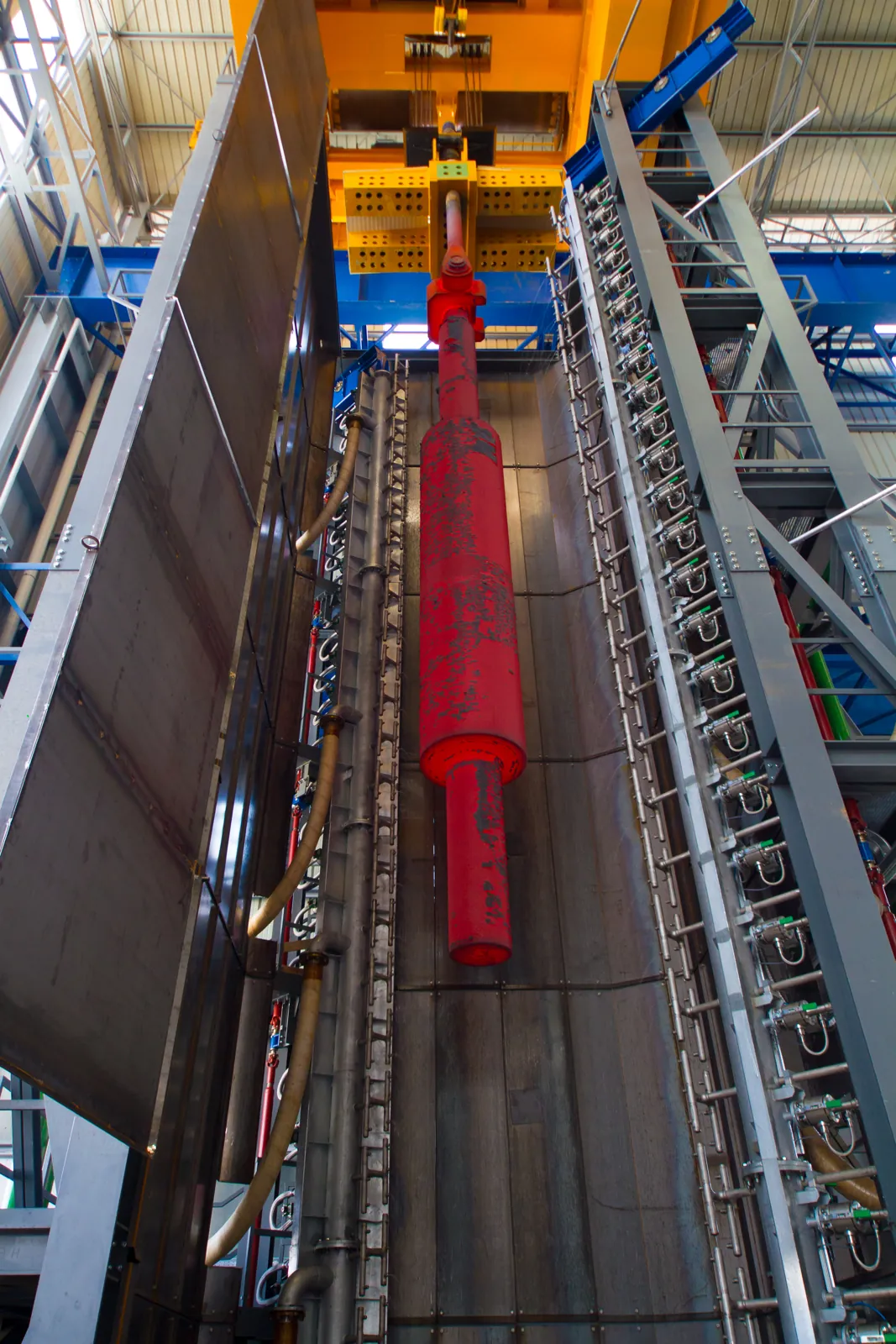
Nickel alloys have a narrow forging temperature range and require high pressing force. Forging is followed by the prescribed heat treatment, such as solution annealing or, for Alloy 718, aging.
Quality Control & Delivery
Each piece is traceably marked and tested; pre-turned parts are ultrasonically inspected. Delivery is made rough, pre-turned, or fully machined, with a certificate documenting analysis and mechanical values.
Quality
Certification and Quality Assurance
With nickel alloys, a small deviation in composition or grain size has major consequences at high temperatures or in corrosive media. Therefore, we agree on analysis, condition, and testing in advance. Upon request, we confirm the alloy with PMI (positive material identification), and the certificate is issued as 3.1 or 3.2 according to EN 10204. See also our page on quality assurance.
Available
Nickel alloys available as
Nickel alloys are available individually or in small quantities in these forms:
Frequently Asked Questions
Frequently asked questions about nickel alloys
What is the difference between Inconel, Monel, and Hastelloy?
These are trade names for different groups of nickel alloys. Inconel® stands for nickel-chromium alloys such as 600, 625, and 718, which are strong at high temperatures. Monel® is a nickel-copper alloy such as Alloy 400, highly resistant to seawater. Hastelloy® primarily includes nickel-molybdenum and nickel-chromium-molybdenum alloys such as C-276, developed for highly corrosive chemicals. We supply them by alloy and standard under the generic Alloy name.
Why is a nickel alloy more expensive than stainless steel?
A nickel alloy contains much more nickel and often also molybdenum, niobium, or cobalt, and these raw materials are expensive. Additionally, these alloys are more difficult to forge and machine, which increases processing costs. This is offset by a much longer service life in conditions where stainless steel would fail. When selecting materials, we therefore look at the total life-cycle costs with you.
What is Alloy 718?
Alloy 718 (2.4668, UNS N07718) is a precipitation-hardening nickel-chromium alloy with niobium and molybdenum. After solution annealing and aging, it achieves very high strength, which is well maintained up to approximately 700 °C. The alloy is easily weldable and is widely used in gas turbines, the oil and gas industry, and for high-strength fasteners. Composition and properties can be found on our page about Inconel.
What is the difference between Alloy 800, 800H, and 800HT?
All three are iron-nickel-chromium alloys with approximately 32% nickel and 20% chromium. The difference lies in carbon, aluminum, and titanium. 800H has more carbon and a coarser grain, which improves creep strength above approximately 600 °C. 800HT also has a narrower range for aluminum plus titanium. They are used in petrochemicals, furnace construction, and heat exchangers.
Which nickel alloy is the most corrosion-resistant?
That depends on the medium. For oxidizing and reducing acids with chlorides, Alloy C-276 or C22 is often chosen. In pure hydrochloric acid and other strongly reducing acids, nickel-molybdenum alloys such as B2 and B3 are better suited. For seawater, Alloy 625 or 400 is common. Please specify the medium, concentration, and temperature with your inquiry, and we will propose a specific choice.
What is copper-nickel and what is it used for?
Copper-nickel (CuNi) is an alloy of copper with 10 or 30% nickel and small additions of iron and manganese. The table lists CuNi 10 Fe (2.0872) and CuNi 30 Fe (2.0882). The material is highly resistant to seawater and the growth of organisms. Therefore, it is widely used for seawater piping, flanges, and condensers in shipbuilding and offshore.
Can nickel alloys be forged?
Yes, most nickel alloys are easy to forge, but the process is more demanding than with steel. The material remains strong at high temperatures, so more pressing force is required and the forging temperature range is narrow. Forging too cold causes cracks; too hot results in a coarse grain. Therefore, we determine the forging temperature and deformation per alloy in advance.
Which standards apply to nickel alloy forgings?
For forged nickel alloy parts, ASTM B564 is the most commonly used standard, with ASME SB-564 as its counterpart for pressure equipment. For bars, standards such as ASTM B166, B446, and B637 apply, depending on the alloy. In aerospace, AMS specifications are prescribed, such as AMS 5662 for Alloy 718. We deliver according to the standard, edition, and condition you specify.
Are nickel alloys suitable for sour oil and gas environments?
Yes, many nickel alloys are suitable for sour environments containing hydrogen sulfide. Alloy 625, 718, and C-276 are included in NACE MR0175 / ISO 15156, often with requirements for condition and maximum hardness. If that standard is on your specification, we agree on heat treatment and hardness limits in advance so that the forging meets the requirements of your application.
What is the lead time for nickel alloys?
The lead time is primarily determined by the raw material in the requested alloy and dimensions. Common alloys such as 625 and 718 are often available faster than, for example, Alloy B3 or C22. Heat treatment and inspections also determine the turnaround time. After your inquiry, we check availability and provide a realistic lead time in the quote.
Grade not found?
Send us the desired grade, standard, and certification. We will quickly let you know what is possible.