
Flanges
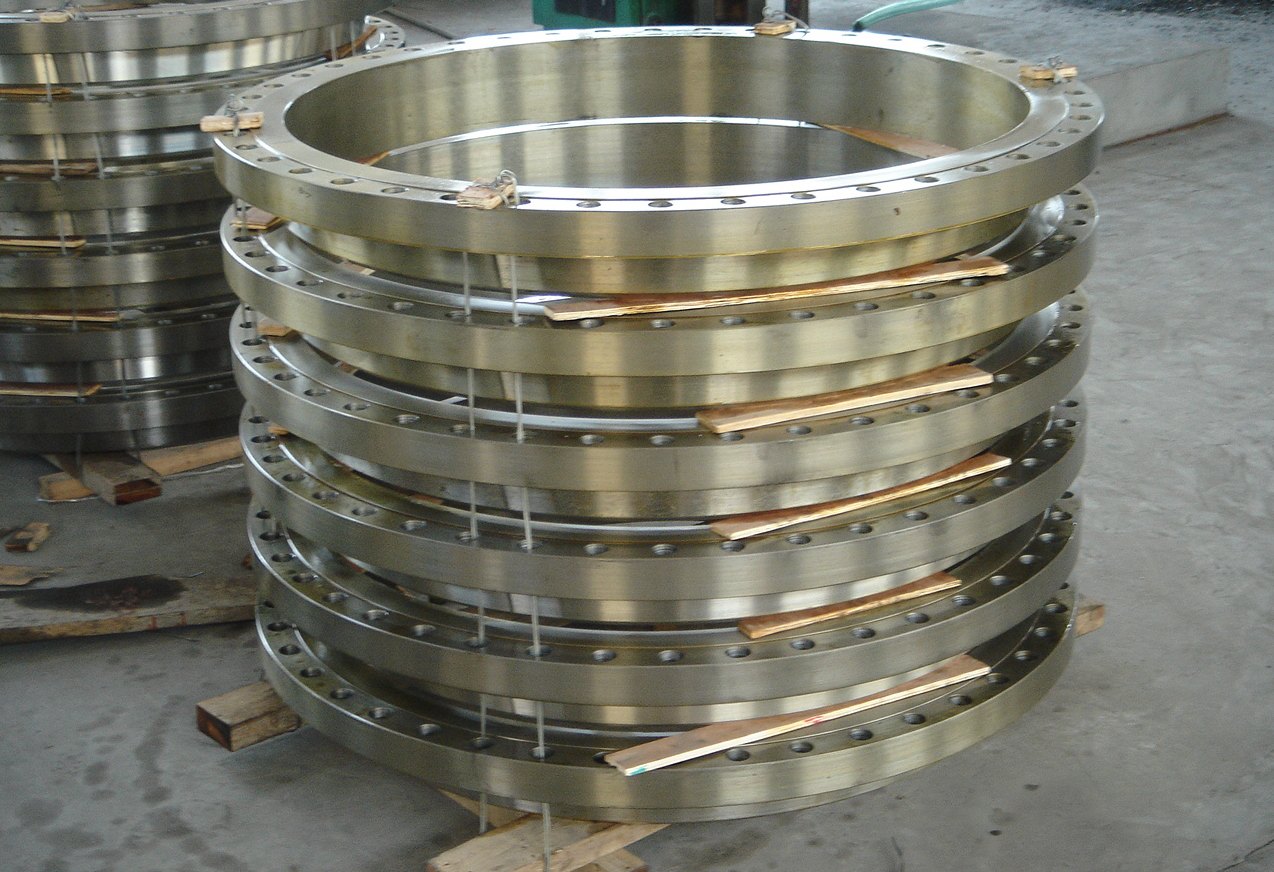
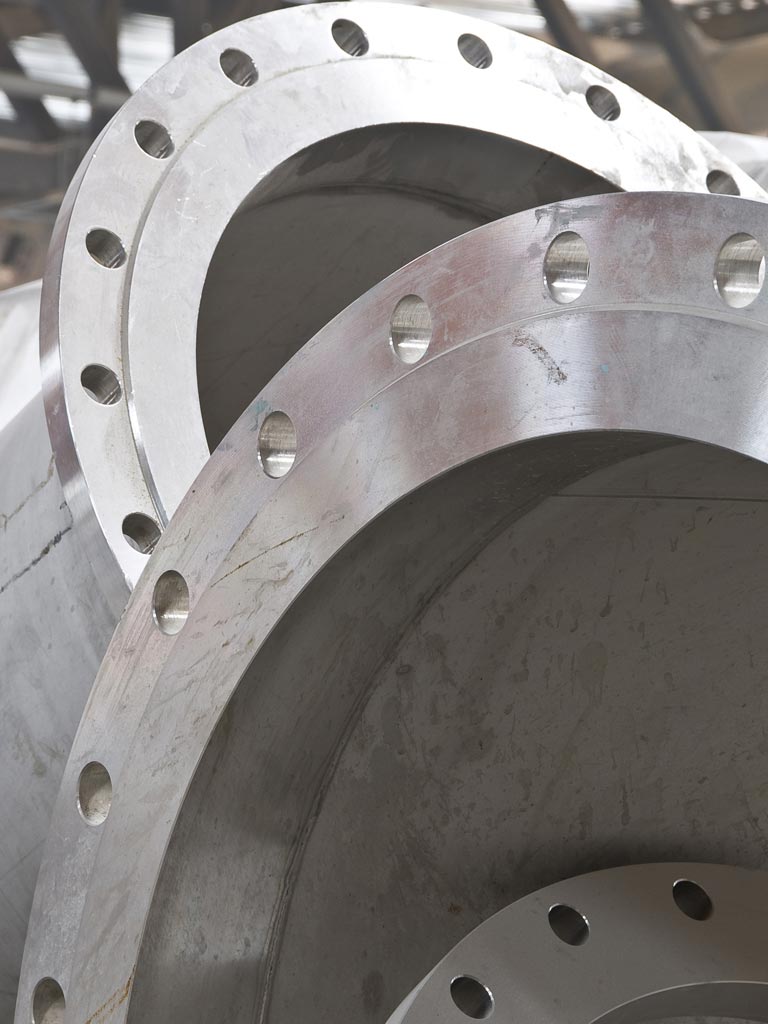
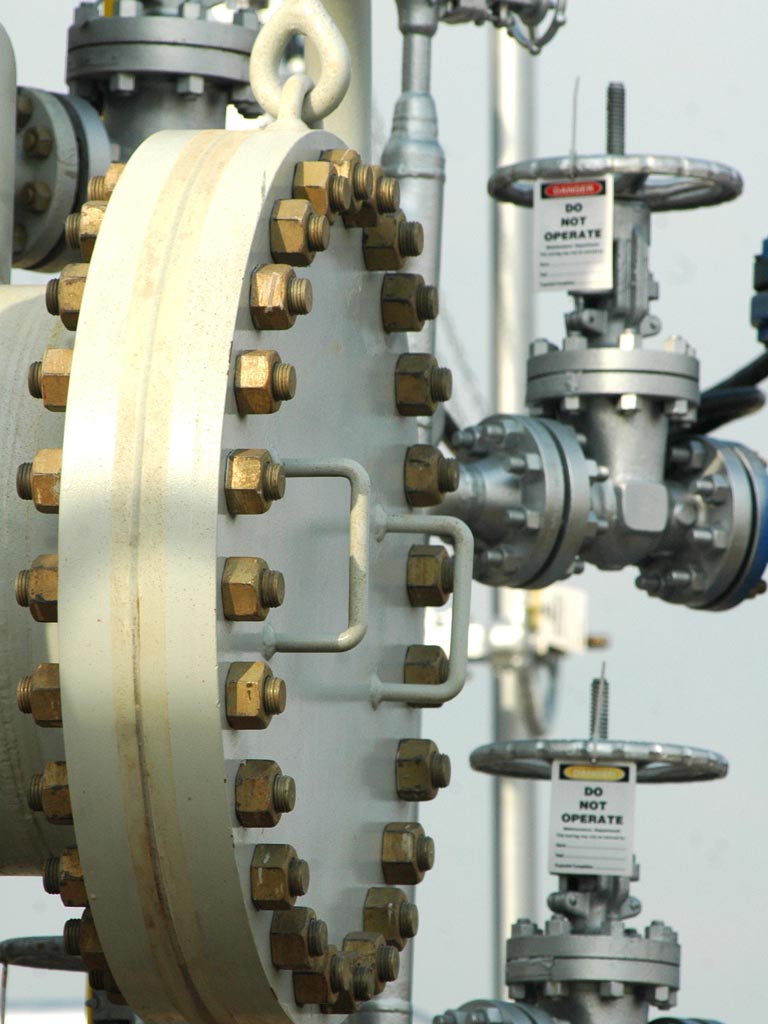
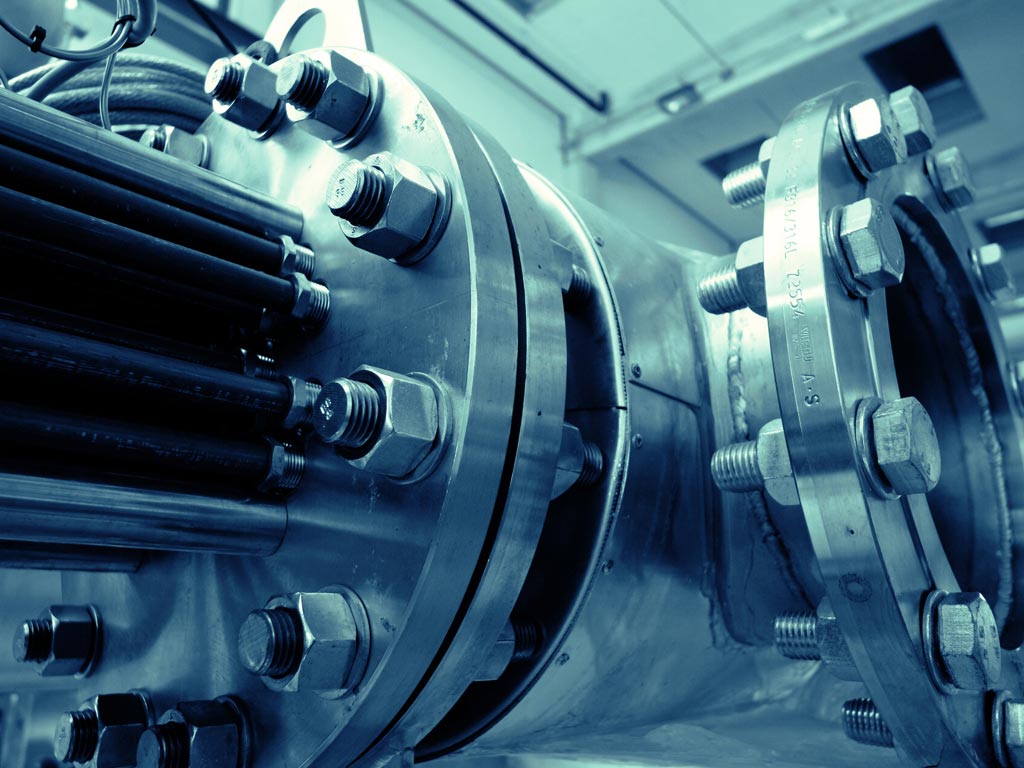
Forged flanges are ring-shaped or solid connectors used to bolt pipes, valves, and pressure vessels together. Up to Ø 7,500 mm, 2,800 mm high, from 50 kg to 45 tons.
Forged Flanges
The right flange, in the right grade
Those who purchase forged flanges choose a flange that has been shaped as a whole under the press. In this process, the grain flow follows the shape of the neck and flange blade, whereas a flange cut from plate retains the rolling structure of that plate. We supply forged flanges to pump and valve manufacturers, the process industry, and offshore, according to EN 1092-1, ASME B16.5, or your drawing, as single pieces or small series.
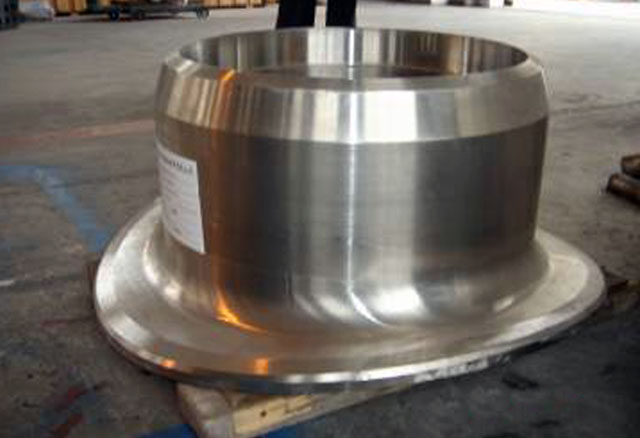
The maximum diameter is 7,500 mm and the maximum height is 2,800 mm, depending on the grade, with a unit weight from 50 kg to 45 tons. Forged flanges can be supplied in nearly all grades; if necessary, parts can also be delivered according to (customer-specific) specifications. For larger series, seamless rolled profiles can be produced.
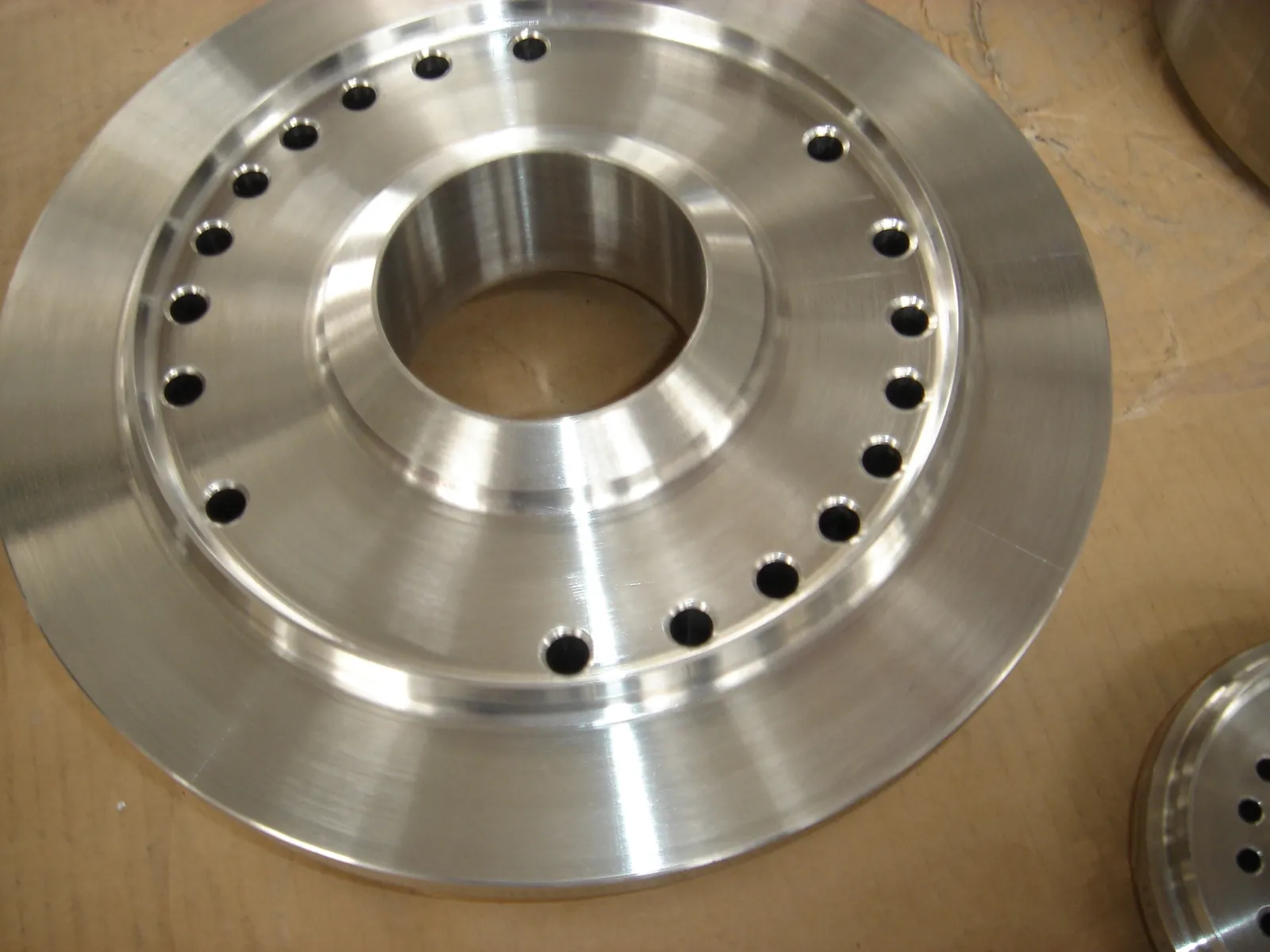
All parts can be delivered rough, rough machined, or completely finished according to drawing.
Execution
From rough forged to completely machined
Rough forged
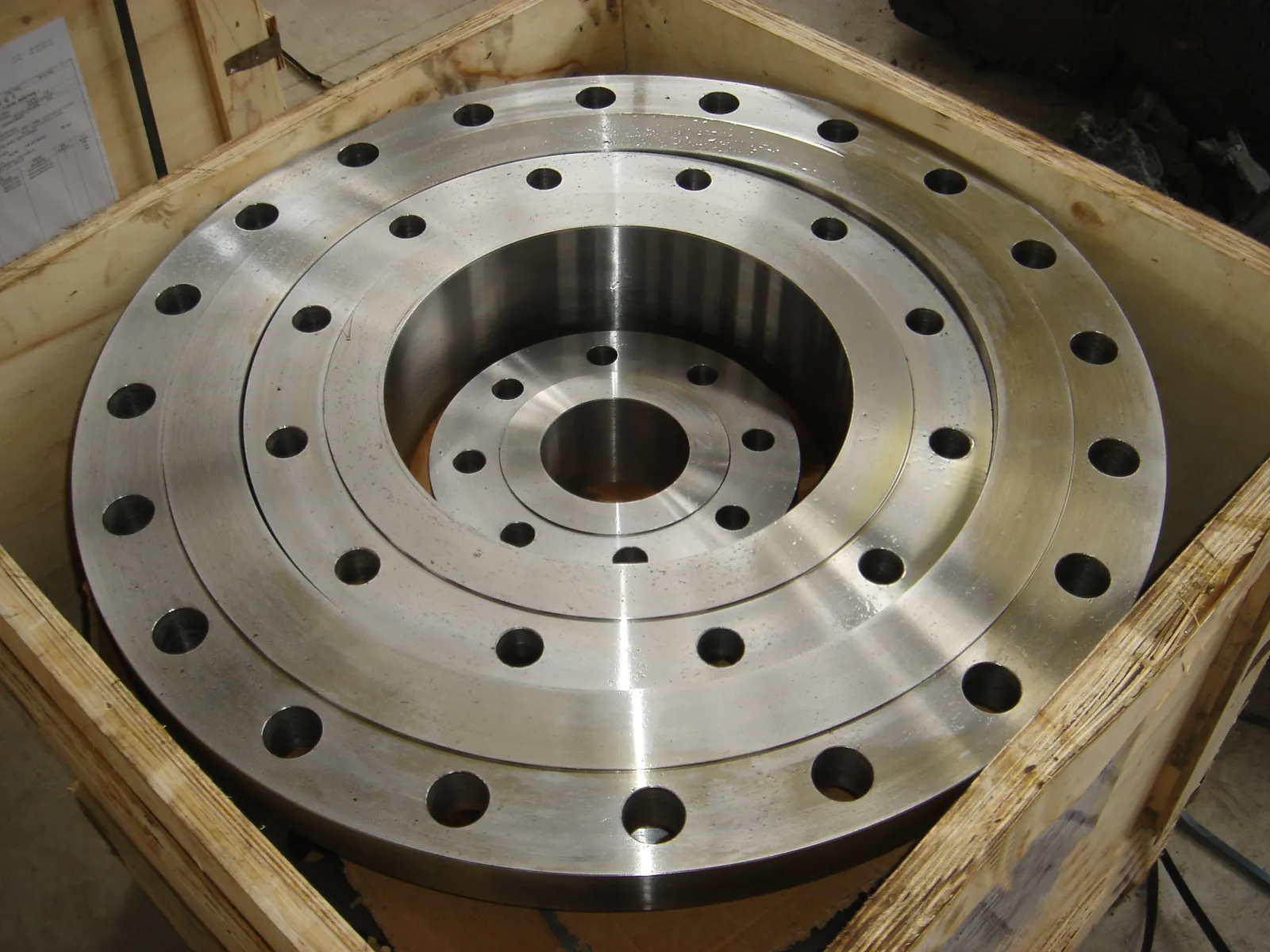
You receive the flange immediately after heat treatment, still with a machining allowance all around. Useful if you prefer to apply the bore, sealing surface, and bolt hole pattern in your own workshop.
Rough machined
The flange is rough machined to a shape that allows for ultrasonic testing. You receive a certified semi-finished product with overmeasure, so that finishing in your own workshop begins without surprises.
Completely machined
The sealing surface, bore, neck, and bolt holes are machined according to your drawing or the flange standard. The flange is thus immediately ready for assembly and is delivered with a certificate.
Process
How a forged flange is created
First, the starting weight is sawn from a block or billet and heated in the furnace. Under the press, it is upset and, for a flange with a bore, pierced to a ring-shaped preform that is further forged out. For larger series, the flange can be seamless rolled in profile. This is followed by heat treatment, test pieces, rough machining with ultrasonic testing, and potentially final machining.
Applications
For the most demanding industries
Connection flanges for machines according to drawing
Pressure vessels and process equipment
Piping systems in oil, gas, and (petro)chemistry
LNG and low-temperature pipelines
Offshore and shipbuilding
Pumps and valves
Our Approach
Your partner in forged flanges
Inquiry & Advice
You tell us which pipeline or machine the flange will be used in and at what pressure and temperature. We advise on flange type, standard, and material.
Specification & Selection
Together we agree on dimensions, sealing surface, heat treatment, inspections, and certification. Then we determine whether the flange will be forged or rolled as a ring, matching the size and quantity.
Quotation & Alignment
You receive a quote with price, execution, and delivery time. Technical points, such as the position of test pieces or additional non-destructive testing, are coordinated in advance.
Order & Delivery
We monitor forging, heat treatment, machining, and inspection, and deliver the flanges with full documentation to your location.
Material Grades
Forged flanges in virtually every grade
The choice of material follows from pressure, temperature, and medium. A selection of grades in which we supply forged flanges:
A182 F11 and F22
A182 F316
Frequently Asked Questions
Everything about forged flanges
What is the difference between a forged flange and a flange cut from plate?
A forged flange is shaped as a whole under the press, while a plate flange is cut from rolled plate. In a plate flange, the plate thickness coincides with the longitudinal direction of the flange, where bolt force and sealing pressure act. It is precisely in that thickness direction that rolled plate is less ductile; EN 10164 even sets separate requirements for this. EN 1092-1 allows plate for the plate flange (type 01) and the blind flange (type 05), but not for the weld neck flange (type 11).
Which flange types can you supply forged?
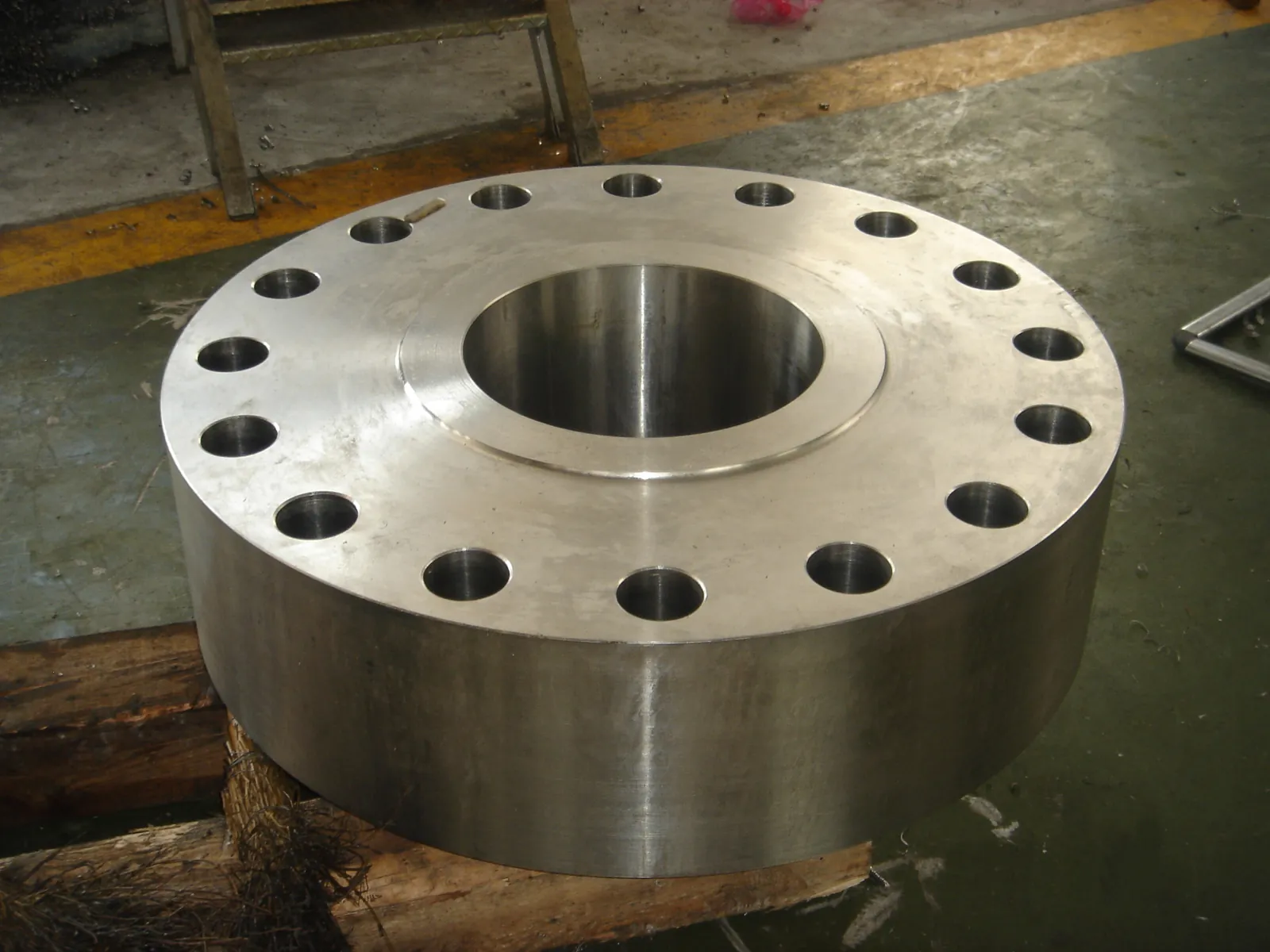
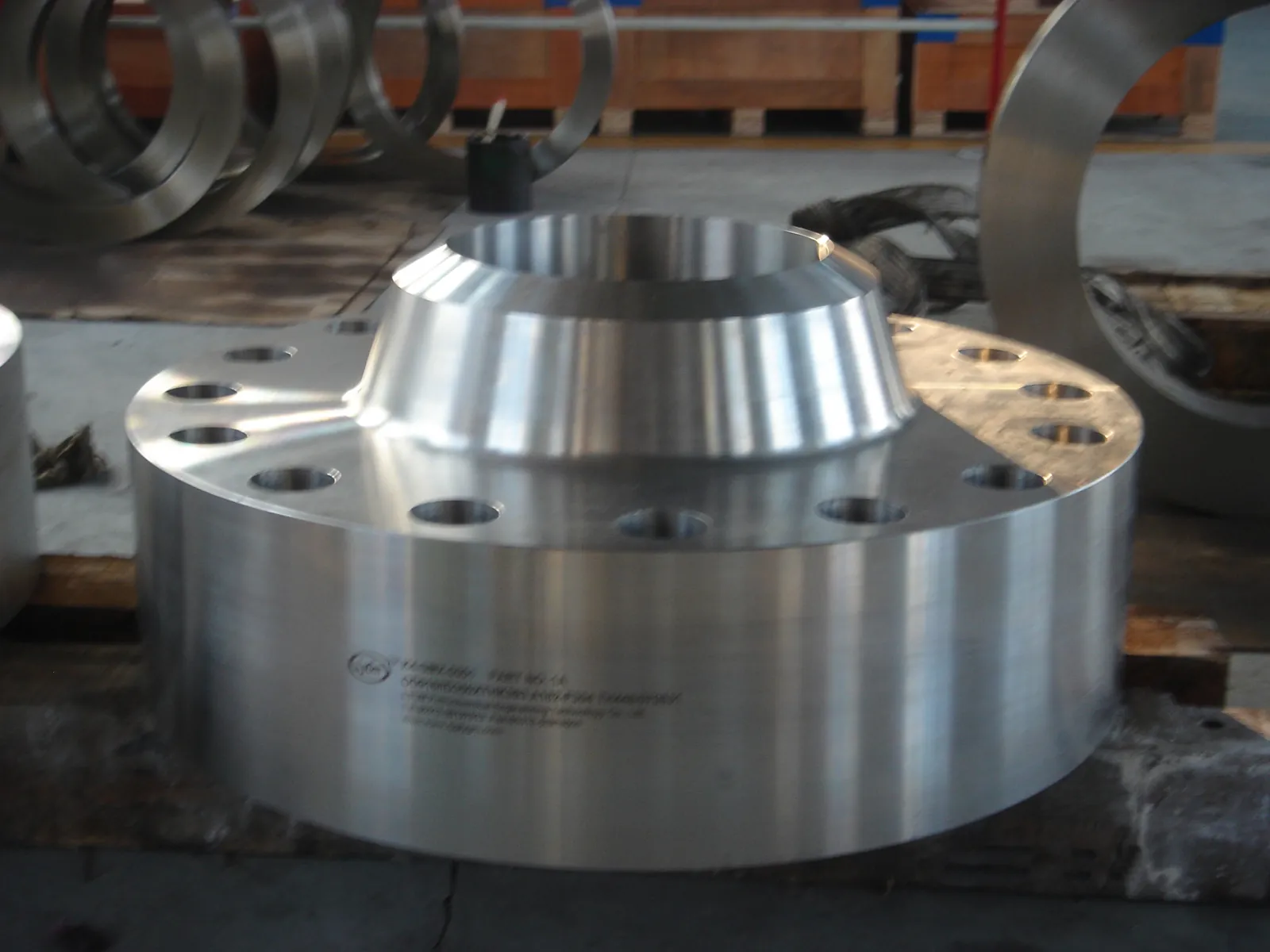
We supply, among others, weld neck flanges (EN 1092-1 type 11), blind flanges (type 05), loose flanges, and LWN flanges, where the flange and extended neck come from a single forging. Additionally, we supply forged flanges that do not fit any standard, according to your drawing, for example with deviating dimensions or a special sealing surface. This way, a non-standard flange does not have to be machined from a far too large semi-finished product.
What is the difference between EN, DIN, and ASME flanges?
EN 1092-1 is the European standard for steel flanges in PN pressure classes and largely replaces the older DIN standards such as DIN 2501; be careful, however, as bolt hole patterns can differ. ASME B16.5, often referred to in practice as an ANSI flange, works with pressure classes from Class 150 to 2500 and sizes up to NPS 24. ASME B16.47 covers large diameters from NPS 26 to 60. If your flange does not fit any of these standards, we forge according to drawing.
Which material should I choose for a flange at low temperature?
Below -29 °C (-20 °F), ASTM A350 LF2 is usually chosen for carbon steel flanges because this grade is always impact tested: Class 1 at -46 °C, Class 2 at -18 °C with a higher minimum value. A105N is not used below -29 °C without additional impact requirements. Your lowest design temperature therefore determines the choice. You can find more background under ASTM A105 and A350 LF2.
Up to what size and weight can a flange be forged?
We supply forged flanges up to a diameter of 7,500 mm and a height up to 2,800 mm, depending on the grade. The unit weight ranges from 50 kg to 45 tons per flange, as a single piece or small series. Whether the largest sizes are feasible depends on the material, heat treatment, and available press or rolling capacity. For large dimensions, we verify this before you receive a quote.
Do you supply flanges as single pieces or to drawing?
Yes. Open-die forging works without a die, so even a single flange can be produced cost-effectively. This is useful for replacements, prototypes, or non-standard sizes. You send us the drawing or a sketch, we agree on the material, heat treatment, and inspection with you, and we handle the rest. The flange is delivered to you rough, rough machined, or completely finished.
When is a flange seamless rolled instead of forged?
For larger series, a flange can be seamless rolled in profile. The ring mill then brings the preform directly to the cross-section of the flange, which saves material and machining time. Because this requires profile tooling, it only pays off with multiple identical flanges. For single pieces, open-die forging remains the logical route. We review which method is more advantageous for you per request.
In which materials do you supply forged flanges?
In virtually every forgeable grade. For piping, this is often carbon steel such as A105N and LF2; for higher temperatures, CrMo steel like A182 F11 and F22. For corrosive media, stainless steel such as F316, duplex F51, or super duplex F53 and F55 is chosen. Additionally, we supply flanges in nickel alloys, such as Alloy 718 (Inconel® 718), and in alloy steel such as 42CrMo4.
Which inspections and certificates accompany a forged flange?
Each flange is tested individually and is 100% traceable to heat and heat treatment. Common tests include chemical analysis, tensile test, hardness measurement, and ultrasonic testing after rough machining; magnetic particle inspection (MPI), liquid penetrant testing, and PMI are available upon request. Usually, this includes an EN 10204 type 3.1 certificate; for type 3.2, an agency such as TÜV, Bureau Veritas, DNV, or Lloyd's Register also signs off. More on this under quality assurance.
How long does it take for forged flanges to be delivered?
For certain rough machined flanges, a lead time of 6 working weeks is achievable. If the flanges must be completely machined, including sealing surface and bolt holes, 8 to 10 working weeks usually applies. Large diameters, heavy pieces, or extensive inspections take more time. Common grades and sizes are sometimes available quickly from stock. The quote always states the delivery time applicable to your flange.
Request your quote without obligation
Email us the drawing or flange specification: standard, pressure class, sealing surface, material, and quantity. We determine the production route and you will receive a quote quickly.
Up to Ø 7,500 mm
From 50 kg to 45 tons
EN 1092-1, ASME B16.5/B16.47 or drawing
Always with certificate