
Carbon steel and alloy steel
Structural steel, quenched and tempered steel, pressure vessel steel, and tool steel.
Grades
Non-alloy and alloy steel types
Here you will find a list of the materials we can provide. If your material is not listed, please contact us.
About carbon steel and alloy steel
What are carbon steel and alloy steel?
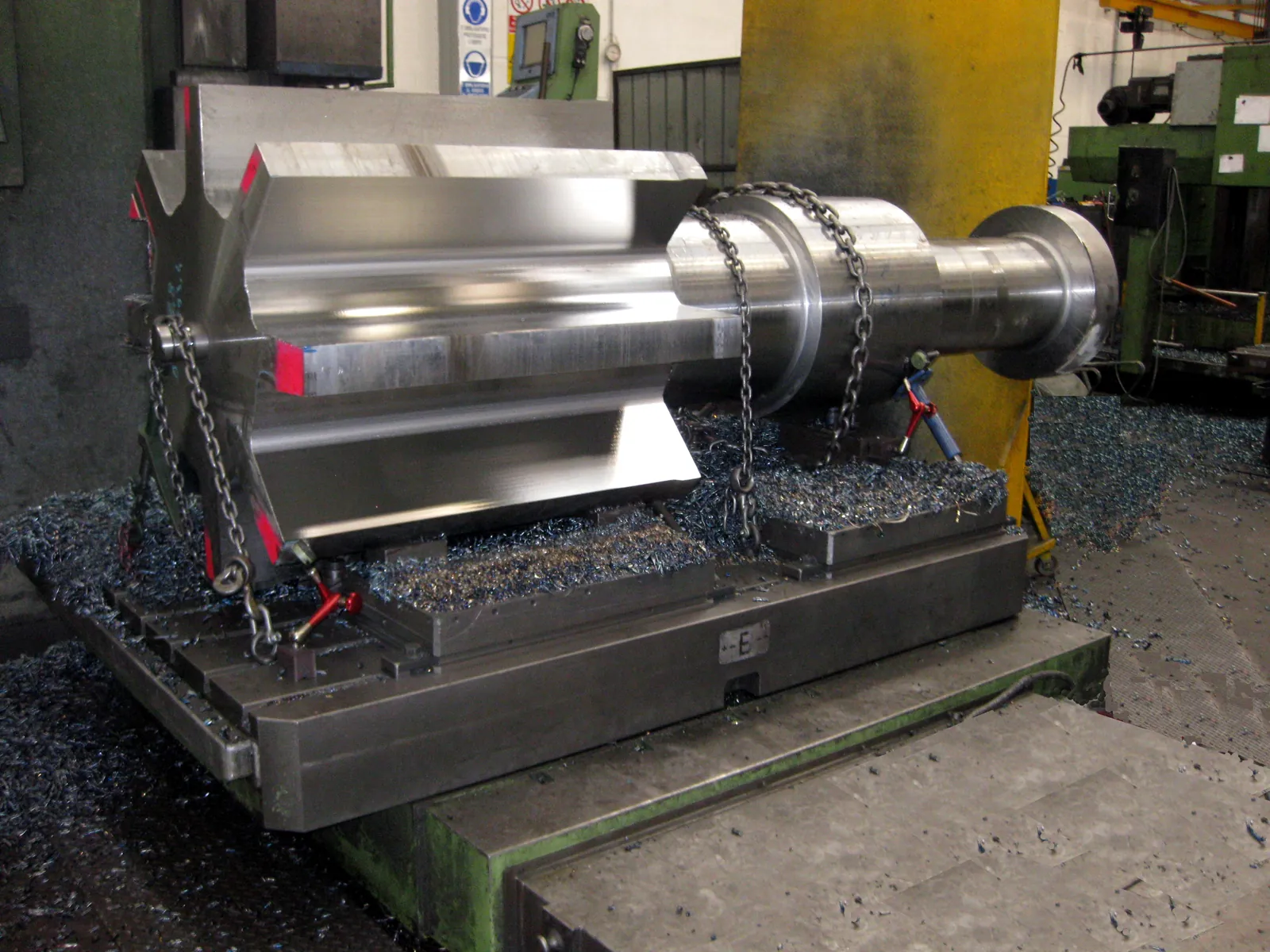
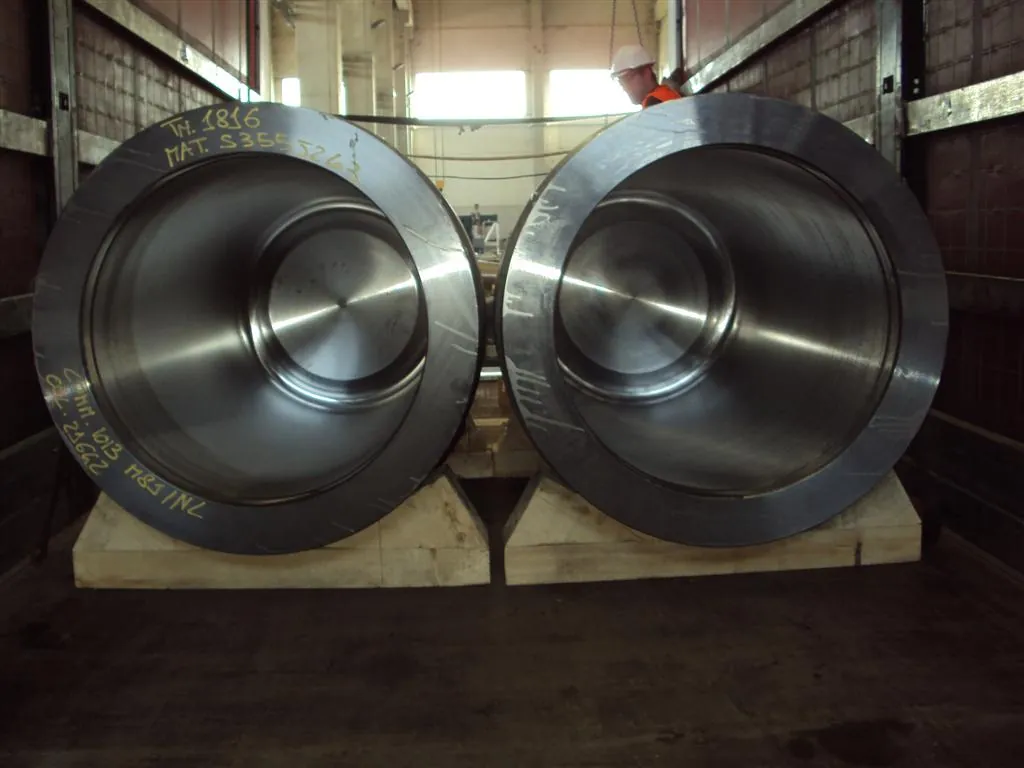
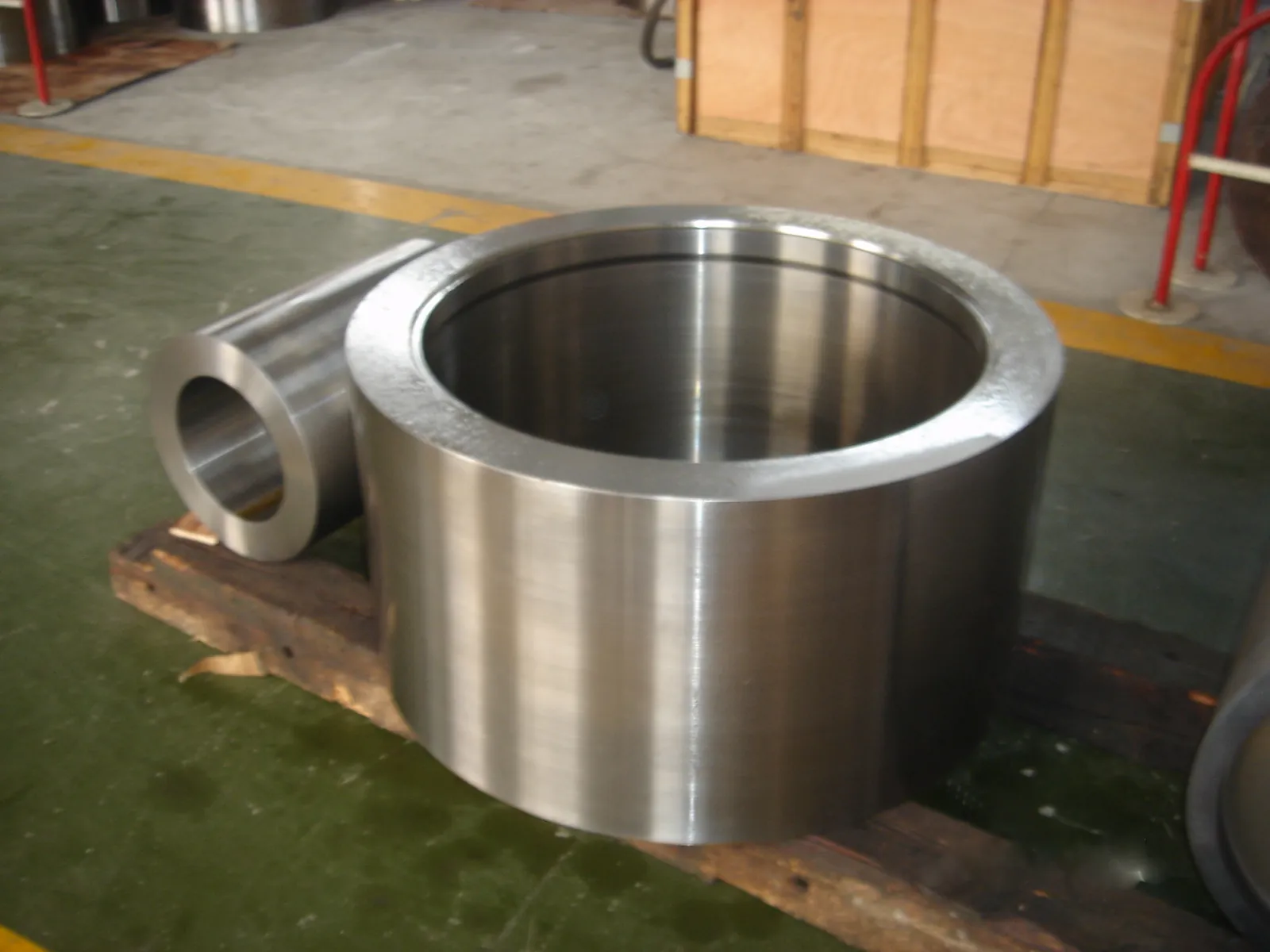
Carbon steel and alloy steel form a large part of our delivery program. Carbon steel, also called non-alloy steel, owes its properties primarily to its carbon content; in alloy steel, chromium, nickel, molybdenum, or vanadium provide increased strength, toughness, or hardenability. Metal Service Europe supplies both as forged bars, rings, discs, blocks, or machined parts.
The table lists the material number, the old DIN name, and where applicable, the current EN designation for each grade. For example, St 52-3 has been succeeded by S355J2 (1.0577) and Ck 45 has been replaced by C45E. The list ranges from structural steel and pressure vessel steel, such as P265GH and 16Mo3, through quenched and tempered steels like 42CrMo4 and 34CrNiMo6, to tool steels such as X38CrMoV5-1 and ball bearing steel 100Cr6.
Which grade is suitable depends on the load, the operating temperature, and the cross-section of the forging. The thicker the piece, the more important through-hardening becomes, and thus the choice for an alloyed grade. If you are unsure between two grades, we are happy to advise you.
Structural steel such as S235JR and S355J2 for general structural parts
Pressure vessel steel such as P265GH, P355NH, and 16Mo3 for boilers and pressure equipment
Quenched and tempered steel such as 42CrMo4, 34CrNiMo6, and 30CrNiMo8 for heavy-duty shafts
Tool steel such as 1.2343 and 1.2714 for dies and hot-work tools
Forged according to EN 10250, EN 10222, or your own specification
Applications
Applications of carbon steel and alloy steel
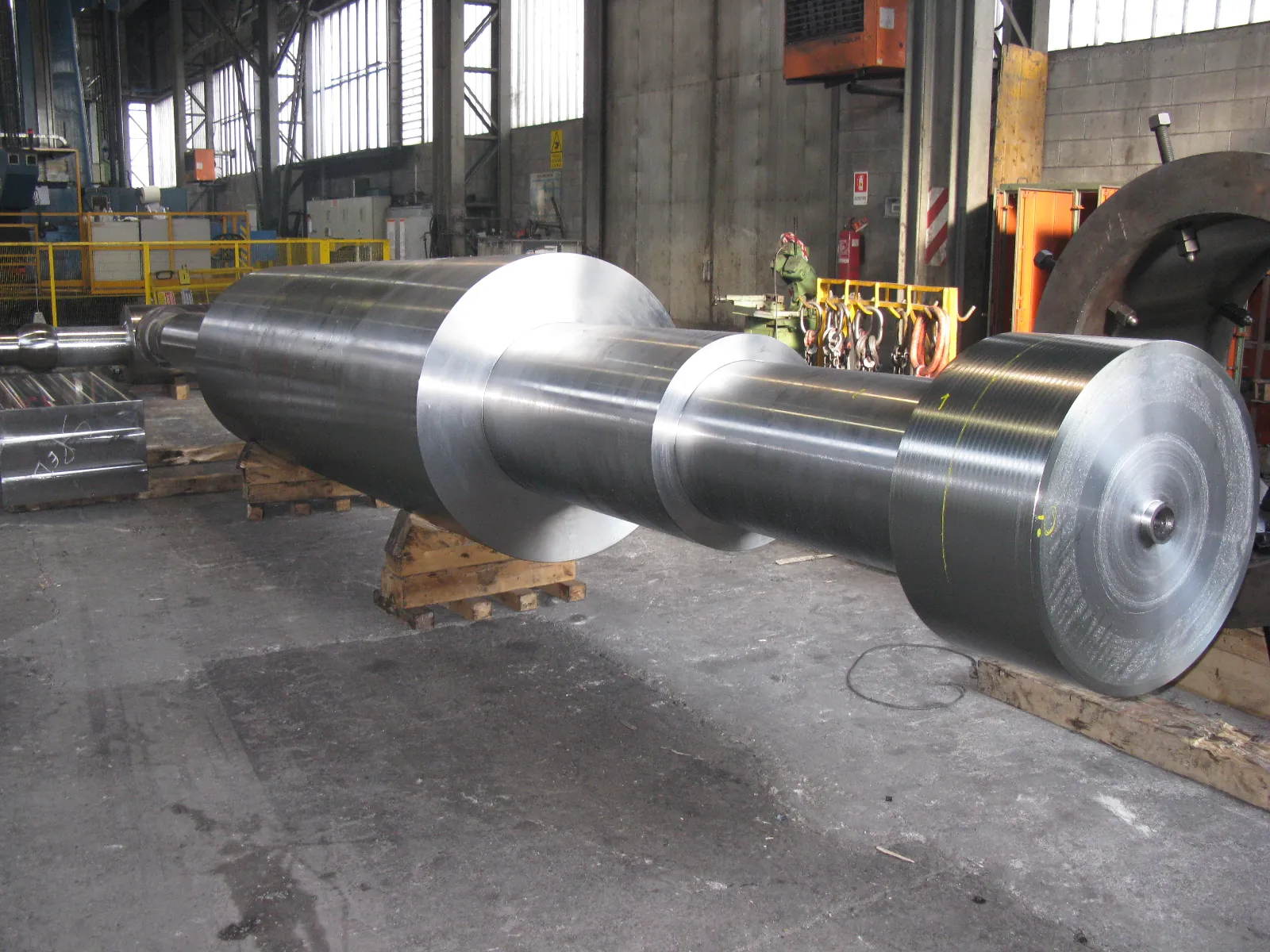
Drive shafts, crankshafts, and gear shafts in mechanical engineering
Parts for low operating temperatures
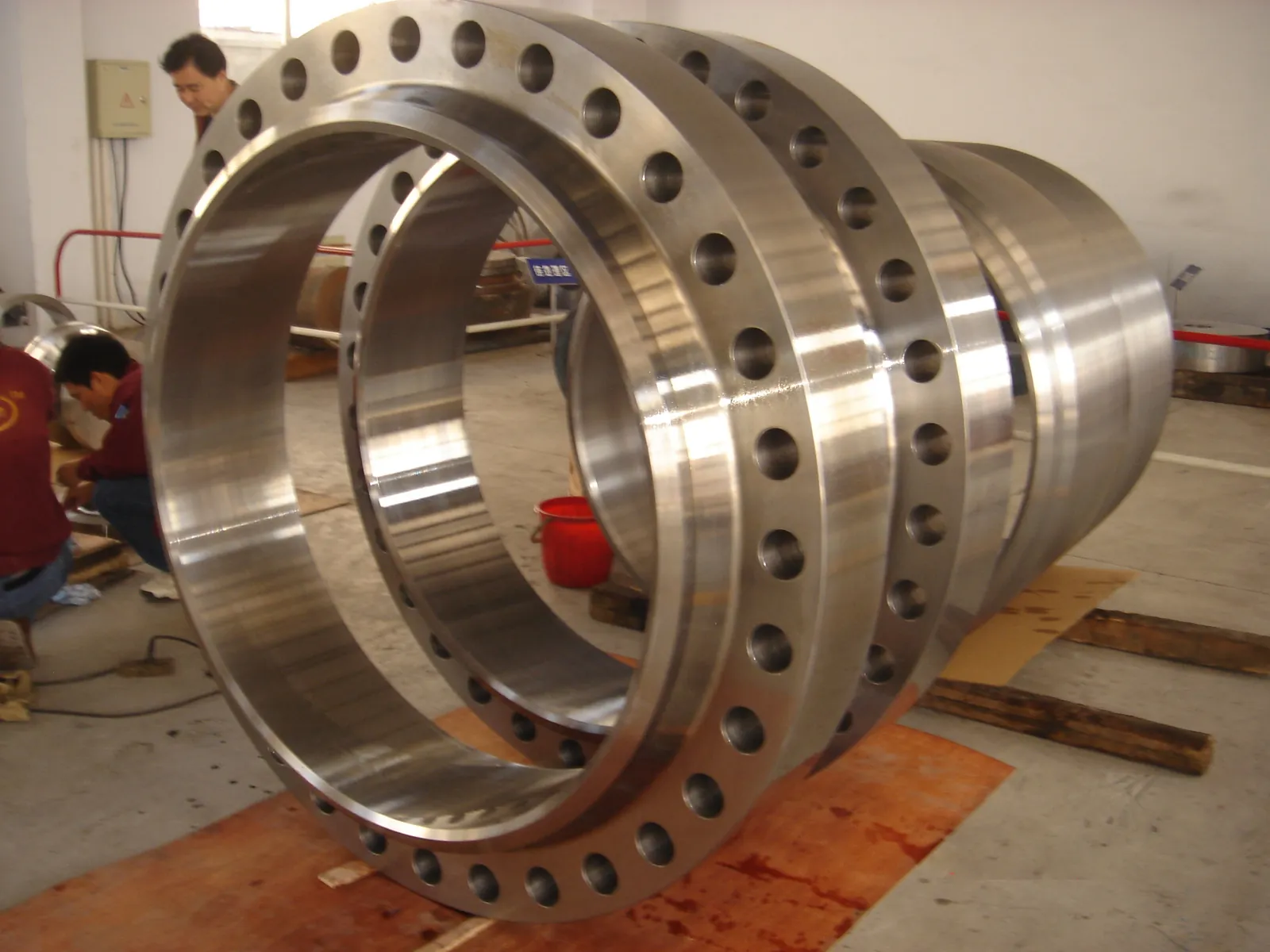
Flanges, nozzles, and shell rings for pressure vessels and boilers
Bearing rings and rollers
Components for cranes, lifting equipment, and shipbuilding
Forging dies and blocks for hot forming and injection molding
Turbine and generator parts for the energy sector
Our approach
From inquiry to delivery
Inquiry & specification
You specify the grade as a material number, DIN, or EN name, along with the standard, dimensions, and desired condition. If an old DIN designation is on your drawing, we will find the current equivalent for you.
Forging with press or hammer
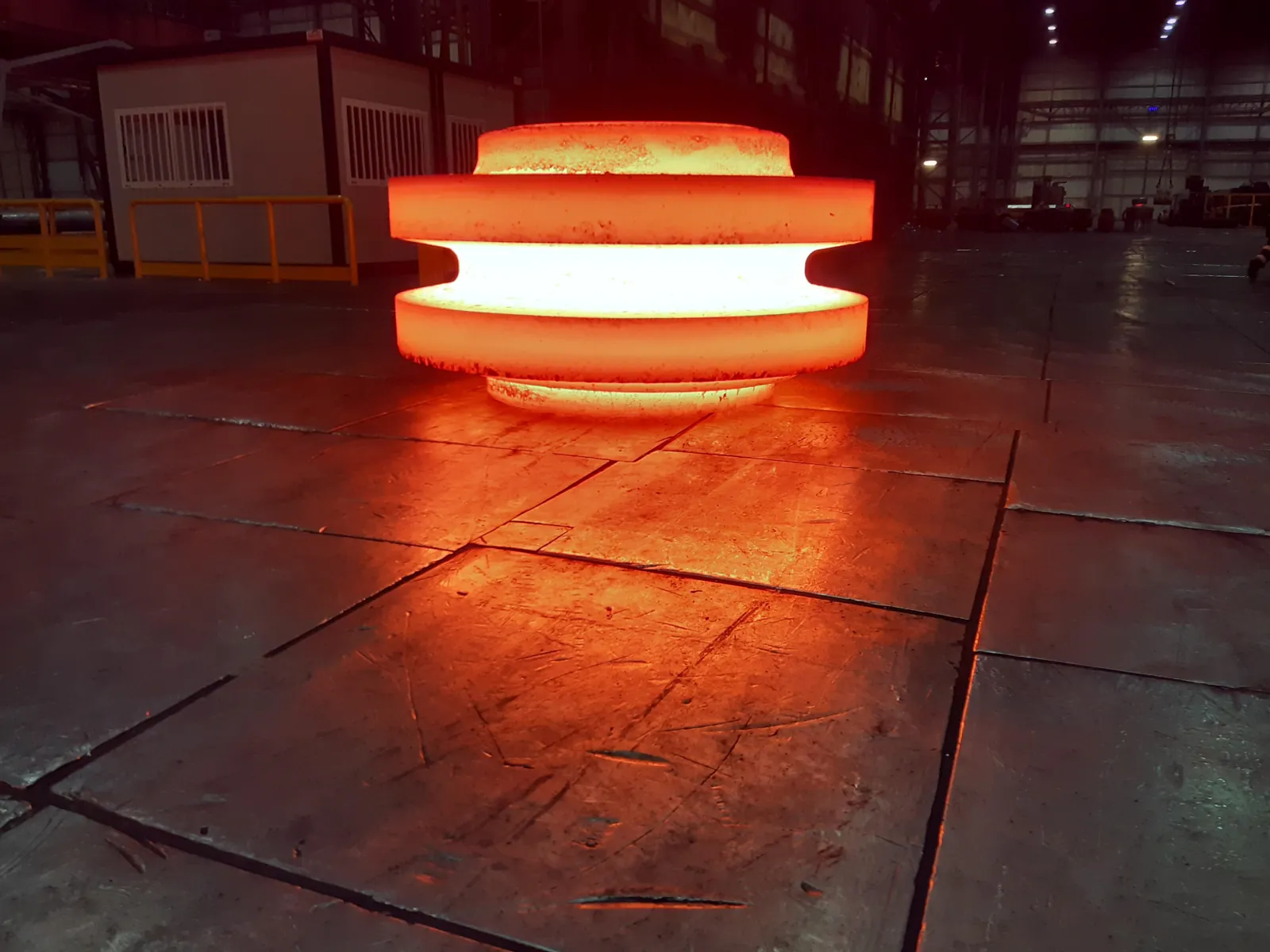
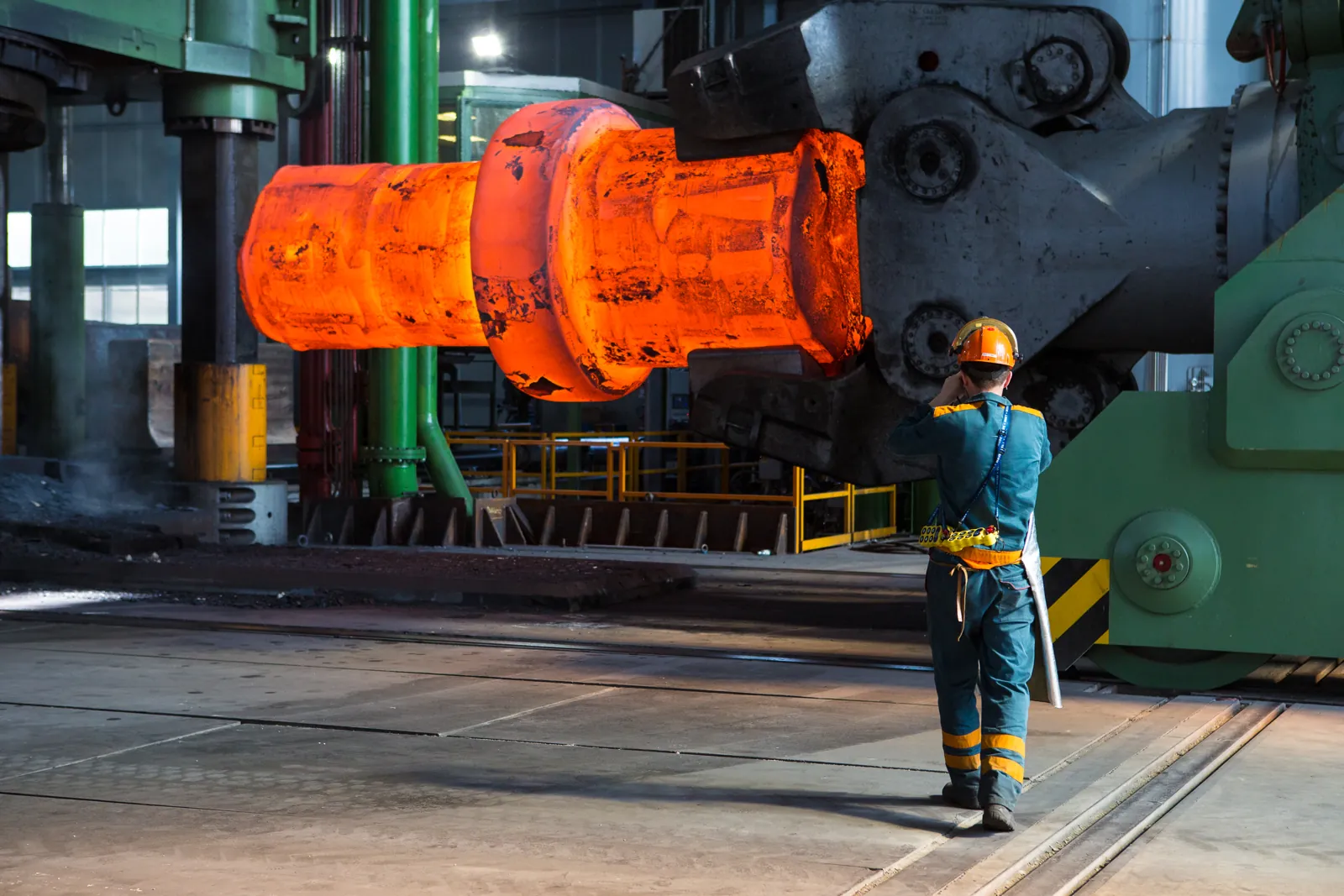
Depending on weight and cross-section, your piece is forged under the press or the hammer. We tailor the heat treatment, such as normalizing or quenching and tempering, to the required mechanical values.
Quality control & delivery
Forging is followed by testing and, for pre-turned parts, at least ultrasonic inspection. You receive the parts rough forged, pre-turned, or completely machined, with the agreed certificate.
Quality
Certification and quality assurance
For forgings of carbon steel and alloy steel, we agree on the requirements for strength, impact value, and hardness before production starts. Each piece is traceable via the heat number and receives an EN 10204 certificate of type 3.1, or 3.2 after inspection by an independent inspector. You can find more about our working method on the quality assurance page.
Available
Carbon steel and alloy steel available as
You can purchase these steel types from us in the following product forms, as single pieces or small series:
Frequently asked questions
Frequently asked questions about carbon steel and alloy steel
What is the difference between carbon steel and alloy steel?
The difference lies in the alloying elements. Carbon steel contains primarily carbon and small amounts of manganese and silicon in addition to iron. Alloy steel has elements such as chromium, nickel, molybdenum, or vanadium intentionally added. As a result, it has better hardenability, is tougher, or is better resistant to high temperatures. For large forgings with a thick cross-section, alloy steel is often necessary to achieve sufficient strength in the core as well.
What do material number, DIN name, and EN designation mean?
They are three ways to designate the same steel. The material number, such as 1.7225, is a numerical code. The DIN name, for example 42CrMo4, describes the composition. The EN designation follows current European standards; for structural and pressure vessel steel, it refers to the use, such as S355 or P265GH. Any of these designations may appear on your drawing; we recognize all three.
Why is there no new designation for every grade?
Not every old DIN grade has a direct successor in the European standards. For many quenched and tempered and tool steels, the name has remained the same, such as with 42CrMo4 or 100Cr6. Other names, such as StE 285, have been discontinued without a one-to-one replacement. In that case, we compare composition and mechanical requirements and propose a suitable current grade.
What is quenched and tempered steel?
Quenched and tempered steel is steel that is hardened and tempered after forging. This heat treatment provides a combination of high strength and good toughness. Well-known examples in our list are C45E, 42CrMo4, 34CrNiMo6, and 30CrNiMo8. The standard EN 10083 describes these steel types. They are widely used for shafts, gears, and other dynamically loaded machine parts.
Which steel types are suitable for pressure equipment?
For pressure equipment, pressure vessel steels are used, recognizable by the P in the name. Examples are P265GH and P355NH for elevated temperatures, P355NL1 for low temperatures, and the molybdenum steel 16Mo3. Forged parts for pressure equipment fall under EN 10222. This usually includes a 3.1 or 3.2 certificate, with impact values at the design temperature.
What does the E in C45E mean?
The E stands for a limited sulfur content in the European designation. C45E (1.1191) is the successor to Ck 45 and has a maximum of 0.035% sulfur, compared to 0.045% for C45 (1.0503). A lower sulfur content makes the steel purer and tougher, and gives a more uniform result during hardening. Therefore, the E-variant is often prescribed for forged machine parts.
Do you also supply tool steel?
Yes, our program also includes tool steel for hot and cold work. Examples are 1.2343 and 1.2344 for dies and injection molds, 1.2714 for forging dies, and 1.2379 for cutting and punching tools. These grades are typically supplied soft annealed so that you can machine them easily. Hardening usually only takes place after machining.
What heat treatment does an alloy steel forging receive?
That depends on the grade and the required properties. Structural and pressure vessel steel is usually supplied normalized. Quenched and tempered steel such as 42CrMo4 is hardened and tempered to the required strength class. Tool steel usually comes soft annealed. We establish the required condition in advance so that the mechanical values on the certificate match your design.
Why is the cross-section important when choosing the grade?
During hardening, the core of a thick piece cools more slowly than the outside. As a result, non-alloy steel does not achieve the same strength everywhere in large cross-sections. The through-hardening improves with alloying elements such as chromium, nickel, and molybdenum. That is why 34CrNiMo6 or 30CrNiMo8 is often chosen for heavy shafts instead of 42CrMo4. EN 10083 provides the achievable minimum values per diameter.
How quickly can you deliver carbon steel?
That depends on the grade, weight, and machining. Common grades such as S355, C45E, and 42CrMo4 are usually available faster than special grades, for which a heat must first be cast. Heat treatment and testing also factor into the lead time. After your request, we plan the production so that the quote states a feasible delivery date.
Related grades
Grade not found?
Send us the desired grade, standard, and certification. We will quickly let you know what is possible.