
Titanium Alloys
Pure titanium and titanium alloys for lightweight, corrosion-resistant applications.
Grades
Titanium Alloys
Here you will find a list of the materials we can provide. If your material is not listed, please contact us.
About Titanium Alloys
What are titanium alloys?
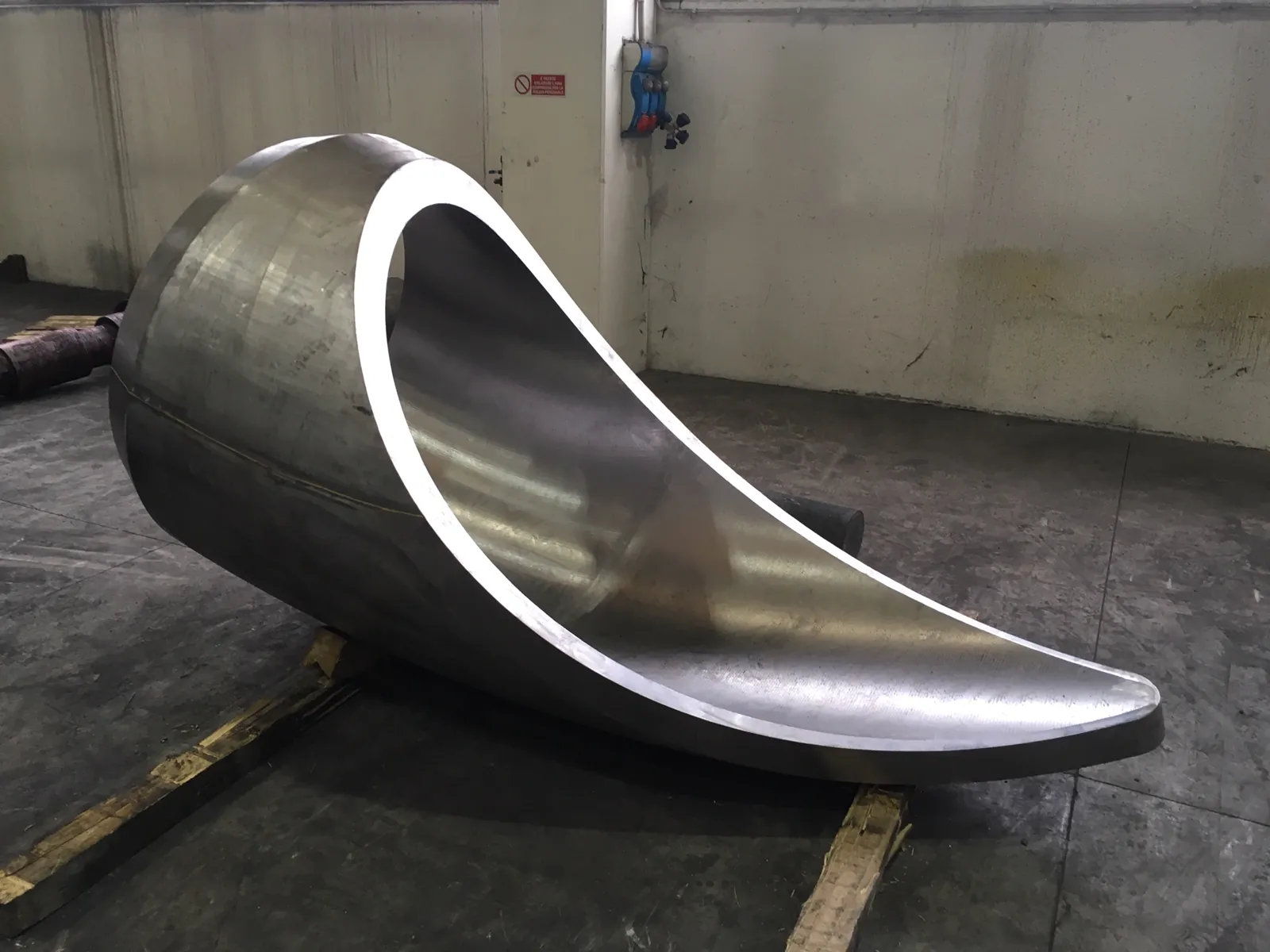
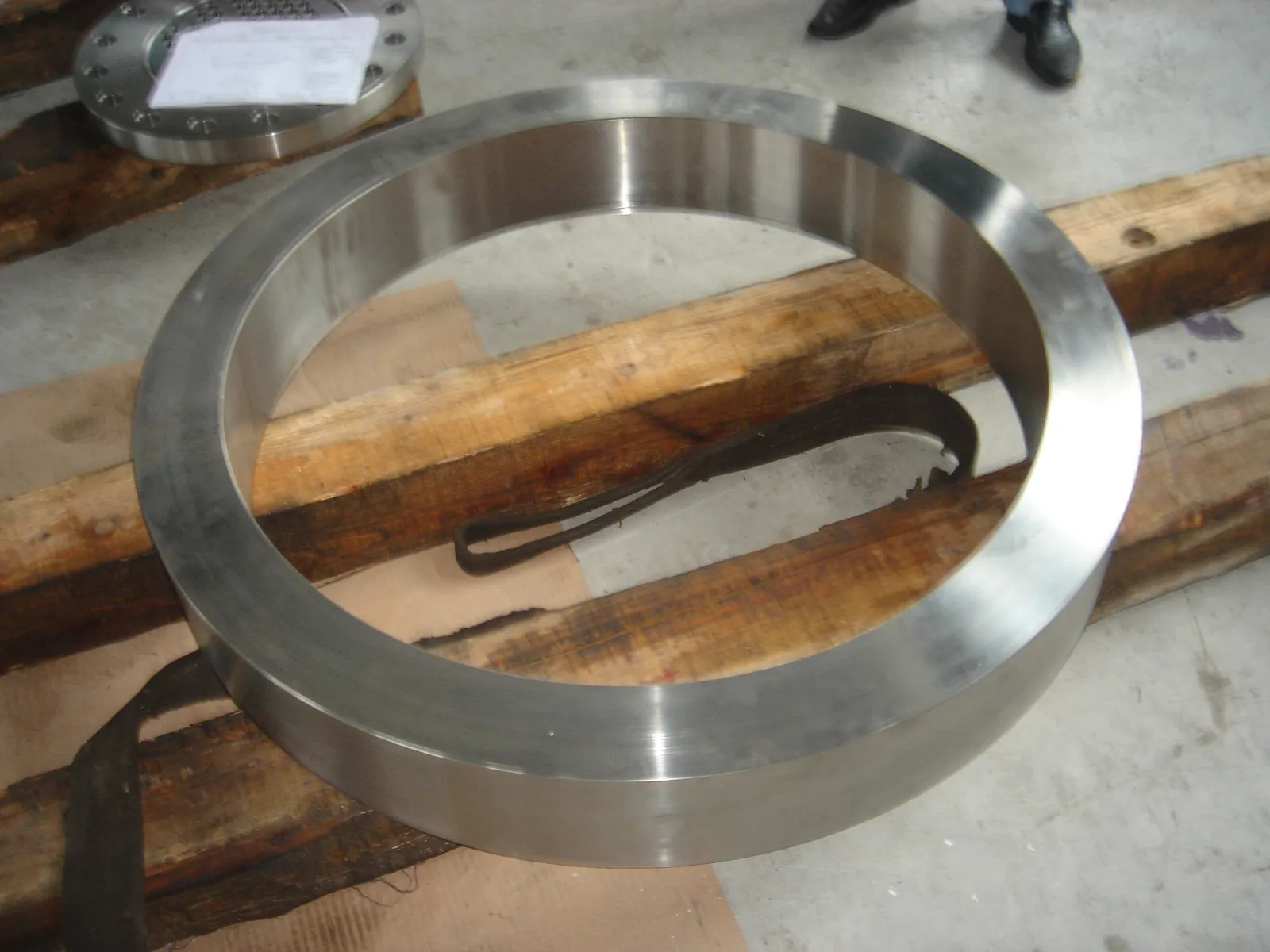
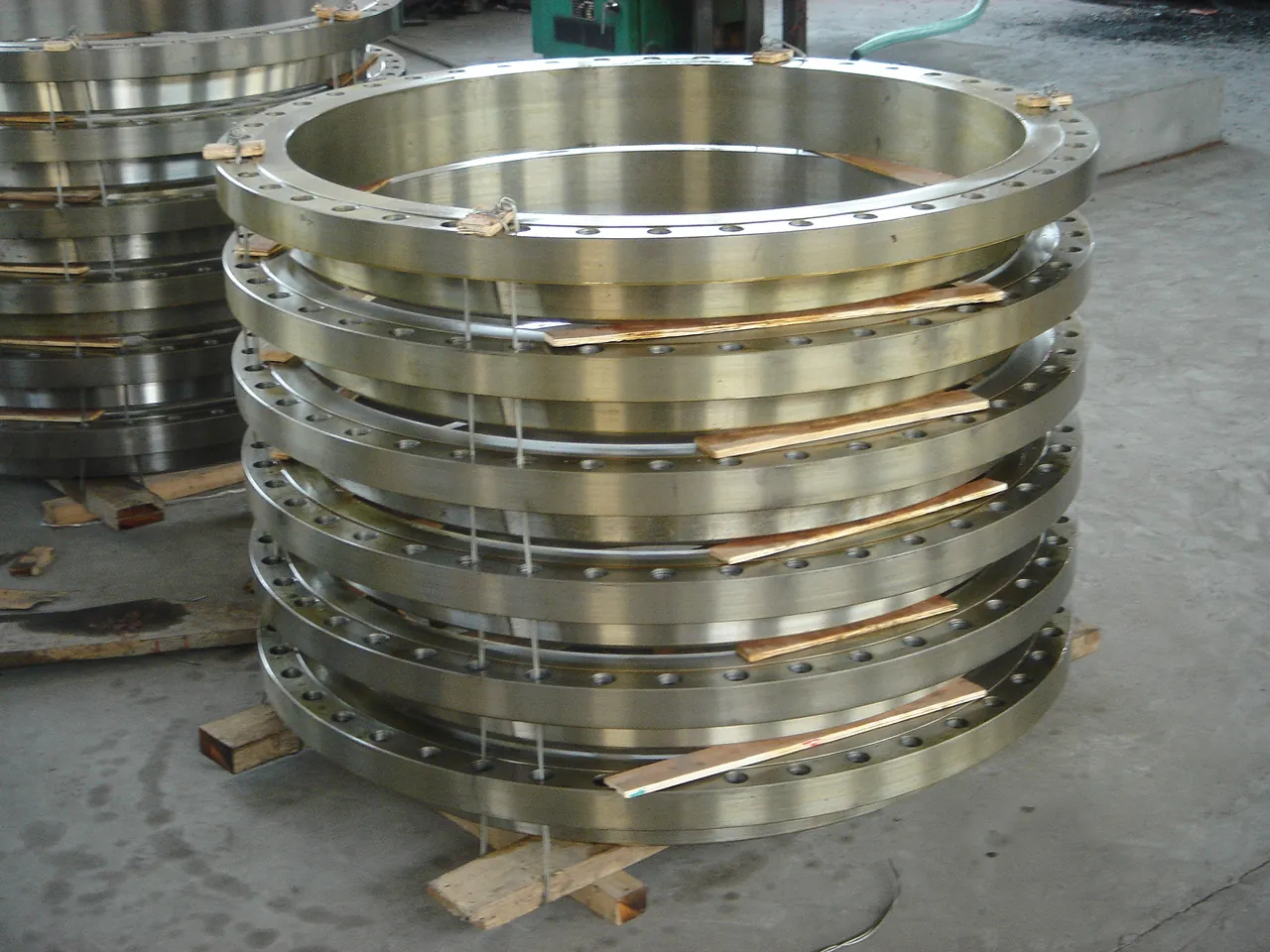
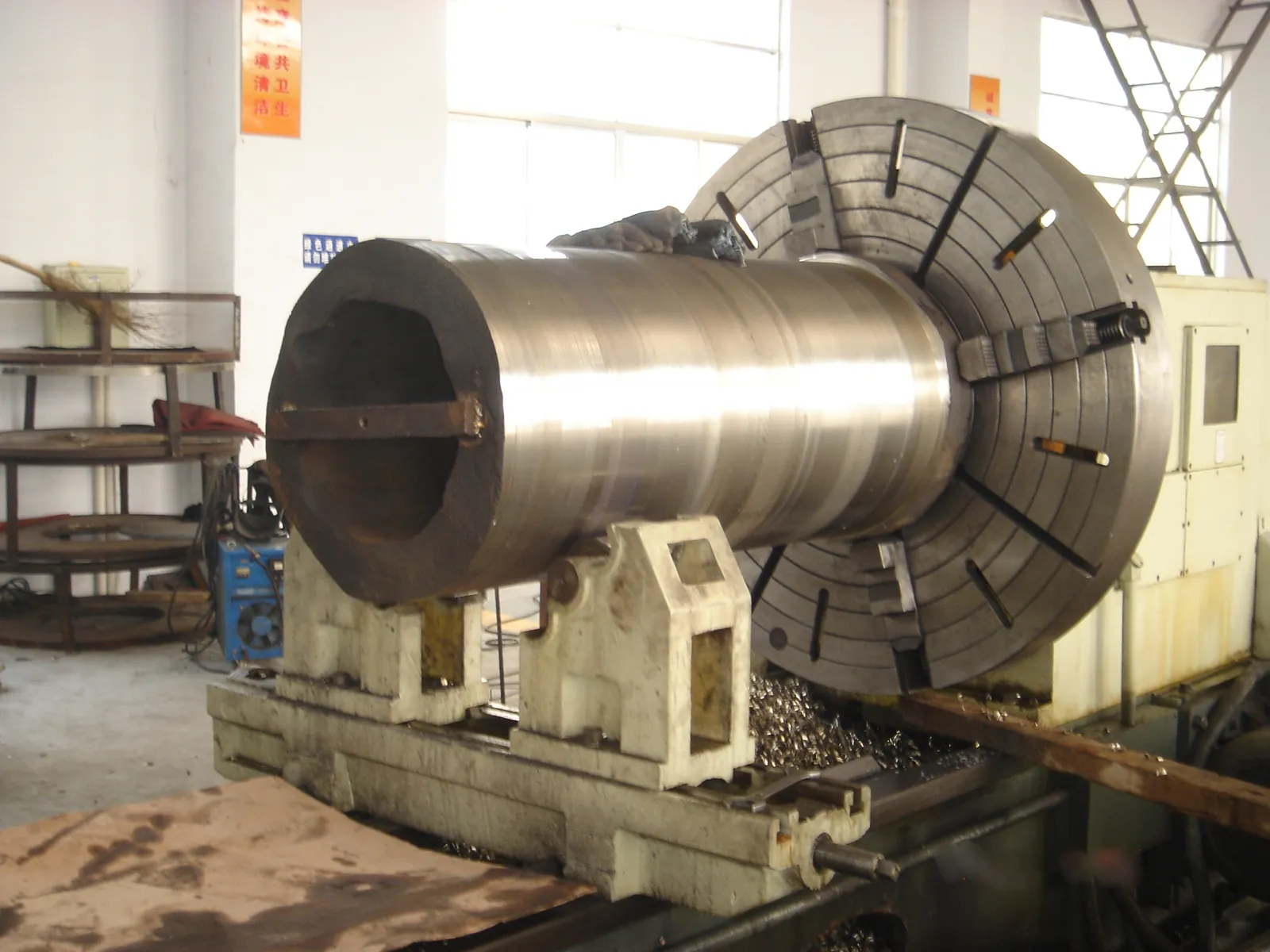
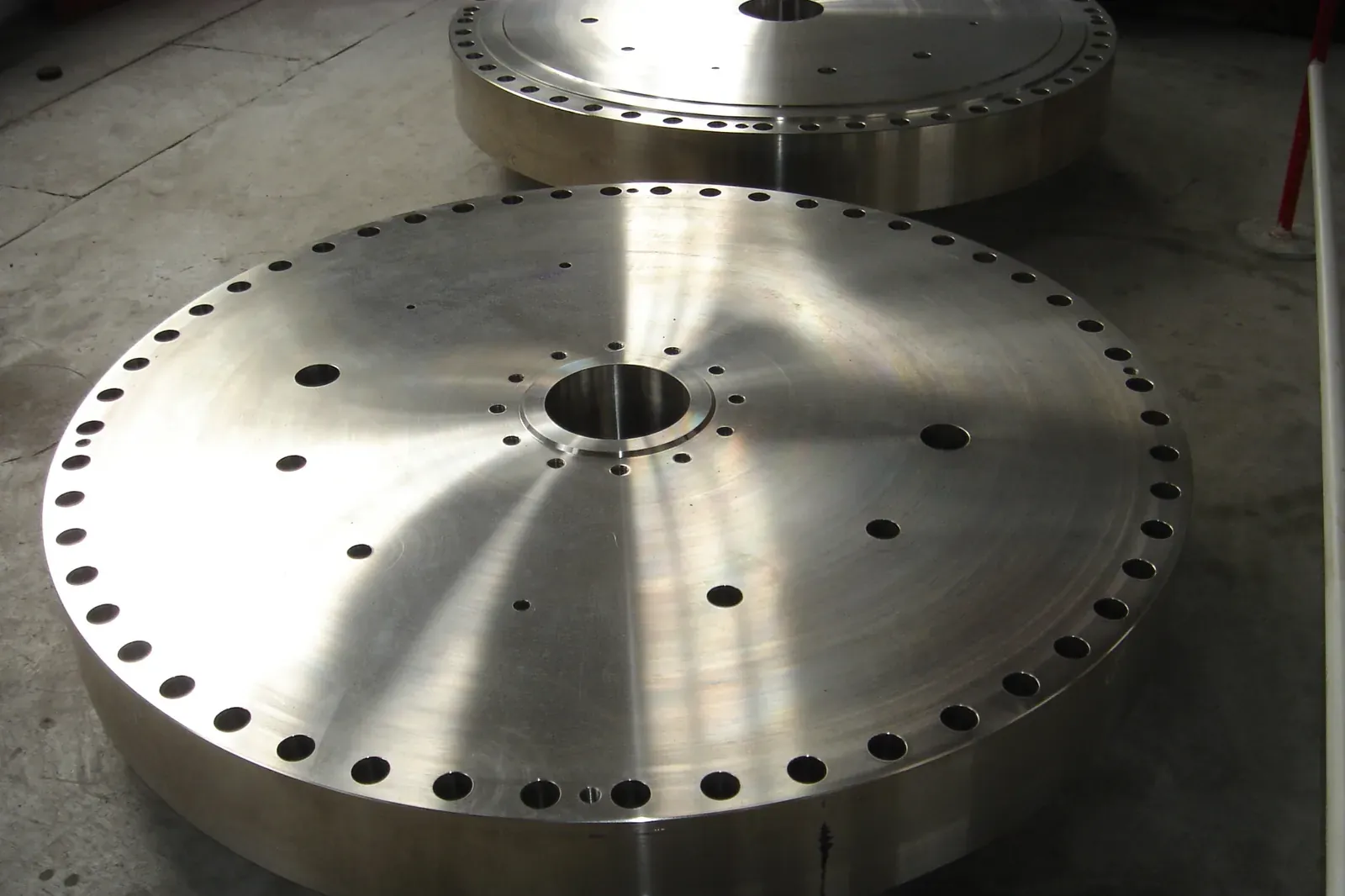
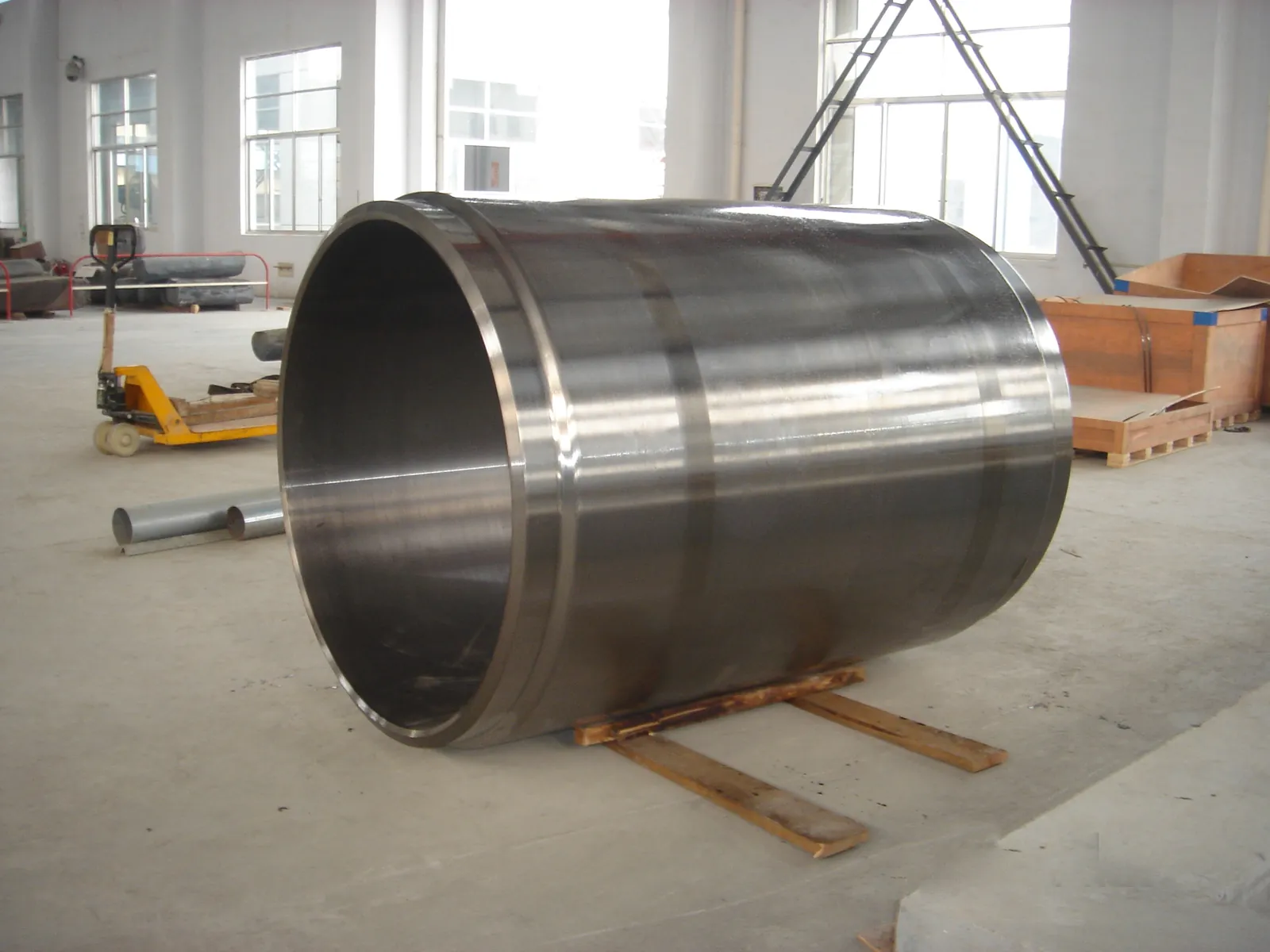
Titanium alloys, also called Ti alloys, are titanium-based materials chosen for their combination of low density, high strength, and excellent corrosion resistance. Within titanium forgings, we distinguish between pure titanium, lightly alloyed grades with, for example, palladium, and high-strength alloys such as TiAl6V4. Metal Service Europe supplies these grades as forged parts, rings, discs, or machined components.
The F designations in the table come from ASTM B381, the American specification for forged titanium and titanium alloy parts. Grades F1 through F4 are unalloyed titanium. Grade F5 is the alloy with 6% aluminum and 4% vanadium, internationally known as Ti-6Al-4V and in Europe as TiAl6V4. Grades F7 and F11 contain a small addition of palladium, and F12 is alloyed with molybdenum and nickel.
Titanium is primarily used where steel and stainless steel fall short: in seawater and chloride-containing media, in the chemical process industry, in aviation, and in constructions where weight is critical. Forging titanium requires precise temperature control, which makes the forging process particularly demanding.
Pure titanium, Grades F1 through F4, for corrosion-resistant applications
TiAl6V4 (Grade F5) for highly stressed, lightweight structures
Palladium-containing grades F7 and F11 for reducing acids
Forged according to ASTM B381, AMS, or customer specification
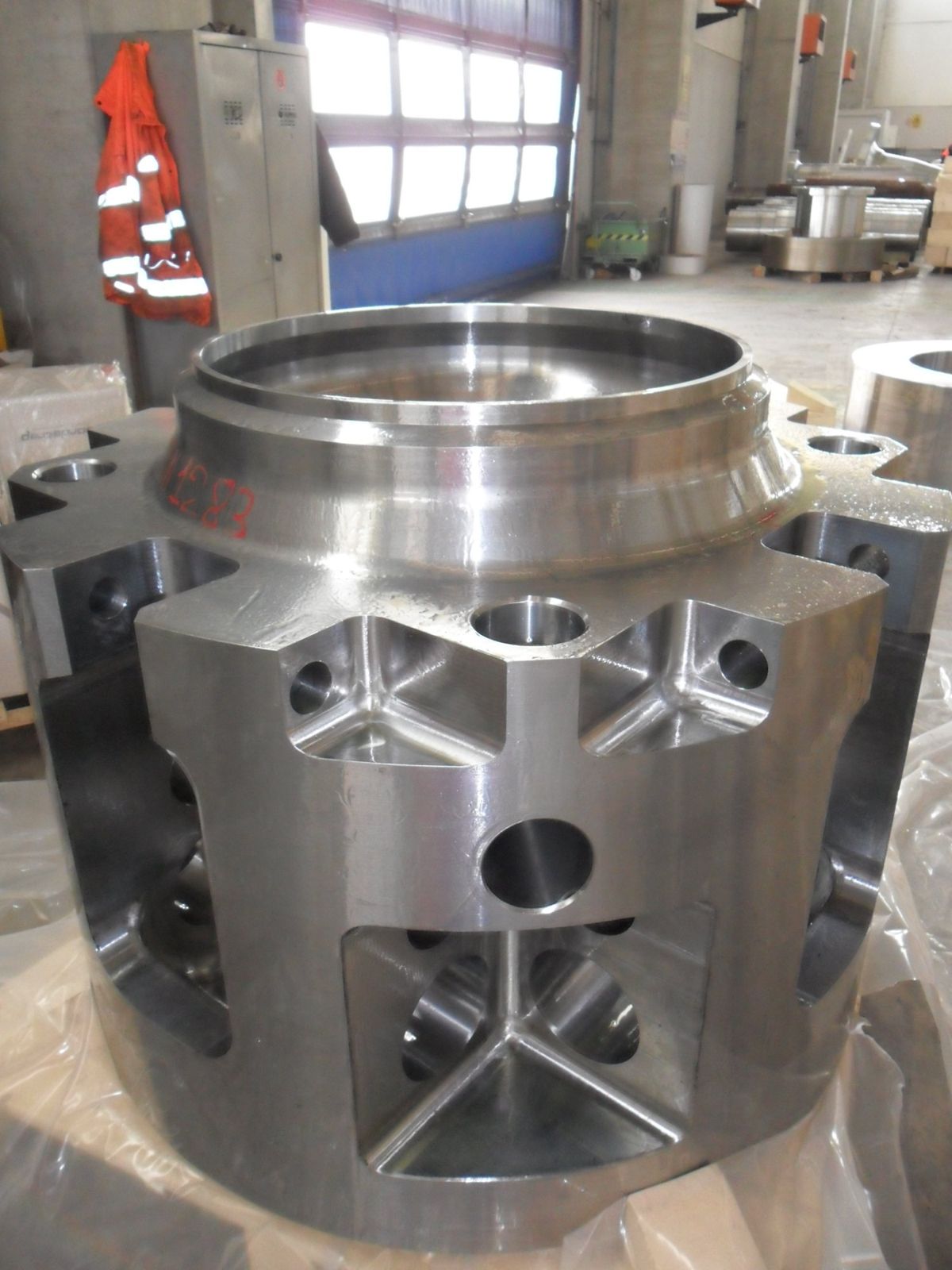
As a forged part, ring, disc, or completely machined component
Applications
Applications of Titanium Alloys
Valves and flanges for acidic process media in chemistry
Components for desalination plants
Lightweight, highly stressed aerospace parts in TiAl6V4
Offshore and shipbuilding parts continuously exposed to seawater
Tube sheets and components for heat exchangers and condensers with seawater cooling
Reactor vessels and evaporators in the chemical process industry
Our Approach
From Inquiry to Delivery
Inquiry & Specification
You specify the grade, for example F2 or F5, with standard, dimensions, and finish. We check if the drawing, standard edition, and required inspections are aligned.
Forging Titanium
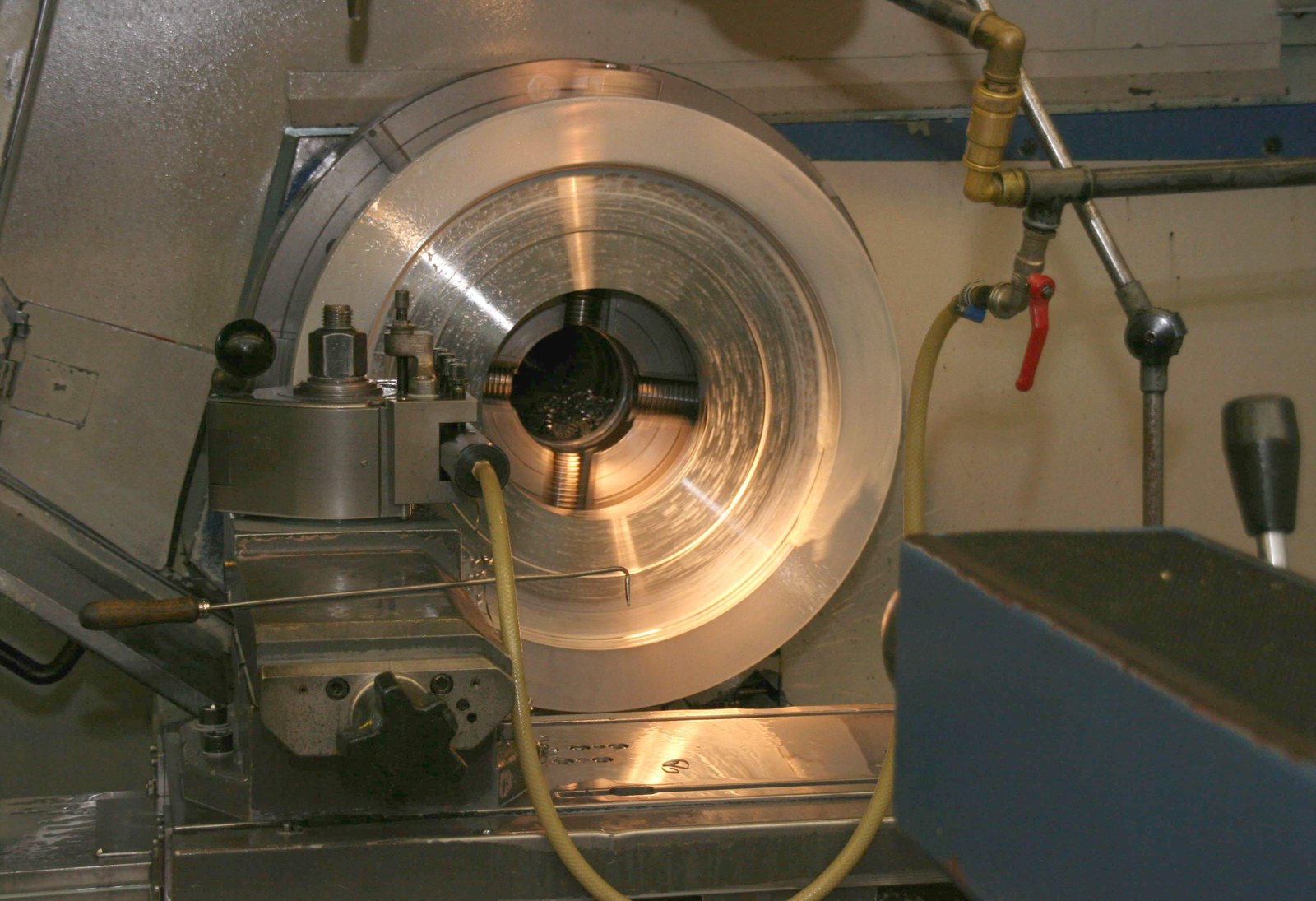
Titanium tolerates little deviation in the process. Therefore, we agree on the forging temperature, annealing treatment, and machining allowance in advance.
Quality Control & Delivery
Each titanium piece is individually marked and tested before shipment. You receive it rough, pre-machined, or fully machined, with documentation that matches your procurement specification.
Quality
Certification and Quality Assurance
For titanium forgings, traceability begins with the melt number: each piece undergoes its own testing and can be traced back to that melt. Pre-machined parts undergo ultrasonic testing. If you require inspection by an independent party, such as TÜV, DNV, or Bureau Veritas, we will schedule it. You can read how we inspect and document on our page about quality assurance.
Available
Titanium Alloys Available as
We supply titanium forgings starting from a single piece, in these product forms:
Frequently Asked Questions
Frequently Asked Questions about Titanium Alloys
Is titaan the same as titanium?
Yes, titaan and titanium are two names for the same metal, with the chemical symbol Ti. Titaan is the Dutch name; titanium is the international name, which is also widely used in the Netherlands. Therefore, you will encounter both 'titaanlegering' and 'titaniumlegering' (titanium alloy). On drawings and certificates, the material is usually listed as a grade or as a material number, for example, 3.7035 for Grade F2.
What is the difference between titanium Grade 2 and Grade 5?
Grade 2 is commercially pure titanium without intentionally added alloying elements: highly formable, very corrosion-resistant, and therefore widely used in the chemical industry and in seawater. Grade 5 is the Ti-6Al-4V alloy with aluminum and vanadium, which has significantly higher strength. The choice depends on what is more important: corrosion resistance and formability, or strength at a low weight.
What does Grade F5 mean?
Grade F5 is the designation in ASTM B381 for forged parts made from Ti-6Al-4V, with UNS number R56400. In Europe, this alloy is called TiAl6V4; our table lists material numbers 3.7164 and 3.7165 for it. The F-series is specific to forgings. For bar, plate, and tube, other ASTM standards apply, with the designation Grade 5 without F.
What is Ti-6Al-4V ELI (Grade 23)?
Ti-6Al-4V ELI, also Grade 23 or UNS R56407, is a purer variant of Grade 5 with lower maximums for oxygen, iron, and carbon. ELI stands for extra low interstitial. This makes the material slightly less strong but tougher and more formable, even at low temperatures. For forged parts, it is called F23 in ASTM B381. If F23 is on your specification, we will source that grade for you.
Why do Grades F7 and F11 contain palladium?
Palladium improves the resistance of titanium in reducing acids such as hydrochloric acid and sulfuric acid, where unalloyed titanium can be attacked. Grades F7 and F11 therefore contain a small amount of palladium, while their mechanical properties remain close to those of pure titanium. They are used in the chemical process industry, for example, for valves, flanges, and components in acidic media.
How much lighter is titanium than steel?
Titanium is more than 40% lighter than steel. The density of pure titanium (Grade 2) is around 4.51 g/cm³, and that of Ti-6Al-4V is around 4.43 g/cm³, compared to approximately 7.85 g/cm³ for steel. Because Grade 5 also has high strength, the strength-to-weight ratio is favorable. However, compare by grade: pure titanium is lighter than steel, but also significantly less strong than Grade 5.
Which standards apply to titanium forgings?
Forged parts usually require ASTM B381, or for pressure equipment, its ASME counterpart SB-381. This standard specifies the chemical composition and mechanical requirements for each grade. In aviation, AMS specifications often apply. Additionally, European material numbers exist, such as 3.7035 for Grade F2. We supply according to the standard and edition you specify.
Is titanium easy to machine and weld?
Yes, provided the workshop takes into account the properties of titanium. Due to its low thermal conductivity, heat remains at the cutting edge; therefore, low cutting speeds, sharp positive tools, and plenty of coolant are used. When welding, the weld pool, heat-affected zone, and cooling seam must be under argon or helium. Above approximately 500 °C, titanium absorbs oxygen, nitrogen, and hydrogen, making it brittle.
What certificates and tests are possible for titanium?
Titanium forgings come with a certificate according to EN 10204 (3.1 or 3.2), including chemical analysis with elements such as oxygen and hydrogen, and mechanical values. These dissolved elements, in particular, affect the strength and toughness of titanium, so they must be on the certificate. Additionally, penetrant testing, PMI, and dimensional inspection are possible.
What is the delivery time for titanium forgings?
For titanium, the availability of the starting material can influence the delivery time, in addition to weight, dimensions, and machining. Sometimes a suitable grade and diameter are quickly available; in other cases, the material must first be produced. We check this immediately after your inquiry and provide a substantiated delivery time in the quote, so you know what to expect.
Related Grades
Grade not found?
Send us the desired grade, standard, and certification. We will quickly let you know what is possible.