
Parts to Drawing
Parts to drawing are open-die forged components, manufactured according to your drawing or sketch. From 44 lbs to 220 tons, up to 394 inches in diameter and 85 feet long.
The Right Forging, in the Right Quality
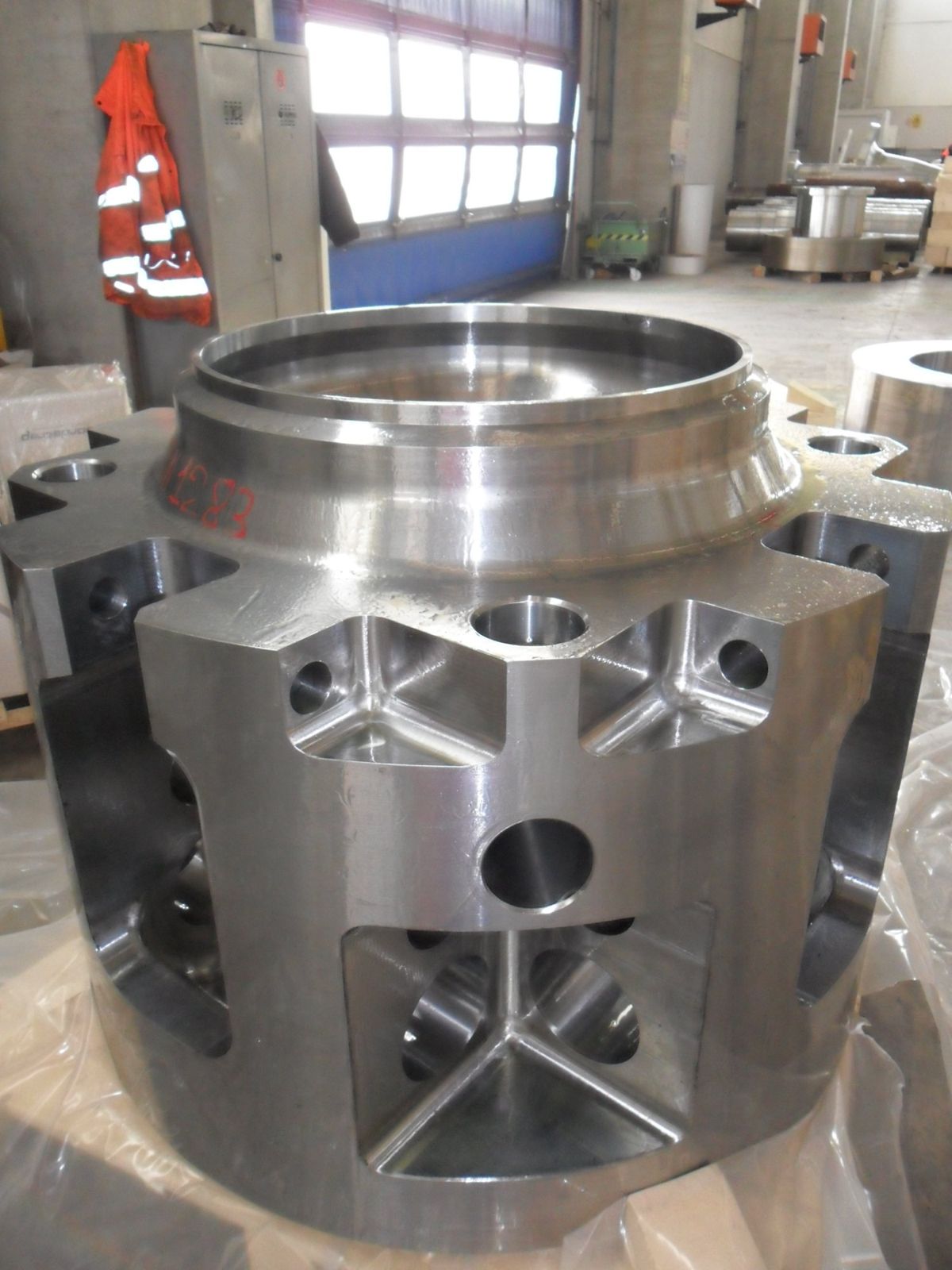
With parts to drawing, Metal Service Europe supplies custom metal components that are not off-the-shelf. These include hubs, bushings, blocks, and stepped shafts for machine builders, pump and valve manufacturers, and the offshore industry. You send us the drawing, and we deliver a forging to drawing in the requested quality, with the agreed-upon tests and the correct certificate. Single pieces or small series.
We supply open-die forged parts in almost all configurations that can be forged according to drawing or sketch. These can be delivered in virtually all qualities; if necessary, the parts can also be supplied according to (customer-specific) specifications.
Max. diameter: 394 inches.
Max. height: 110 inches.
Max. length: 85 feet.
Unit weight: from 44 lbs up to 220 tons
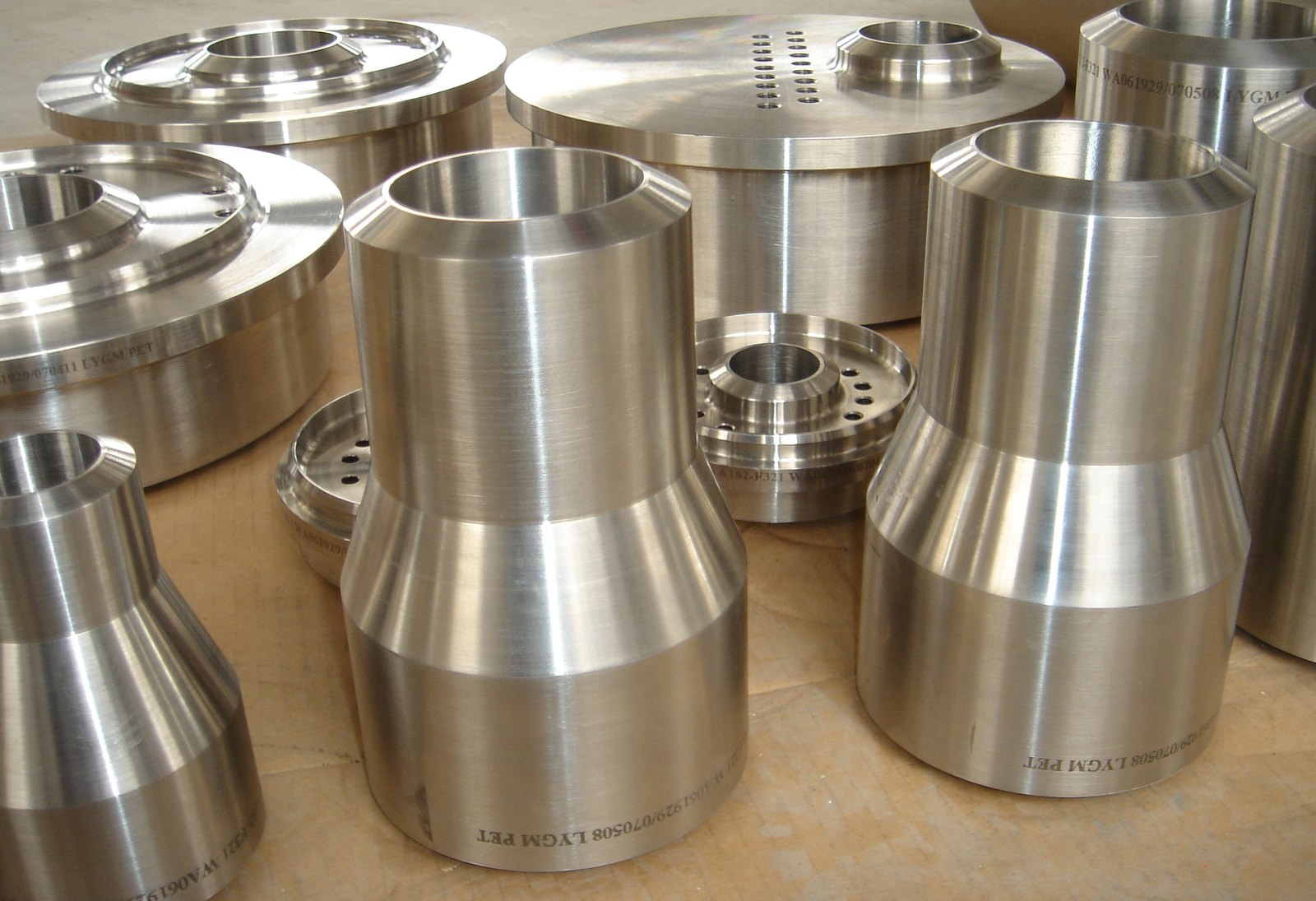
From Rough Forged to Fully Machined
Rough Forged
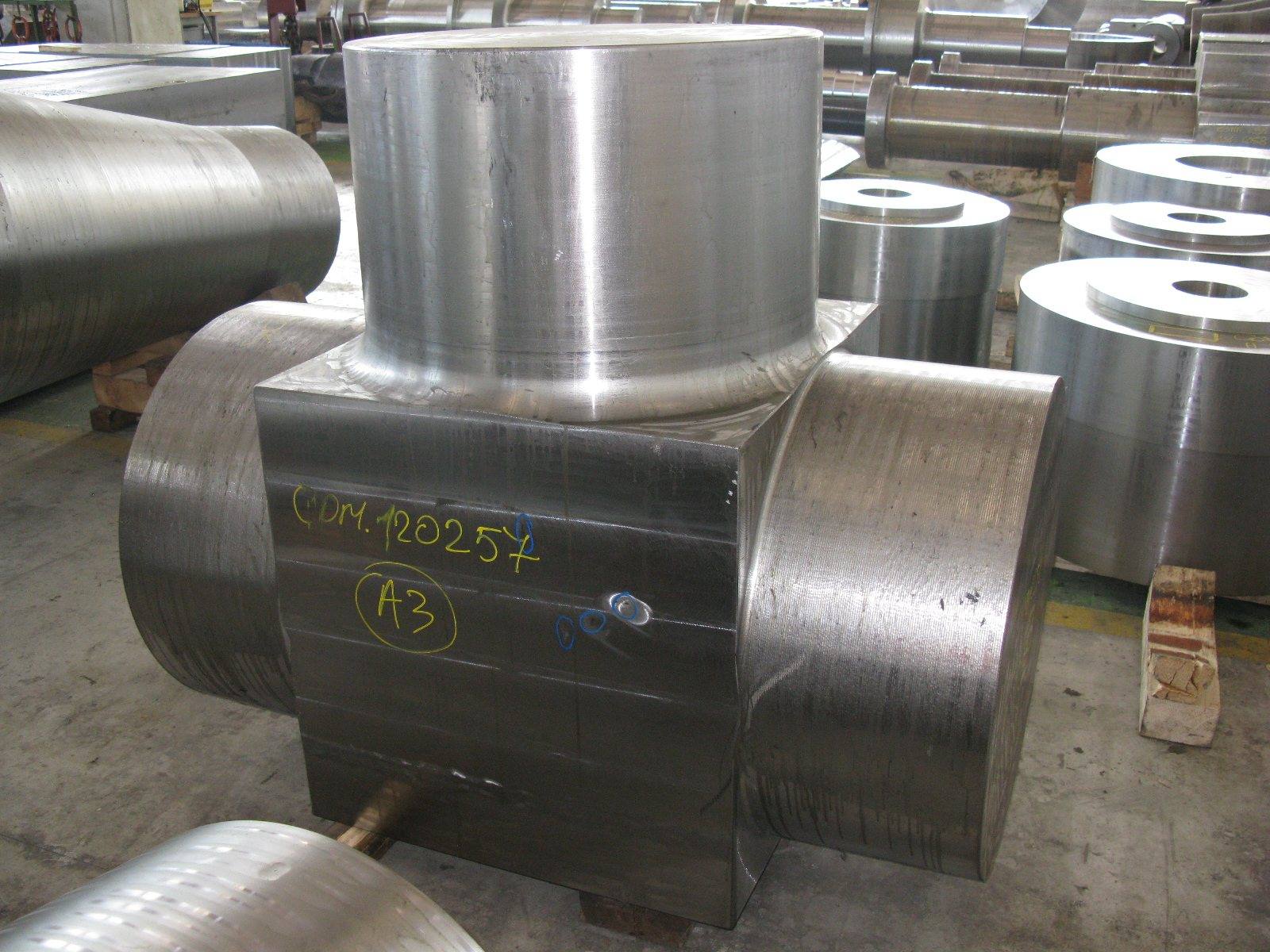
You receive the part in the forging contour: the final shape plus machining allowance, heat-treated according to the standard. Intended for customers with sufficient in-house machining capacity.
Rough Machined
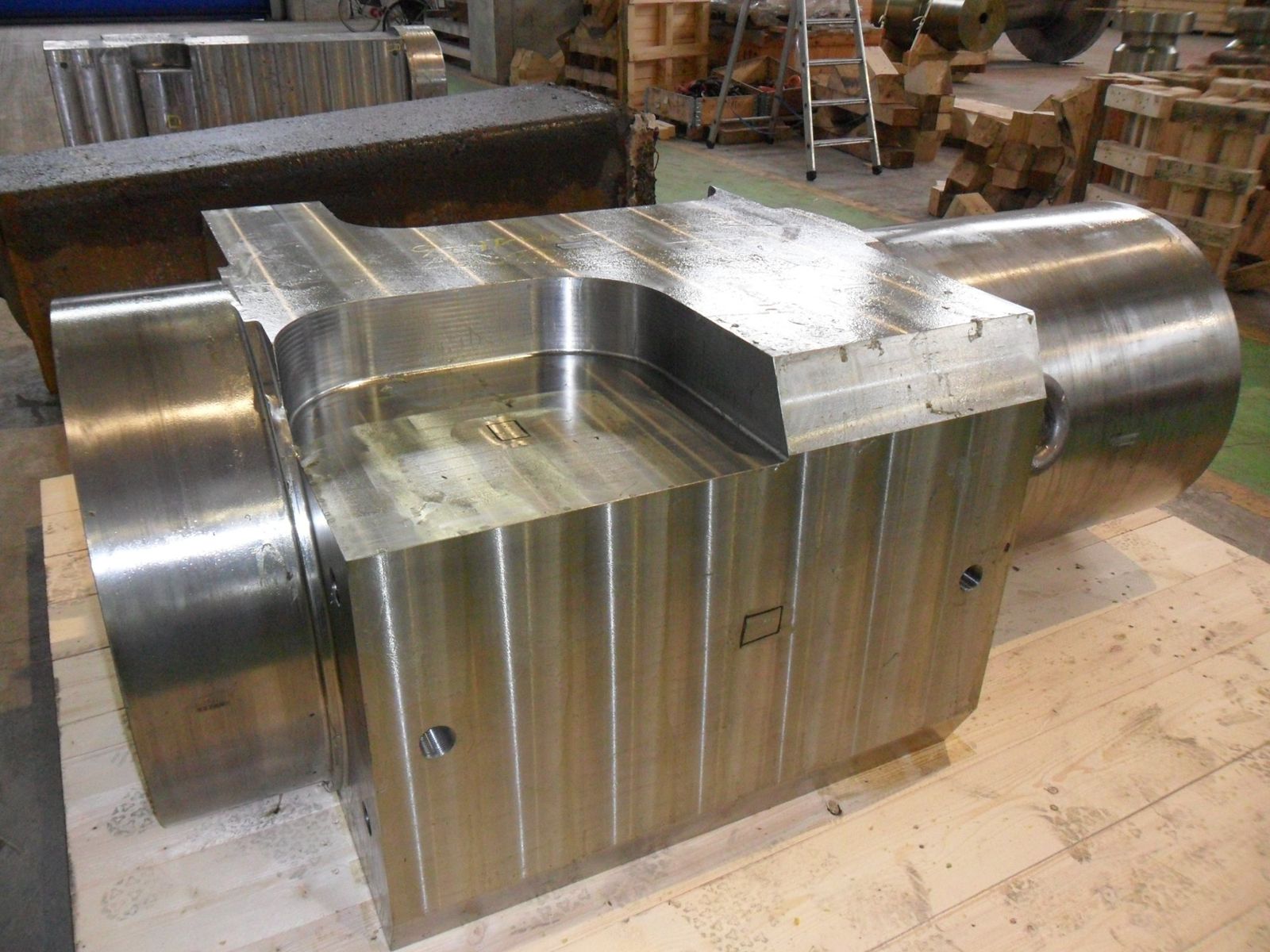
Part of the allowance has already been removed, and the surfaces are rough-machined, allowing for ultrasonic testing of the forging. You then finish it to final dimensions yourself.
Fully Machined
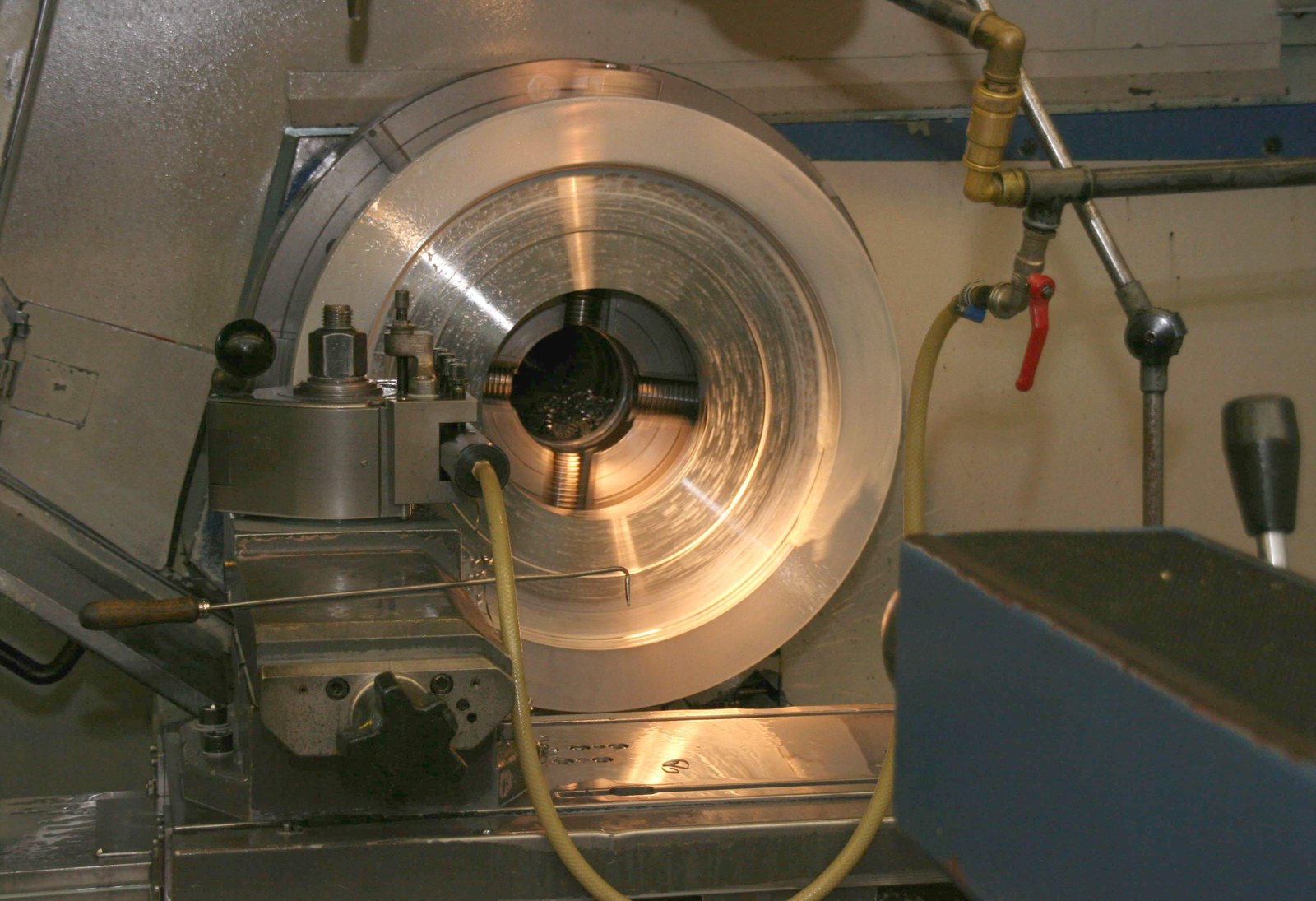
The part is fully machined to size, with all bores, grooves, and threads from your drawing. You receive a dimensionally inspected component with a certificate, ready for installation.
How a Part to Drawing is Created
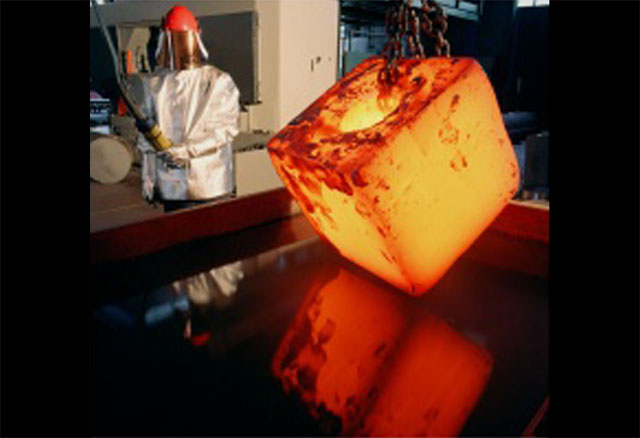
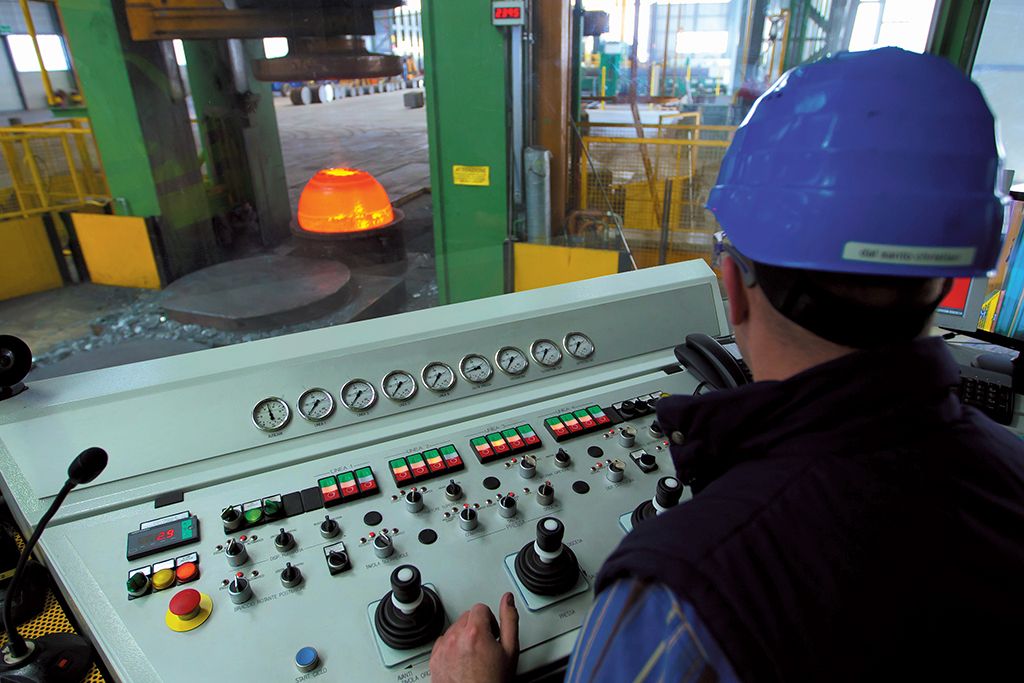
From your final drawing, we determine the forging contour and the input weight. The block is heated and progressively forged under the press into that contour, without a die. This is followed by heat treatment, removal of test pieces, and rough machining for ultrasonic inspection. Finally, if desired, the part is fully machined.
For the Most Demanding Industries
Valve Bodies and T-pieces
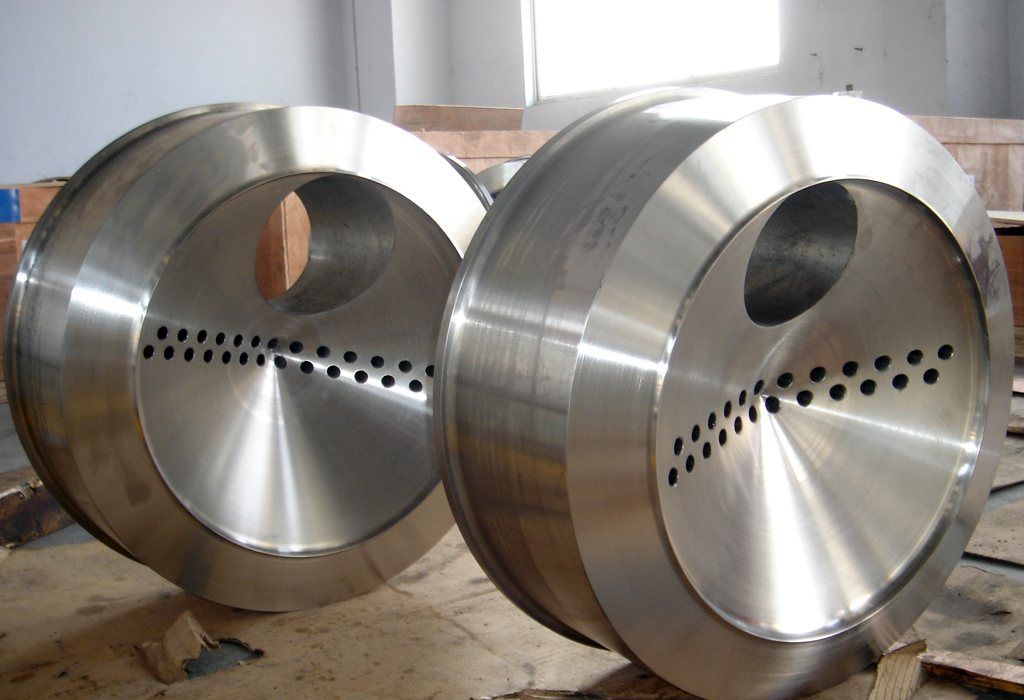
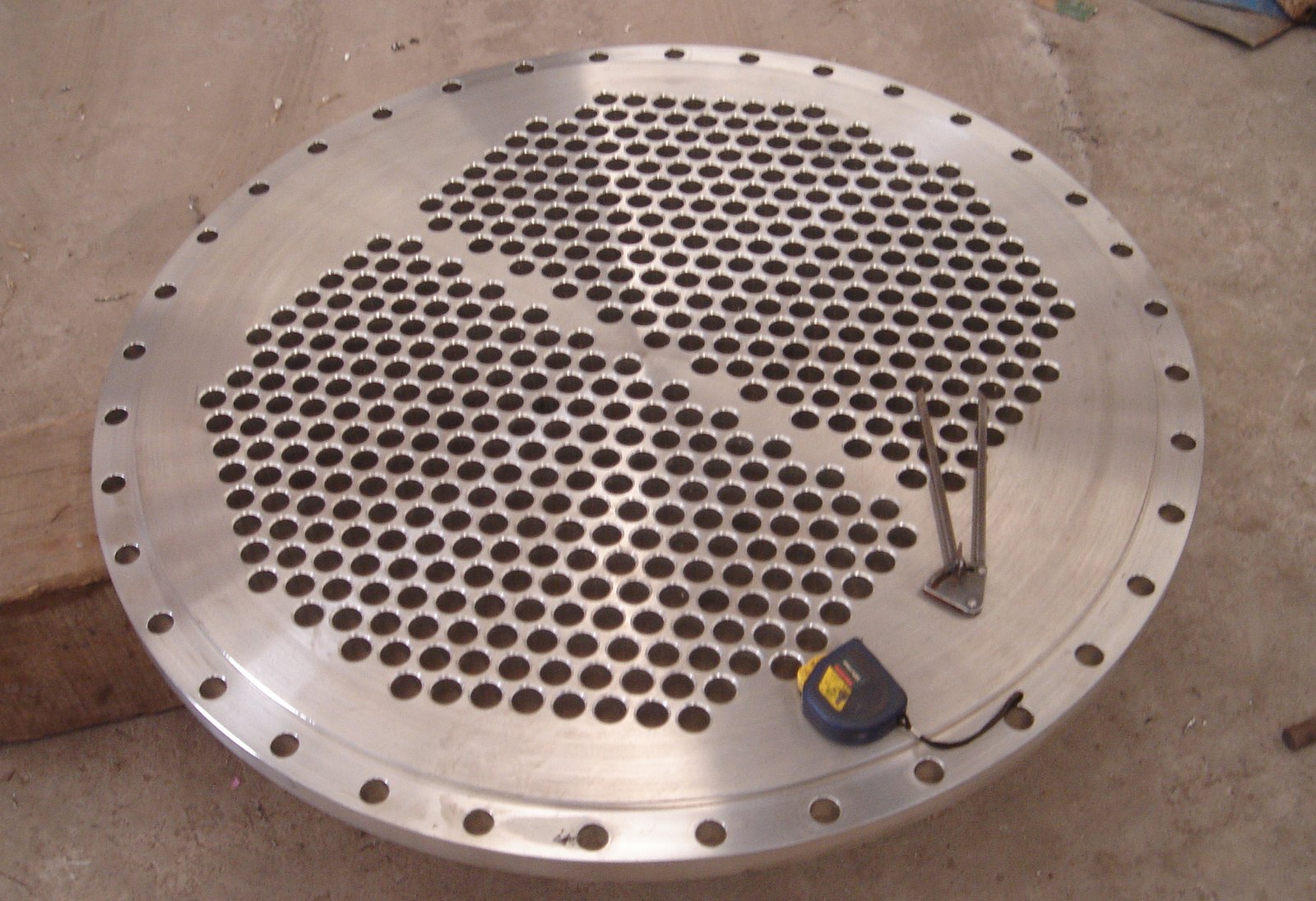
Flanges with a Non-Standard Profile
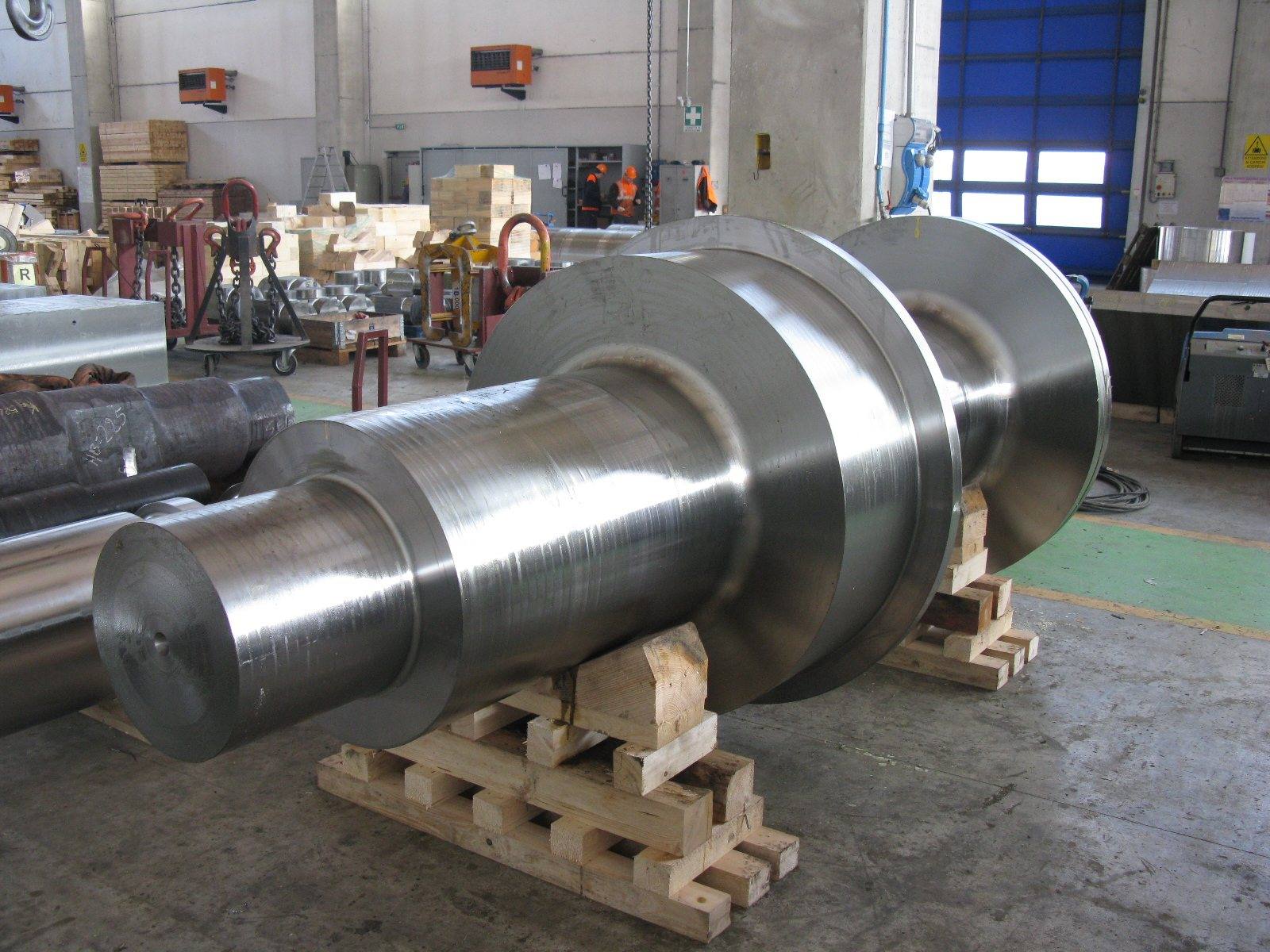
Stepped Shafts
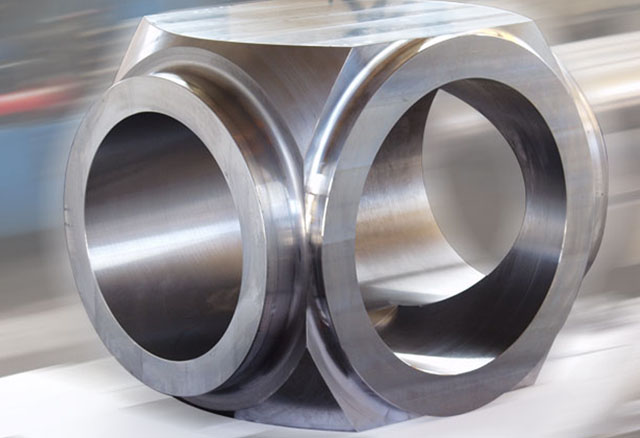
Hubs and Bushings
Collared Rings
Forging Blocks
Replacement Parts for Maintenance Shutdowns
Our Approach
Your Partner in Parts to Drawing
Inquiry & Advice
Send us the drawing or a sketch. We assess whether the shape is suitable for forging and which execution is most effective.
Specification & Selection
We agree with you on quality, forging contour, heat treatment, tests, and certificate, and set up production for this weight and shape.
Quotation & Alignment
Based on the complete specification, you will receive a quote with price and lead time. We resolve any open points in the drawing before the order.
Order & Delivery
We monitor progress during forging, machining, and inspection. The part will only be shipped to you once the test results are satisfactory.
Parts to Drawing in Virtually Any Quality
We supply parts to drawing in virtually all qualities, from heat-treatable steel to nickel alloy. A selection:
Frequently Asked Questions
All About Parts to Drawing
What is the maximum weight and size of a part to drawing?
A part to drawing can weigh from 44 lbs to 220 tons per piece. The maximum dimensions depend on the shape: up to 394 inches in diameter and 110 inches in height for rings, up to 85 feet in length for shafts. Whether your part can be forged within these limits depends on its shape and quality. We assess this for each drawing.
What information do you need for a quote on a part to drawing?
For an accurate quote, we need at least the drawing or sketch with dimensions, the material quality, and the desired quantities. Also, specify the required heat treatment, any mechanical requirements, the requested tests, and the type of certificate. If you indicate whether you want the part rough, rough machined, or fully machined, we can immediately determine the correct forging contour.
What is a forging contour?
A forging contour is the shape in which the part is delivered after forging: the final shape from your drawing plus a machining allowance. This allowance is necessary because an open-die forged surface is not dimensionally accurate. The size of the allowance depends on dimensions, shape, and material. For rough machined delivery, part of this allowance has already been removed, enabling ultrasonic inspection.
Which shapes can be forged to drawing?
Virtually any shape that can be approximated by open-die forging can be made to drawing. Examples include stepped shafts, hubs, bushings, blocks, flanges with a non-standard profile, and collared rings. Details such as bores, grooves, and threads are then machined. If you are unsure whether a shape is forgeable, we will assess its feasibility based on your drawing.
Can parts to drawing also be made as single pieces?
Yes, single pieces are common in open-die forging. Without a die, the tooling costs that would otherwise need to be recouped over a large series are eliminated. This makes custom work suitable for prototypes, replacement parts, and maintenance shutdowns. For repeat orders, the established specification remains the basis, ensuring each subsequent piece meets the same requirements.
Why a forging instead of a part cut from solid material?
A forging to drawing is already close to the final product in shape, meaning you machine less material. Additionally, the grain structure in forging largely follows the shape of the part, whereas it is cut through when a part is sawn from bar stock or plate. Therefore, for heavily and variably loaded parts, designers often choose a forging.
In which materials can parts to drawing be forged?
In virtually all forgeable qualities, from carbon steel to nickel alloy. For flanges and pressure-bearing parts, ASTM A105N and A350 LF2 are common; for heavily loaded machine parts, heat-treatable steel such as 34CrNiMo6. For corrosion, you would typically choose duplex or super duplex; for high temperatures, 1.4923 or Alloy 718. We advise on the selection.
Is heat treatment included with a part to drawing?
Yes, every forging receives a heat treatment that at least meets the standard for the quality. Depending on the material, this may include normalizing, quenching and tempering, or solution annealing. If your specification requires a different cycle or additional hardness requirements, we will include these in the order. Test pieces are only taken after heat treatment.
How is the quality of a part to drawing demonstrated?
With a material certificate according to EN 10204 and the test reports you specify in the request. Type 3.1 or 3.2 is common, with chemical and mechanical analysis, ultrasonic inspection, and a dimensional report. Where necessary, an independent body such as TÜV, DNV, ABS, or RINA performs the acceptance. Each forging receives its own testing and remains traceable to the melt.
How long does it take for a part to drawing to be delivered?
The lead time primarily depends on the unit weight, dimensions, and the required finish. For a rough machined part, 6 working weeks may suffice in certain cases. If the part needs to be fully machined to drawing, the lead time is typically between 8 and 10 working weeks. Heavy parts or additional inspections may take more time; you will always receive a concrete schedule with the quote.
Request Your Non-Binding Quote
Email us your drawing with quality, quantities, and desired finish. We will assess forgeability and send you a quote with lead time.
Always with Certificate
Single Pieces and Small Series
From 44 lbs to 220 tons
Customer-Specific Specifications