
ASTM grades
Grades according to ASTM, including for flanges, fittings, and pressure equipment.
Grades
ASTM grades
Here you will find a list of the materials we can provide. If your material is not listed, please contact us.
A182 F1
A182 F2
A182 F5
A182 F5a
A182 F6a
A182 F6nm
A182 F9
A182 F11
A182 F12
A182 F22
A350LF1
A350LF3
A516 Gr55
A516 Gr60
A516 Gr65
A516 Gr70
A694 F42
A694 F52
A694 F60
A694 F65
A694 F70
AISI 4130
AISI 4140
AISI 4330
AISI 4340
F44
F91
SA181 Cl 60
SA181 Cl 70
SA 266 Cl1
SA 266 Cl2
About ASTM grades
What are ASTM grades?
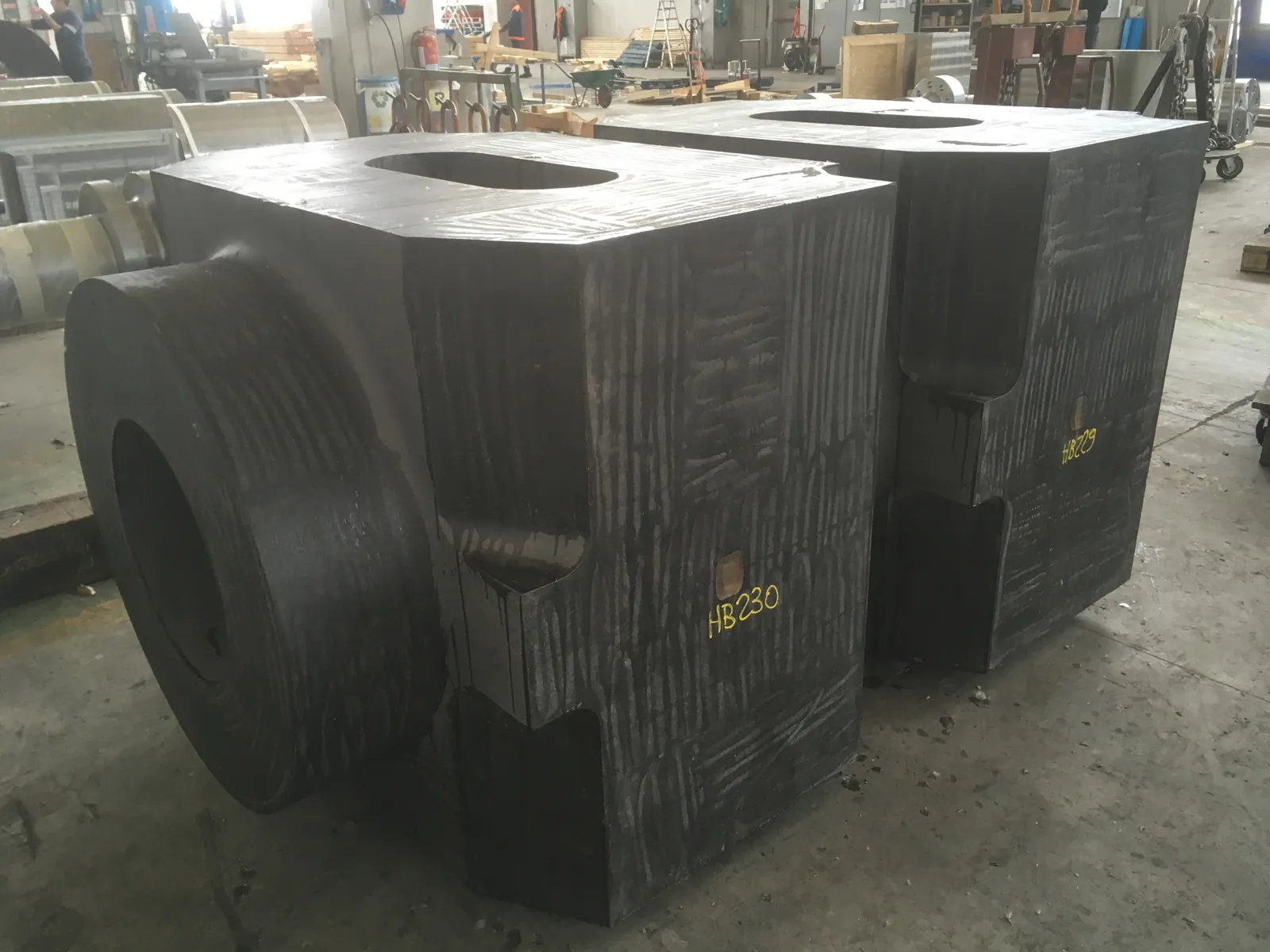
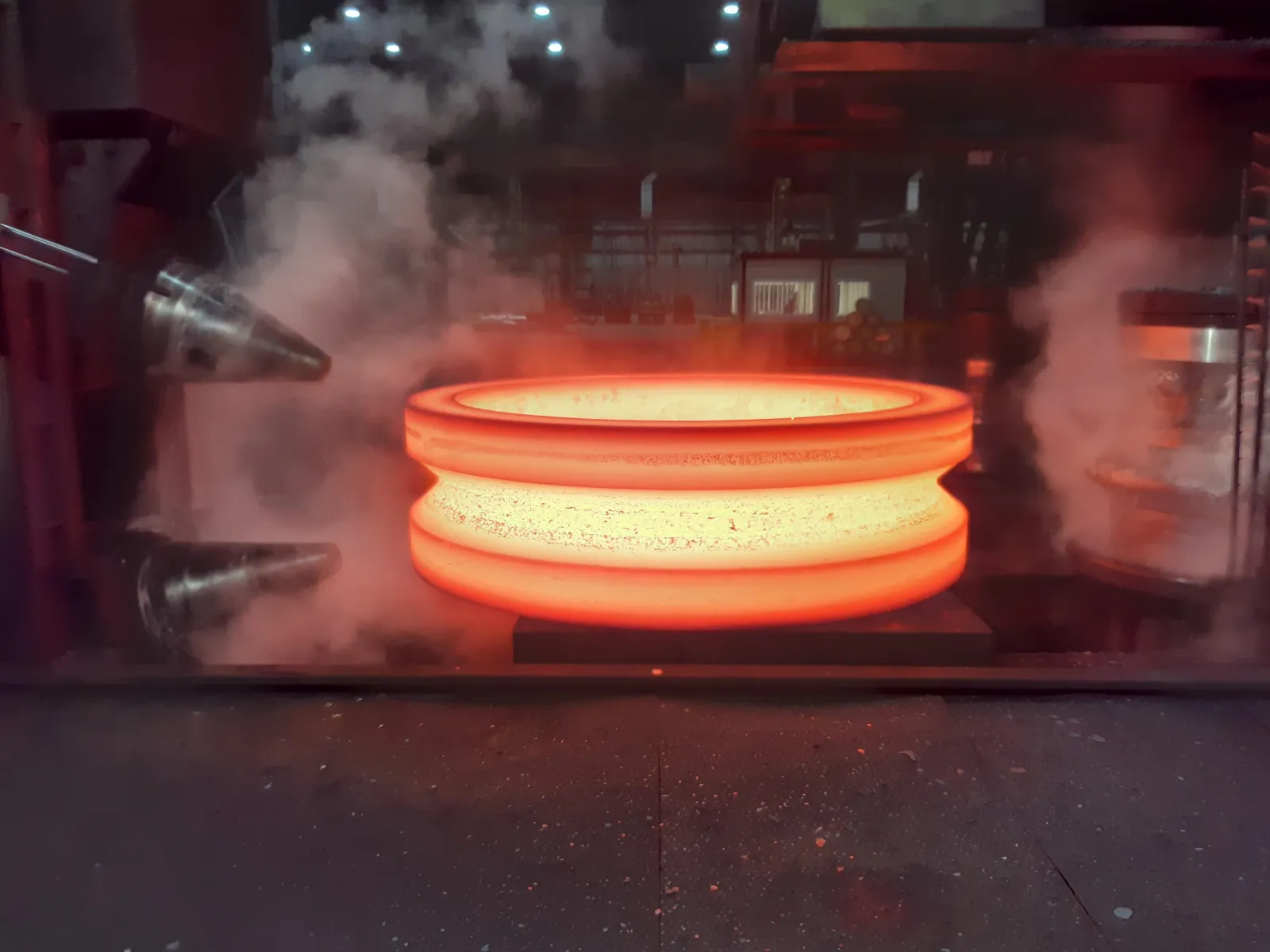
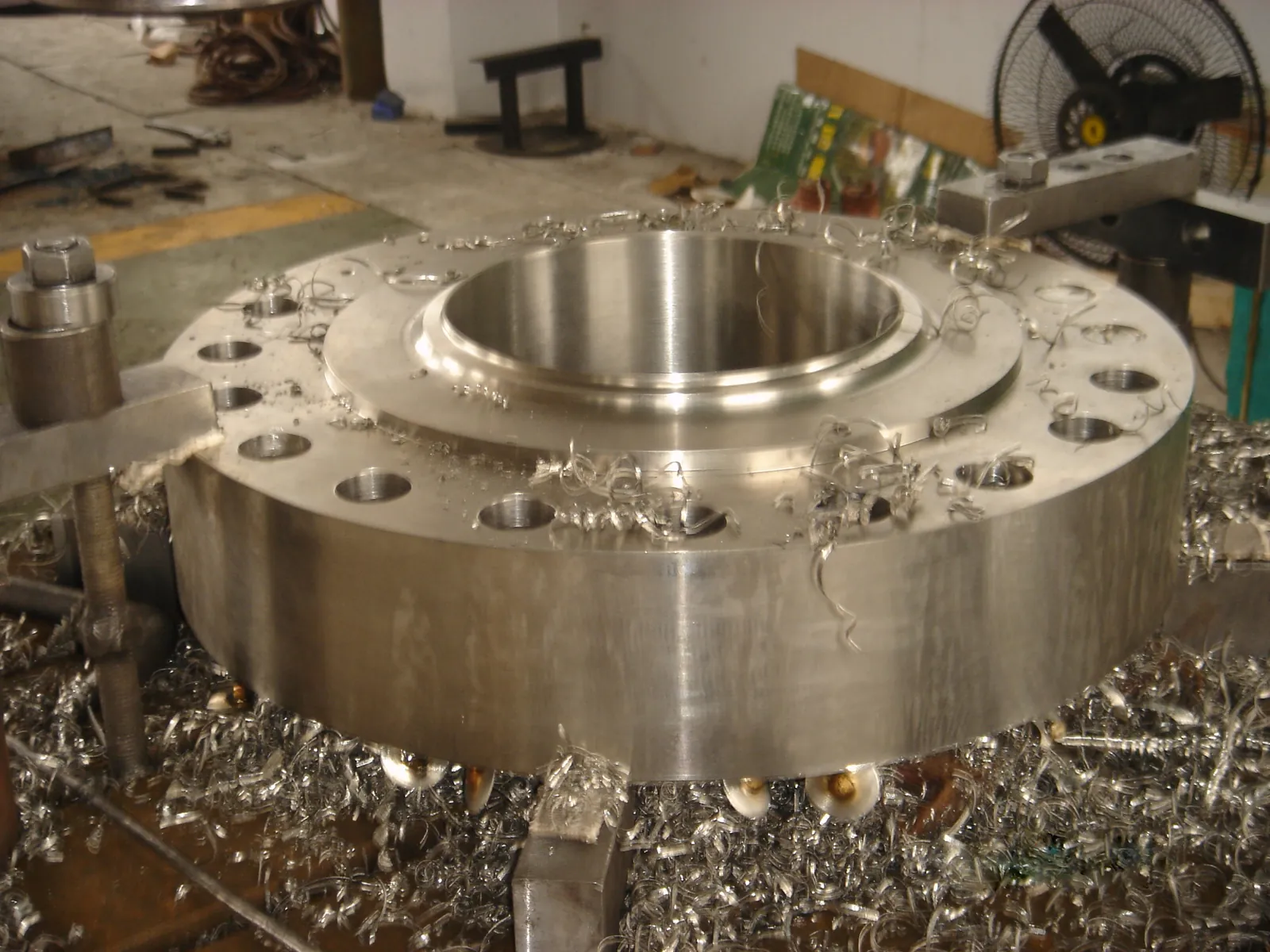
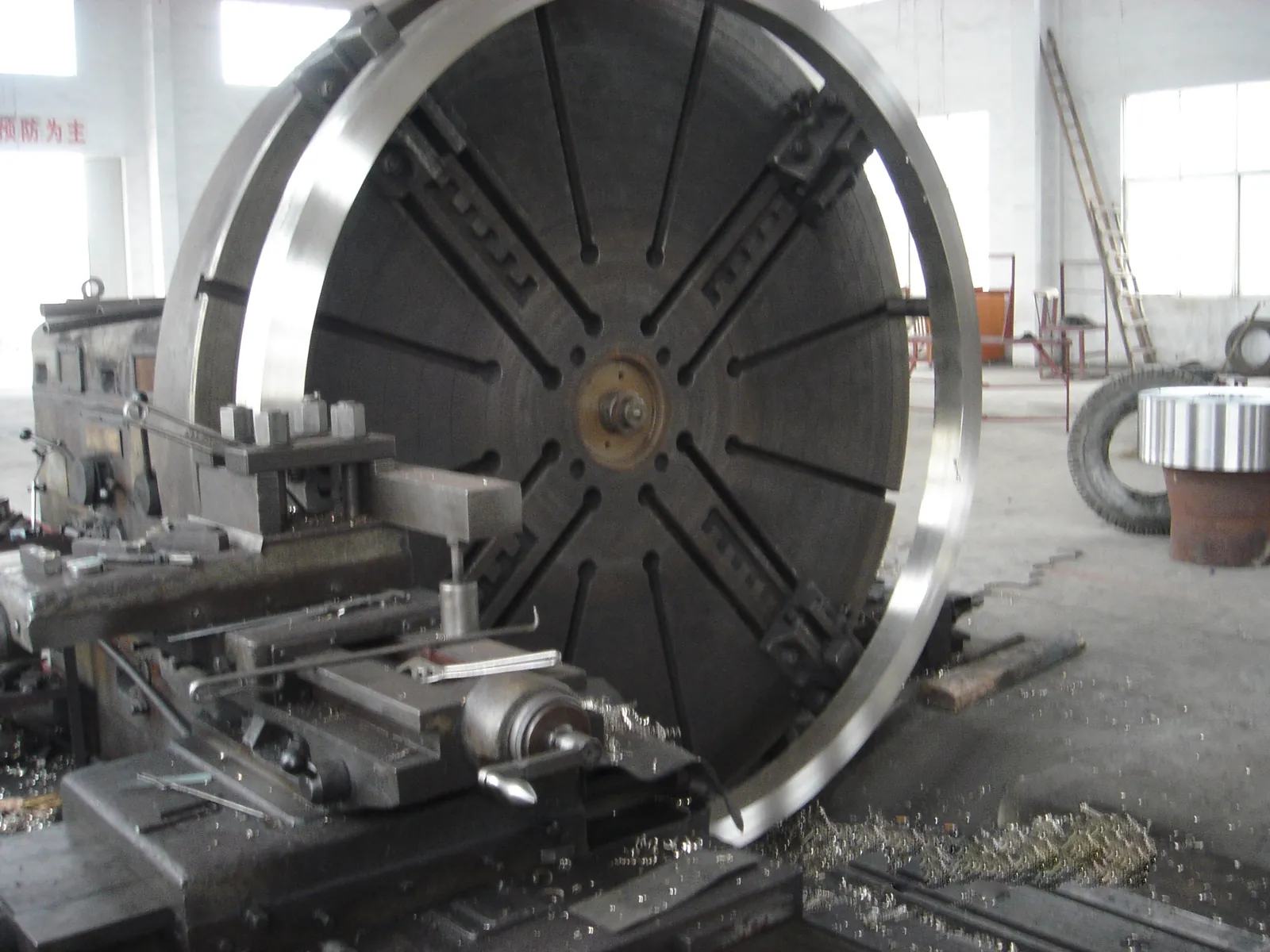
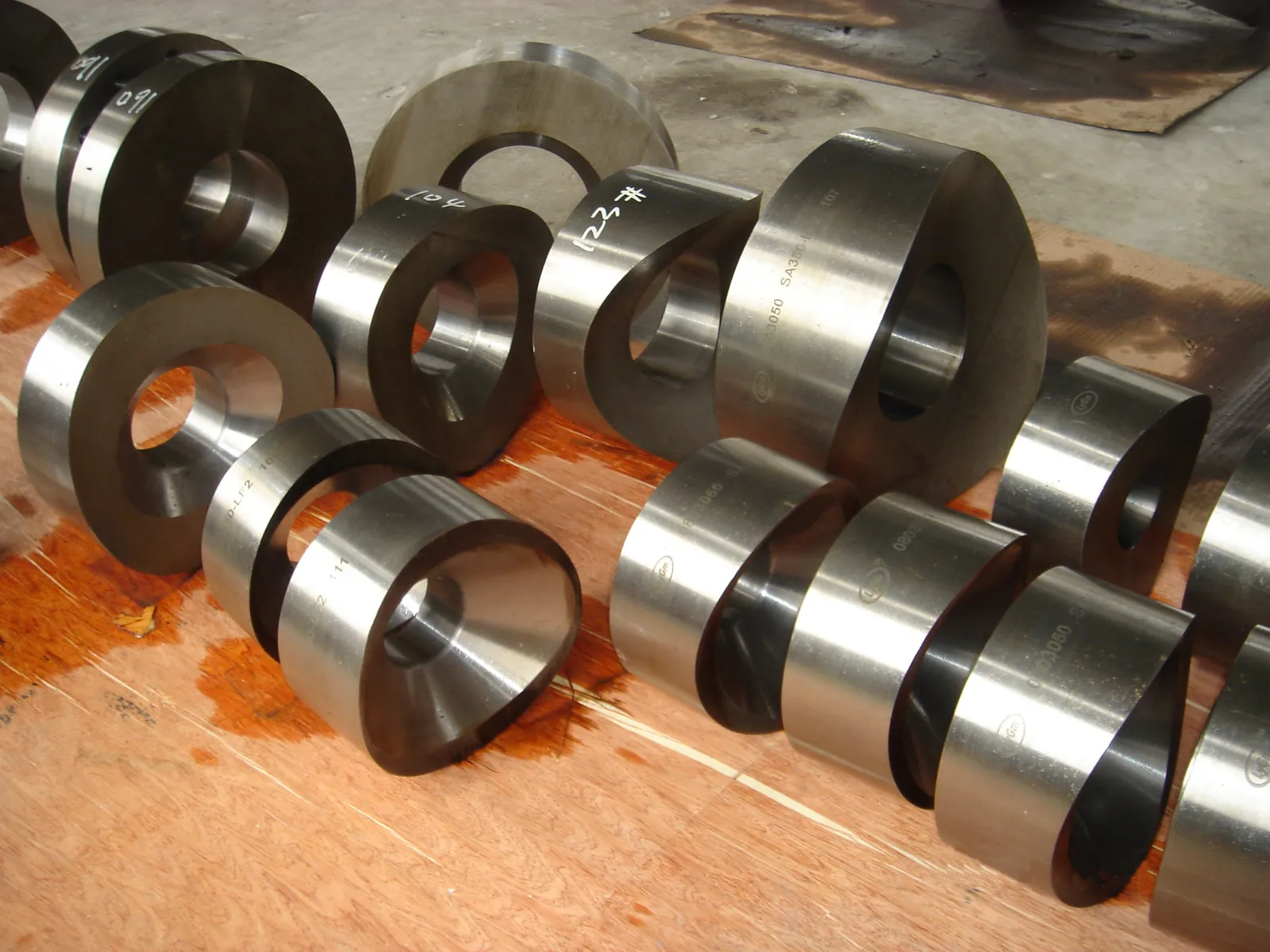
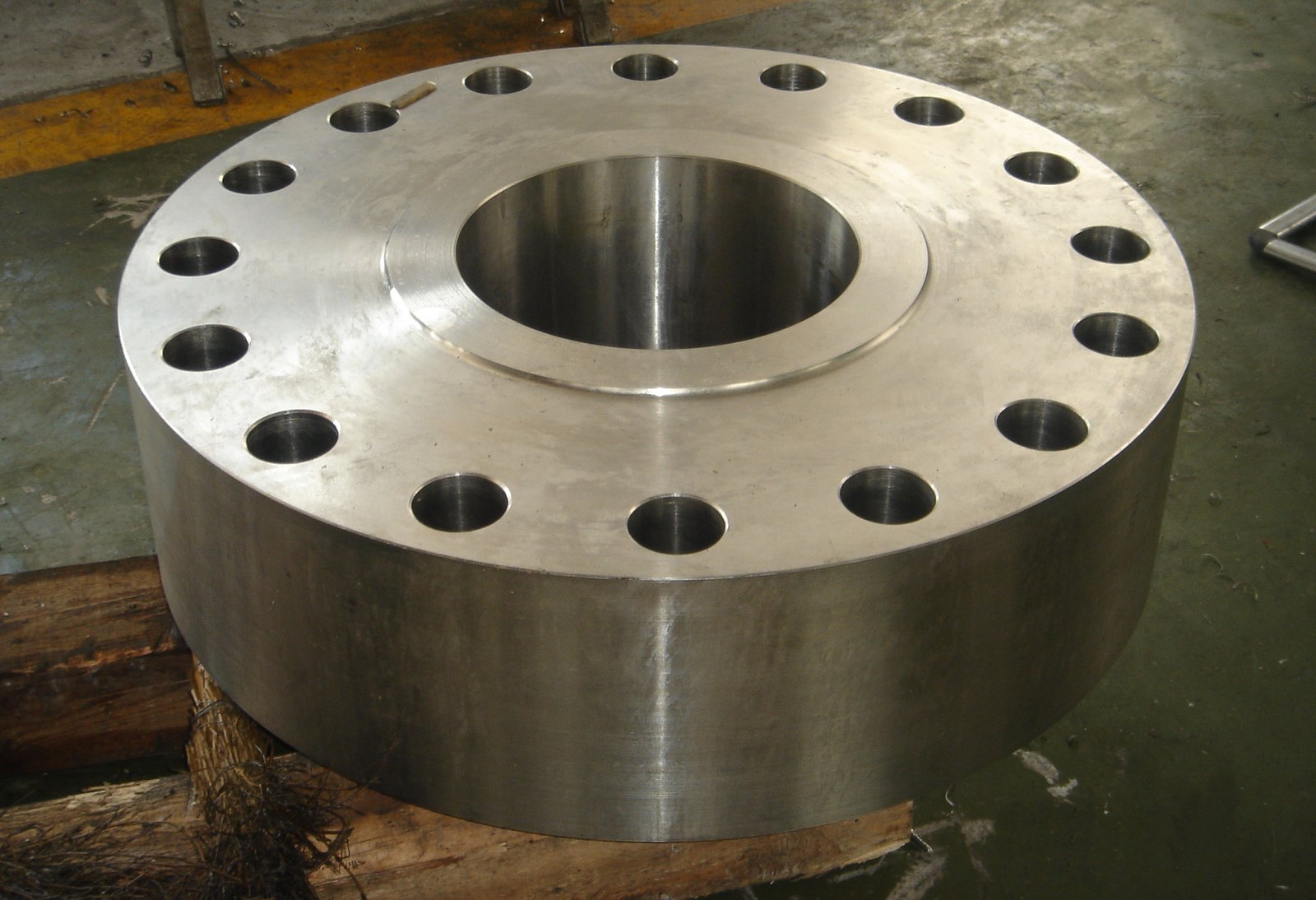
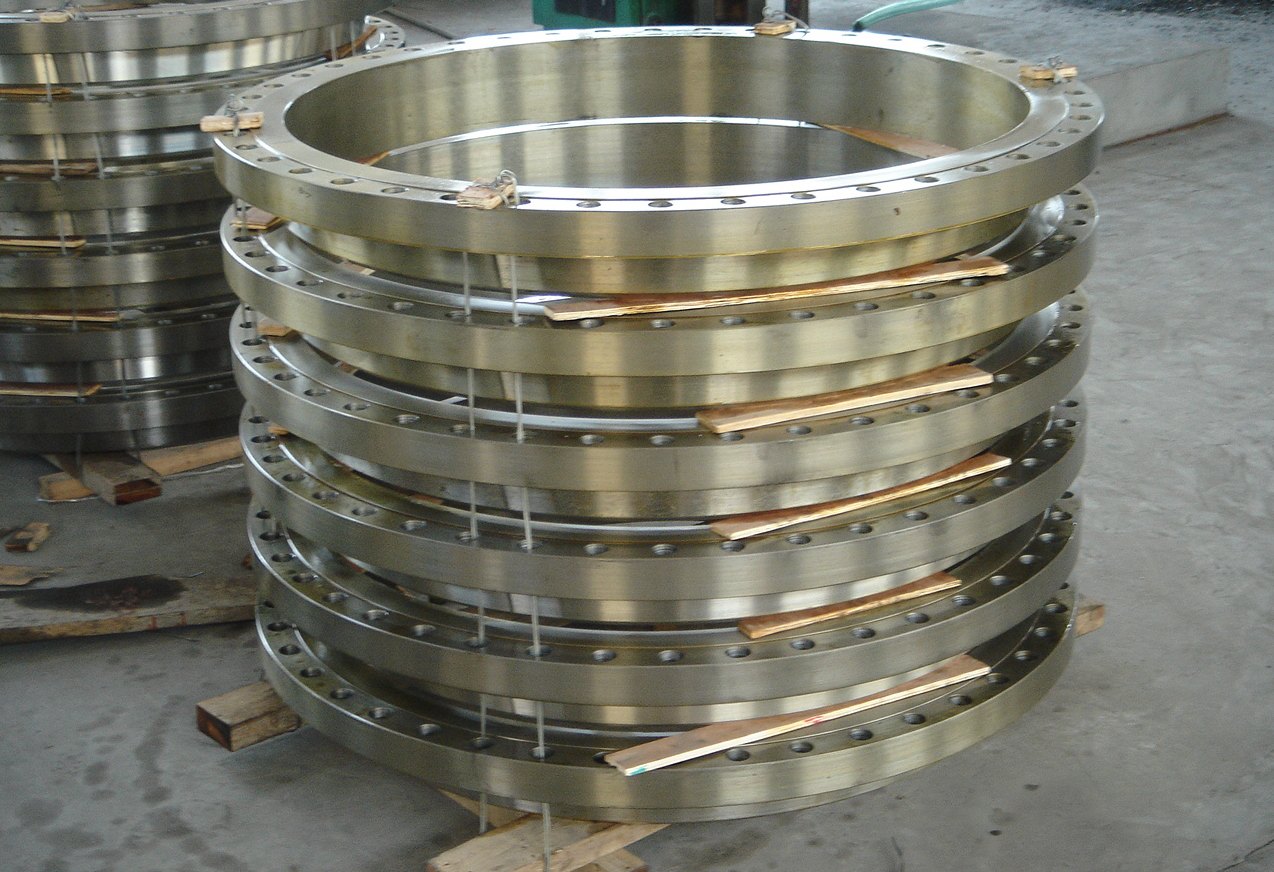
ASTM grades are materials standardized by ASTM International, the American standards organization. For pressure equipment, ASME has adopted the same standards with an S prefix, such as SA-105 alongside A105; the requirements are basically identical. Metal Service Europe supplies ASTM grades as forgings, flanges, rings, or machined parts.
The list contains the most important standards for forged parts. ASTM A105 is carbon steel for flanges and fittings at ambient and higher temperatures. A350 LF1, LF2, and LF3 are intended for low temperatures. A182 covers alloy and stainless steel, from F11 and F22 for high temperatures to F51, F53, and F55 in duplex and super duplex. A694 describes high-strength flanges for transmission pipelines, A516 is plate steel for pressure vessels, and A181 and A266 cover forgings for piping and pressure vessels.
The AISI grades 4130, 4140, 4330, and 4340 are also included: American alloy steels that are in high demand in the oil and gas industry. Each grade has its own requirements for heat treatment and testing.
ASTM A105, A181, and A266 in carbon steel for flanges and pressure parts
ASTM A350 LF2 and LF3 for low temperatures down to -46 and -101 °C
ASTM A182 F11, F22, and F91 for high temperatures
ASTM A182 F51, F53, and F55 in duplex and super duplex
ASTM A694 F42 through F70 for transmission pipeline flanges
Applications
Applications of ASTM grades
Pressure vessel components such as nozzles and manway flanges
High-pressure transmission pipelines for oil and gas
Refrigeration technology and installations at low temperatures down to -101 °C
Weld neck flanges, blind flanges, and fittings for process piping
Offshore valves and subsea components
Steam lines and boiler components in power plants
Our approach
From inquiry to delivery
Inquiry & specification
You specify the ASTM or ASME standard with grade and class, for example A182 F22 Class 3, plus dimensions and any additional requirements. We verify that the combination is complete and unambiguous.
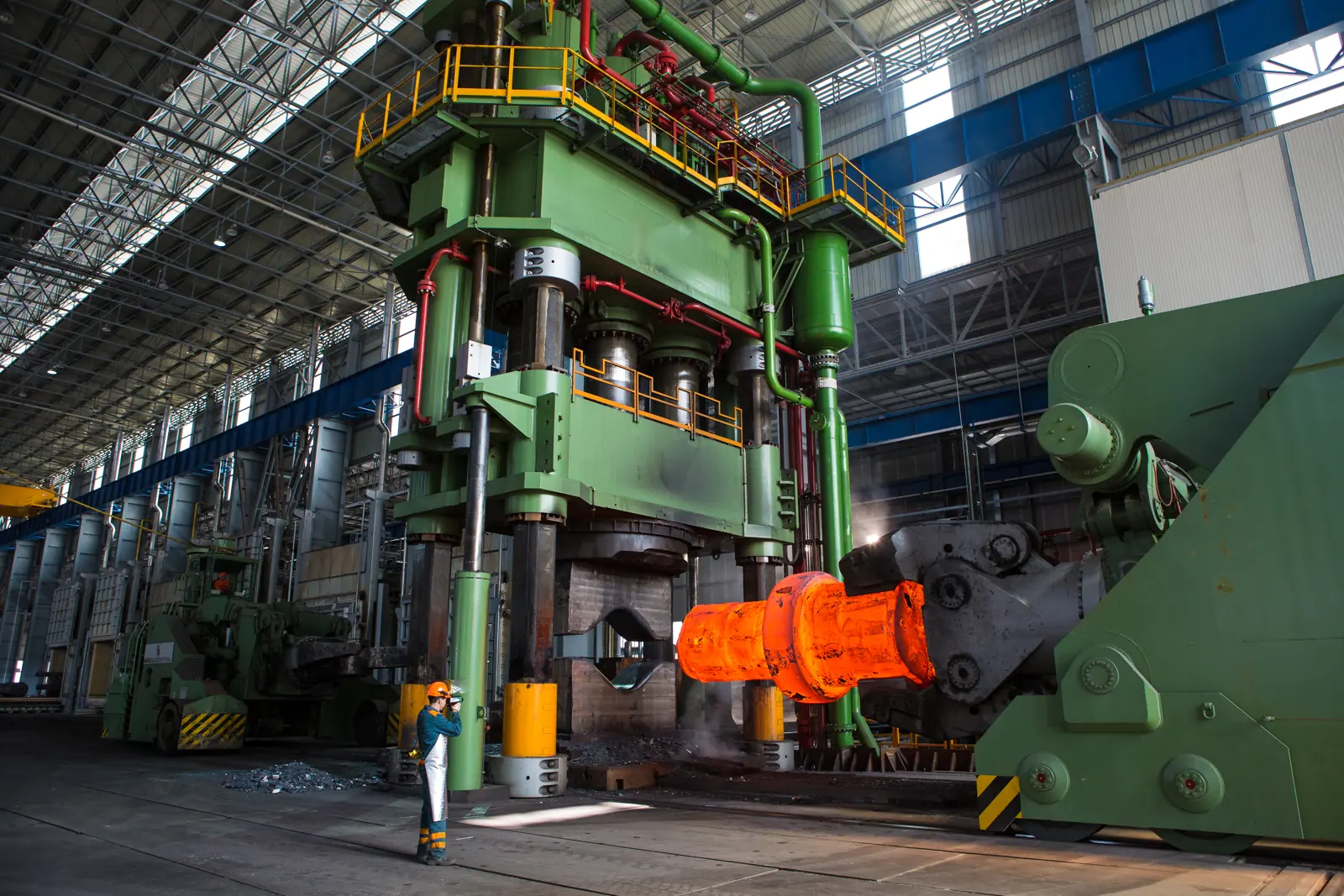
Forging according to ASTM
Production is carried out according to ASTM requirements for the forging process, heat treatment, and testing. Low-temperature grades such as LF2 require an impact test at the prescribed temperature.
Quality control & delivery
Each piece is marked with the standard, grade, and heat number. After inspection, we deliver with a 3.1 certificate, or 3.2 if desired, on which the ASTM requirements are demonstrably processed.
Quality
Certification and quality assurance
For ASTM grades, the standard determines not only the composition but also the testing, marking, and often the maximum hardness. We ensure that the certificate covers all these points, including additional requirements from your specification. How we organize this is described on our page about quality assurance.
Available
ASTM grades available as
ASTM grades are available from us starting from a single piece, including as:
Frequently asked questions
Frequently asked questions about ASTM grades
What is the difference between ASTM and ASME?
In terms of content, there is usually no difference. ASME adopts ASTM standards for pressure equipment and adds an S in front: ASTM A105 becomes ASME SA-105. Sometimes the edition or a detail differs. For a pressure vessel according to the ASME code, the SA designation is required; many forgings are therefore dual-certified, for example as A105/SA-105.
What is ASTM A105?
ASTM A105 is the standard for forged carbon steel components for piping systems, such as flanges, fittings, and valves, at ambient and higher temperatures. The material has a minimum tensile strength of 485 MPa and a minimum yield strength of 250 MPa. It is widely used in the petrochemical and energy sectors. More information can be found on our page about ASTM A105.
When do you choose A350 LF2 instead of A105?
Choose A350 LF2 when the piping must operate at low temperatures. A105 has no impact test requirement at low temperature, whereas A350 LF2 Class 1 does: the material is tested at -46 °C. For even lower temperatures, LF3 is available, with nickel and testing at -101 °C. In composition, LF2 resembles A105, but it is normalized or quenched and tempered for a finer grain.
What does the F in A182 F22 mean?
The F stands for forged: the designation applies to forged parts. A182 describes forged or rolled flanges, fittings, and valve parts in alloy and stainless steel. The number indicates the grade, such as F22 for 2¼% chromium and 1% molybdenum. You will find the same letter in other standards, for example A694 F52, where the number indicates the minimum yield strength in ksi.
What is F91 and what is it used for?
F91 is a martensitic chromium-molybdenum steel with 9% chromium, 1% molybdenum, and small additions of vanadium and niobium. In Europe, it is called X10CrMoVNb9-1 (1.4903). It has high creep strength and is used for steam lines, headers, and valves in power plants up to approximately 600 °C. Welding and heat treating require a strict procedure, as errors significantly reduce creep strength.
Are ASTM grades equivalent to European steel grades?
Often comparable European grades exist, but rarely an exact equivalent. A105 resembles P250GH (formerly C22.8), F22 resembles 10CrMo9-10, and F51 resembles 1.4462. Composition, testing, and certification differ in details. If an ASTM grade is prescribed, we will supply it. If you wish to consider a European alternative, we will compare the requirements for you.
What are AISI 4130 and 4140?
AISI 4130 and 4140 are American chromium-molybdenum steels. 4130 has approximately 0.30% carbon and is easily weldable; 4140 has approximately 0.40% carbon and achieves higher strength after quenching and tempering. The European counterpart to 4140 is 42CrMo4, although the standard limits are not identical. 4330 and 4340 also contain nickel for extra toughness. They are widely used for valve bodies and components in the oil and gas industry.
What is the difference between A181 and A266?
Both are standards for carbon steel forgings, but with different application areas. ASTM A181 applies to forgings for general piping systems, with Class 60 and Class 70 as strength classes. A266 is intended for pressure vessel components, such as nozzles and shell rings, and has several grades, including 1 and 2. For pressure-retaining parts, A266 is therefore often the prescribed standard.
Can you also supply ASTM grades that are not on the list?
Yes. The table shows a selection of grades but is not exhaustive. If your grade is not listed, for example another A182 grade or a grade from A336 or A508, please include the standard and specification with your inquiry. We will then let you know if we can supply and certify the grade according to that standard.
What documents do you receive with an ASTM forging?
You will receive a material certificate (EN 10204, type 3.1 or 3.2) stating the chemical analysis, mechanical values, heat treatment, and any impact values. In addition, reports of ultrasonic testing, dimensional inspection, and hardness measurement can be provided. The marking on the part itself, with standard, grade, and heat number, corresponds to the certificate.
Grade not found?
Send us the desired grade, standard, and certification. We will quickly let you know what is possible.