
Aluminum Alloys
Aluminum alloys for structural and lightweight applications.
Grades
Aluminum Alloys
Here you will find a list of the materials we can supply. If your material is not listed, please contact us.
About Aluminum Alloys
What are aluminum alloys?
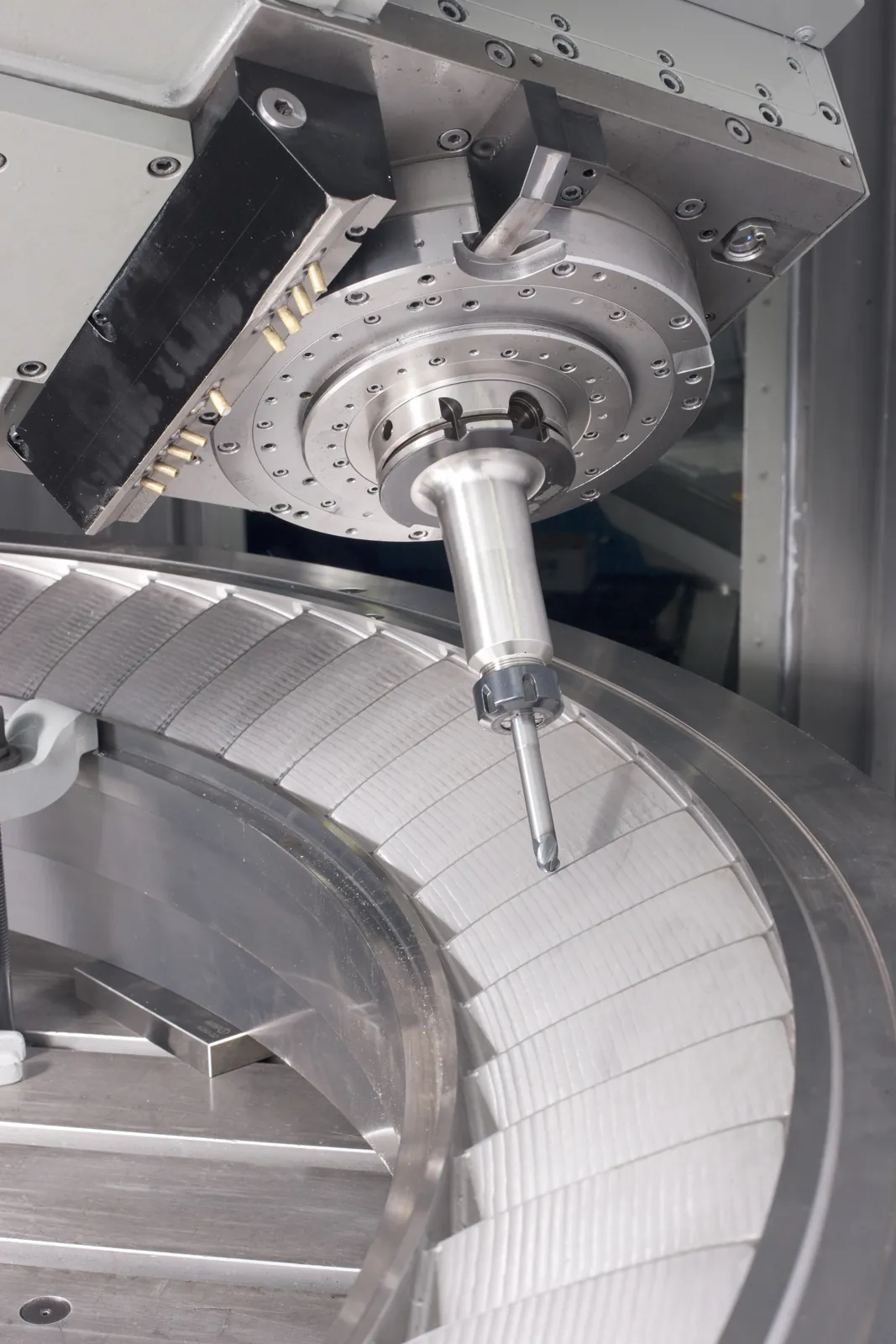
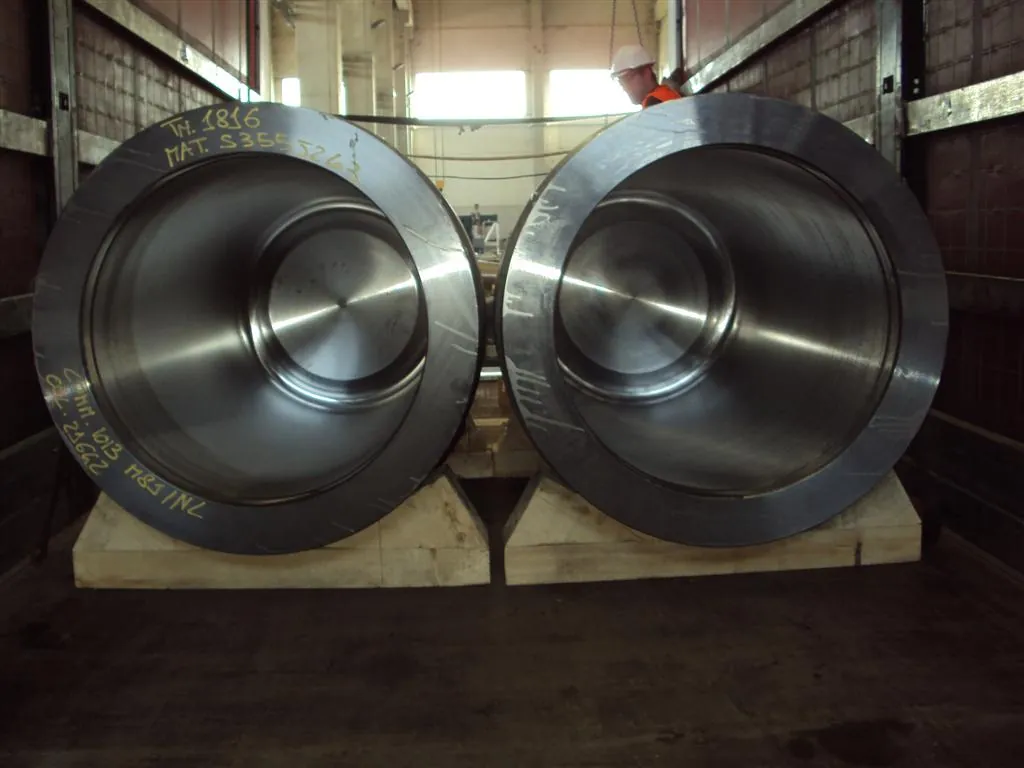
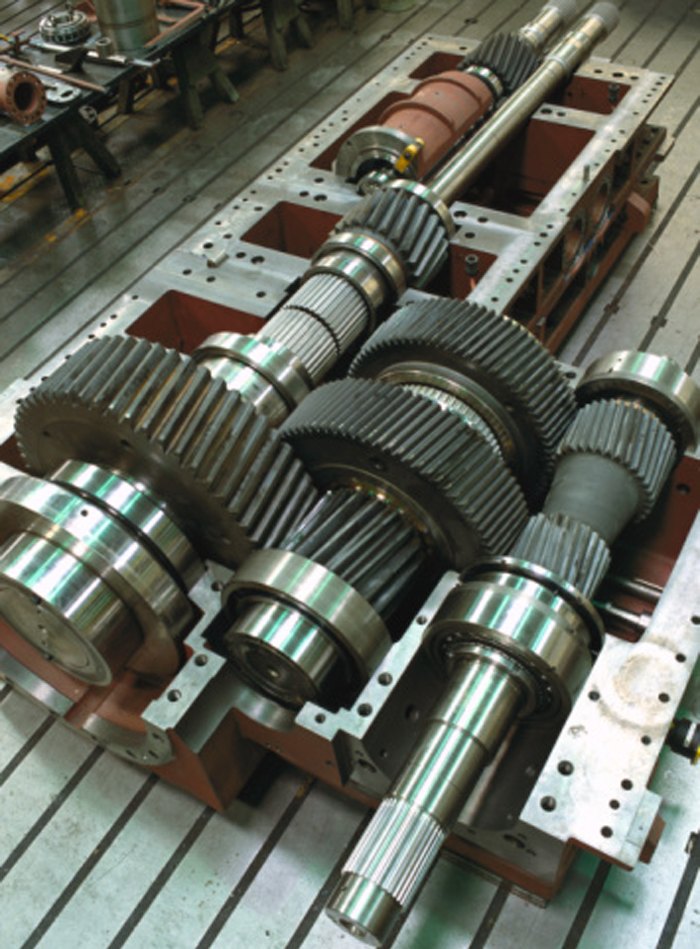
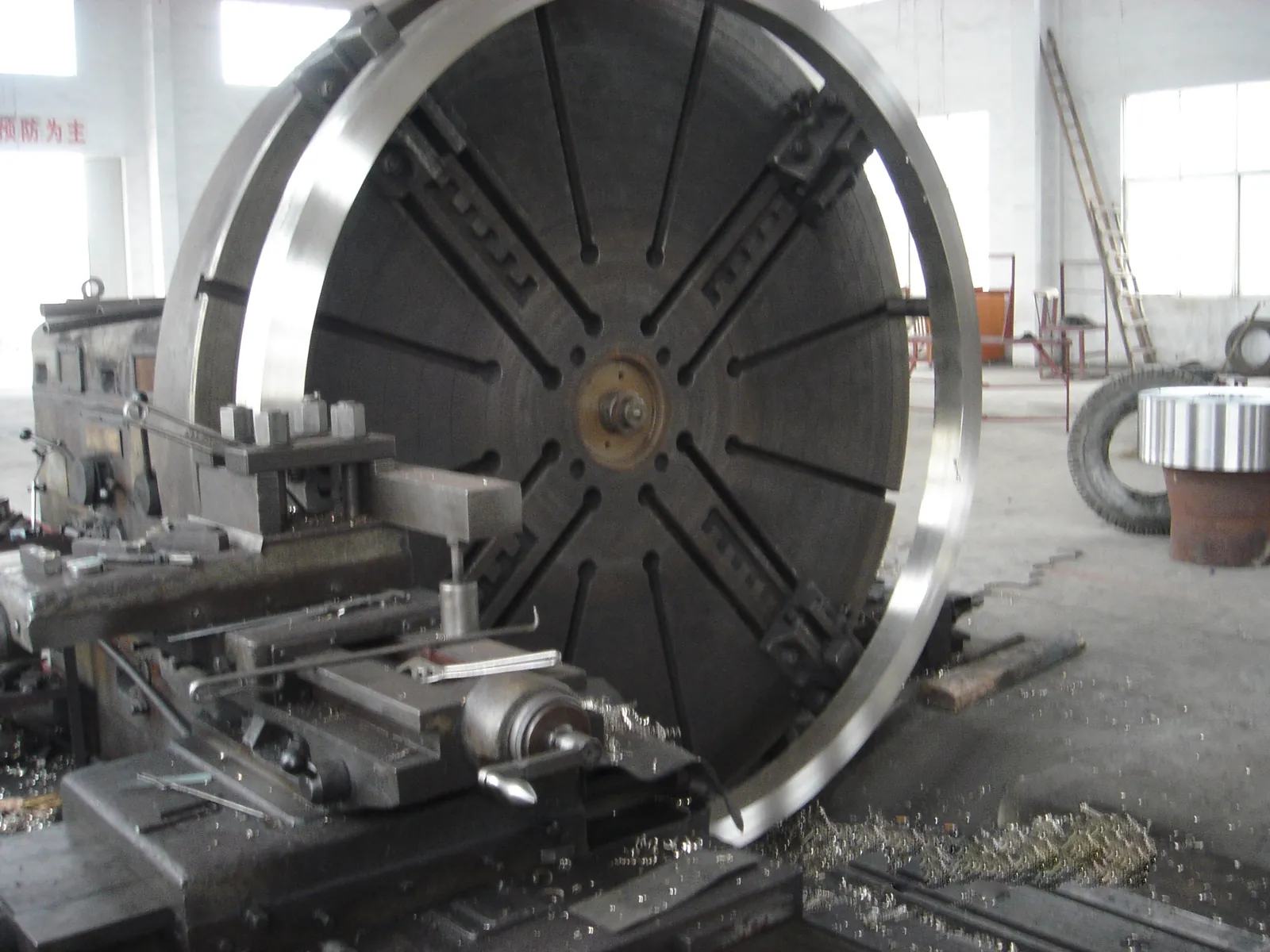
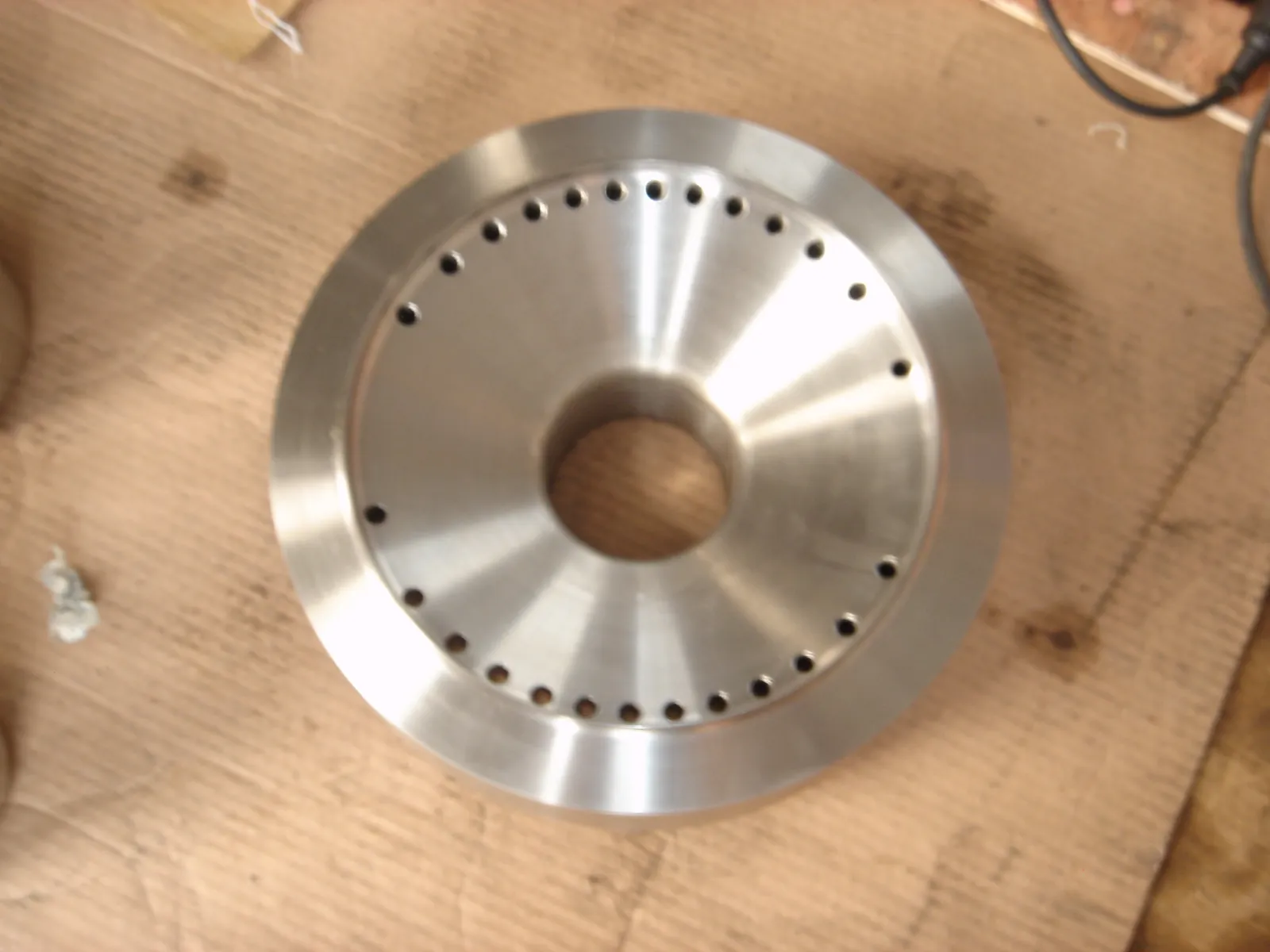
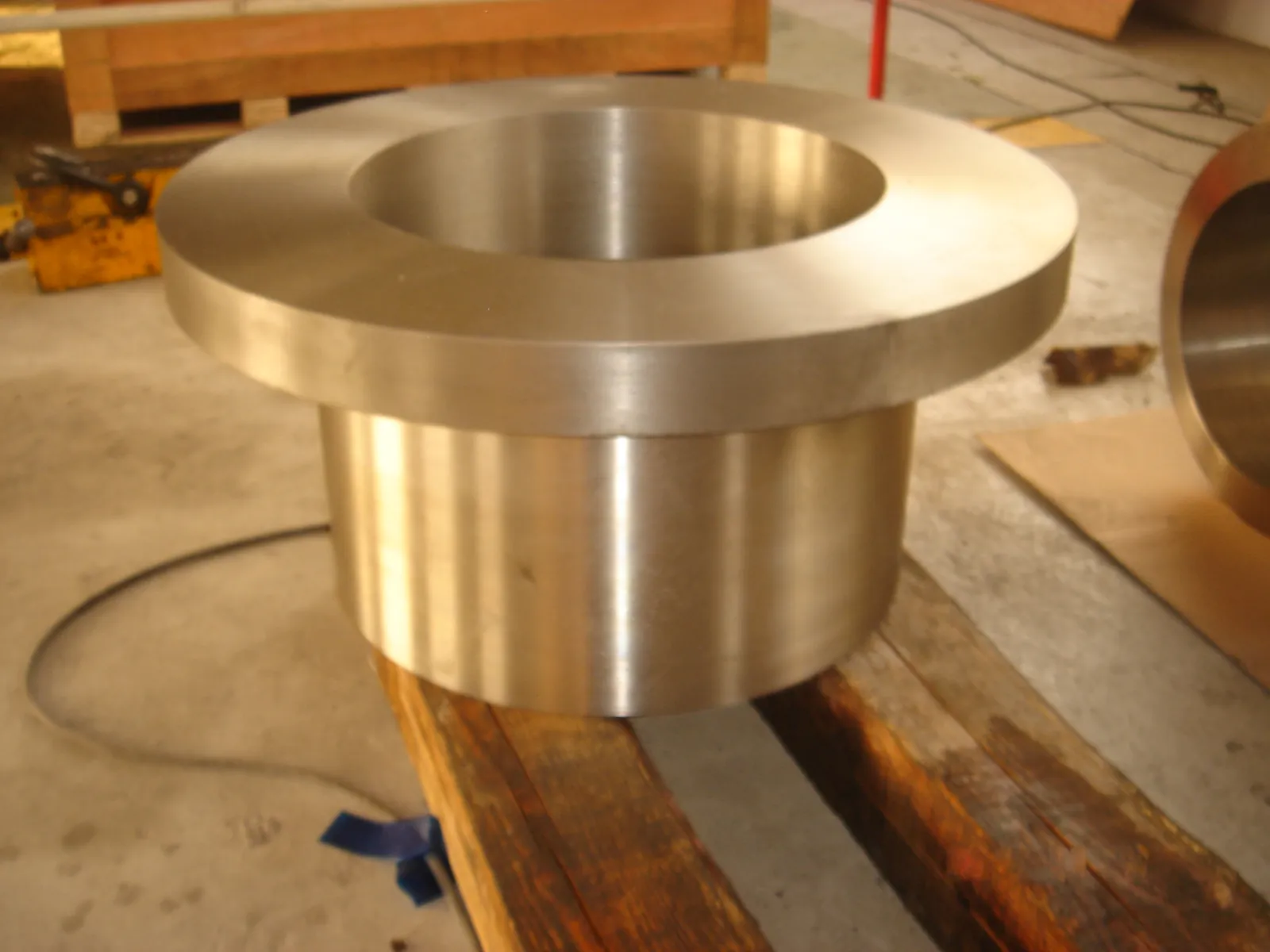
Aluminum alloys are combinations of aluminum with elements such as magnesium, silicon, copper, or zinc. Each alloying element gives aluminum alloys a unique profile: magnesium for seawater resistance, magnesium with silicon for a good heat-treatable structural alloy, copper and zinc for high strength. Metal Service Europe supplies them as forged blocks, rings, discs, or machined parts. Forged aluminum is chosen where weight is critical, for example, in shipbuilding, aerospace, and moving machine parts.
The four-digit numbers in the table follow the international system, which is defined in Europe by EN 573. The first digit indicates the alloy group: 2xxx is aluminum-copper, 5xxx aluminum-magnesium, 6xxx aluminum-magnesium-silicon, and 7xxx aluminum-zinc. Next to them are the German material numbers and DIN abbreviations, which you often encounter on older drawings.
An important distinction is the hardening route. The 5xxx alloys such as 5083 and 5754 are not heat-treatable and derive their strength from composition and cold working. The 2xxx, 6xxx, and 7xxx alloys are precipitation hardenable: after forging, they are solution-annealed and artificially aged, for example, to T6 condition.
5083 and 5754: not heat-treatable, good resistance to seawater
6082 and 6061: heat-treatable structural alloys, good weldability
2017A and 2024: aluminum-copper alloys with high strength
7075: aluminum-zinc, one of the strongest aluminum alloys
Forged according to EN 586 or ASTM B247
Applications
Applications of aluminum alloys
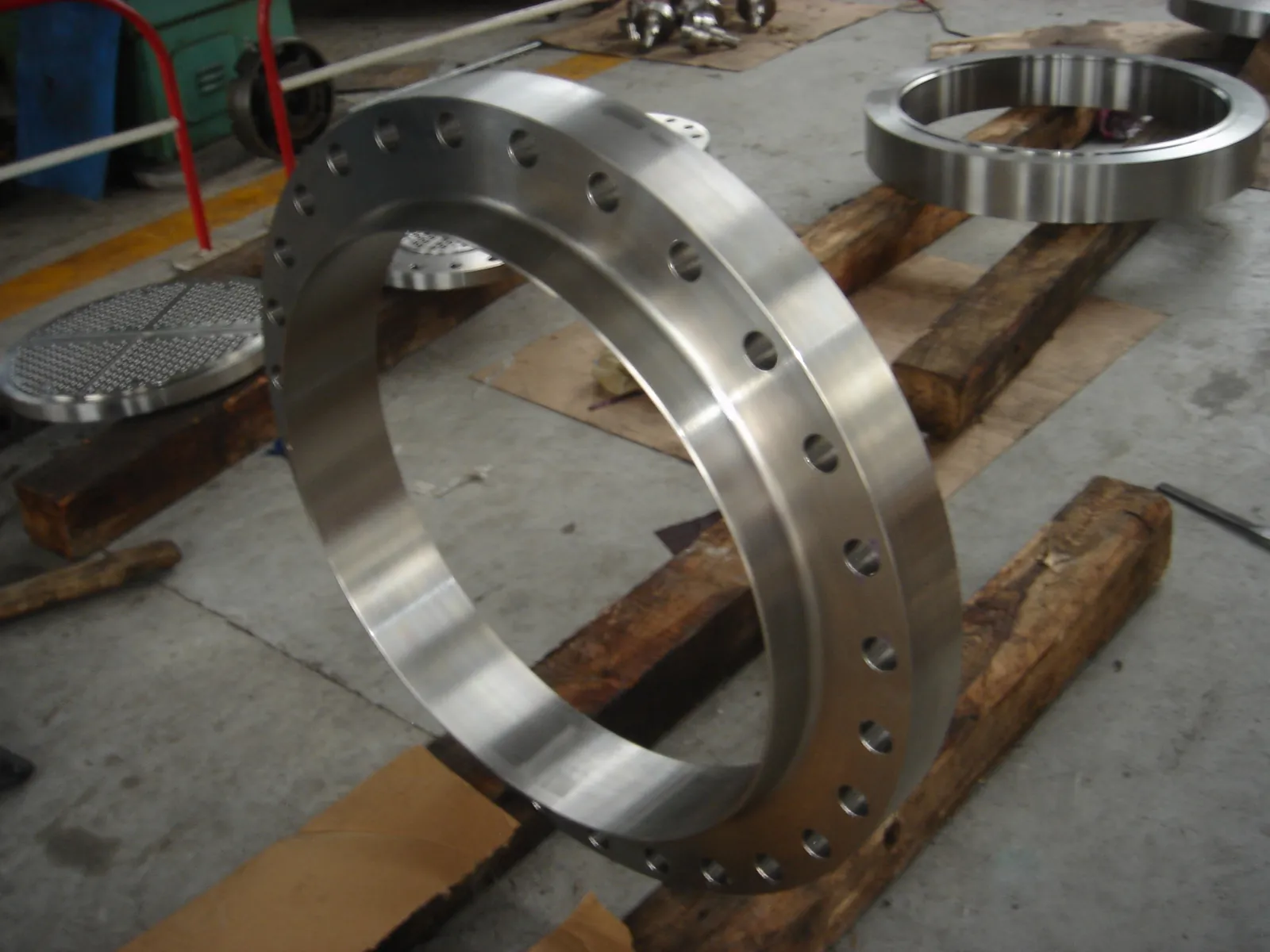
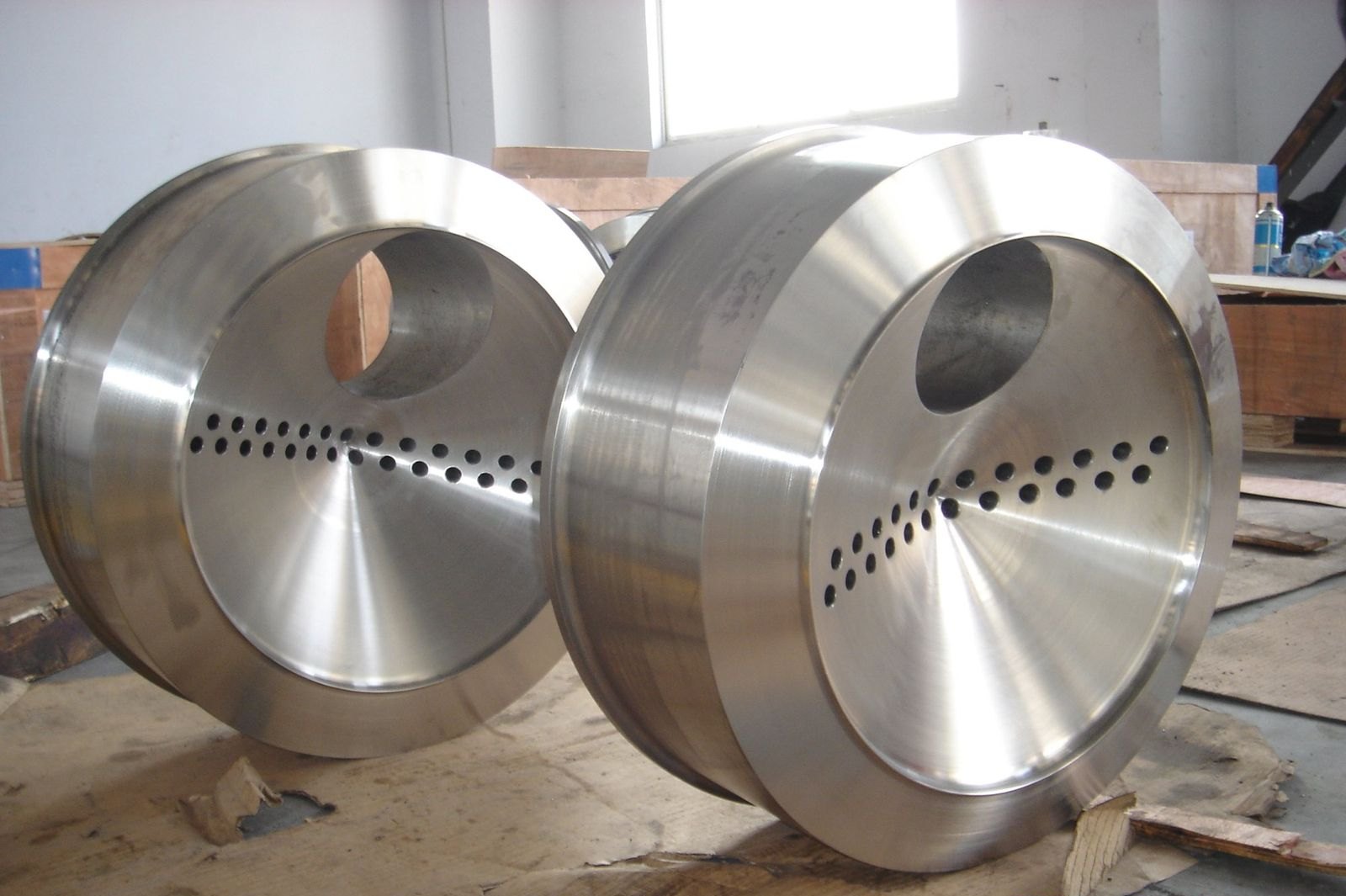
Moving and rotating machine parts where mass is a factor
Welded constructions, preferably in 5083 or 6082
Highly stressed machine parts in 2017A, 2024, and 7075
Crane, bridge, and transport structures in 6082
Aerospace components in 7075
Shipbuilding and offshore components in 5083 and 5754
Our Approach
From inquiry to delivery
Inquiry & Specification
Please specify alloy, condition, and standard, for example, 6082-T6 according to EN 586 or 7075-T652 according to ASTM B247. We will determine which condition suits your cross-section and final machining.
Forging and Heat Treatment of Aluminum
In addition to forging, aluminum requires controlled heat treatment: solution annealing, quenching, artificial aging, and, where requested, stress-relieving by compression. We agree on these steps in advance.
Quality Control & Delivery
After checking the condition, hardness, and dimensions, the forged part will be delivered to you in the agreed-upon execution, with a certificate and test results bundled in one dossier.
Quality
Certification and Quality Assurance
Even with aluminum forgings, each piece is individually tested and remains fully traceable to the melt. If the part is destined for a ship or an offshore installation, inspection can be attended by a classification society such as Lloyd's Register or DNV, if desired. The examinations and documents we provide are described on the quality assurance page.
Available
Aluminum alloys available as
We supply forged aluminum as single pieces or small series, as:
Frequently Asked Questions
Frequently Asked Questions about Aluminum Alloys
Which aluminum alloy is the strongest?
Of the alloys in our overview, 7075 (AlZnMgCu1.5, 3.4365) has the highest strength. This heat-treatable aluminum-zinc alloy is widely used in aerospace and in highly stressed machine parts. However, 7075 is less corrosion-resistant than the 5xxx and 6xxx alloys and is not suitable for fusion welding. For welded constructions, you would therefore more likely choose 6082 or 5083.
What is the difference between 5083 and 6082?
5083 is an aluminum-magnesium alloy that is not heat-treatable and excels in seawater resistance; its strength is largely retained after welding. 6082 is a heat-treatable aluminum-magnesium-silicon alloy that derives its strength from solution annealing and aging, but partially loses it in the weld zone. Therefore, 5083 is suitable for shipbuilding and offshore, while 6082 is for machine and structural parts.
What are the differences between 5083 and 5754?
The main difference lies in the magnesium content. 5754 (AlMg3, 3.3535) contains approximately 2.6 to 3.6% magnesium, 5083 (AlMg4.5Mn, 3.3547) 4.0 to 4.9%. Both are not heat-treatable and are highly resistant to seawater, but 5083 is stronger and 5754 is more formable. Note: 5083 is not recommended for long-term use above approximately 65 °C.
Is 6082 the same as 6061?
No, but they are very similar: both are heat-treatable aluminum-magnesium-silicon alloys, often in T6 condition. 6082 (AlSi1MgMn, 3.2315) contains more manganese and silicon, making it stronger; in Europe, it has replaced 6061 in many applications. 6061 (AlMg1SiCu, 3.3211), as its abbreviation indicates, contains some copper. We supply the alloy specified in your drawing.
Can aluminum be forged?
Yes, aluminum alloys are well-suited for forging, both in dies and as open-die forgings. Forged aluminum has a dense structure and a grain flow that largely follows the shape of the part. Standards for aluminum forgings include EN 586 and ASTM B247; the latter also covers rolled rings. Heat-treatable alloys undergo further heat treatment after forging.
What do temper designations like T6, T651, and T652 mean?
The temper designation following an aluminum alloy describes its condition; in Europe, this is defined in EN 515. T6 means solution-annealed and artificially aged. For T651, the material is additionally stress-relieved by stretching, and for T652, by compression; the latter variant is common for forgings. Always specify the desired condition in your inquiry, as strength and machinability depend on it.
What is the difference between the alloy number and the material number?
The alloy number, such as 5083, is the international four-digit designation also used in Europe. The German material number, such as 3.3547 for the same alloy, and the DIN abbreviation AlMg4.5Mn, are mainly found on older drawings. All three refer to the same material. If you are unsure about an equivalent, we will find the correct grade for you.
How much lighter is aluminum than steel?
Aluminum weighs approximately one-third of steel. The density is around 2.7 g/cm³, compared to approximately 7.85 g/cm³ for steel; this varies slightly per alloy. An aluminum part of the same dimensions therefore weighs about 65% less than a steel part. If you are replacing a steel part with aluminum, please also specify the load so we can suggest a suitable alloy.
Is forged aluminum supplied with a certificate?
Yes, we also supply aluminum forgings with a material certificate according to EN 10204, type 3.1 or 3.2, depending on your requirements. The certificate shows the chemical composition, condition, and measured mechanical values. Upon request, we can add results from ultrasonic testing, hardness measurement, or penetrant testing, so the part fits directly into your quality dossier.
How quickly can forged aluminum be delivered?
For forged aluminum, the delivery time depends on the alloy, condition, and dimensions, as well as the desired machining. Heat-treatable alloys require further heat treatment and inspection after forging. A pre-machined forging can sometimes be ready in as little as 6 working weeks; for a fully machined part, a period of 8 to 10 working weeks generally applies. We confirm the delivery time per inquiry.
Related Grades
Didn't find your grade?
Send us the desired grade, standard, and certification. We will quickly let you know what is possible.