
Alloy 25 (Haynes® 25 / L-605) | Forged & Certified
Alloy 25 (W.nr. 2.4964, UNS R30605) is a cobalt alloy resistant to heat, oxidation, and galling. We supply it forged according to AMS 5759, as single pieces or small series.
About this grade
What is Alloy 25?
Alloy 25 is a cobalt-based alloy with chromium, tungsten, and nickel, also known in the market as Haynes® 25, L-605, and UNS R30605. Cobalt forms the base at a nominal 51%, supplemented by approximately 20% chromium, 15% tungsten, and 10% nickel. The German Werkstoffnummer is 2.4964, with the short name CoCr20W15Ni.
Haynes International refers to Alloy 25 as the strongest cobalt alloy that is still readily fabricable. The alloy is solid-solution strengthened, remains resistant to oxidation during long-term exposure up to approximately 1800 °F (980 °C), and tolerates sulfur-containing atmospheres well. Its resistance to galling and cavitation is noteworthy, making the material suitable for bearings, springs, and sliding surfaces. Bar and forgings fall under AMS 5759.
The word “Alloy” alone says very little. In the steel and nickel industry, it is a prefix for many different alloys, from Alloy 625 and Alloy 718 to Alloy 800. If you are looking for nickel alloys 718 or 625, please visit our page on Inconel®.
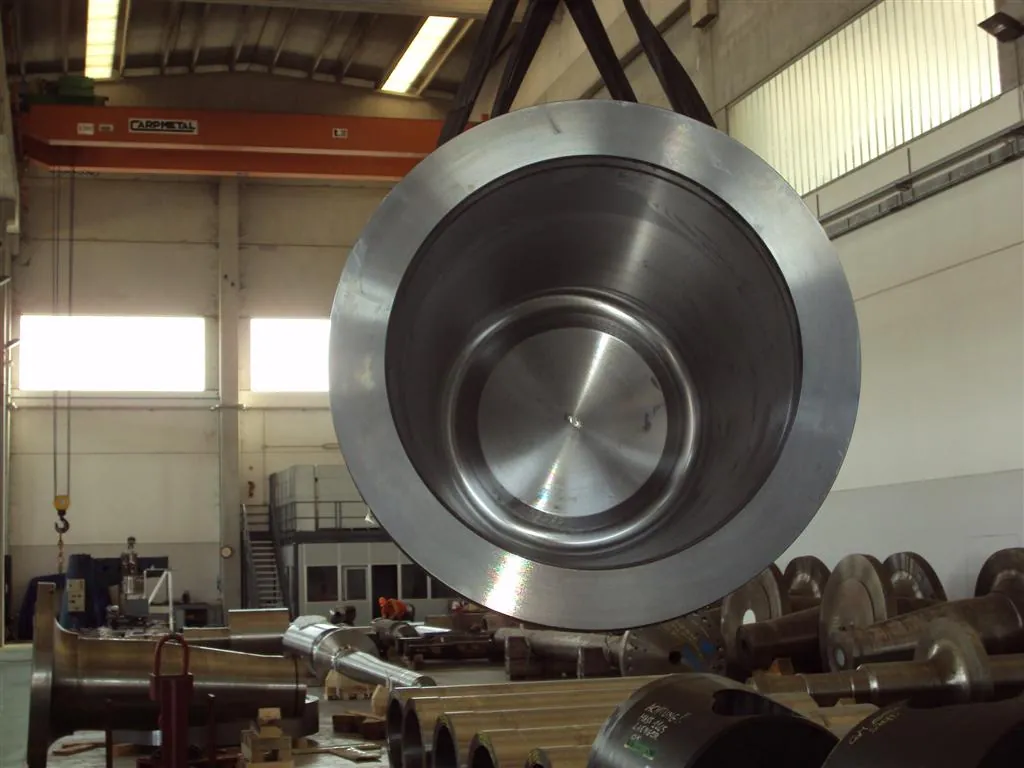
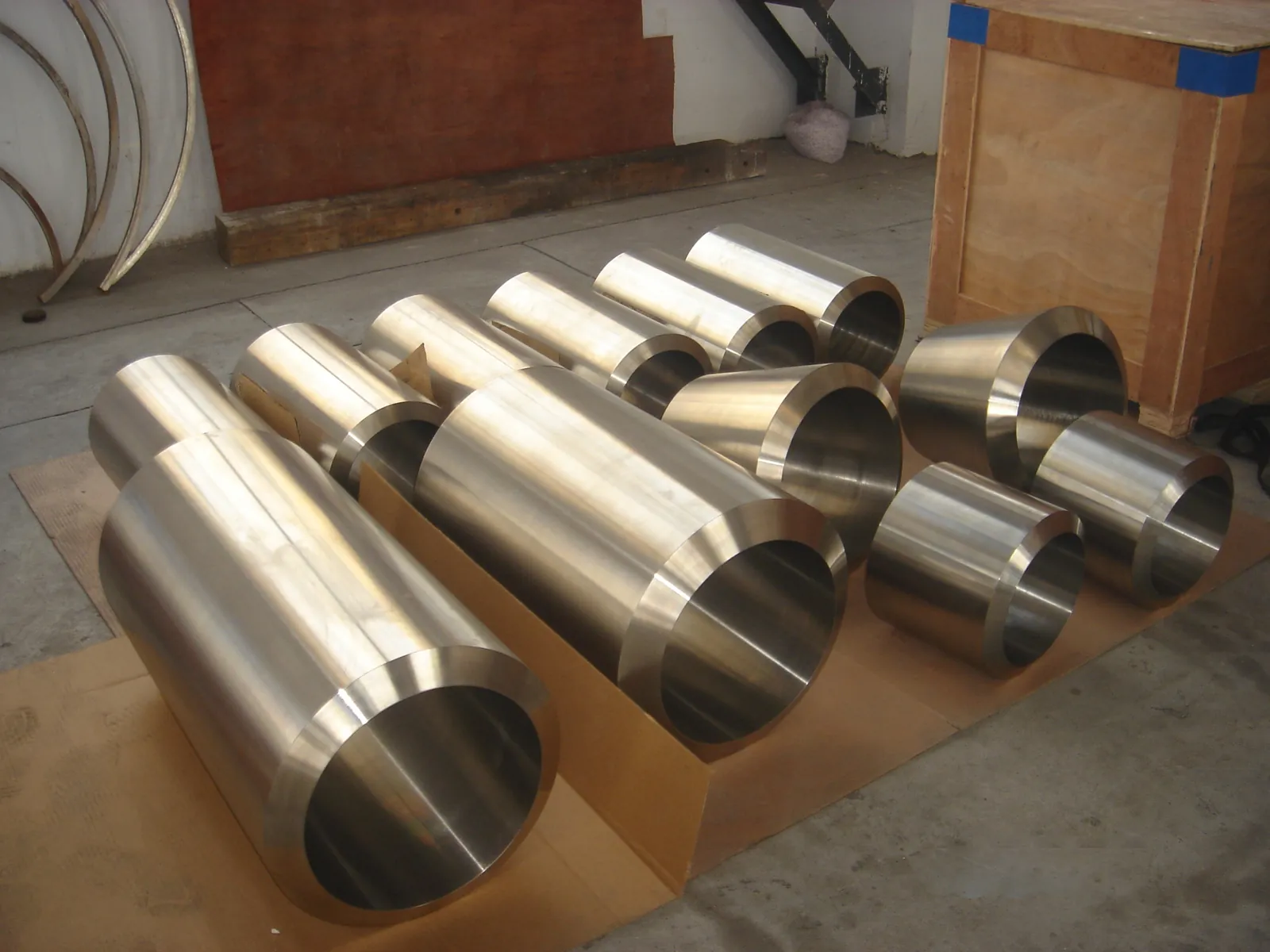
Applications
Applications of Alloy 25
Sliding and wear parts with a risk of galling or cavitation
Heart valves and other medical components
Hot gas turbine parts in older engine types
Bearing balls and races for high temperatures
Oil and gas components within NACE MR0175 / ISO 15156
Combustion chambers and afterburners for gas turbines
Springs required to function at high temperatures
Composition and properties
Composition and properties of Alloy 25 / 2.4964
Chemical composition
Mechanical properties at high temperatures
Typical values from Haynes International for hot-rolled bar, solution annealed at 2250 °F (1230 °C); these are not guaranteed minimums, and Haynes indicates that these are based on limited data. MPa and ksi values as published by Haynes. Typical solution-annealed hardness: 98 HRBW (bar). Composition according to Rolled Alloys (L-605). Minimum values according to AMS 5759 are agreed upon per order or in consultation. Haynes® is a registered trademark of Haynes International, Inc.; the mention of this brand name does not imply that the supplied material was produced by Haynes International.
Heat treatment and processing
Forging after thorough soaking at approximately 2200 °F (1205 °C)
Work-hardens very rapidly during deformation: intermediate annealing required for complex shapes
Final solution annealing at 2150 – 2250 °F (1175 – 1230 °C), followed by rapid cooling or water quenching
Annealing at lower temperatures causes carbide precipitation; therefore, always finish with solution annealing
Cold working significantly increases strength and hardness
Good weldability, but avoid submerged arc welding
Our approach
From inquiry to delivery
Inquiry & specification
You provide the product form, dimensions, quantity, and condition: solution annealed or cold worked. We fully incorporate any standard or proprietary specification on your drawing into the order.
Forging and solution annealing
Alloy 25 work-hardens quickly and requires intermediate annealing and rapid cooling after solution annealing. We agree on these steps for each specific order.
Quality Control & Delivery
Agreed tests and measurements follow the final heat treatment. You receive the piece rough, proof-machined, or finished, with a certificate and full traceability.
Quality
Certification and quality assurance
Proving what is delivered is just as important as strength with Alloy 25. We confirm the composition with heat analysis and, if desired, a PMI measurement, ultrasonically inspect the proof-machined piece for internal defects, and record the final solution annealing on the certificate. How we organize these checks per order is detailed on our quality assurance page.
Availability
Alloy 25 available as
Alloy 25 is available from us in the following product forms:
Frequently asked questions
Frequently asked questions about Alloy 25
Is Alloy 25 the same as L-605 and Haynes 25?
Yes, Alloy 25, L-605, and Haynes® 25 are names for the same cobalt alloy with UNS number R30605. Haynes® 25 is the brand name of Haynes International; L-605 and Alloy 25 are generic designations used by stockholders and forges. Rolled Alloys associates it with Werkstoffnummer 2.4964. For surgical implants, the same composition is defined in ASTM F90, the standard for wrought Co-20Cr-15W-10Ni.
Is Alloy 25 a nickel alloy?
No, Alloy 25 is a cobalt alloy. While nickel is an important alloying element at about 10%, cobalt makes up approximately half of the material. The misunderstanding arises because Alloy 25 is often mentioned in the same breath as nickel alloys like Alloy 718. Therefore, specify the UNS number R30605 or W.nr. 2.4964 on drawings and purchase orders to avoid confusion during procurement and inspection.
Up to what temperature is Alloy 25 usable?
Alloy 25 is suitable for long-term use up to approximately 1800 °F (980 °C), where oxidation resistance remains good. Haynes cites 1200 to 1800 °F (650 to 980 °C) as the range where the alloy performs best during very long service lives. Note that the material loses room-temperature toughness after long exposure at intermediate temperatures, similar to Alloy X and Alloy 625.
Do you also provide heat treatment for Alloy 25?
Yes. Alloy 25 is standardly supplied solution annealed, unless you specify a different condition. After forging, the piece is annealed at 2150 to 2250 °F (1175 to 1230 °C) for as long as the wall thickness requires, and then rapidly cooled or water quenched. This is done at a minimum according to the standard, or according to your own specification if it is more stringent.
Is Alloy 25 weldable?
Yes, Alloy 25 can be readily welded using TIG, MIG, shielded metal arc, electron beam, and resistance welding. Submerged arc welding is discouraged as it promotes cracking. Preheating is not necessary; keep the interpass temperature below 200 °F (93 °C). For filler metal, use welding wire according to AMS 5796 or coated electrodes according to AMS 5797, both with a composition matching the base material.
Why is Alloy 25 chosen for galling applications?
According to Haynes International, Alloy 25 has excellent resistance to galling and cavitation. Galling occurs when metal surfaces slide over each other under pressure and material adheres together. Furthermore, cold working makes the alloy very strong and hard. This combination makes it suitable for bearing balls and races, and for sliding surfaces that must continue to function at high temperatures.
How does Alloy 25 compare to Alloy 718?
Alloy 25 is a cobalt alloy that derives its strength from its composition, while Alloy 718 is a nickel alloy that is age-hardened. 718 is much stronger at room temperature and, according to Special Metals, usable up to approximately 1300 °F (704 °C). Alloy 25 is chosen specifically for higher temperatures; in Haynes' cavitation tests, it also outperformed Alloy 625. You can read more about 718 on our Inconel® page.
What are the hardness and density of Alloy 25?
Solution-annealed Alloy 25 bar has a typical hardness of 98 HRBW according to Haynes. This increases rapidly with cold work: sheet with 20% cold reduction reaches 44 HRC in Haynes tests. The density is 0.328 lb/in³ (9.07 g/cm³), approximately 15% higher than that of steel. Therefore, do not use steel values when calculating the input weight of a forging.
Which certificates and inspections are possible for Alloy 25?
For Alloy 25, you typically receive an inspection certificate 3.1 (EN 10204), issued by the producer's inspection department. If an independent body such as Lloyd's Register, ABS, or RINA must witness the material, it becomes a 3.2 certificate with the inspector's signature. Your specification determines which tests are included: consider spectral analysis, dye penetrant inspection, hardness testing, tensile testing, and microscopic grain size examination.
How quickly can Alloy 25 be delivered?
We determine the lead time for Alloy 25 per inquiry, as the availability of raw material, weight, and machining play a significant role. As a guideline: some proof-machined pieces are ready after 6 business weeks; for a fully finished part, you should usually allow 8 to 10 business weeks. If suitable material is in stock, it can sometimes be faster. You will receive a feasible delivery date with the quote.
In pictures
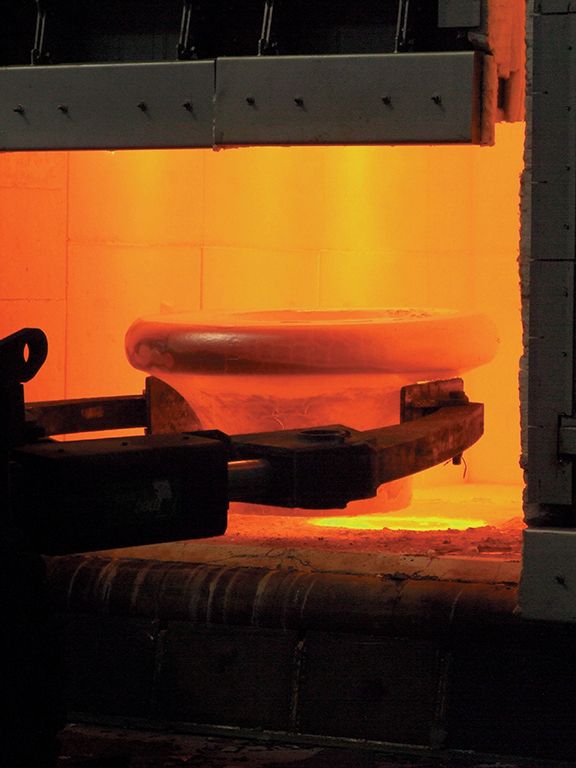
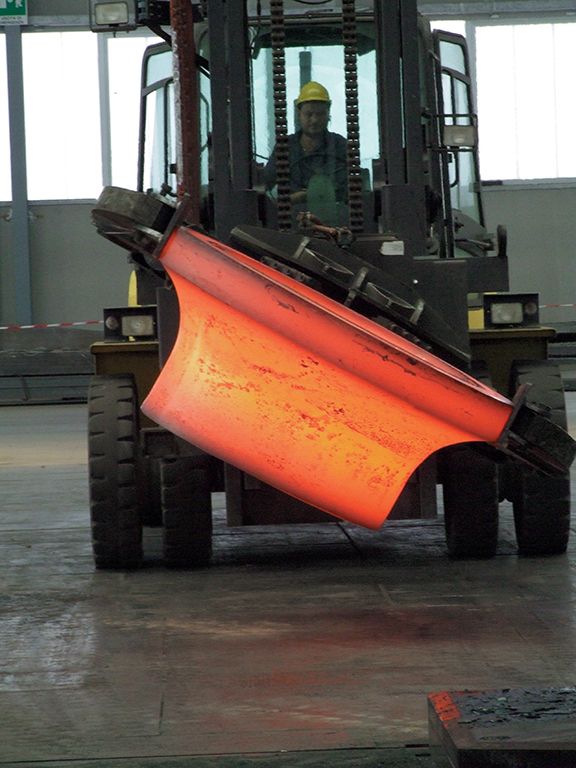
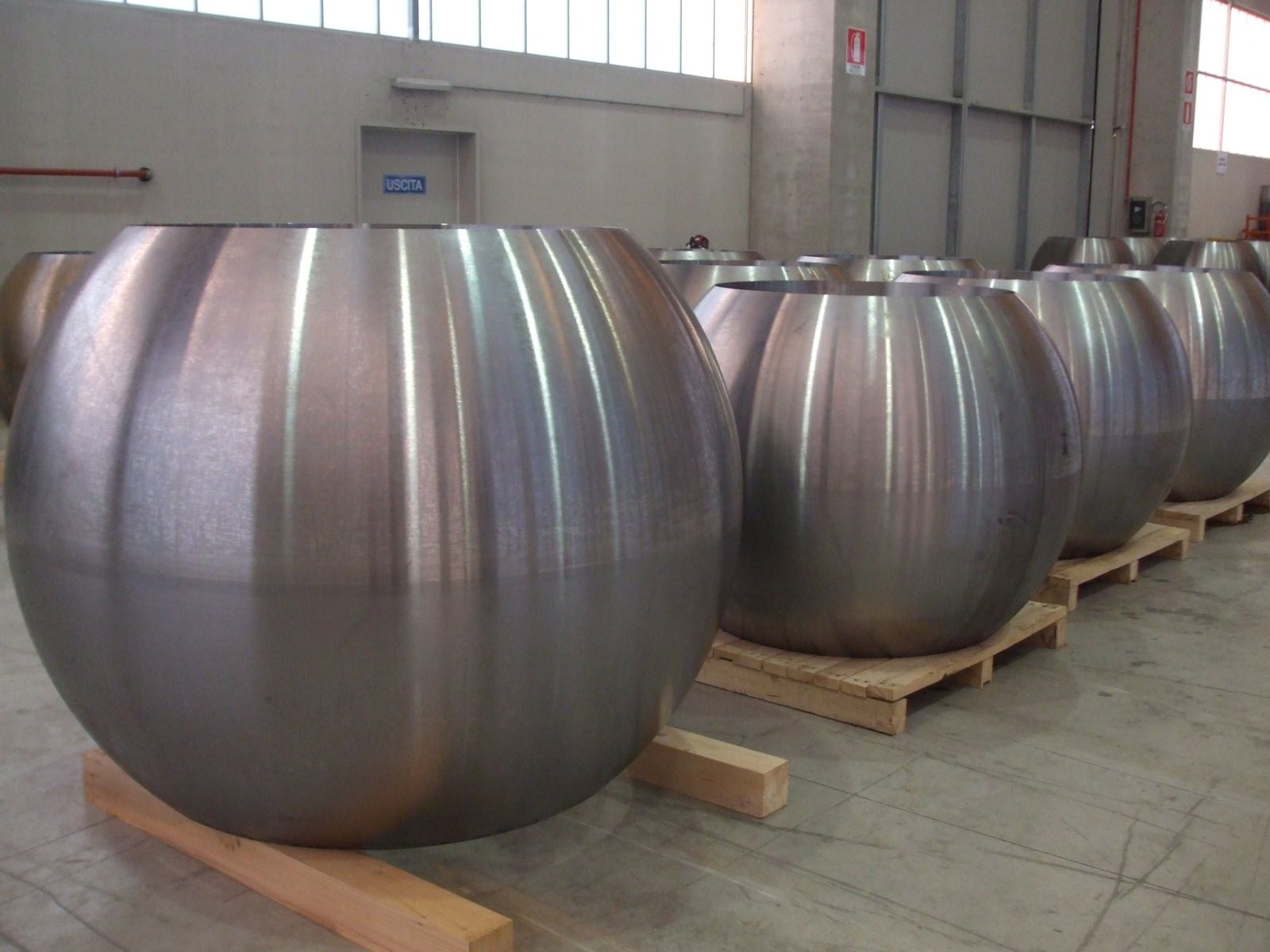
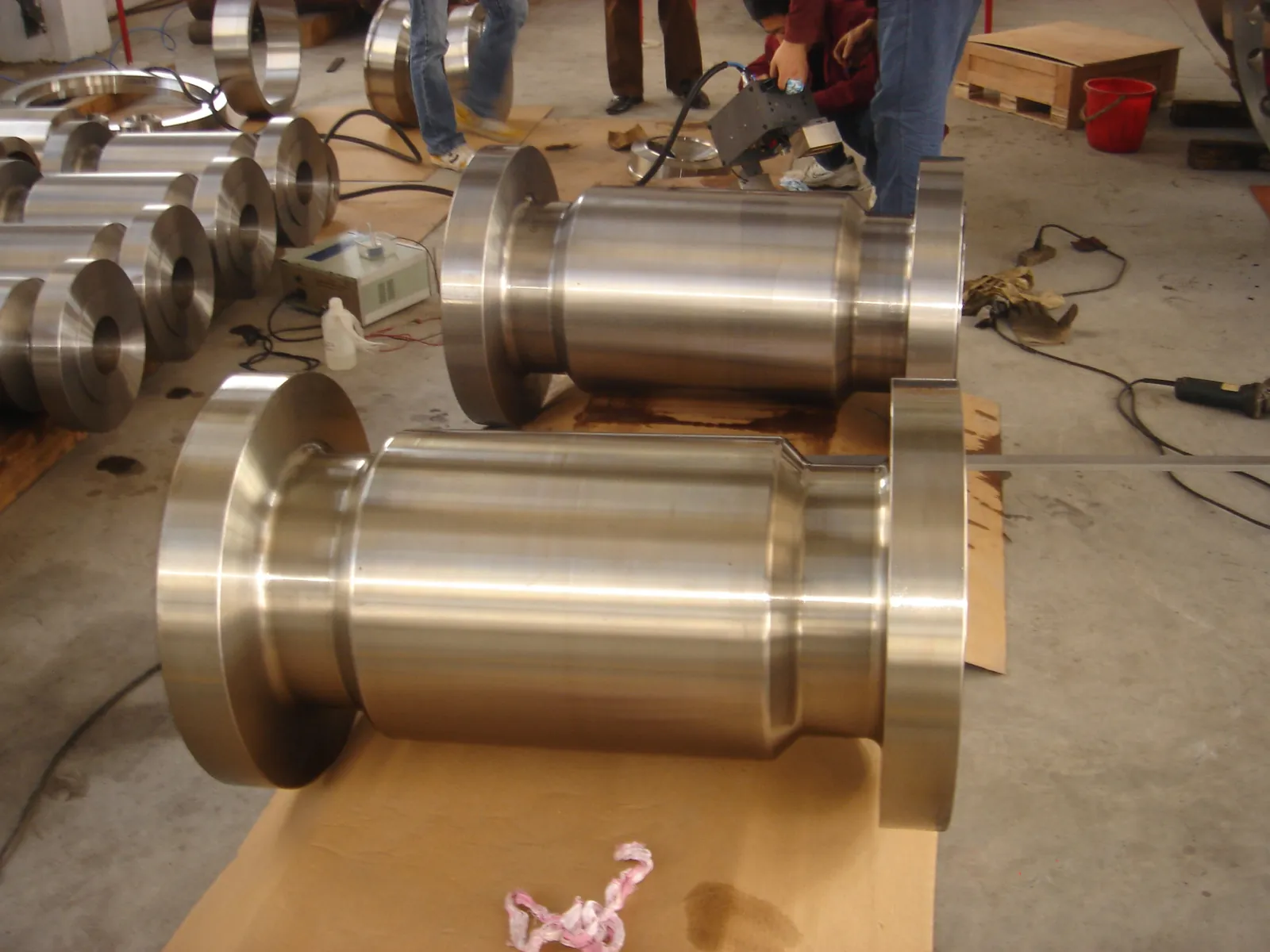
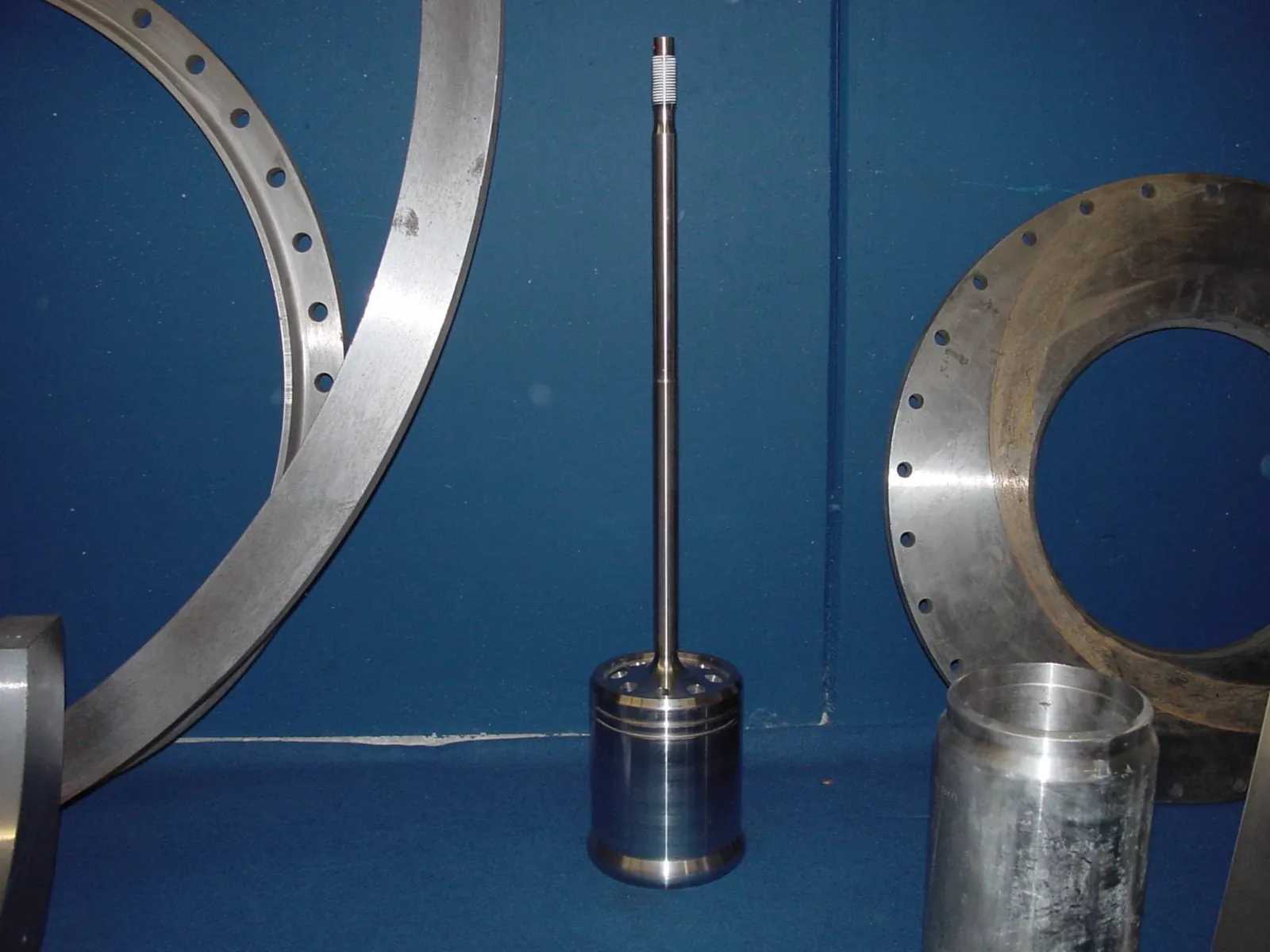
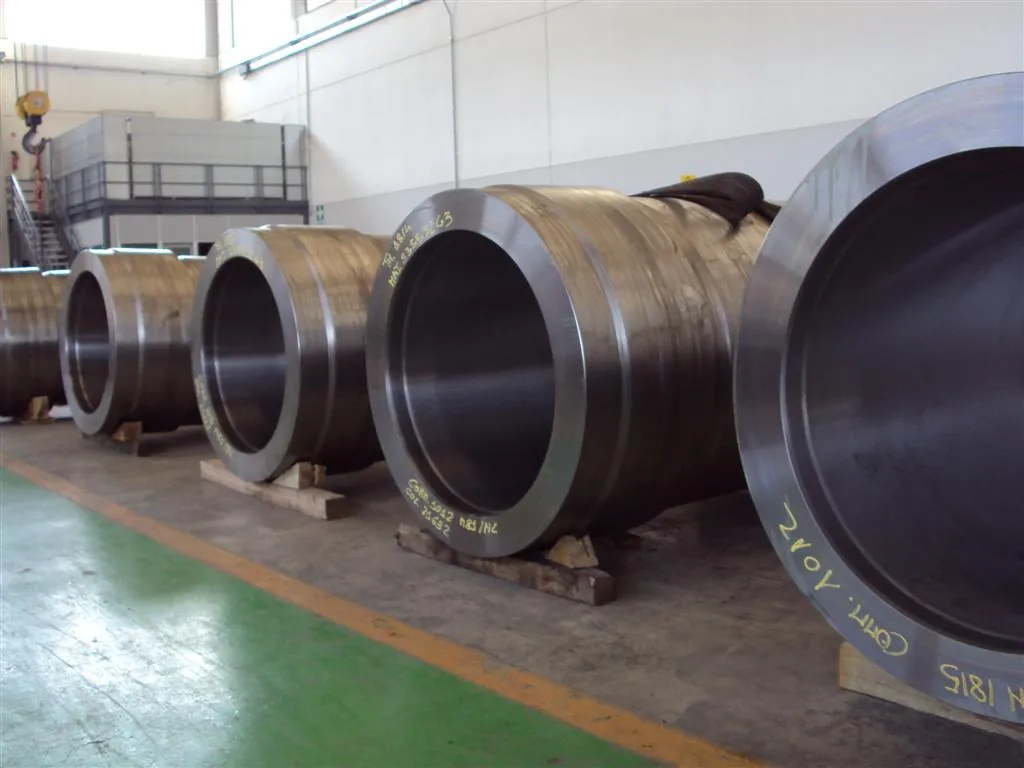
A selection of our work
Request a quote for Alloy 25 / 2.4964
Email your drawing or specification with the standard, dimensions, and desired quantity. We will quickly indicate which product form and inspection are feasible for Alloy 25.
Cobalt alloy according to AMS 5759
3.1 or 3.2 certificate
Single pieces and small series
Each piece tested individually
Request a quote
Leave your details, and we will contact you shortly.