
Centrifugal Casting
Weight from 1 kg, maximum diameter 1,500 mm, and maximum length 3,000 mm. All with a certificate and, if necessary, a (customer-specific) specification.
Centrifugal Casting
The Right Ring / Tube, in the Right Quality
Centrifugal casting is often chosen because certain dimensions cannot be purchased from stock. Additionally, centrifugal casting has a specific structure. Through the centrifugal casting process, we can deliver custom-made products. This is often specifically requested for certain applications such as in the offshore, valve, marine, hydraulic, and (petro)chemical industries.
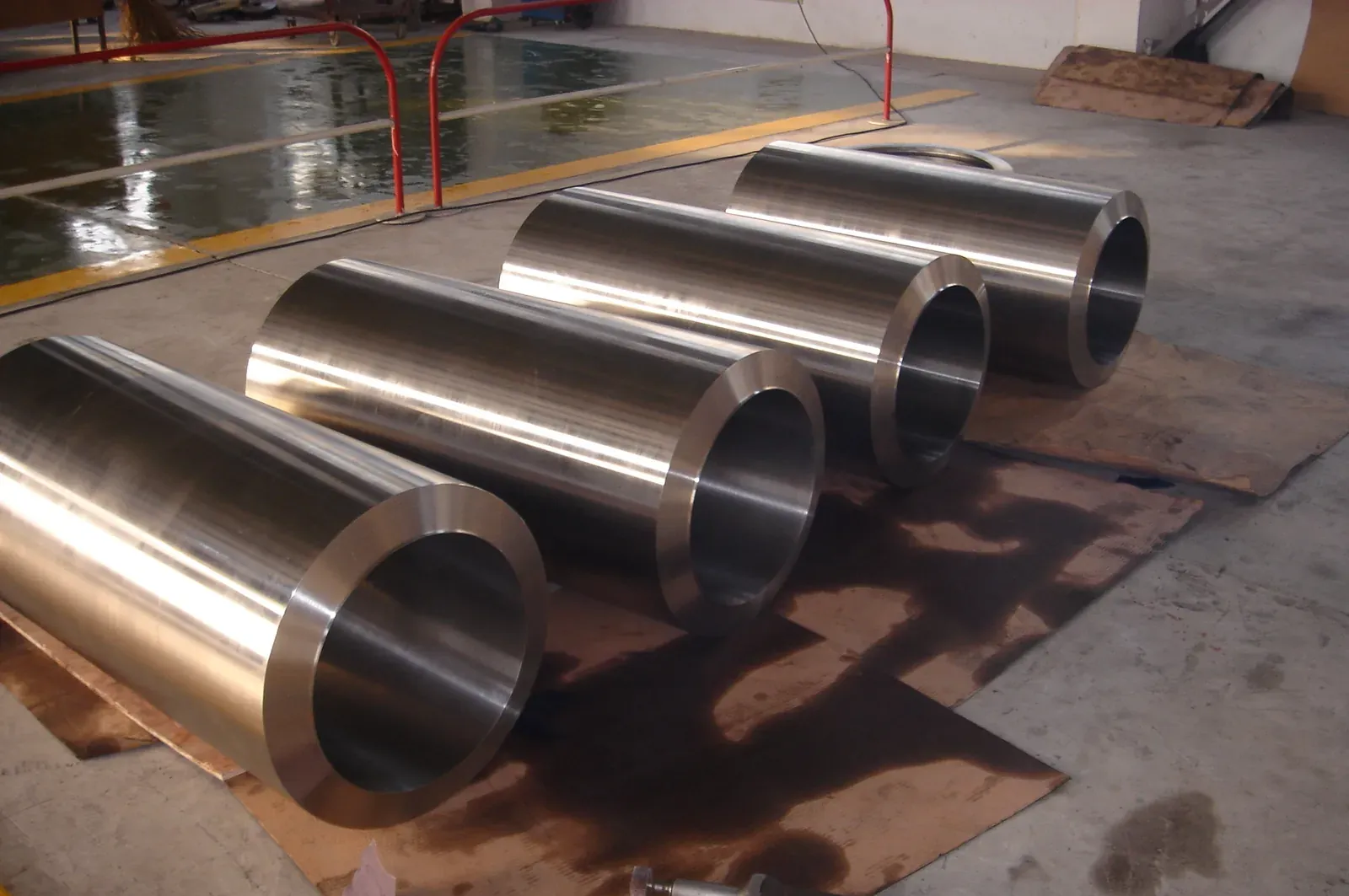
Execution
From Pre-machined to Fully Finished
Pre-machined
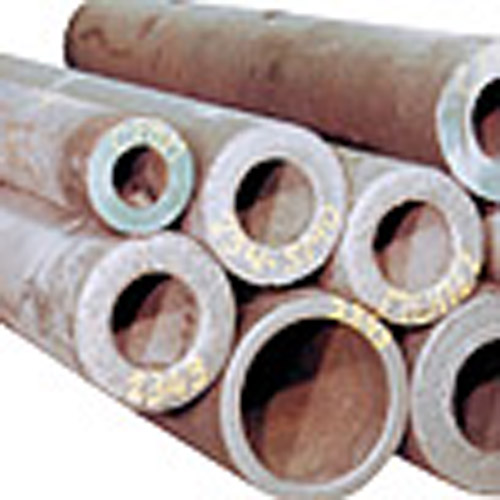
The tube is pre-machined for ultrasonic testing. If you need a shorter ring, we saw it from the tube, ready for you to finish yourself.
Fully Finished
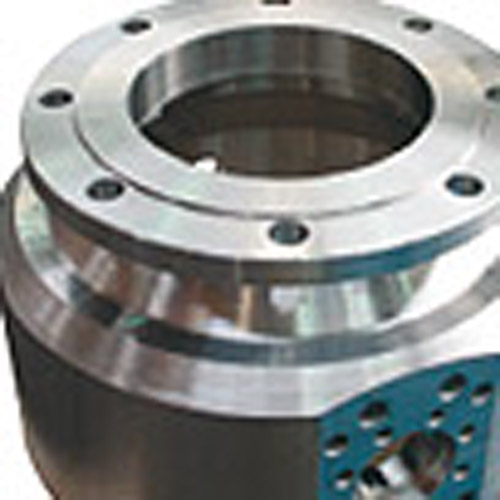
Finished to drawing, for example, as a seal ring, liner, or valve component. Always with a certificate.
Process
How a Centrifugally Cast Tube is Made
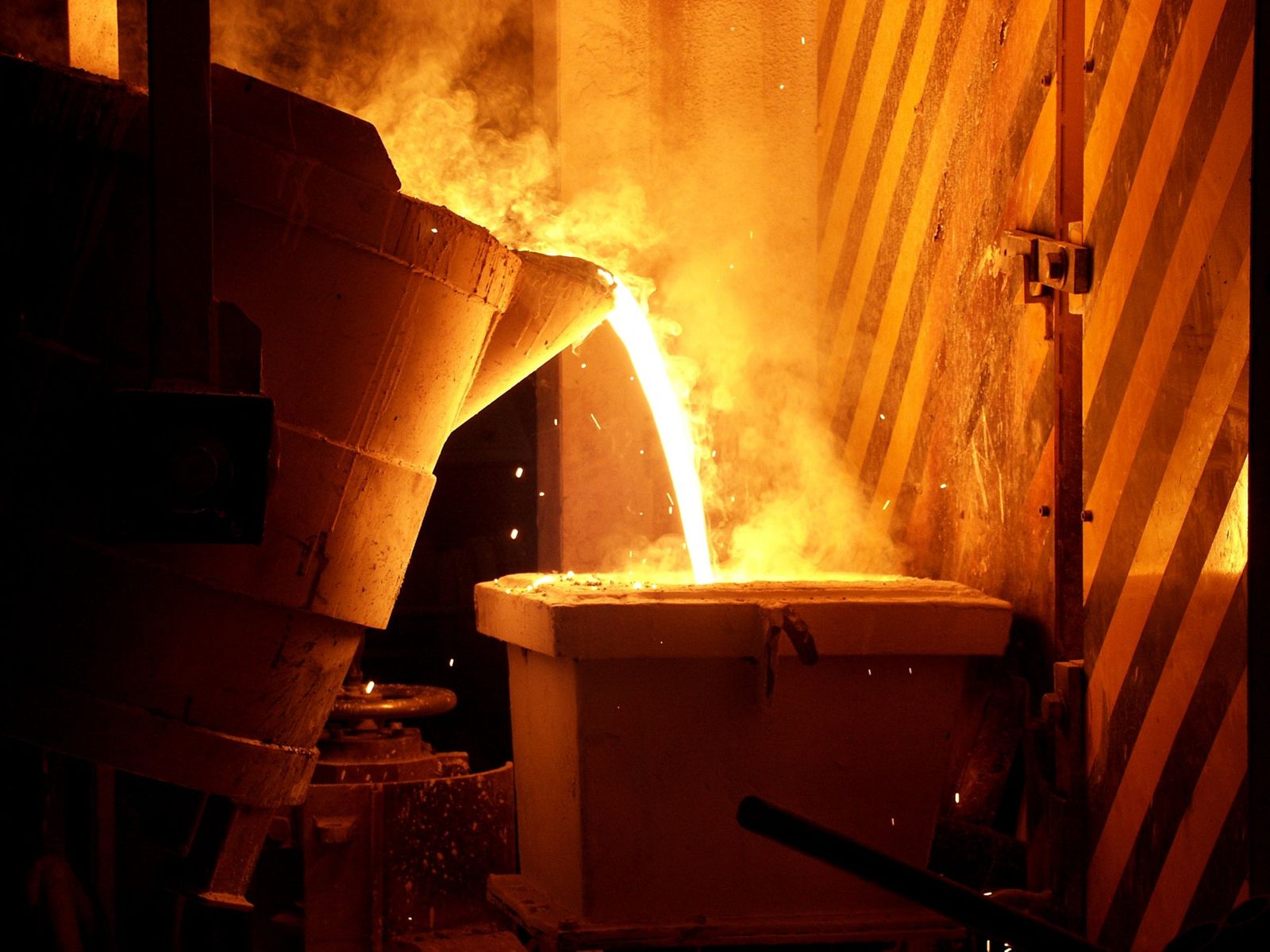
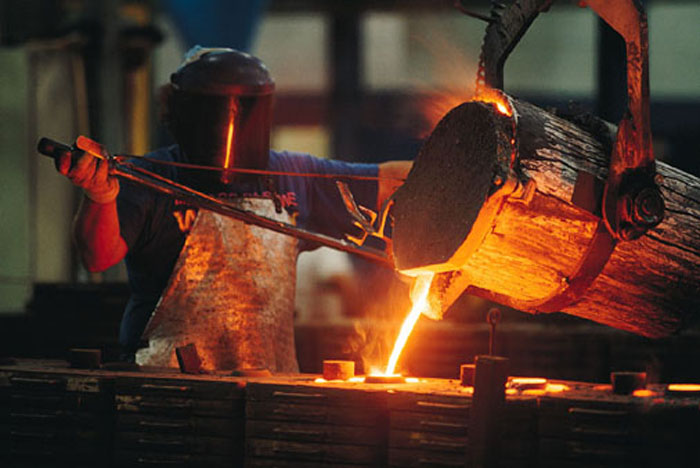
The molds are available in various diameters and lengths. Based on the customer's needs, the best mold is selected. The material is liquefied and poured into the mold, then spun at high force (up to 120G). This production method automatically compacts the material. This is followed by heat treatment. Subsequently, test pieces are taken, and the tube is pre-machined for ultrasonic testing and, if necessary, fully finished according to the customer's drawing.
Applications
For the Most Demanding Industries
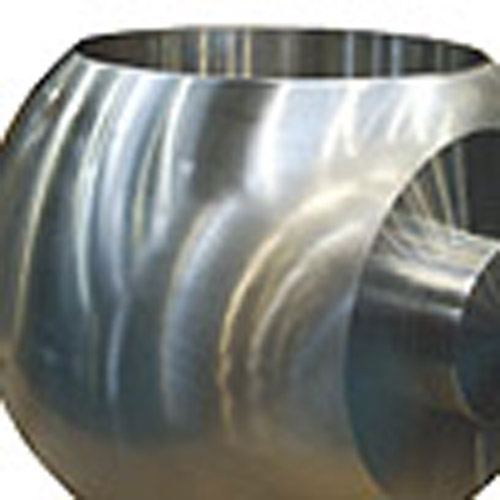
Valves
Piston rings
Seals
Our Approach
Your Partner in Centrifugal Casting
Tube or Ring?
Tell us if you need a tube or a ring and its intended purpose. We advise on alloy, wall thickness, and dimensions.
Choosing Alloy and Mold
We jointly determine the alloy, dimensions, and certificate. Then, we select the appropriate mold.
Costs and Delivery Time
We will send you a quote with costs and delivery time. We will discuss technical points with you in advance.
From Casting to Delivery
We monitor progress from the casting process to final inspection. The casting will be delivered to you with a certificate.
Material Qualities
Centrifugal Casting in Stainless Steel, Duplex, Super Duplex, and Nickel Alloys
Centrifugal casting is often chosen due to higher material density, and the spinning of the material forms a specific grain structure. The casting process makes it ideally suited for hollow shapes, resulting in less material waste and greater design freedom. Additionally, each tube is tested separately, ensuring 100% traceability and highly reliable quality. We can offer these tubes in stainless steel, Duplex, Super Duplex, and nickel alloys.
All Material QualitiesFrequently Asked Questions
All About Centrifugal Casting
What are the maximum diameter and length for centrifugal casting?
The maximum diameter of the centrifugally cast tube is 1,500 mm, and the maximum length is 3,000 mm per piece. We can also supply smaller heights, which are then cut from the tube. The remainder is stored for future projects.
In which material qualities do you supply centrifugal casting?
We can offer centrifugal casting in virtually all stainless steel qualities, Duplex, Super Duplex, and nickel alloys. Depending on the application and technical requirements, stainless steel and nickel alloys, among others, are possible. The material choice is tailored to the desired properties, standards, and any customer-specific specifications.
What is the difference between centrifugal casting and sand casting?
Centrifugal casting guarantees higher material density, fewer pores, and a specific grain structure. If necessary, production is also carried out according to customer-specific requirements.
What is centrifugal casting and why is it chosen?
There are several good reasons why companies choose centrifugal casting instead of, for example, static casting (such as sand casting):
1. Higher material density and fewer pores: Due to centrifugal force, the molten metal is pressed firmly against the mold wall during solidification. Lighter impurities, gases, and slag are driven towards the center (the inside), where they are later removed or machined off. The result is a denser, more homogeneous material with fewer shrinkage cavities than with static casting.
2. Directed grain structure: Solidification proceeds from the outside inward (from the cold mold wall to the center), resulting in a favorable, directed grain structure, similar to some of the advantages seen in forging, although it is not a replacement for it.
3. No core needed for hollow shapes: For hollow, symmetrical products (tubes, bushings, rings, cylinders), centrifugal casting does not require a separate core; the rotation itself forms the cavity. This saves tooling, time, and the risk of core displacement.
4. Less material waste: There is no (or much less) gating system with pouring channels, feeding systems, and overflow needed as in static casting. This increases the yield of the metal used.
5. Greater design freedom for round shapes: For cylindrical or round components (e.g., pump housings, turbine components, flanges), it is an efficient way to produce relatively large, thick-walled parts that would otherwise be difficult to forge or machine.
6. Suitable for difficult-to-form alloys: Some high-alloy materials (e.g., heat-resistant or corrosion-resistant alloys used in oil and gas applications) are difficult to forge but can be centrifugally cast well.
Do you supply centrifugal casting raw, pre-machined, or fully finished?
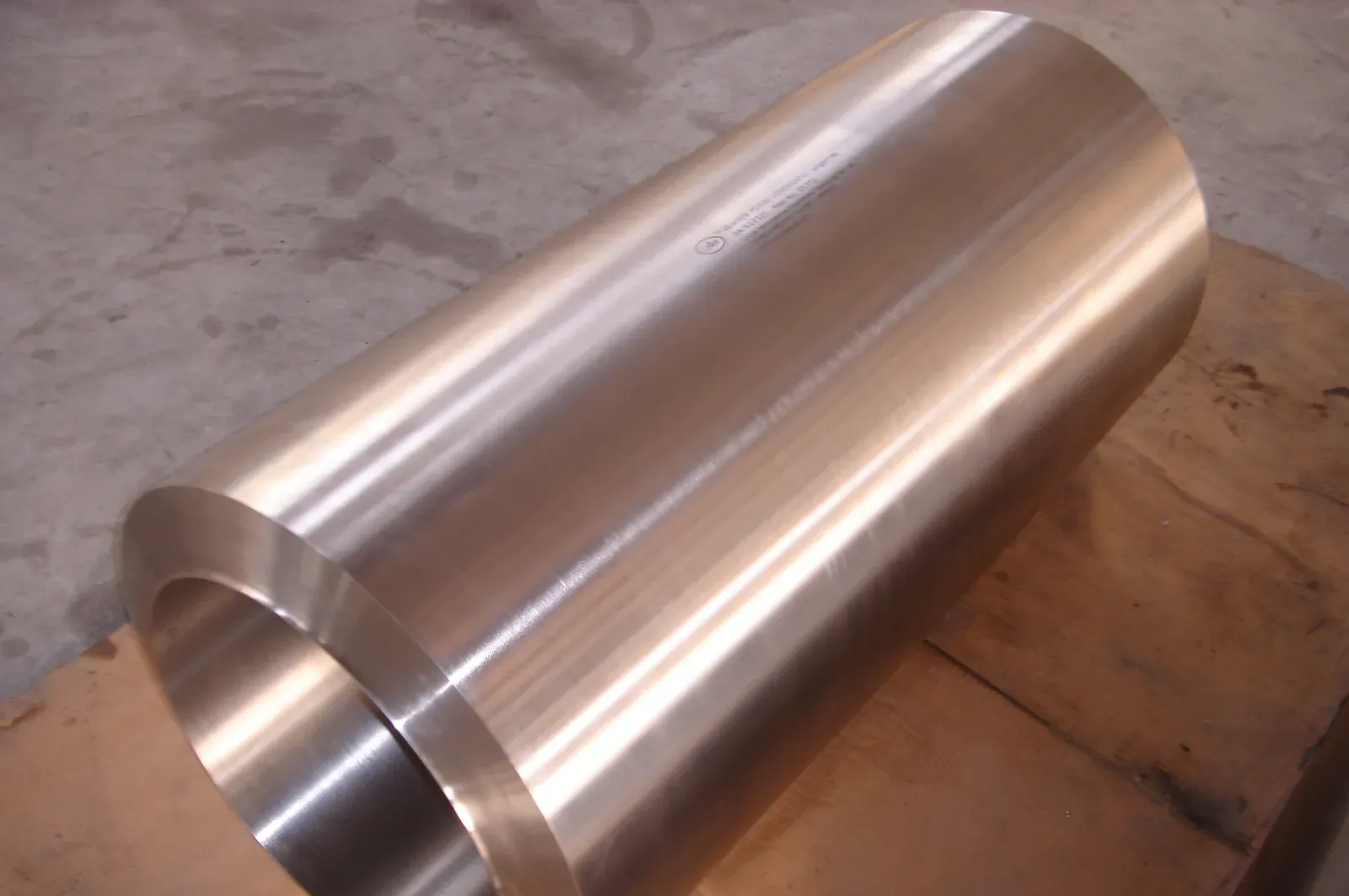
We primarily supply centrifugal casting pre-machined, so we can at least perform ultrasonic testing. Additionally, we can also offer fully finished castings, entirely according to the customer's drawing and requirements. In this way, both pre-machined and fully finished versions of cast tubes can be supplied, depending on the desired execution.
What diameters are possible with centrifugal casting?
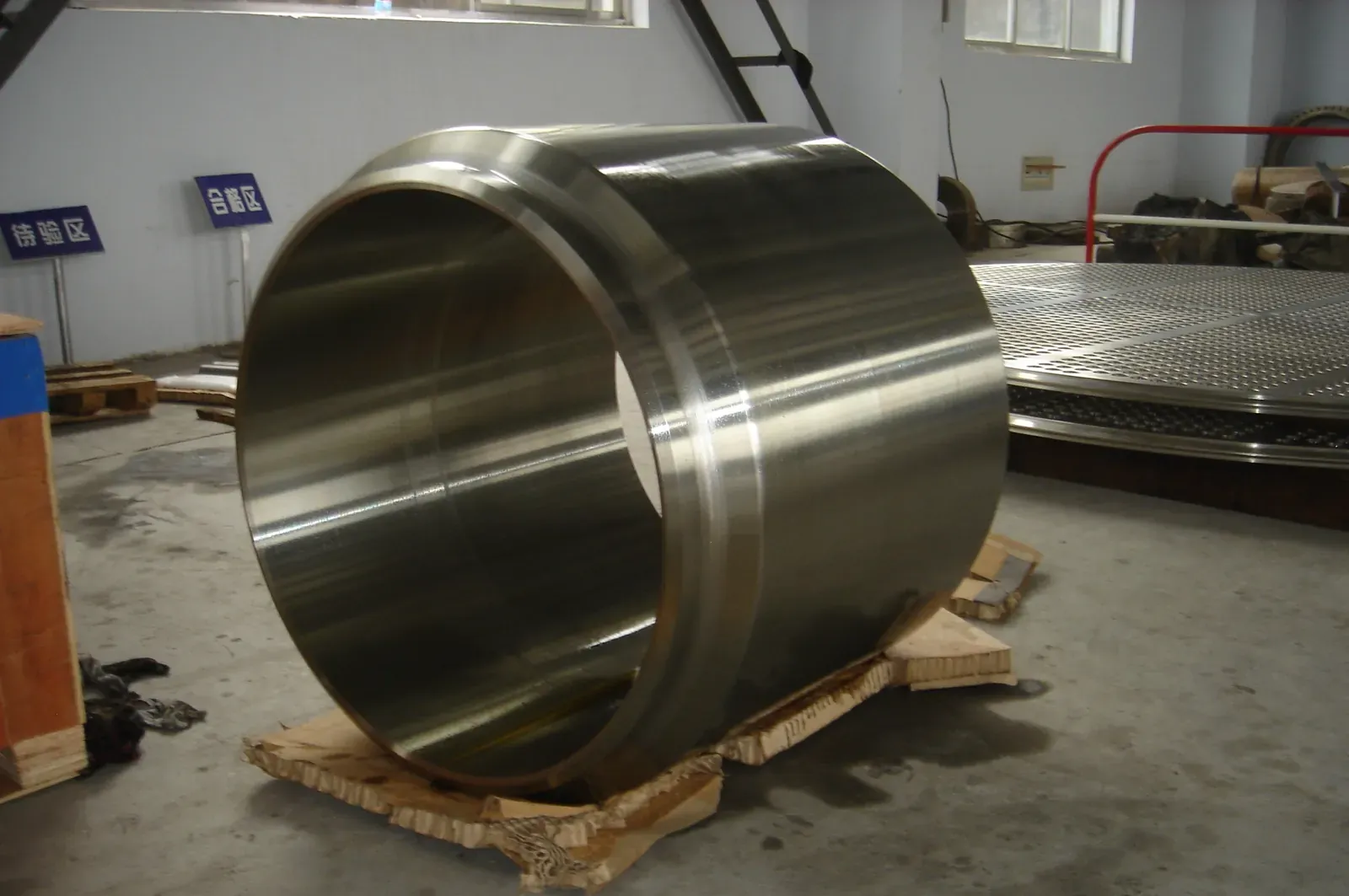
Diameters up to 1,500 mm are possible with centrifugal casting. This allows for the supply of thick-walled tubes. This wide diameter range makes it possible to apply castings for various industrial applications where larger dimensions / thick-walled tubes are required.
Do you apply heat treatment, and is it included as standard?
All tubes / rings are heat-treated, at a minimum according to the standard associated with the material quality. Additionally, we can perform specific heat treatments according to customer-specific requirements. In this way, the heat treatment and execution can be tailored to the applicable material quality and any additional customer requirements.
Is centrifugal casting suitable for critical applications, such as in the oil and gas industry, offshore, liners, etc.?
Yes, centrifugal casting is particularly suitable for critical applications, including in the oil, gas, and offshore industries, and specifically for seal rings and liners. This is due to the specific material structure, dimensions, and requirements demanded by these applications. Centrifugal casting can therefore be used for applications where specific demands are placed on the material and the product.
What is the usual delivery time for centrifugal casting?
The delivery time for centrifugally cast tubes depends on the weight and dimensions. For pre-machined versions, we can deliver certain tubes / rings within 6 working weeks. For fully finished tubes / rings, the delivery time is 8 to 10 working weeks. The exact delivery time therefore depends on the execution, weight, and dimensions of the casting in question. Sometimes we can also deliver certain qualities / diameters very quickly from stock.
Do you supply single pieces or small series of centrifugal casting?
Yes, centrifugal casting is specifically used for single pieces and small series because it avoids the need to invest in an expensive mold. Because we use centrifugal casting, we can offer centrifugal castings as single pieces. This makes centrifugal casting suitable when specific dimensions or designs are needed and a large series is not required.
Request Your Non-Binding Quote
Send us the alloy, outer diameter, wall thickness, and length of your tube or ring. We will review the possibilities and respond quickly.
Always with Certificate
Single Pieces and Small Series
Diameters up to 1,500 mm
Stainless Steel, Duplex, and Nickel Alloys