
Duplex Stainless Steel (Duplex Steel) | Forged & Certified
Duplex stainless steel, primarily W.nr. 1.4462 / UNS S31803: ferritic-austenitic stainless steel for chloride media, forged or cast, with advice on 22Cr or super duplex.
About This Grade
What is Duplex Stainless Steel?
Duplex stainless steel, also called duplex steel, is stainless steel with a two-phase structure of ferrite and austenite, in approximately equal parts. The standard duplex grade is 22Cr duplex, known in Europe as 1.4462 and internationally as UNS S31803 or 2205. Due to this mixed structure, the material combines a high yield strength with good resistance to stress corrosion cracking in chloride-containing media.
For a new design, the main question is usually which type of duplex is suitable. Austenitic 316L typically has a PREN of approximately 24. 22Cr duplex, depending on the exact analysis, ranges between 30.9 and 38.0, with typical deliveries around 35. For super duplex (25Cr), a PREN of 40 or higher is the common requirement. A higher PREN means greater resistance to pitting corrosion in seawater, brine, and aggressive process fluids.
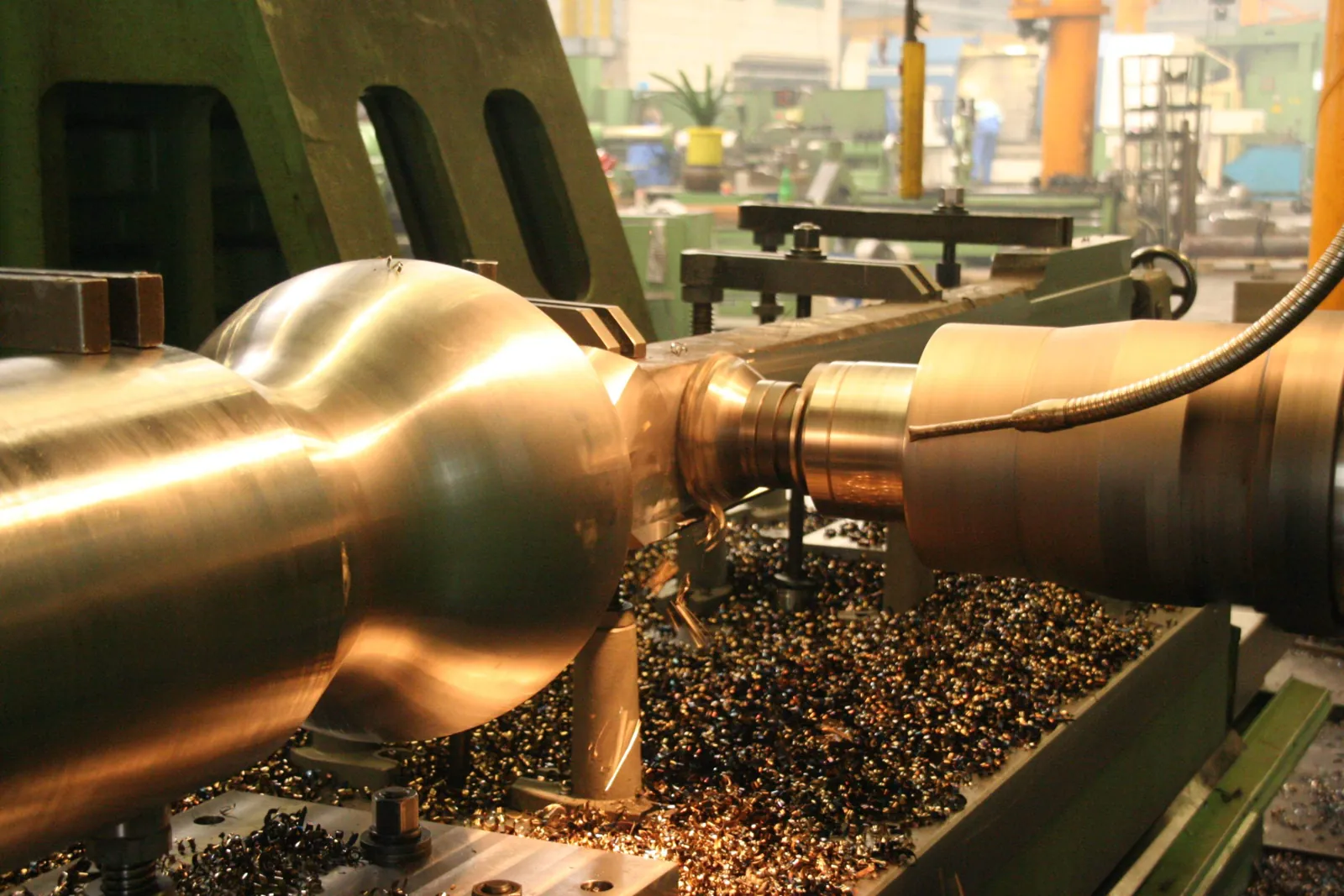
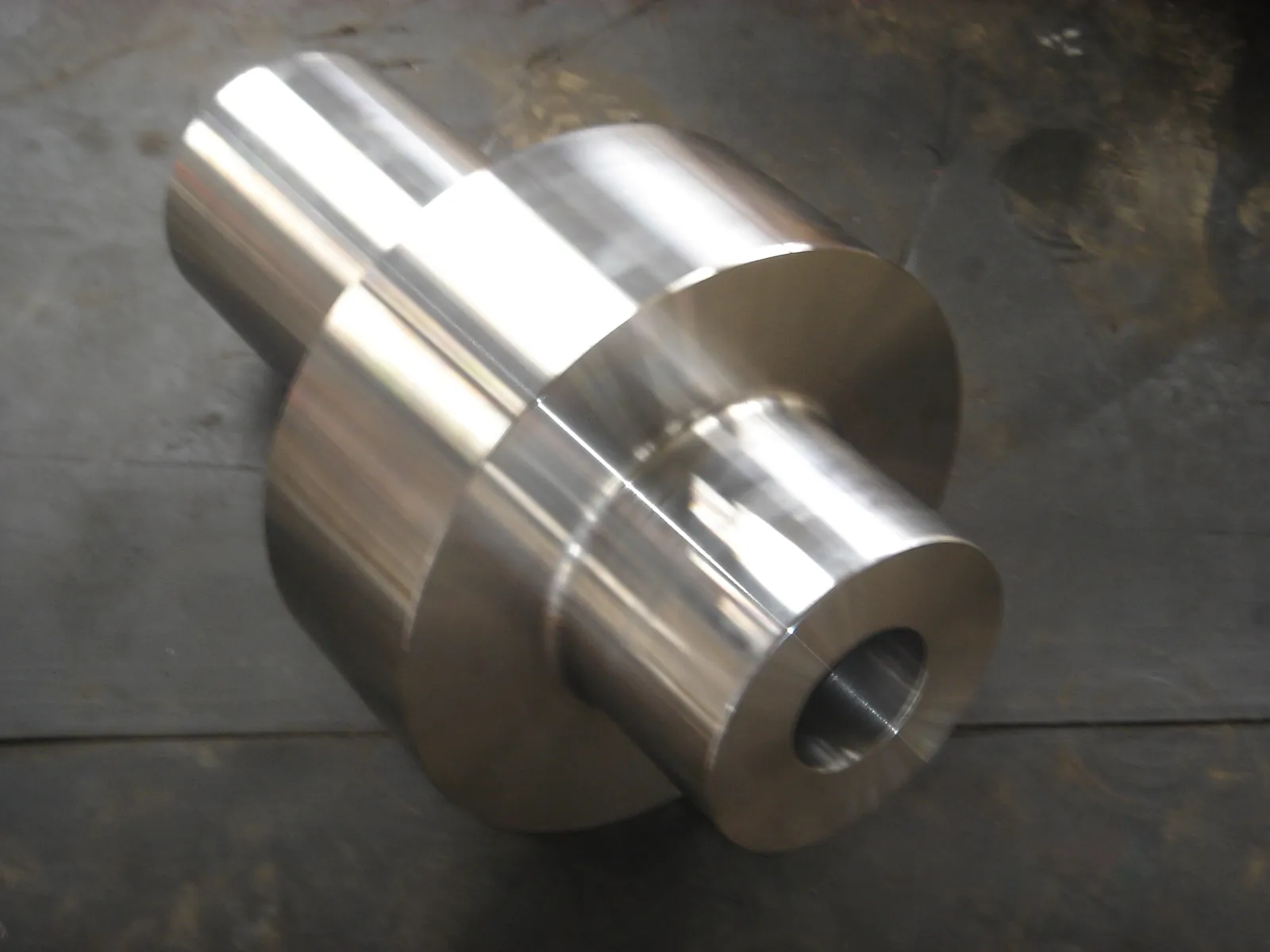
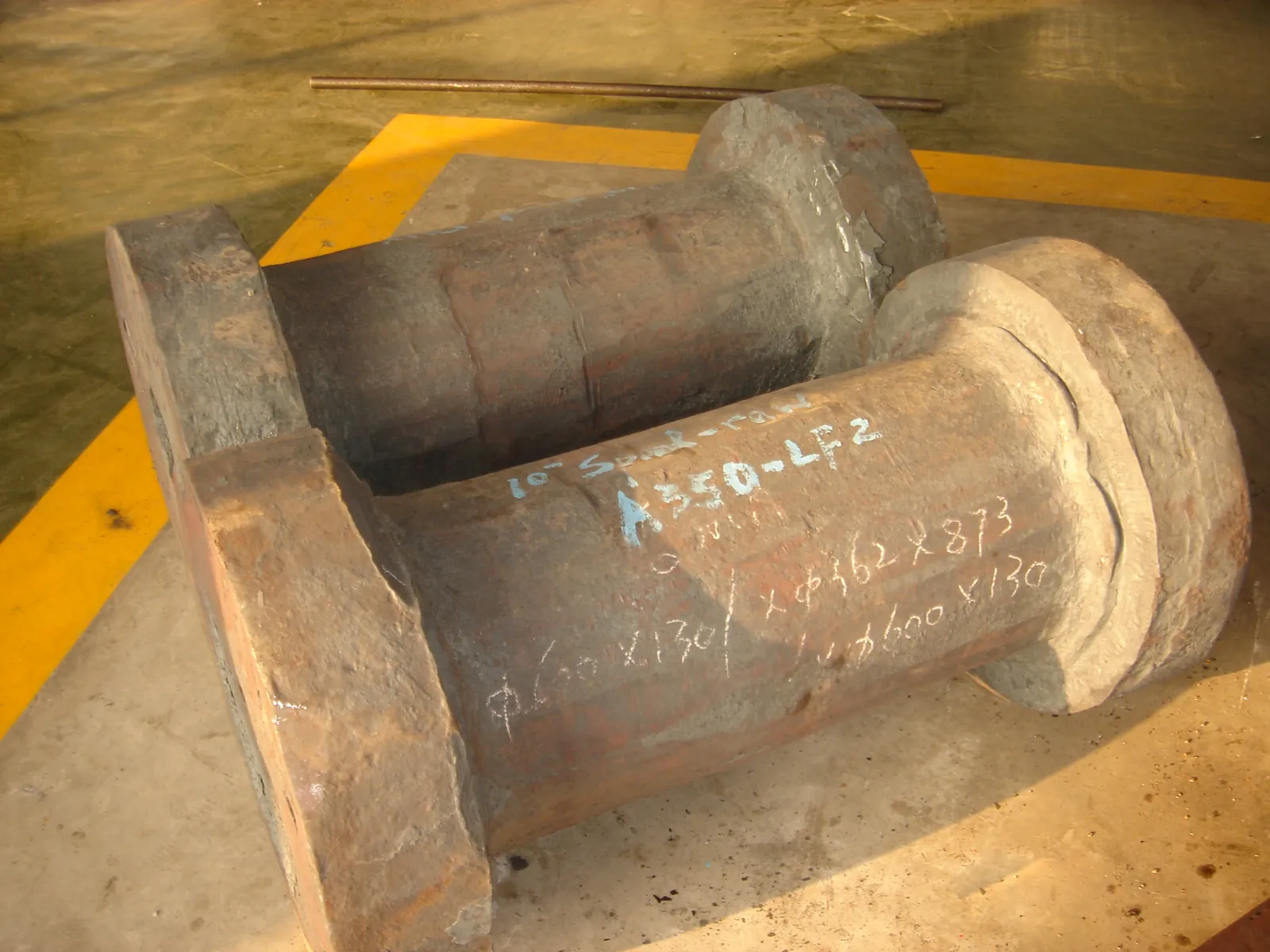
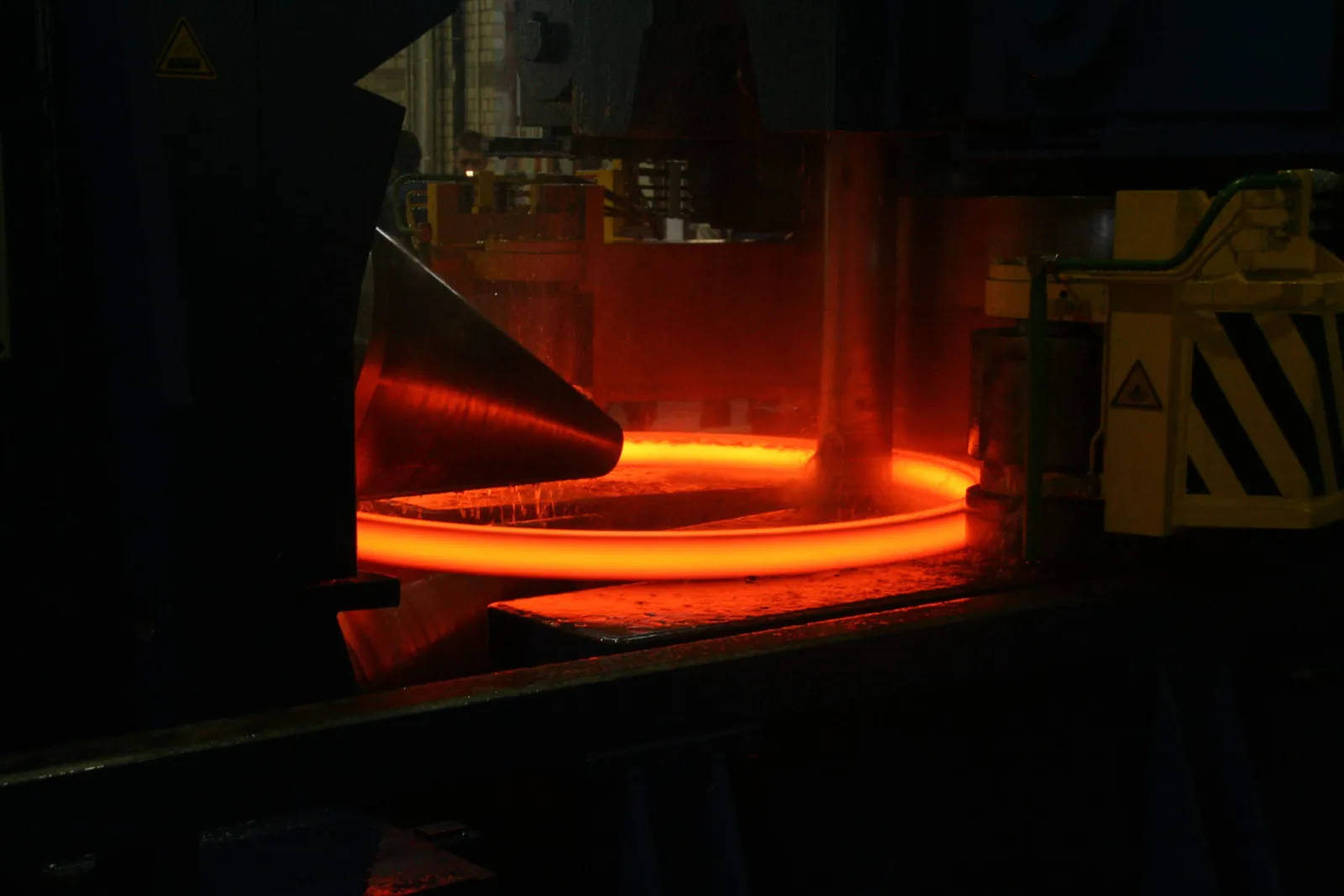
Metal Service Europe supplies duplex as forgings, from bars and rings to discs, flanges, and custom parts according to drawing, and as castings, including centrifugal castings or sand castings. This can be for single pieces or small series. If you are unsure which variant is suitable, we provide advice during the inquiry phase.
Applications
Duplex Applications
Chokes, Xmas Trees, and Manifolds Offshore
Piping and Flanges in (Petro)chemistry
Desalination Plants
Pumps and Valves for Seawater and Brine
Flue Gas Desulfurization
Shipbuilding and Offshore Structures
Food Industry and Breweries
Composition and Properties
Composition and Properties of Duplex Stainless Steel: 1.4462 and 1.4410
Chemical Composition
Mechanical Properties (Solution Annealed)
Minimum values in solution annealed condition according to EN 10088-3, for cross-sections up to 160 mm. Composition according to EN 10088-3; PREN calculated over standard limits. Larger forgings: properties according to EN 10250-4 or specified per order. ZERON® is a trademark of Rolled Alloys.
Heat Treatment and Processing
Stress Corrosion: Duplex is much more resistant to this than austenitic stainless steel
Seawater: 1.4462 is resistant at 20 °C; for warm water and crevices, super duplex offers more margin
Temperature: 1.4462 usable from -100 to 250 °C
Welding: requires a qualified procedure and appropriate filler material for the correct phase balance
Heat Treatment: always solution anneal and rapidly cool in water or air
Machining: the two-phase structure requires coated carbide or cermet
Our Approach
From Inquiry to Delivery
Inquiry & Specification
You describe the medium, chloride content, temperature, and load. Based on this, we advise 22Cr duplex, super duplex, or an austenitic grade, and agree on the standard.
Forged or Cast, Rapidly Cooled
Forged or cast: duplex must be rapidly cooled after solution annealing. We agree on the heat treatment in advance and monitor the process until final inspection.
Quality Control & Delivery
PMI confirms the alloy, microscopic examination confirms the phase balance, and mechanical tests confirm the strength. Delivery then follows in the agreed-upon finish: rough, pre-machined, or fully machined.
Quality
Certification and Quality Assurance
Duplex projects often fall under offshore or pressure equipment specifications, such as NORSOK and PED. We incorporate these requirements into the order in advance: which tests, which hardness limit, and which inspection body. Acceptance is possible by DNV, TÜV, Bureau Veritas, or Lloyd's Register, among others. We test each duplex piece separately, with full traceability. You can read more about our working methods under quality assurance.
Available
Duplex Available as
We supply duplex and super duplex as forgings and castings, for single pieces or small series:
Frequently Asked Questions
Frequently Asked Questions about Duplex Stainless Steel
What is the difference between duplex and austenitic stainless steel like 316?
Duplex has a mixed structure of ferrite and austenite, while 316 is fully austenitic. As a result, the yield strength of duplex is typically about twice as high as that of austenitic stainless steel without nitrogen, and its resistance to stress corrosion cracking in chloride-containing media is much better. Duplex also performs better against pitting corrosion, thanks to more chromium, molybdenum, and nitrogen. On the other hand, duplex is more difficult to machine, is magnetic, and has a lower maximum operating temperature.
What types of duplex stainless steel are there?
Roughly, there are four groups: lean duplex, standard duplex, super duplex, and hyper duplex. Lean duplex, such as 2304 (1.4362), contains little or no molybdenum. Standard duplex is 22Cr duplex 2205 (1.4462), accounting for almost 60% of duplex usage according to IMOA. Super duplex, such as 2507 (1.4410), has approximately 25% chromium and a PREN of 40 to 45. Hyper duplex, such as S32707, is above that. You can read more about 2205 on the page about 1.4462.
Up to what temperature can duplex stainless steel be used?
Duplex stainless steel is intended for moderate operating temperatures. With prolonged exposure between approximately 280 and 500 °C, the material embrittles, known as the 475 °C effect. Therefore, EN 10028-7 limits the operating temperature of duplex to 250 °C; according to Outokumpu, ASME specifies general use up to 316 °C. If your design temperature is higher, we recommend an austenitic grade or a nickel alloy.
Is duplex stainless steel magnetic?
Yes, duplex stainless steel is ferromagnetic. This is due to the ferrite, which forms about half of the structure. A magnet will therefore stick, and this says nothing about the quality of the material. To determine if a piece is truly duplex, a PMI measurement or spectral analysis is used. During final inspection, we use these analyses to rule out material mix-ups.
What is sigma phase and why is it a risk with duplex?
Sigma phase is a hard, brittle phase that forms in duplex if the material remains too long between approximately 600 and 900 °C, especially in the ferrite. The steel thereby loses toughness. Therefore, duplex is forged above that temperature range, then solution annealed and rapidly cooled. Whether harmful phases have formed is shown by a test according to ASTM A923, which includes 2205 and 2507, among others.
Is duplex suitable for seawater?
At room temperature, yes, but the margin for 22Cr duplex is limited. In laboratory tests by the manufacturer, 1.4462 is resistant to seawater at 20 °C, while in saturated salt solution there is already a risk of pitting corrosion. Warmer water and crevices increase the risk. For seawater systems, super duplex is therefore often more appropriate.
Is duplex stainless steel weldable?
Yes, duplex stainless steel is weldable, provided the welding procedure maintains the balance between ferrite and austenite. Common filler material contains 2 to 4% more nickel than the base material, such as E2209 for 2205. Preheating is generally not recommended. Too low heat input results in too much ferrite, too high increases the chance of intermetallic phases. As a guideline, the interpass temperature remains below 150 °C, and for super duplex, below 100 °C.
Can duplex also be cast instead of forged?
Yes. We also supply duplex and super duplex as centrifugal castings, from 1 kg and up to 1,500 mm diameter and 3,000 mm length, and as sand castings up to 5,000 kg net. Castings are interesting for bushings, pump housings, and complex shapes. For heavily loaded rings, shafts, and flanges, a forging is more suitable. We discuss the appropriate route based on your drawing.
What inspections are part of a duplex order?
A duplex order typically receives an EN 10204 3.1 certificate with analysis, solution annealing treatment, and mechanical values. Depending on the application, we add tests such as a low-temperature impact test, an intergranular corrosion test, microscopic examination, or PMI. If an external party needs to be involved, we arrange a 3.2 acceptance, for example by RINA or ABS.
How quickly can you deliver duplex?
For a pre-machined duplex forging, we typically estimate 6 working weeks or less in favorable cases. If the part needs to be fully machined, generally plan for 8 to 10 working weeks. Heavy pieces and additional inspections will extend this schedule. If you are looking for a commonly used dimension, we check if material is available from stock. This way, an urgent order can sometimes be delivered significantly faster.
In Pictures
A Selection of Our Work
Related Grades
Request a Quote for Duplex / 1.4462
Are you hesitating between 316, duplex, and super duplex? Send your drawing with medium and operating temperature. We will advise on the suitable grade and provide a customized quote.
EN 10204 3.1 or 3.2
Advice on 22Cr or 25Cr
Forged and Cast
Single Pieces and Small Series
Request a Quote
Leave your details, and we will contact you shortly.