
Forged Blocks
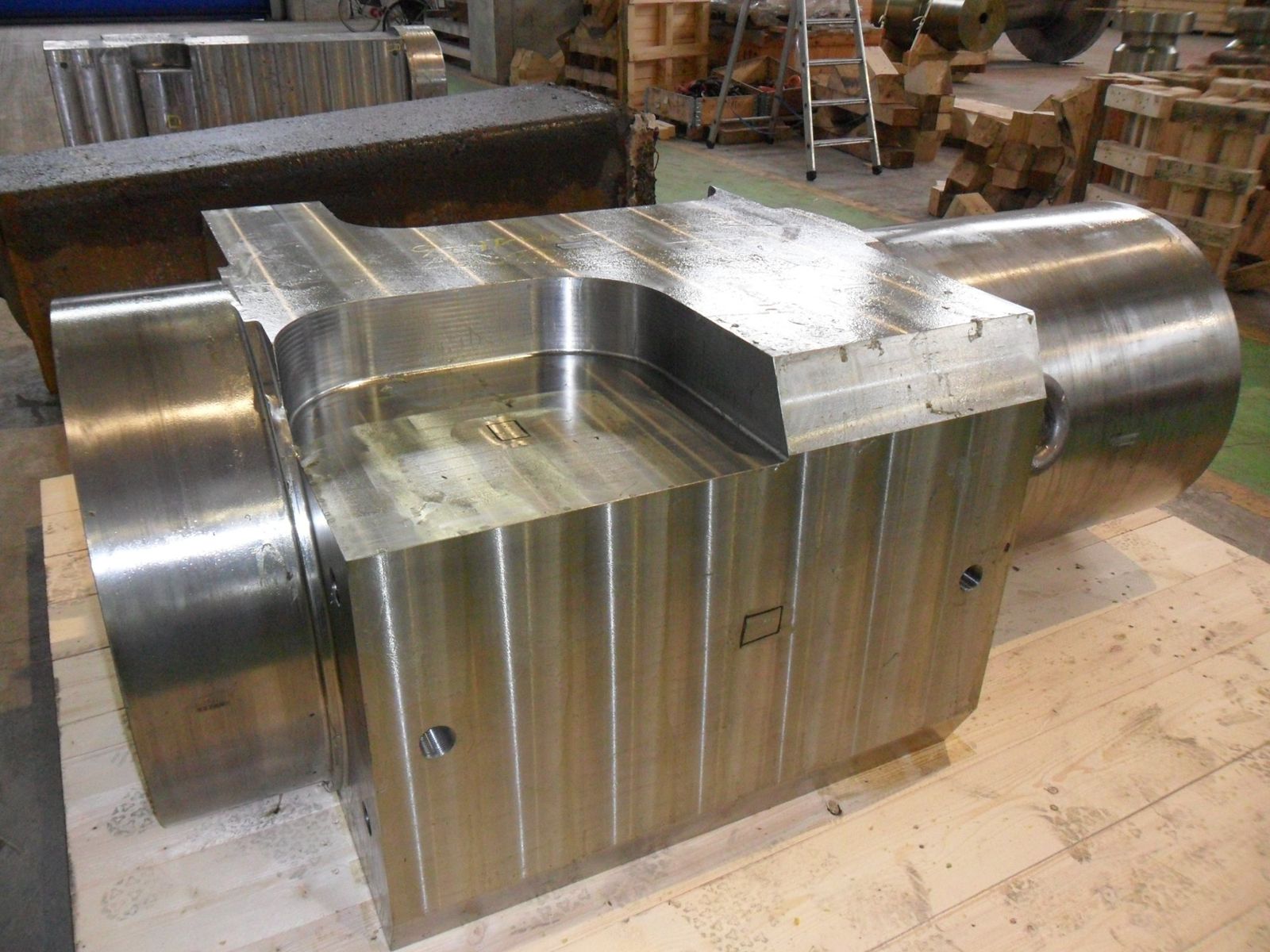
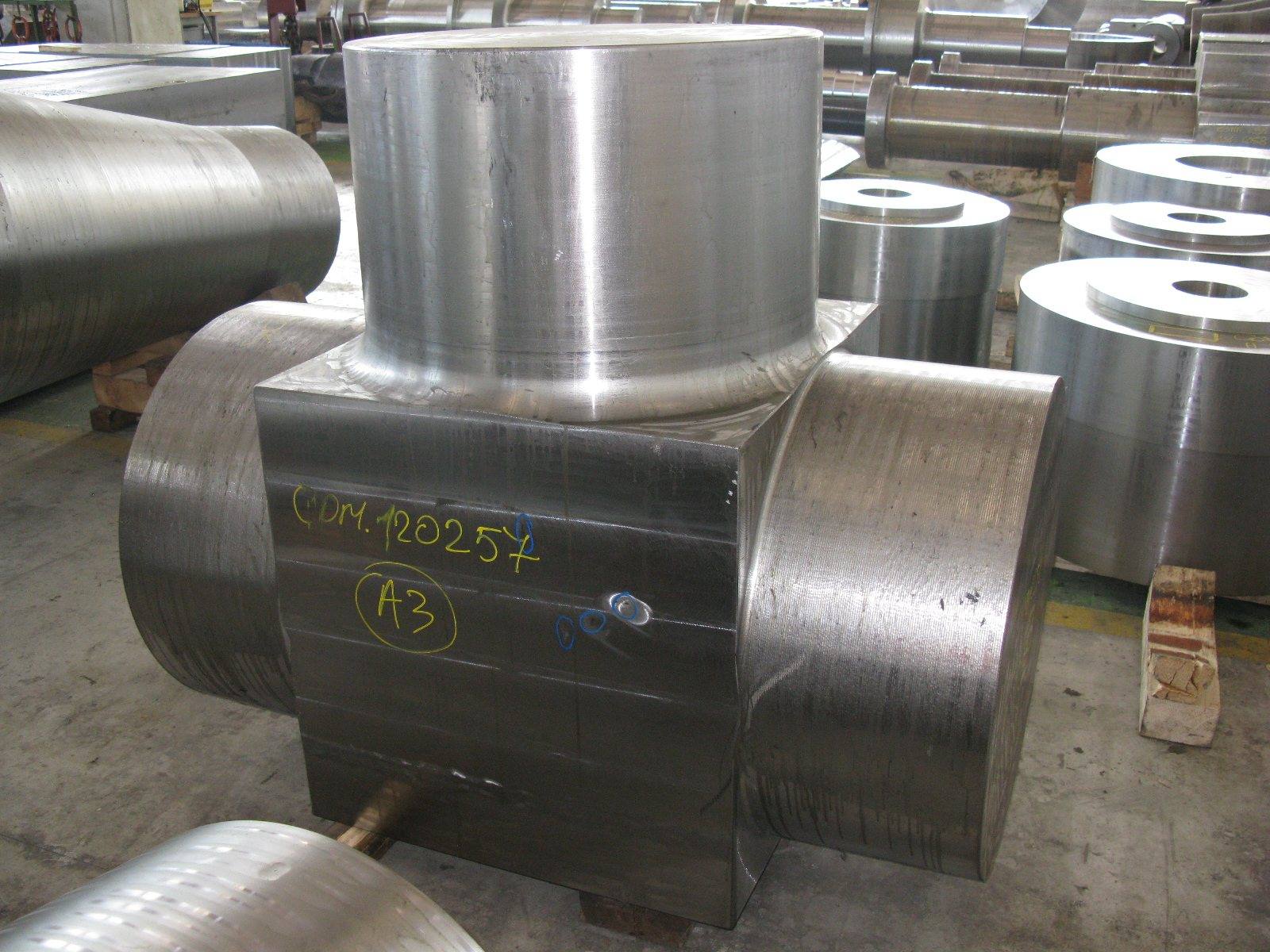
Forged blocks are solid, rectangular forgings for dies, tools, plates, and heavy machine parts. Open-die forged from 20 kg to 200 tons, sizes adapted per grade.
Forged Blocks
The Right Block, in the Right Grade
With forged blocks, you purchase a solid starting piece that is already close to the dimensions of your plate, die, or machine part. Metal Service Europe supplies forged blocks as single pieces or small series, as-forged or machined.
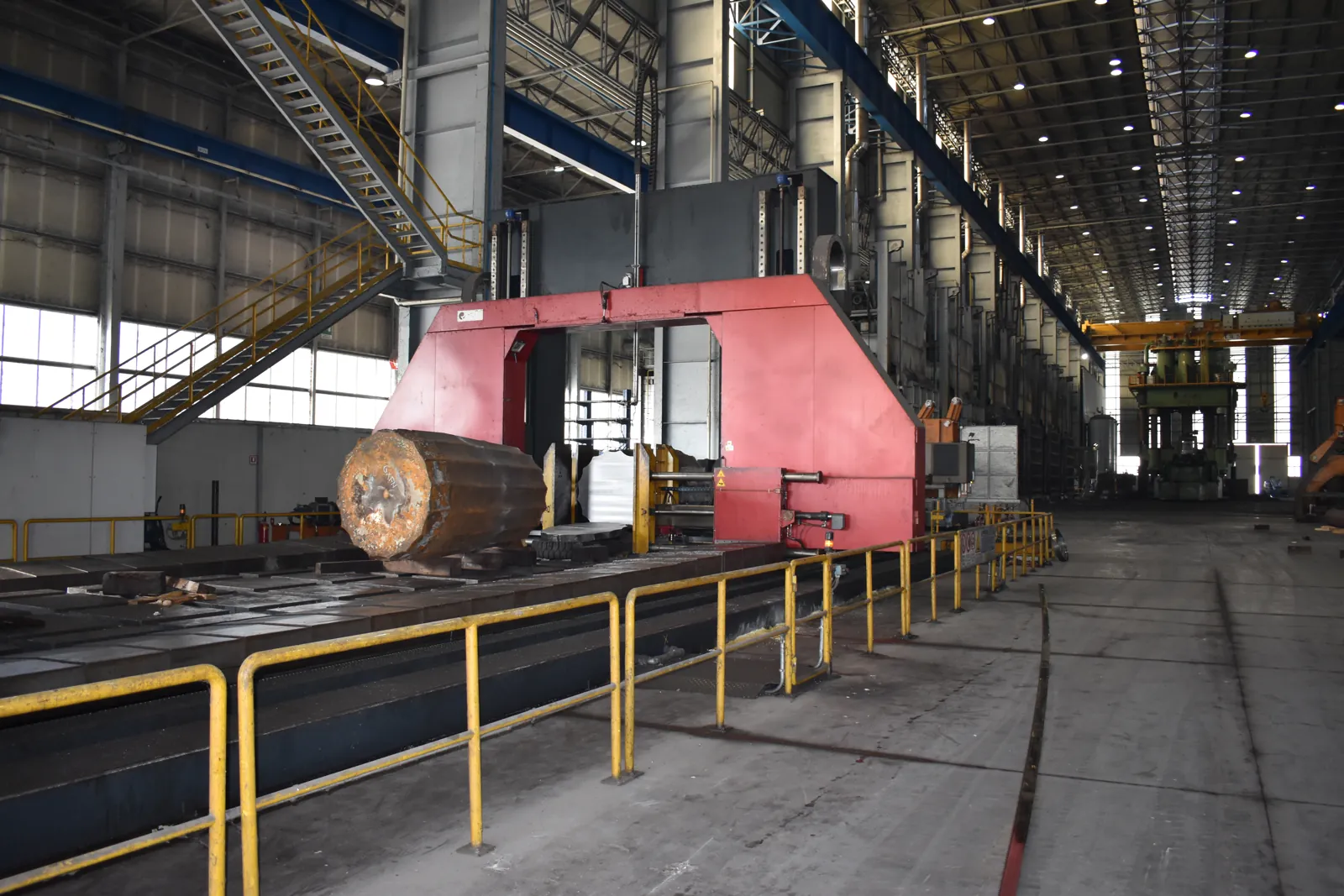
During forging, the coarse cast structure of the starting block is broken up and refined, and core cavities are pressed shut; this is especially important for thick blocks. For tool steel, it is often called a die block.
Execution
From As-Forged to Fully Machined
As-Forged
After forging and heat treatment, the block is supplied with machining allowance on all six sides. A logical choice if you mill it yourself or want to process the block in sections.
Pre-machined
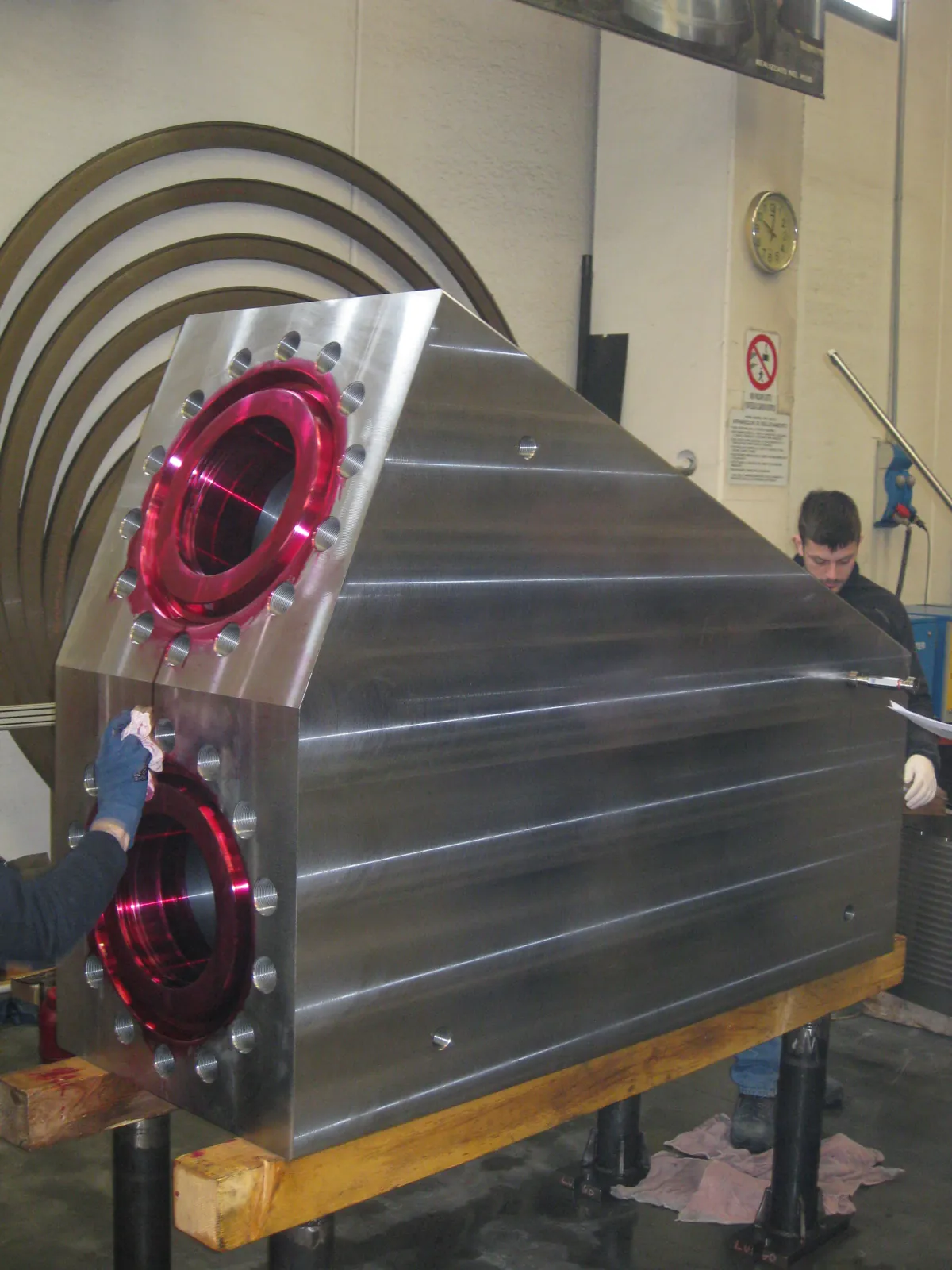
Milled all around to a flat and square block, allowing ultrasonic testing over the entire volume. You can then immediately start your own final machining.
Fully Machined
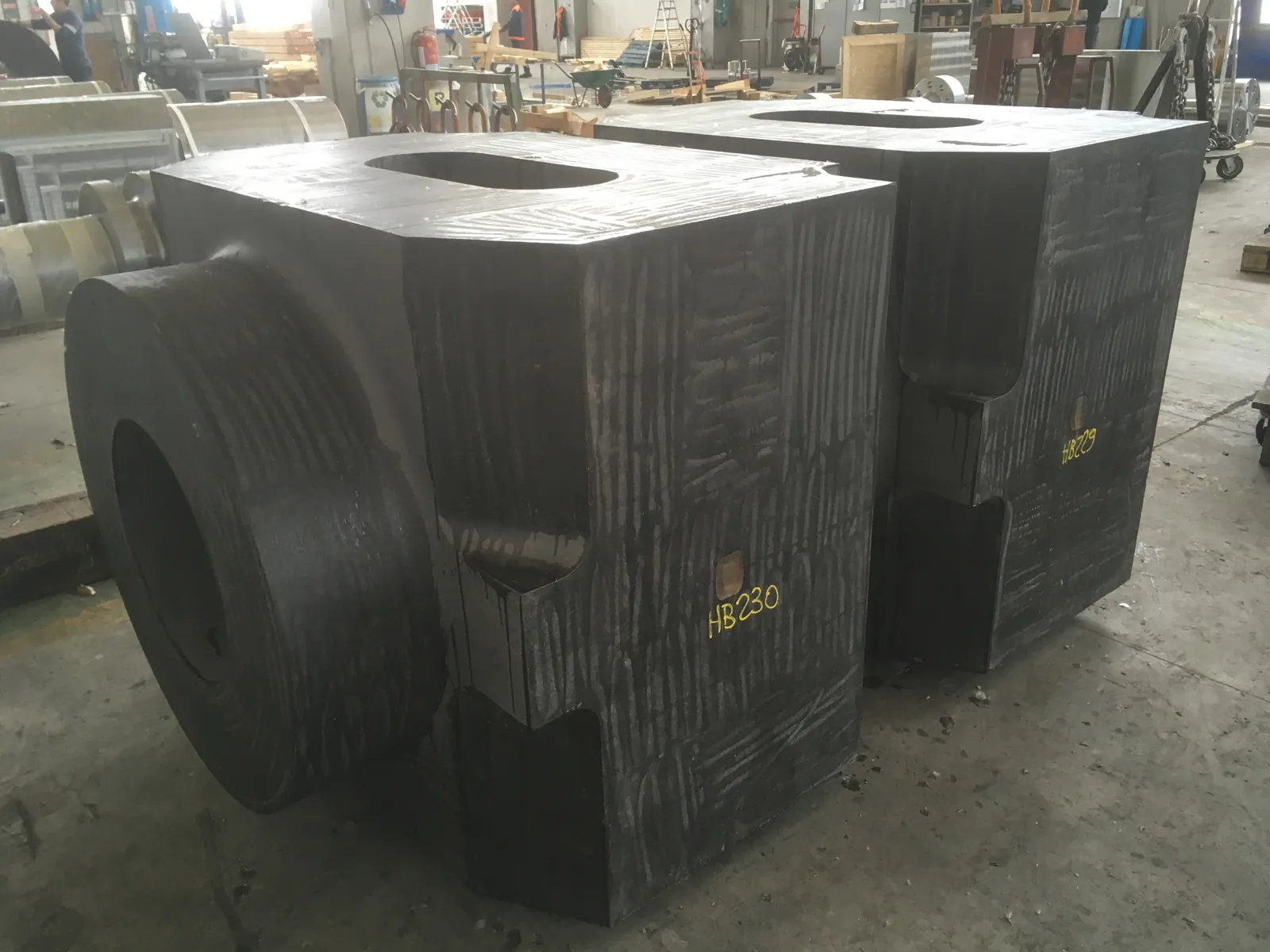
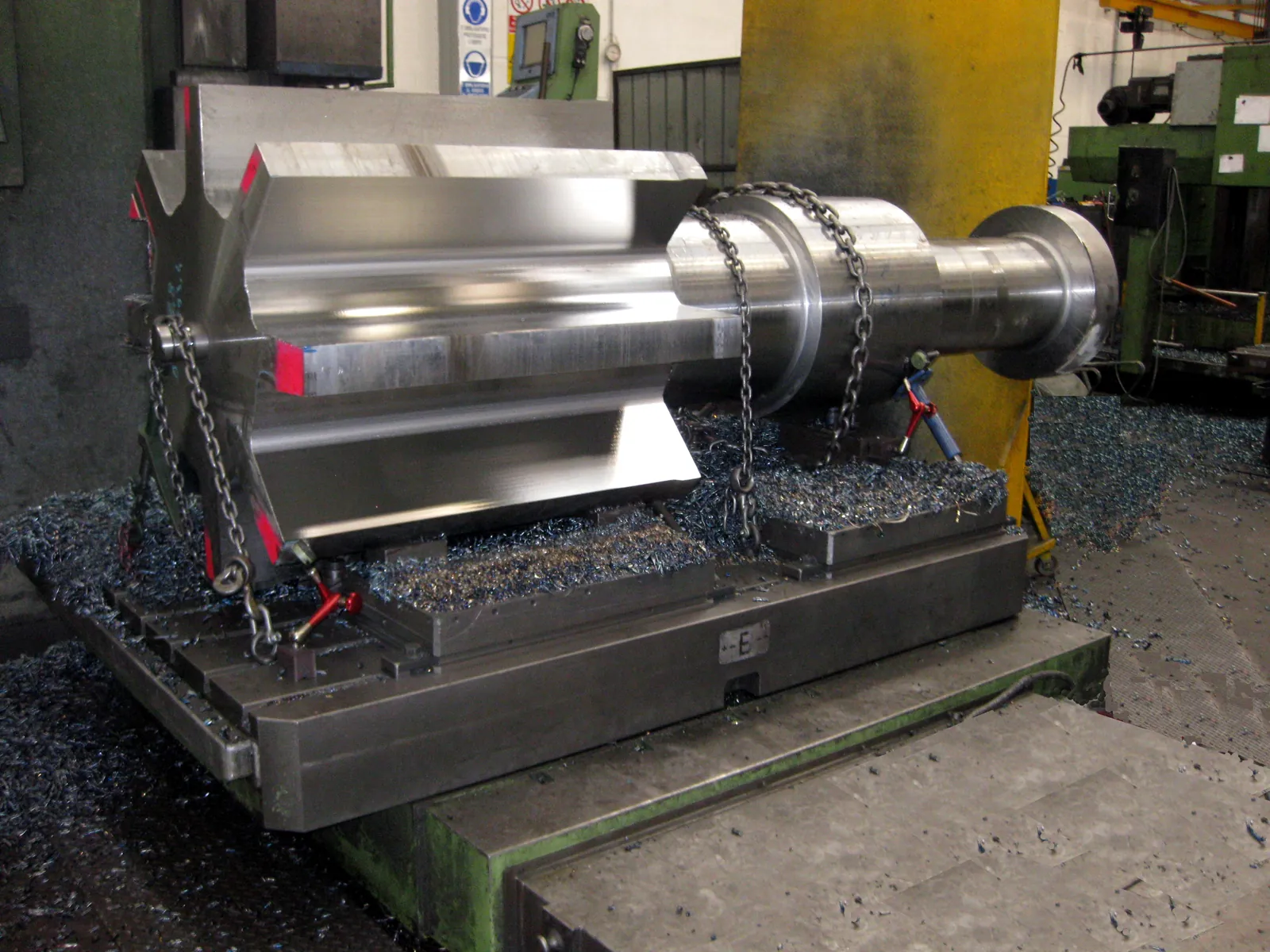
Milled and drilled according to drawing, for example, as a base plate with bolt holes or as a die block with recesses. The block is dimensionally checked and supplied with a material certificate, ready for assembly.
Process
How a Forged Block is Made
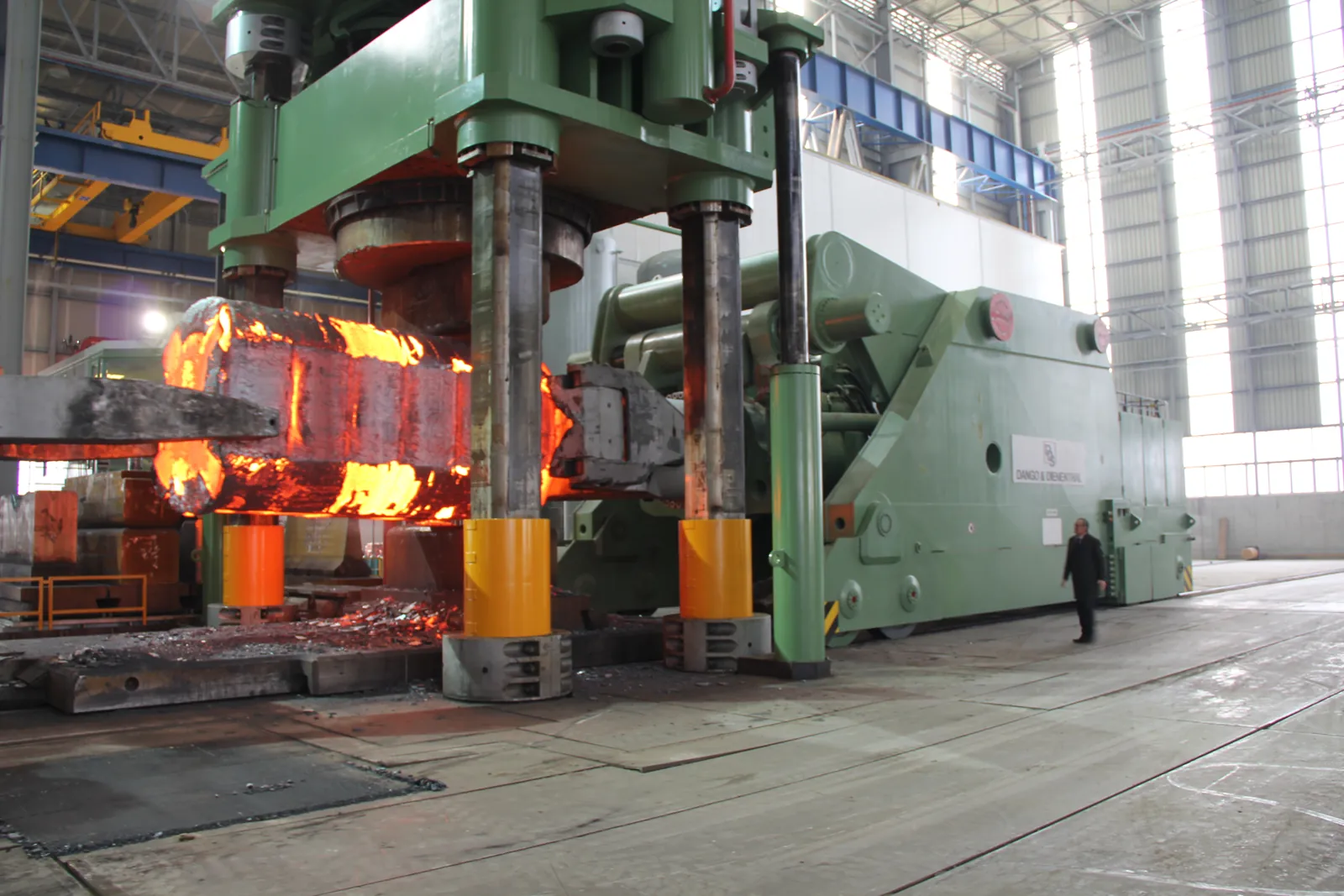
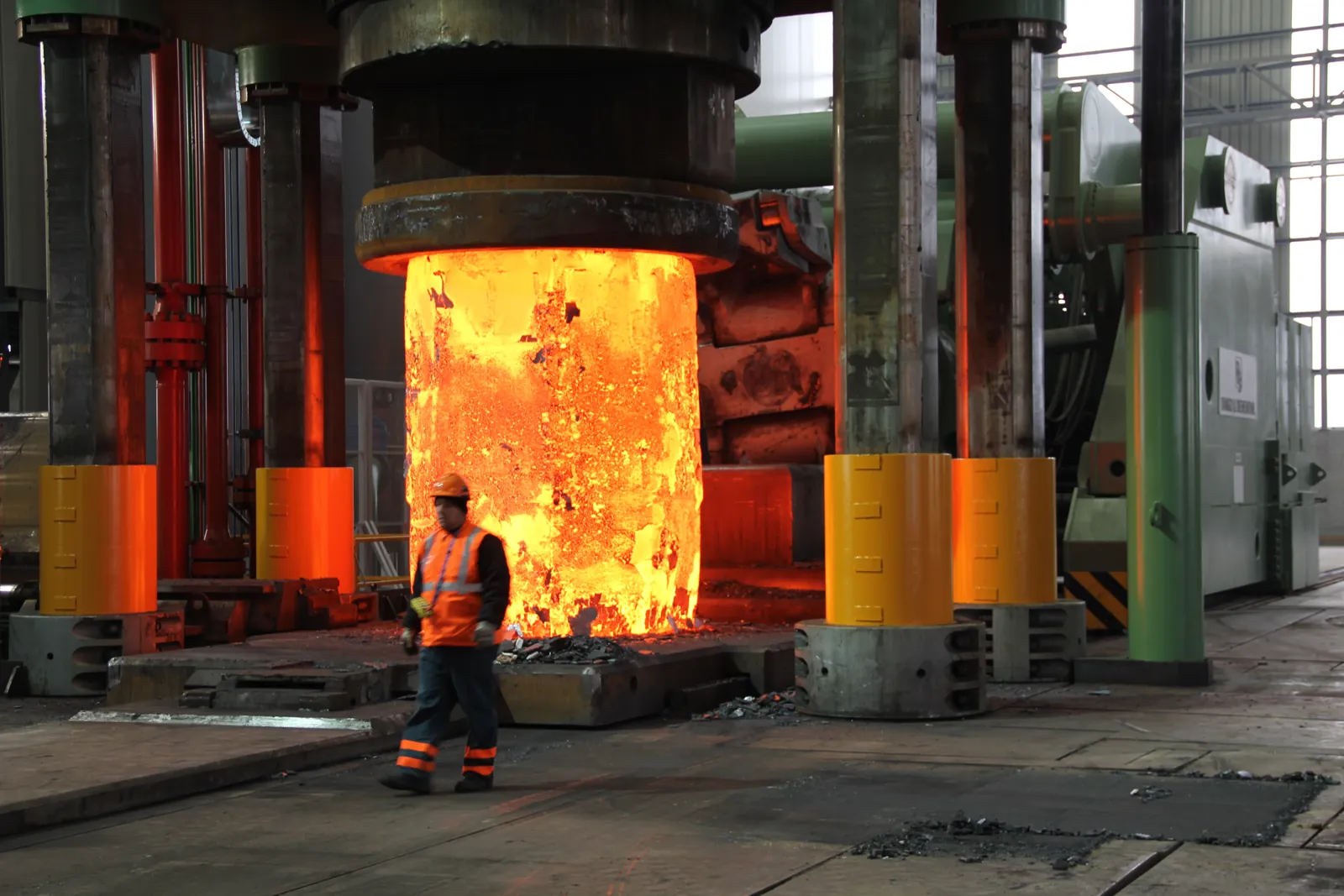
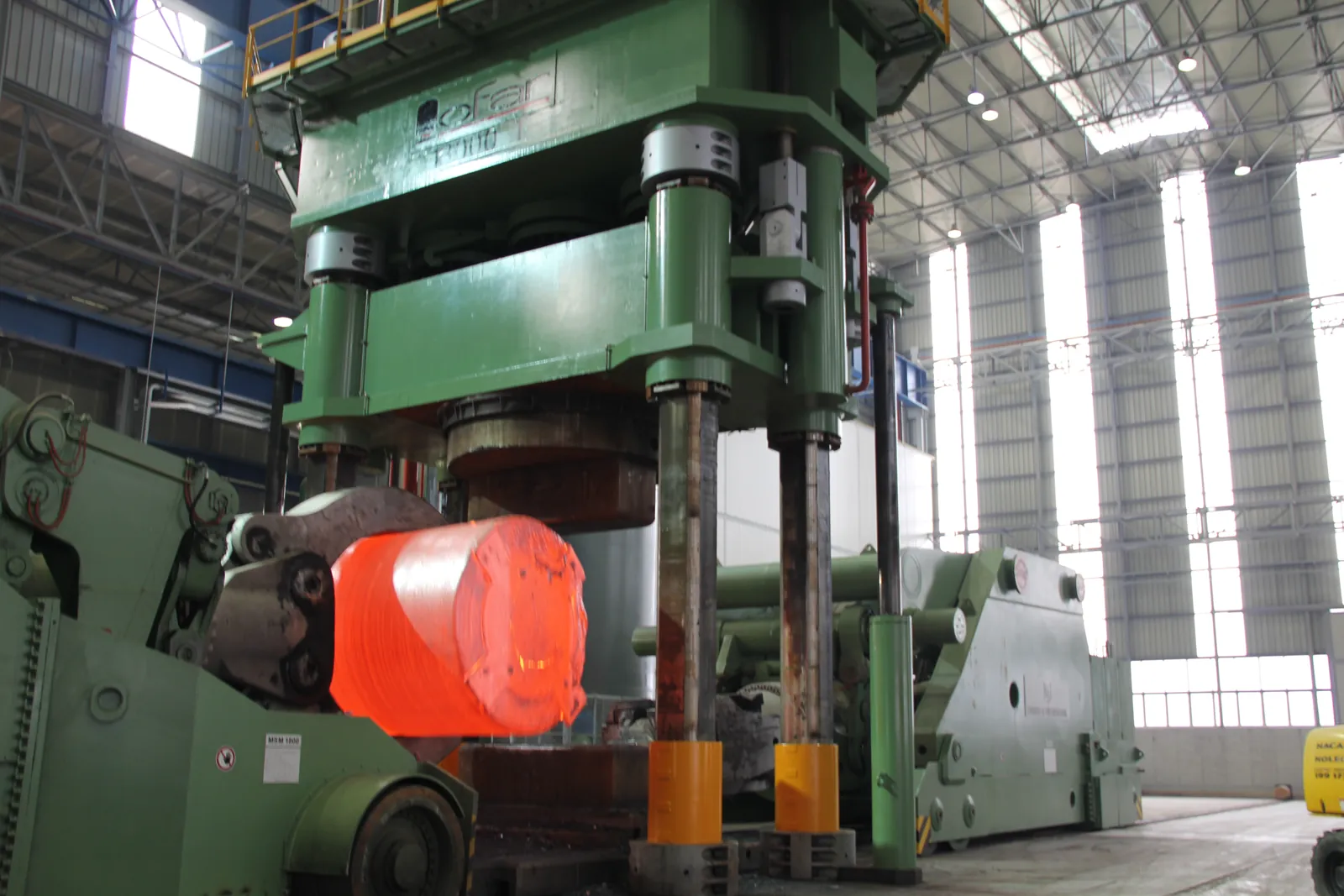
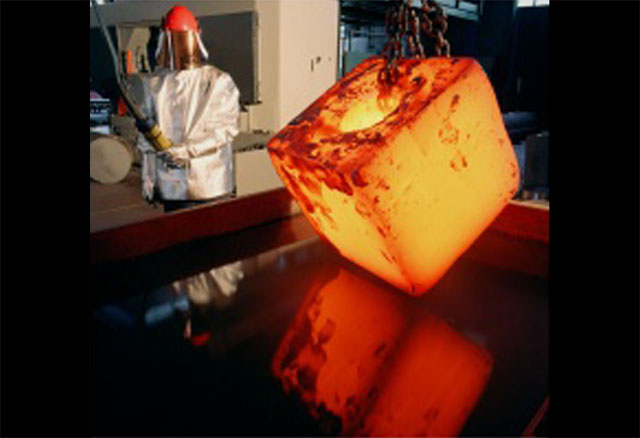
The required weight is cut from an ingot or billet and brought to forging temperature. Under the press, the material is upset and re-forged, then forged to a rectangular cross-section with flat dies. After heat treatment, test pieces are taken, the block is pre-machined all around, and ultrasonic testing of the full volume follows.
Applications
For the Most Demanding Industries
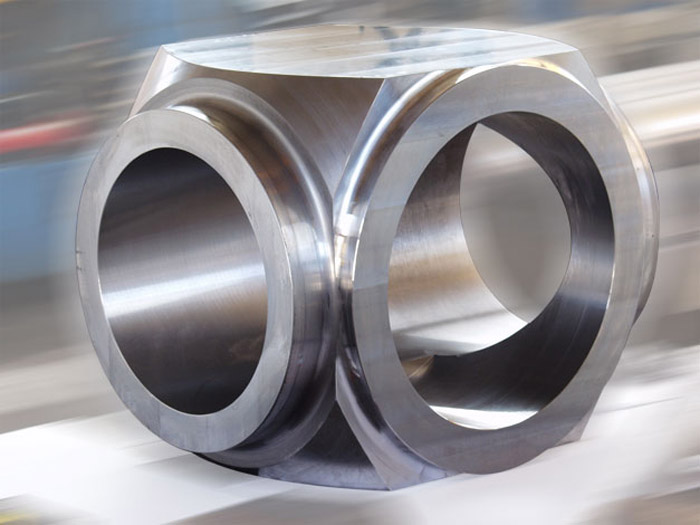
Valve and Pump Housings from Solid Material
Base and Ground Plates
Tool Blocks and Die Holders
Die Blocks for Forging and Press Dies
Press and Pressure Plates
Heavily Loaded Machine Parts
Our Approach
Your Partner in Forged Blocks
Inquiry & Advice
We start with the application: what will be milled from the block and how will it be loaded? Sometimes a disc or bar proves to be the more economical route.
Specification & Selection
Length, width, thickness, machining allowance, grade, and hardness are agreed upon with you. Because achievable sizes vary per grade, we check in advance whether your block can be forged in the requested grade.
Quotation & Alignment
You will receive a quote with the execution, inspections, and delivery time. If you have doubts about the desired hardness or inspection class, we will work together to develop a proposal.
Order & Delivery
From forging to inspection, we monitor progress and keep you informed. The block will be delivered to you with a certificate and measurement data.
Material Grades
Forged Blocks in Virtually Every Grade
For machine parts and plates, quenched and tempered steel is common; for dies, tool steel; and for corrosive environments, martensitic or duplex stainless steel. A selection:
1.2312 (40CrMnMoS8-6)
1.2343 (X37CrMoV5-1)
1.2714 (55NiCrMoV7)
Frequently Asked Questions
All About Forged Blocks
What is the maximum size of a forged block?
Which block size is achievable depends on the grade, thickness, and available press capacity. We supply forged blocks from 50 x 50 x 100 mm up to 2500 x 2500 x 6000 mm, with a unit weight up to 200 tons; the largest dimensions and highest weight do not go together. Send us the length, width, and thickness with the desired grade, and we will coordinate the achievable dimensions with you on a case-by-case basis.
What is the smallest forged block you supply?
Forged blocks are possible from a unit weight of 20 kg. Small blocks often serve as starting material for tool inserts, clamping parts, or prototypes, where you prefer not to cut from a large plate. Since open-die forging does not require a die, even single pieces are economical. For very small sizes, we will jointly assess whether forged bar stock is a simpler alternative.
Why choose a forged block instead of a thick plate?
For large thicknesses, a forged block is often a better basis than rolled plate. The block is deformed in more than one direction during forging, while thick plate has a pronounced rolling direction. For dies and heavily loaded parts, a uniform structure is important, even where you later mill deep into the material. Moreover, you can choose the dimensions per piece, independent of standard plate thicknesses.
Which tool steel grades are available as forged blocks?
Upon request, we supply, among others, hot work steel such as 1.2343 (X37CrMoV5-1) and 1.2344, as well as 1.2714 (55NiCrMoV7) for forging and press dies, and 1.2312 (40CrMnMoS8-6) for plastic molds and die holders. Heat treatment and inspection class are tailored to the type of die and how it is loaded.
Do you supply pre-hardened forged blocks?
Yes, a forged block can be supplied as quenched and tempered or pre-hardened, so you don't need to harden it after milling. The delivery hardness is agreed upon per order, tailored to the grade, block thickness, and the depth of your machining. For quenched and tempered steel like 42CrMo4 or 34CrNiMo6, the block's thickness determines the achievable strength; these values follow EN 10250 or are determined in consultation.
Are forged blocks ultrasonically inspected?
Yes, a pre-machined block is at least ultrasonically tested (UT), so internal imperfections are revealed before your machining. A flat, square machined surface is necessary for this. If desired, hardness measurements across the block, magnetic particle inspection, chemical analysis, or mechanical tests on taken test pieces can follow. The applicable inspection class is agreed upon in advance.
Do you get a material certificate with a forged block?
Yes, every forged block receives a certificate according to EN 10204. Type 3.1 is common; 2.2 and 3.2 are also possible. It links chemical composition, mechanical values, and inspection results to the block, making it fully traceable. If a third party needs to be involved, such as DNV, ABS, or RINA, we will schedule that acceptance in the production process.
How long does it take for a forged block to be delivered?
How quickly a block is ready is primarily determined by its weight, dimensions, and the extent of machining. Pre-machined blocks can sometimes be ready within 6 working weeks; fully machined is typically 8 to 10 working weeks. For urgent requests, we first check if your grade is available from stock in a suitable size. This way, you quickly know what to expect.
What is the difference between a forged block and a forged disc?
The difference lies in the shape and thus in the forging route. A forged disc is round and primarily upset, while a forged block has a rectangular cross-section and is forged to size between flat dies. For round components such as tube sheets, a forged disc is more economical; for plates, dies, and angular machine parts, a block better matches the final shape.
How do you calculate the weight of a steel block?
Multiply length, width, and thickness in decimeters by the density of steel: approximately 7.85 kg/dm³ for carbon and low-alloy steel, slightly more for stainless steel. A block of 1,000 × 500 × 200 mm is 100 dm³ and thus weighs approximately 785 kg. For an as-forged block, the machining allowance on all six sides must be added. This allows you to estimate the input weight and transport load in advance.
Request Your Non-Binding Quote
Send us the dimensions of your block or plate, the grade, and the quantity. We will let you know what size is achievable and what the delivery time will be.
20 kg to 200 tons
Sizes adapted per grade
Ultrasonically tested
Certificate EN 10204