
ASTM A105 (A105N) | Forged & Certified
ASTM A105 and A105N (ASME SA-105): carbon steel for forged flanges, fittings, and pressure-containing parts, normalized and certified according to EN 10204 3.1.
About this grade
What is ASTM A105 (A105N)?
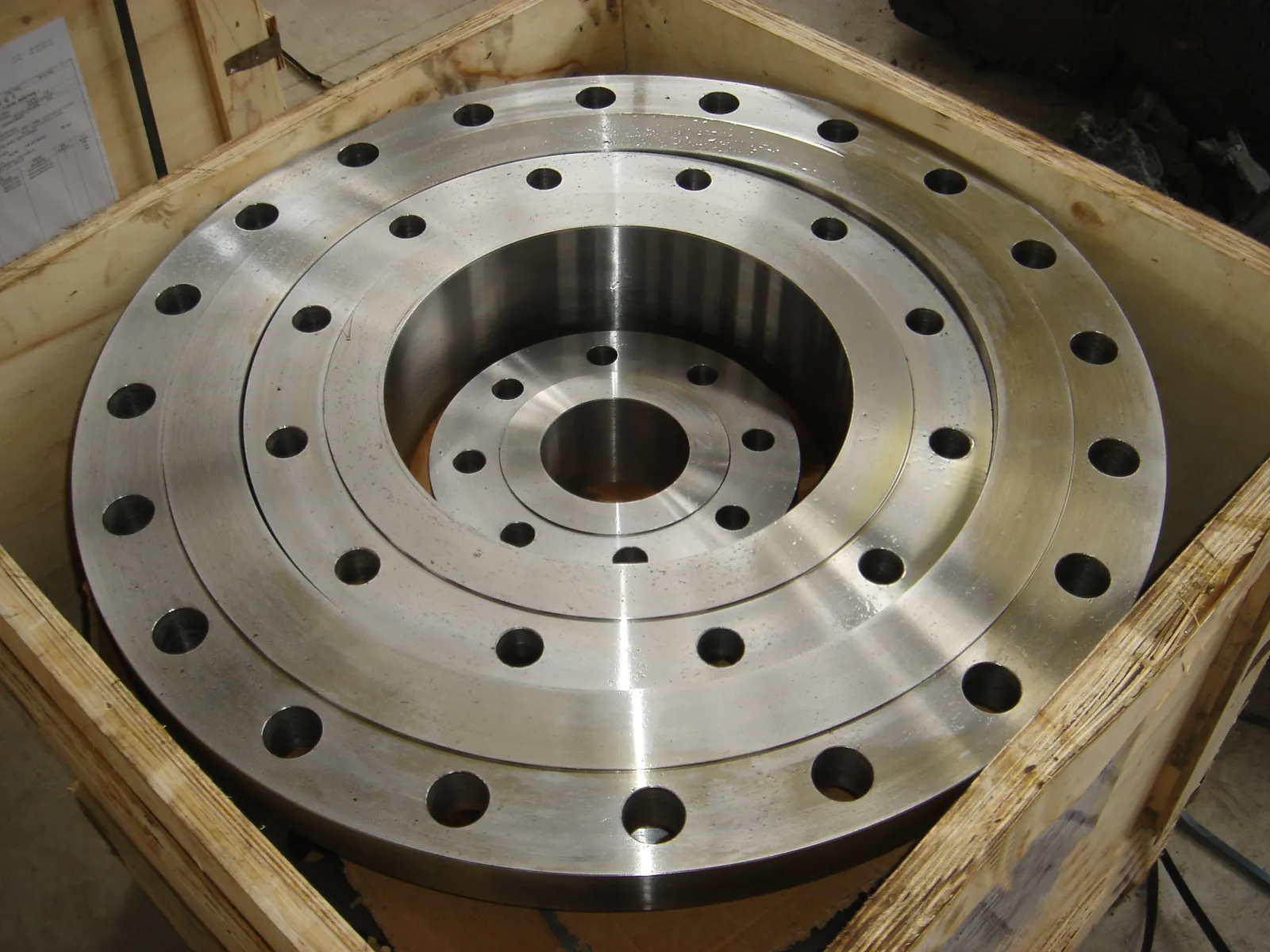
ASTM A105 is the American standard for forged carbon steel piping components, such as flanges, fittings, and valve parts, for pressure systems at ambient and higher temperatures. A105N is the same grade in normalized condition: chemistry and tensile requirements are identical, only the heat treatment is fixed. In the ASME code for pressure equipment, the specification is called SA-105.
The standard guarantees a minimum 485 MPa tensile strength and 250 MPa yield strength, with a maximum of 0.35% carbon. This makes A105 a common choice for flanges and fittings in oil and gas pipelines, steam lines, and process plants. There, the flange must meet a pressure class together with the pipe and valves.
Why order normalized? ASTM A105 does not prescribe heat treatment in all cases. By specifying A105N on the purchase order, you clearly define the normalized condition and see it confirmed on the certificate. Metal Service Europe supplies A105N as forged flanges, rings, discs, or parts according to drawing, in the execution you require: rough, rough machined, or fully finished.
Applications
Applications of A105N
Valve and gate components
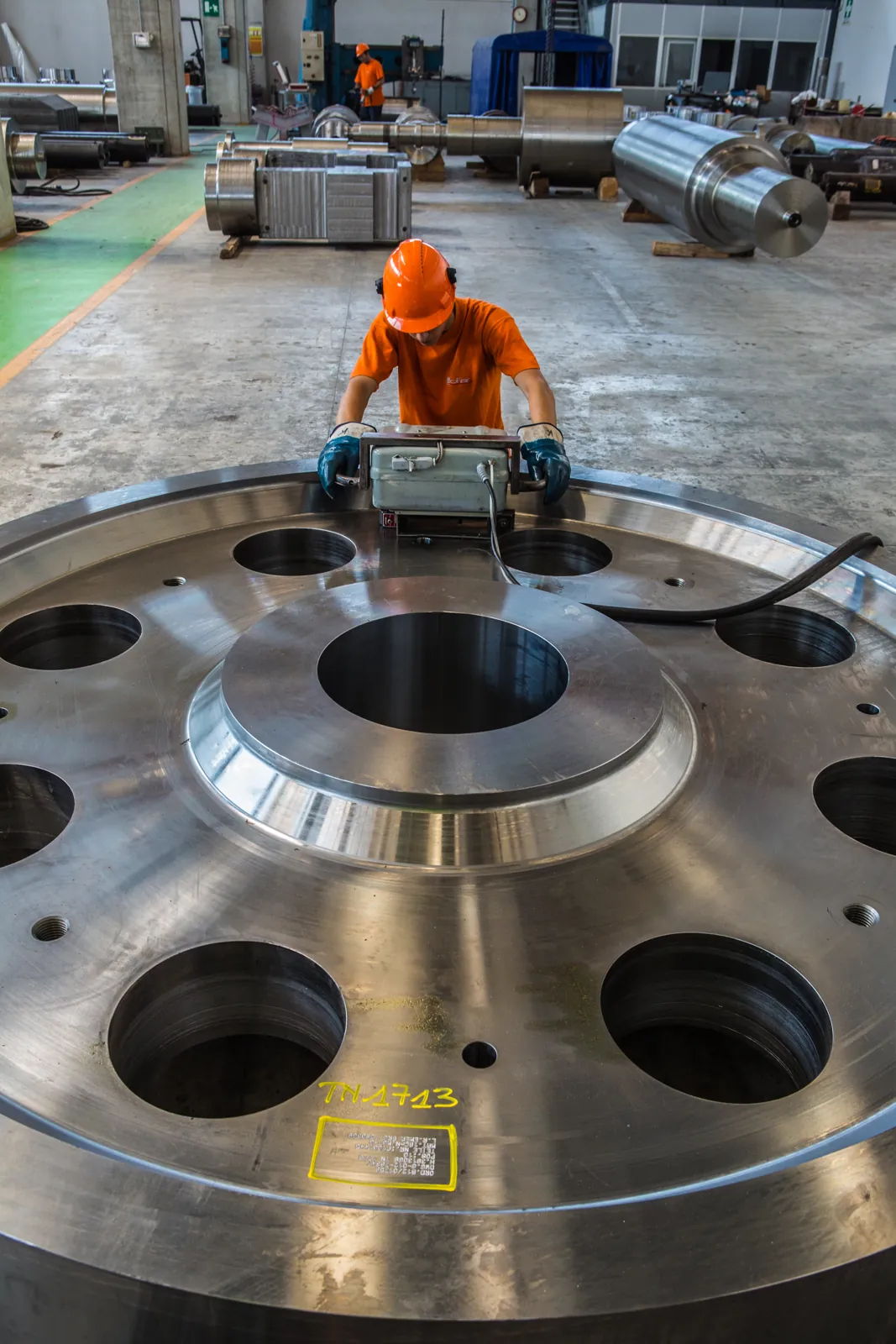
Pressure-containing parts according to drawing
Piping systems in oil and gas
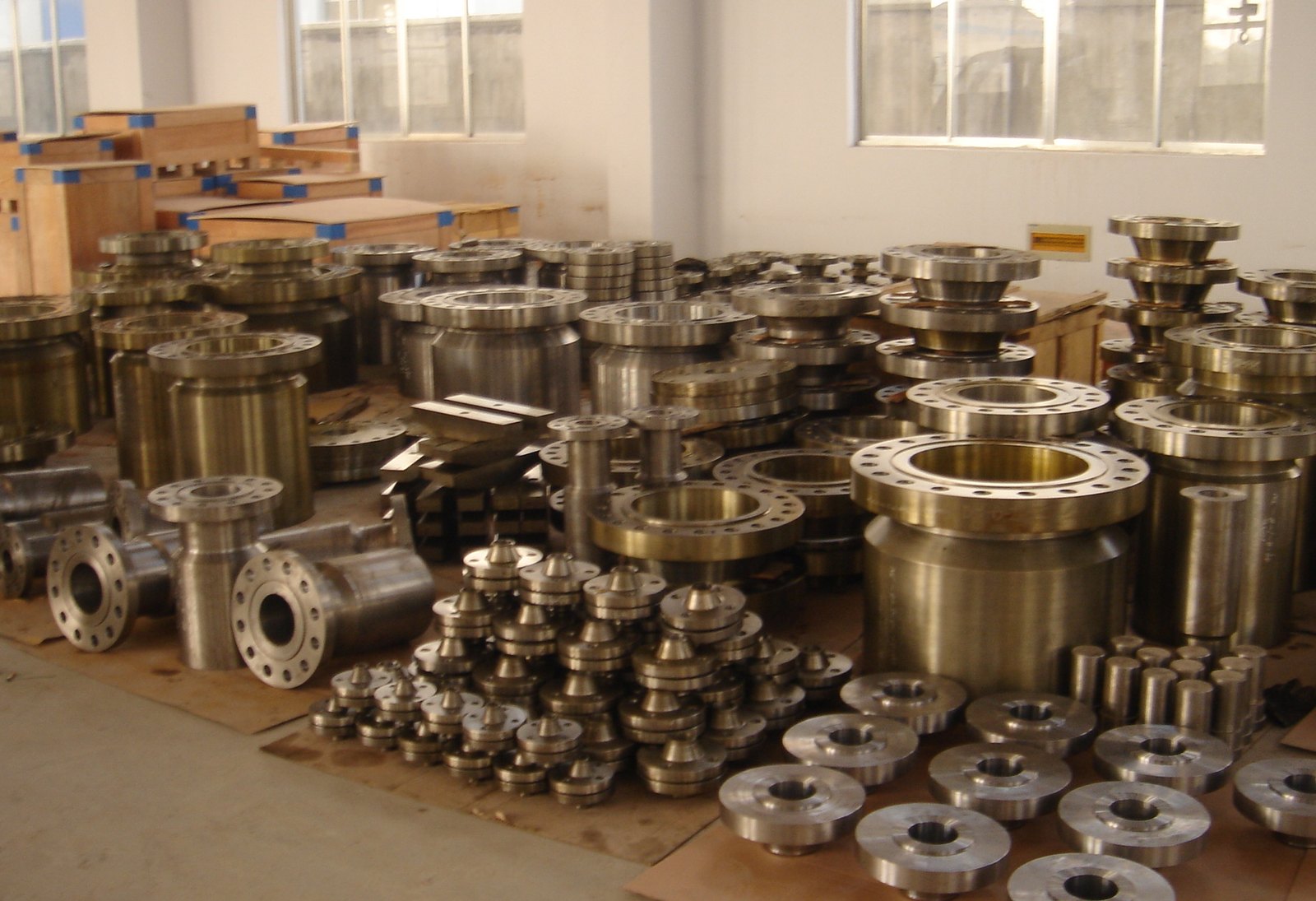
Forged fittings for piping
Steam lines
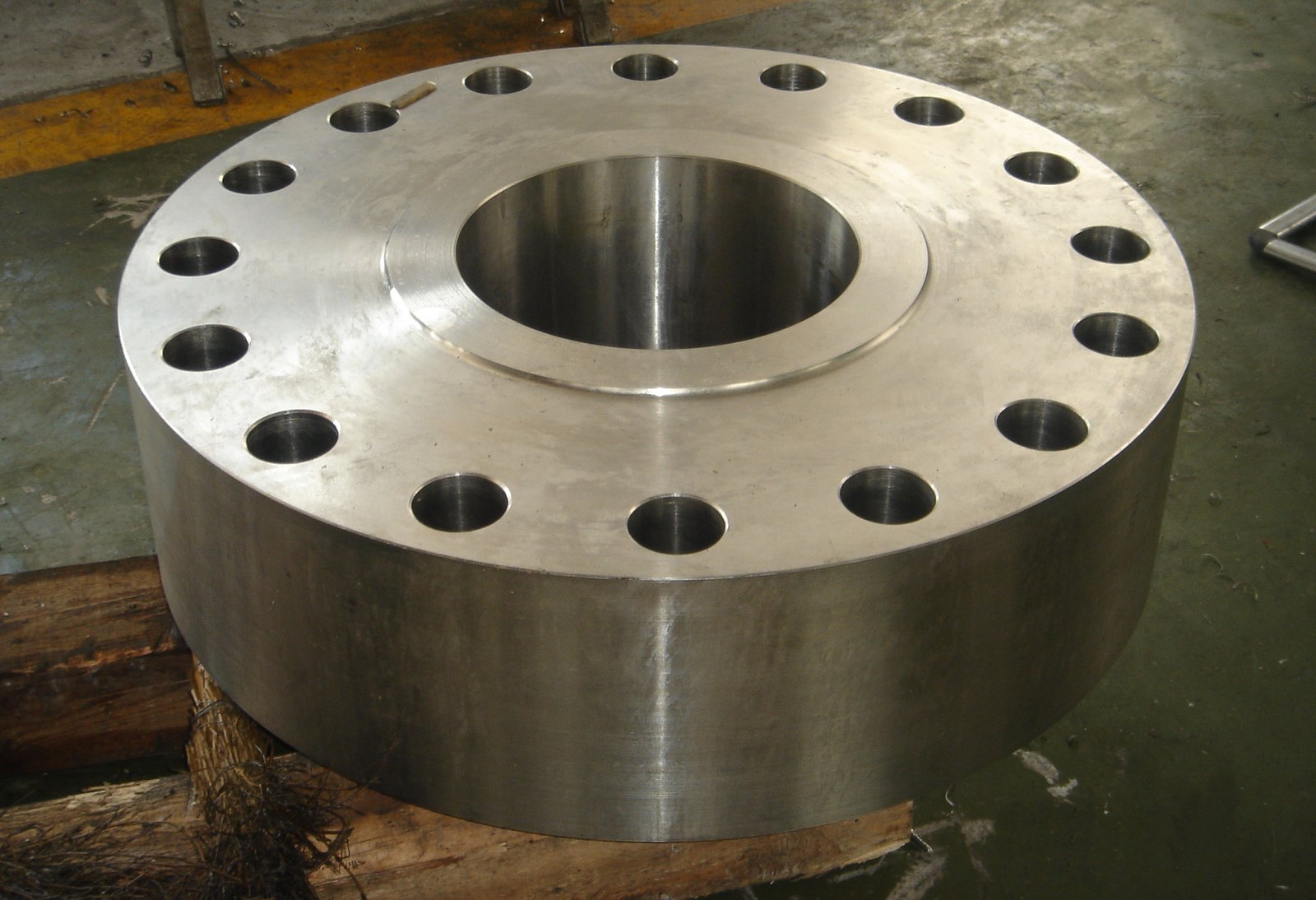
Weld neck flanges and blind flanges
Composition and properties
Composition and properties of ASTM A105 / A105N
Chemical composition
Mechanical properties according to ASTM A105
Minimum values according to ASTM A105 / ASME SA-105. Elongation: 22% on a round test bar with gauge length 4D, 30% for a strip test; reduction of area (Z) applies only to round test bars. Hardness according to the standard text we consulted (A105-14): maximum 187 HBW. A limit for the carbon equivalent only applies if supplementary requirement S4 is ordered. Check the edition on your order. Tube sheets and hollow cylindrical forgings for pressure vessel shells fall outside ASTM A105. Deviating or additional requirements by consultation.
Heat treatment and processing
Delivery condition A105N: normalized, stated on the certificate
Other routes within the standard: annealing, normalizing and tempering, or quenching and tempering
Impact test only if specified as a supplementary requirement on the order
Rough machining before ultrasonic testing; MT and PT according to project specification or piping class
Sour gas: include NACE MR0175 / ISO 15156 as an additional requirement in the order
Our approach
From inquiry to delivery
Inquiry & specification
You provide the flange type, pressure class, dimensions, and quantities. We check whether A105N is sufficient or if your design temperature requires LF2 or an alloy grade.
Forged and normalized
A single flange requires a different approach than a series or a heavy forging. We determine that approach and plan forging, normalizing, and rough machining.
Quality control & delivery
Normalizing is followed by tensile testing and hardness measurement, and rough machining by ultrasonic testing. The standard, condition, and results are stated on the certificate that accompanies the delivery.
Quality
Certification and quality assurance
For A105N flanges and fittings, a material certificate according to EN 10204 3.1 is the usual basis, including the heat analysis, the normalized condition, and the tensile test results. If your project requires independent inspection, we arrange 3.2 inspection by, for example, Lloyd's Register, Bureau Veritas, or TÜV. You can find more about our inspection procedures under quality assurance.
Available
A105N available as
We supply A105N forged from a single piece for the following product forms:
Frequently asked questions
Frequently asked questions about A105N
What is the difference between A105 and A105N?
A105N is A105 that has been normalized according to the order; the N is a condition designation. The letter comes from supplementary requirement S2 of the standard: if the buyer prescribes a heat treatment, the marking after the standard number is followed by an A for annealed, N for normalized, NT for normalized and tempered, or QT for quenched and tempered. This allows the treatment to be seen immediately on the forging and the certificate.
Is A105 the same as A106?
No. A105 applies to forged components such as flanges and forged fittings, ASTM A106 to seamless carbon steel pipe for high-temperature service. They are not alternatives, but neighbors in the same pipeline. For example, a piping class combines A106 Grade B pipe with A105 flanges, and for butt-weld fittings, ASTM A234 WPB. We supply the forged part; for pipes, please visit our page on seamless pipes.
Is heat treatment mandatory for A105?
Not always. ASTM A105 requires heat treatment for flanges above Class 300, for flanges of special design where the design pressure exceeds the Class 300 values of group 1.1 or is unknown, and for other piping components that are both larger than NPS 4 and heavier than Class 300. Flanges up to and including Class 300 may therefore remain untreated in any size.
Up to what temperature is A105N suitable?
A105N is used from approximately -29 °C to about +425 °C (-20 °F to 800 °F). The lower limit is related to the impact test: without additional testing, no toughness is demonstrated below -29 °C, and A350 LF2 is intended for that range. Above approximately 425 °C, chromium-molybdenum steel such as A182 F11 or F22 is usually chosen. The exact limits follow from the design code of your installation.
Does A105 also exist as cast steel?
No, ASTM A105 applies only to forgings. The cast counterpart is ASTM A216 WCB: carbon steel castings for valves, flanges, fittings, and other pressure-containing parts for high-temperature service, suitable for welding to forgings. In ASME B16.5, WCB falls into the same material group 1.1 as A105. We supply a limited number of carbon grades in sand casting; whether WCB is among them is reviewed per inquiry.
What is the European equivalent of A105?
An exact equivalent does not exist. The most frequently mentioned European alternative is P250GH (1.0460) from EN 10222-2, a normalized steel for pressure-containing forgings. However, carbon limits, strength ranges, and the approval framework differ: PED and AD 2000 on the European side, ASME on the American side. Replacement of A105N with an EN grade, or vice versa, must therefore be approved by the designer or the inspection authority.
Is A105N easily weldable?
Yes, A105N is widely welded in practice, for example as a weld neck flange to pipe. The determining factor is the carbon equivalent (CE). With supplementary requirement S4, the standard limits the CE, calculated as C + Mn/6 + (Cr+Mo+V)/5 + (Ni+Cu)/15, to 0.47 for wall thicknesses up to 2 inches (approx. 50 mm) and to 0.48 above that. A lower limit may be agreed upon, for example for sour gas according to NACE MR0175 / ISO 15156.
Which standard applies to A105 forgings heavier than 10,000 lb?
Above 10,000 lb (4540 kg), ASTM A266 applies, as ASTM A105 only covers forgings up to that weight. This is relevant for large flanges, rings, or pressure-containing parts according to drawing. We supply forgings up to 200 tons each, so well above that limit. In that case, we coordinate with you and your designer which standard will be stated on the order and the certificate.
What certificate will I receive with A105N forgings?
Typically, you will receive a 3.1 certificate with A105N, signed by the manufacturer's inspection department, which is independent of production. Each piece can be traced back to that certificate via the marking on the forging, ensuring full traceability. If an independent third party is required, it becomes a 3.2 certificate; the inspection is performed by DNV, ABS, RINA, or another agency of your choice.
How quickly can you deliver A105N flanges?
That depends on weight, dimensions, and machining. Some of the rough machined flanges and rings can be with you within 6 working weeks; for fully machined parts according to drawing, you should generally count on 8 to 10 working weeks. If extra inspections or 3.2 witnessing are required, we plan those in from the start. Sometimes a size is available faster from stock; we check this for every inquiry.
In pictures
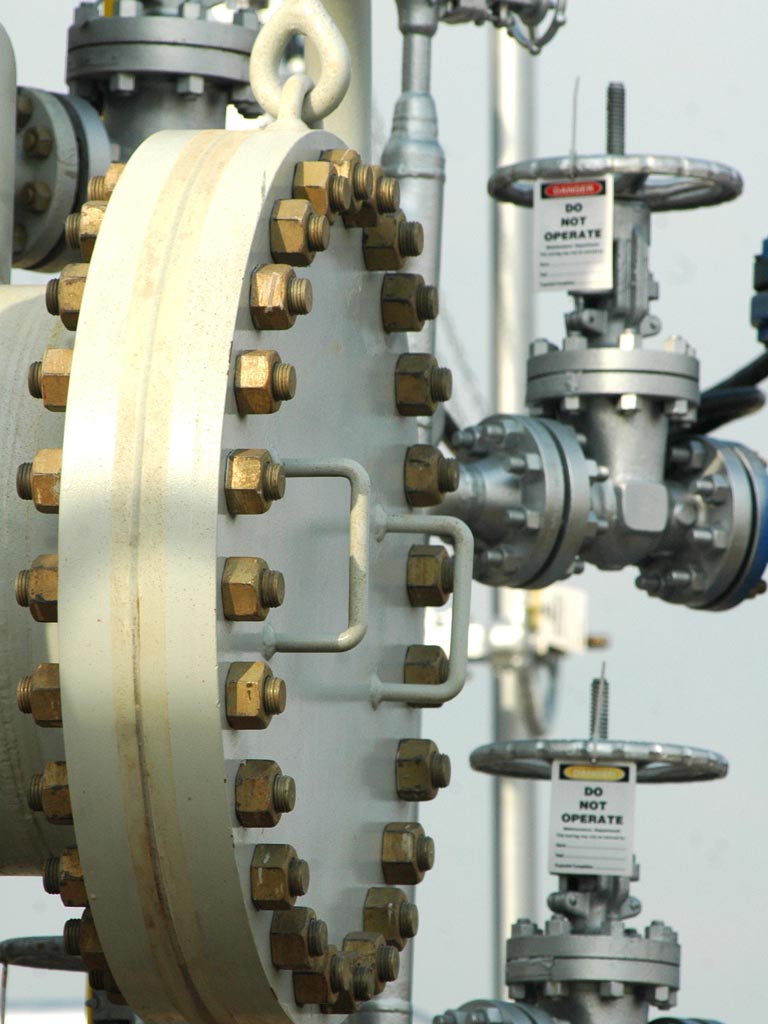
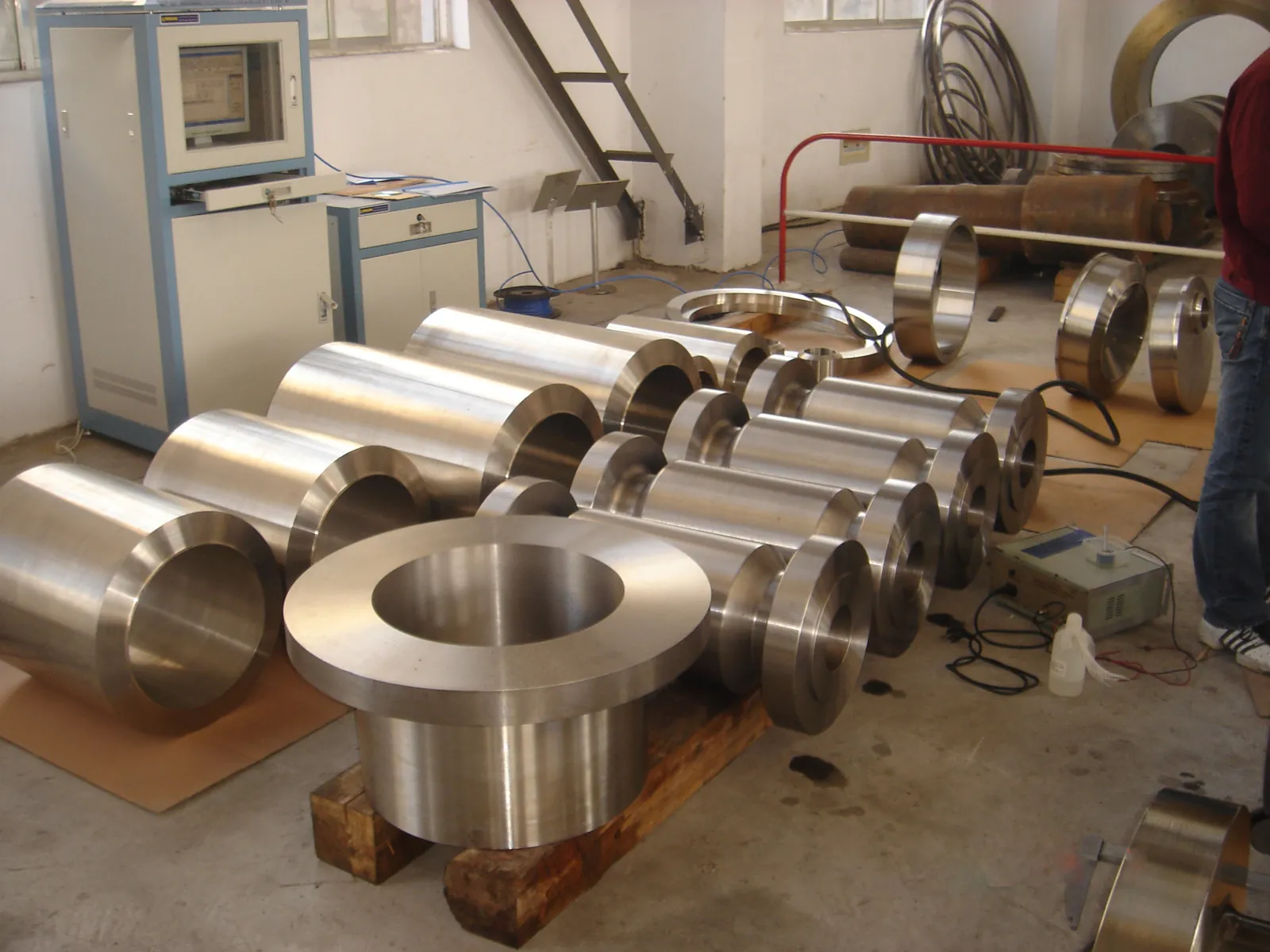
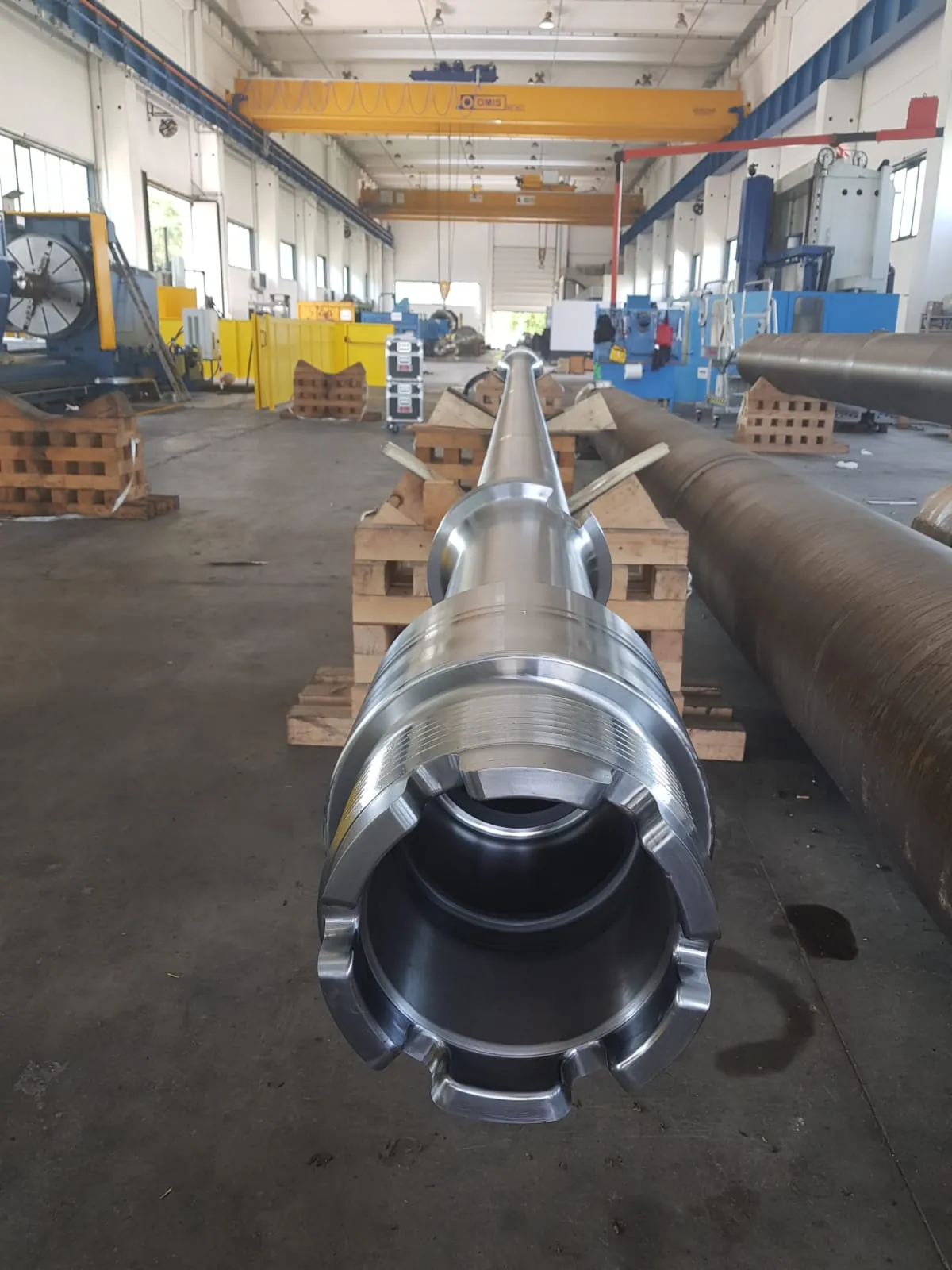
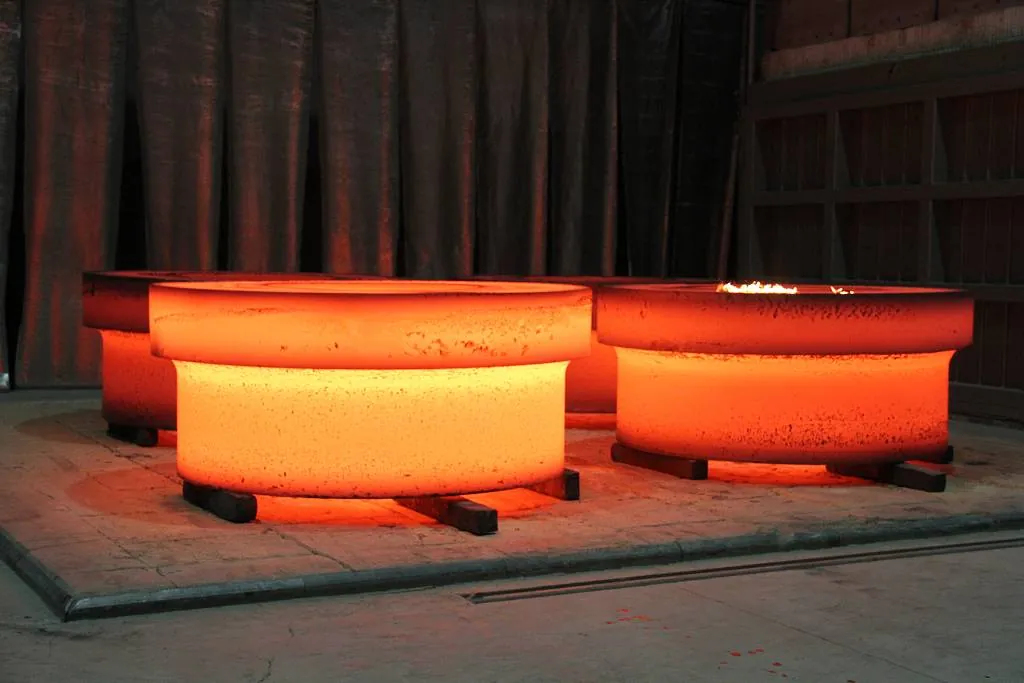
A selection of our work
Related grades
Request a quote for ASTM A105 / A105N
Send us your drawing or flange specification with pressure class, dimensions, and quantities. We will assess whether A105N fits your design temperature and send you a quote with delivery time.
EN 10204 3.1 or 3.2
Delivered normalized
Single pieces and small series
Rough, rough machined, or finished
Request a quote
Leave your details, and we will contact you shortly.