
1.4462 (X2CrNiMoN22-5-3) | Forged & Certified
Material 1.4462, also known as duplex 2205, UNS S31803 / S32205 and ASTM A182 F51 / F60: composition, EN and ASTM values and heat treatment, supplied as a forging with 3.1 certificate.
About this grade
What is 1.4462?
1.4462 is the material number of the duplex stainless steel grade X2CrNiMoN22-5-3, defined in EN 10088-3. W.nr. 1.4462 corresponds to UNS S31803 and ASTM A182 F51; F60 (UNS S32205) is the variant with stricter composition requirements. The short name gives the basics: low carbon (maximum 0.03% in the standard), about 22% chromium, 5% nickel and 3% molybdenum, supplemented with nitrogen.
Anyone ordering 1.4462 must state which standard applies. For solution-annealed material up to 160 mm, EN 10088-3 gives a tensile strength of 650 to 880 MPa and a maximum of 270 HB. ASTM A182 requires at least 620 MPa for F51 and at least 655 MPa for F60. The nitrogen range also differs: 0.10 to 0.22% in EN against 0.08 to 0.20% for F51. A piece can meet both, provided this is stated in the order.
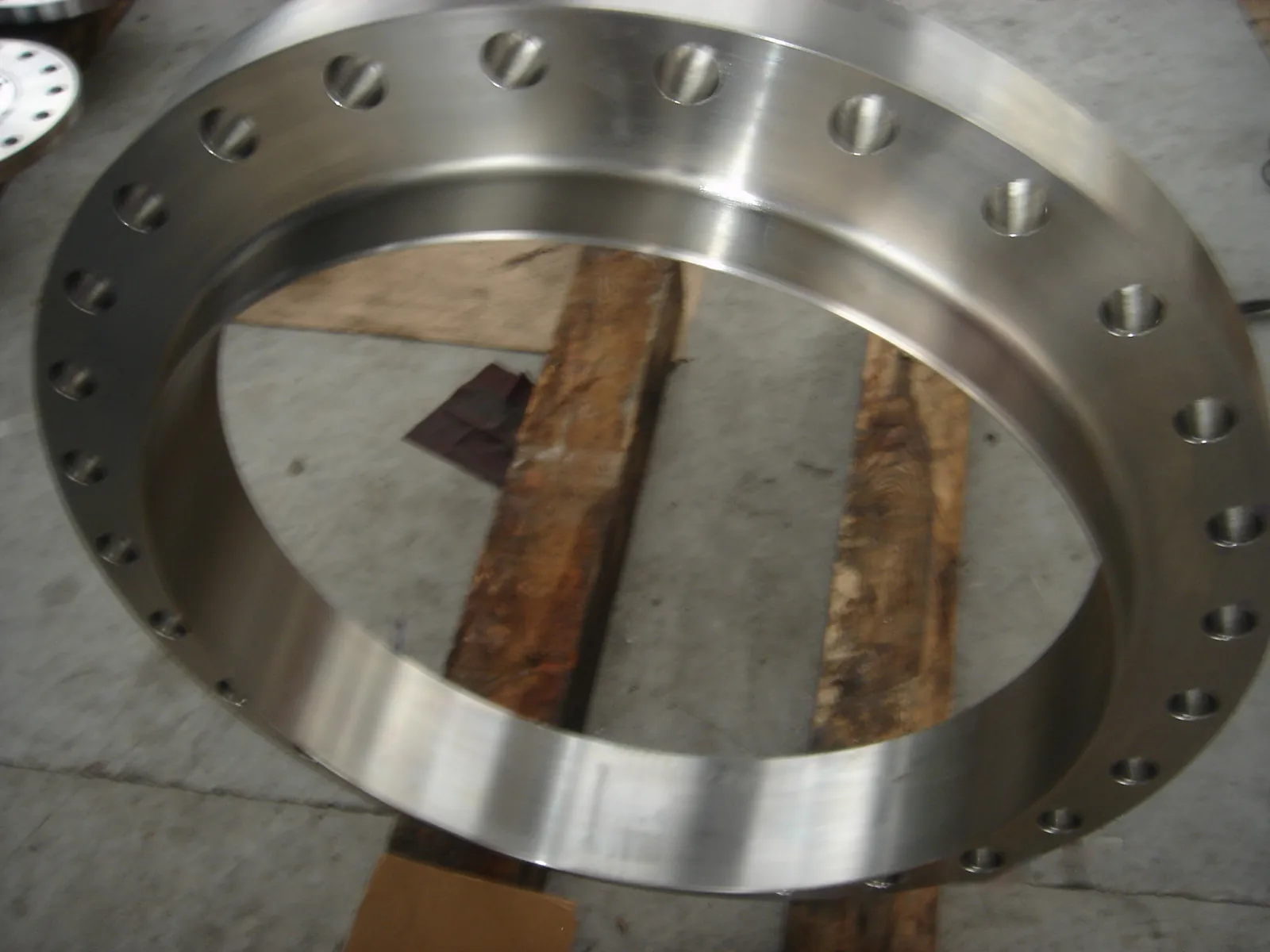
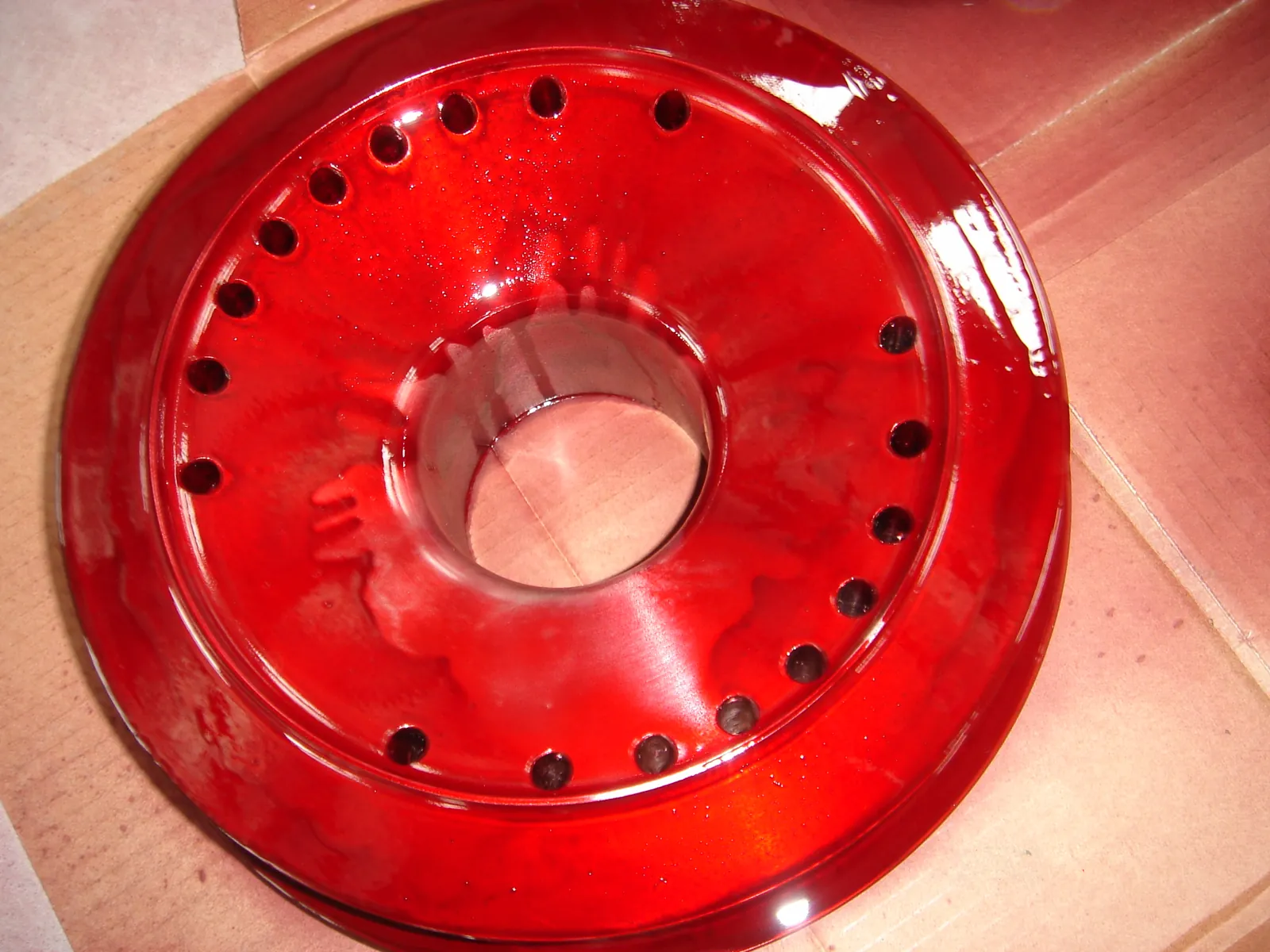
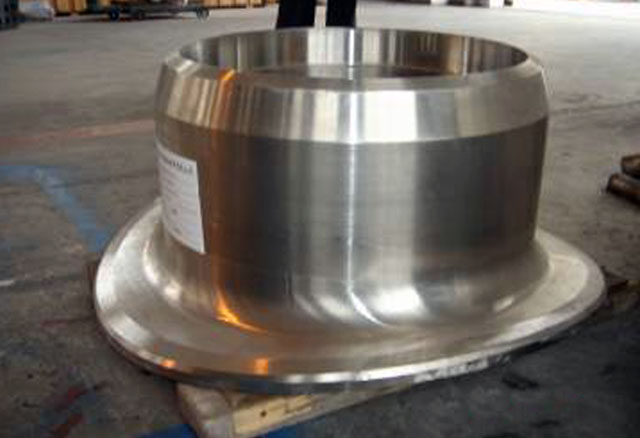
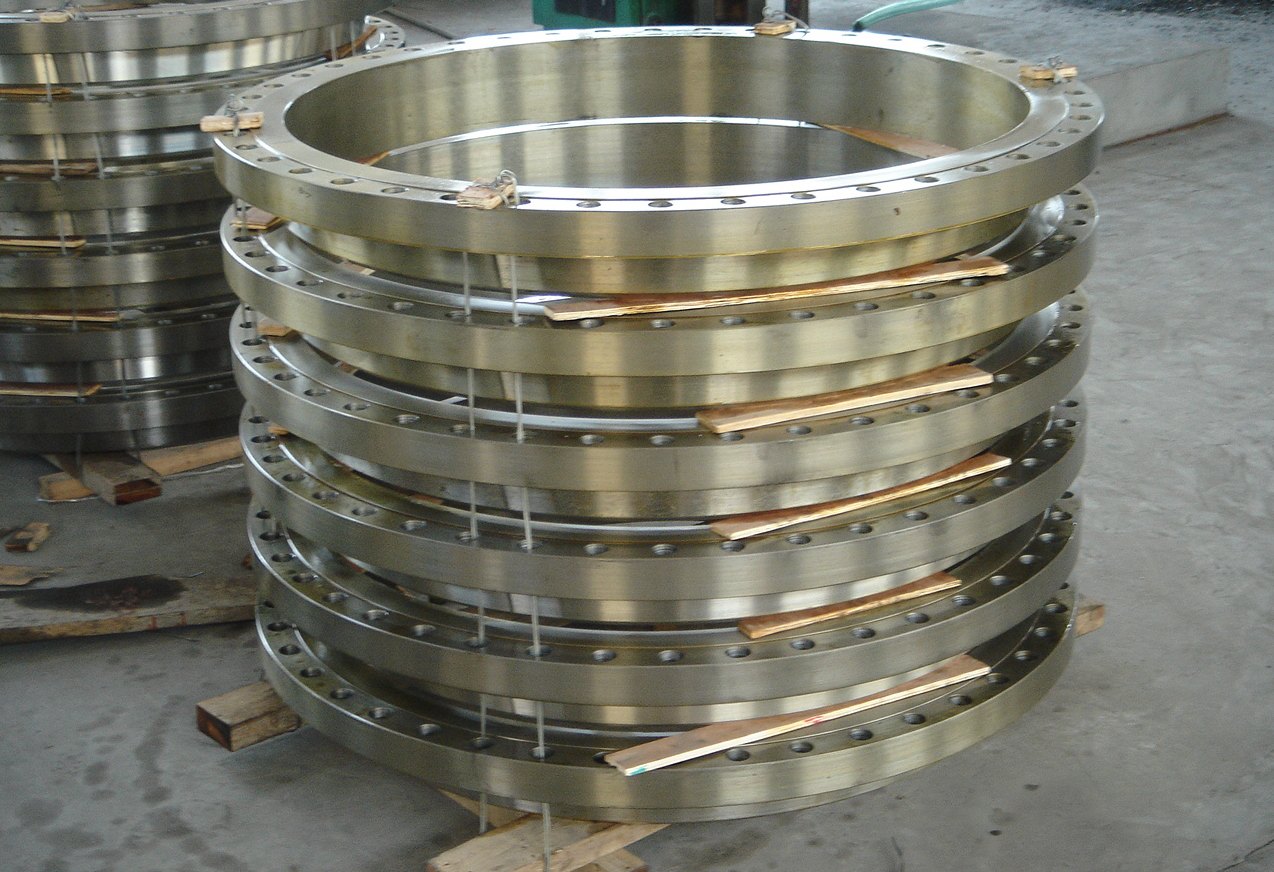
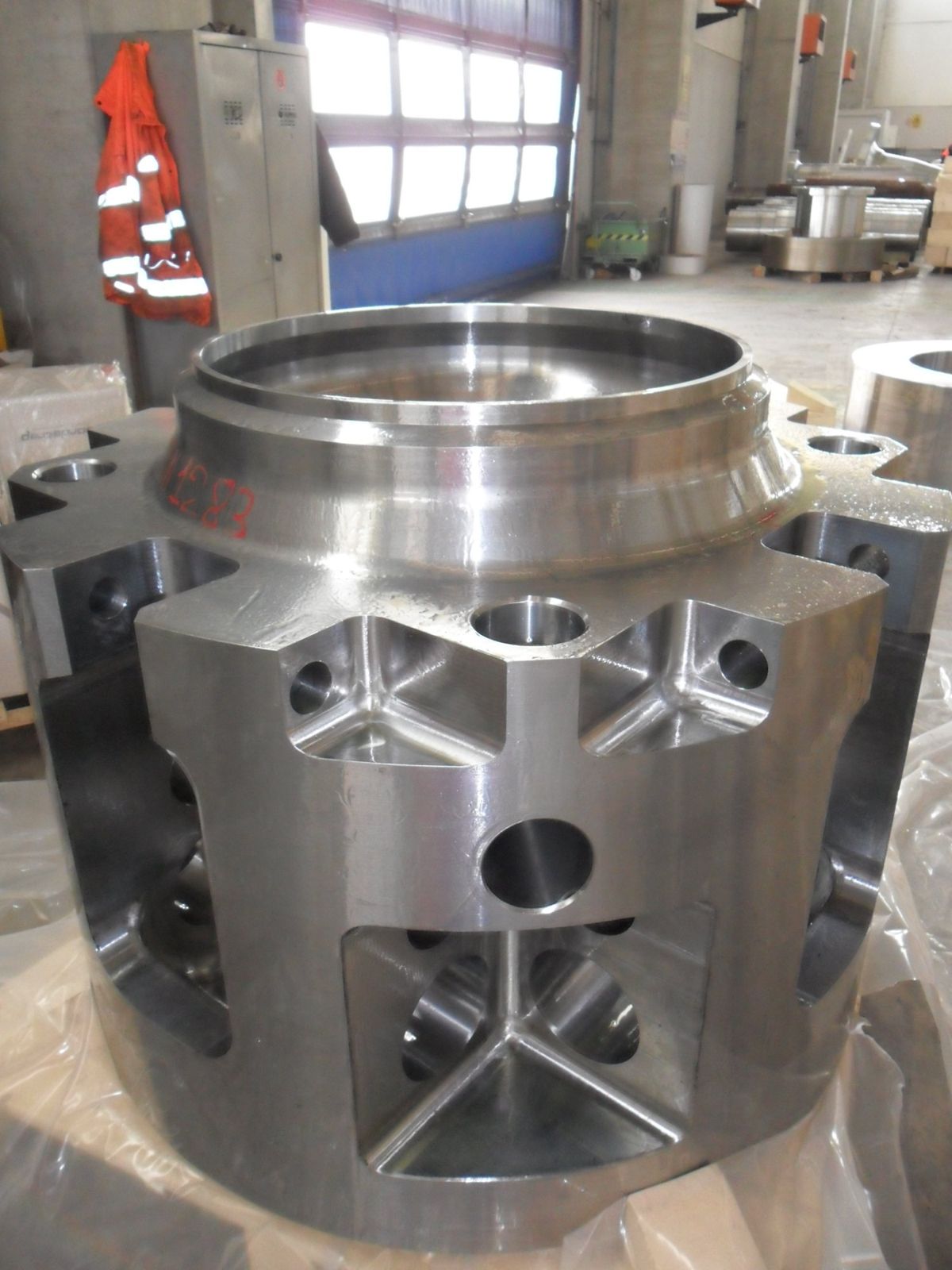
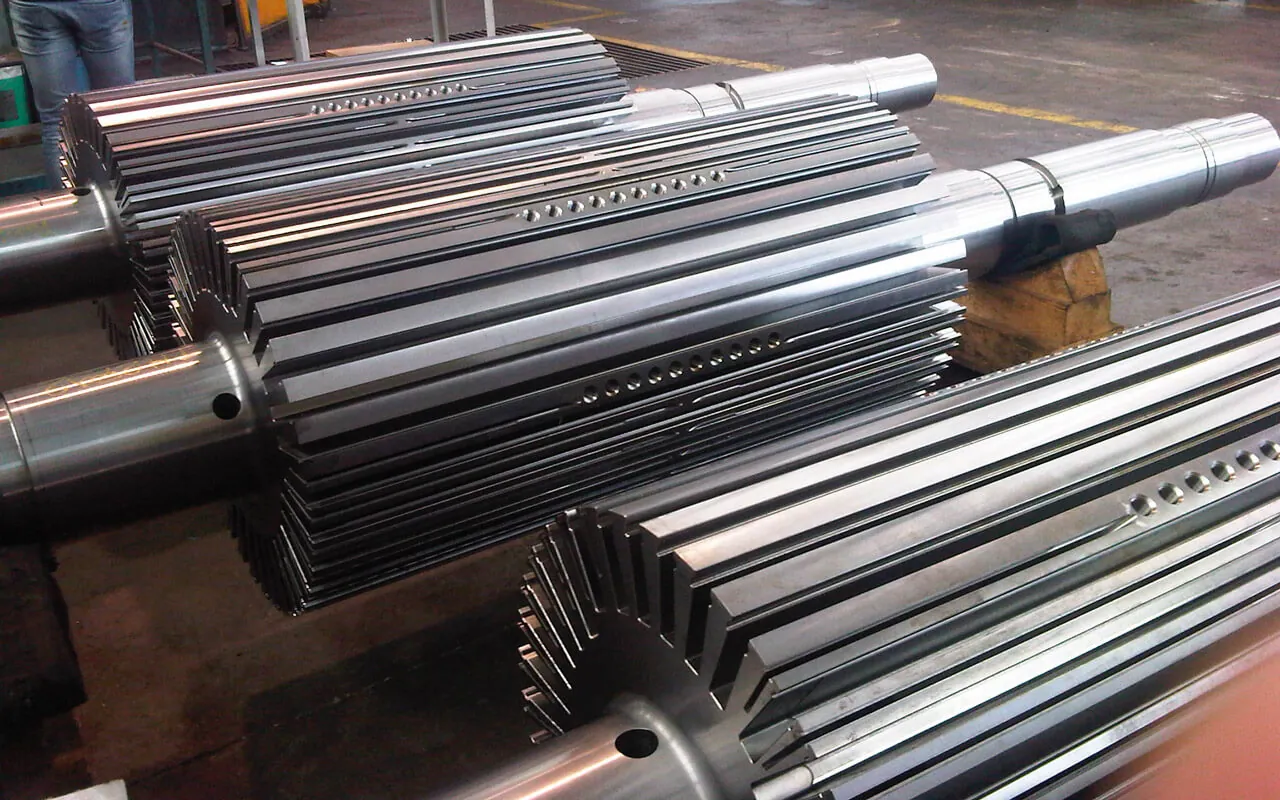
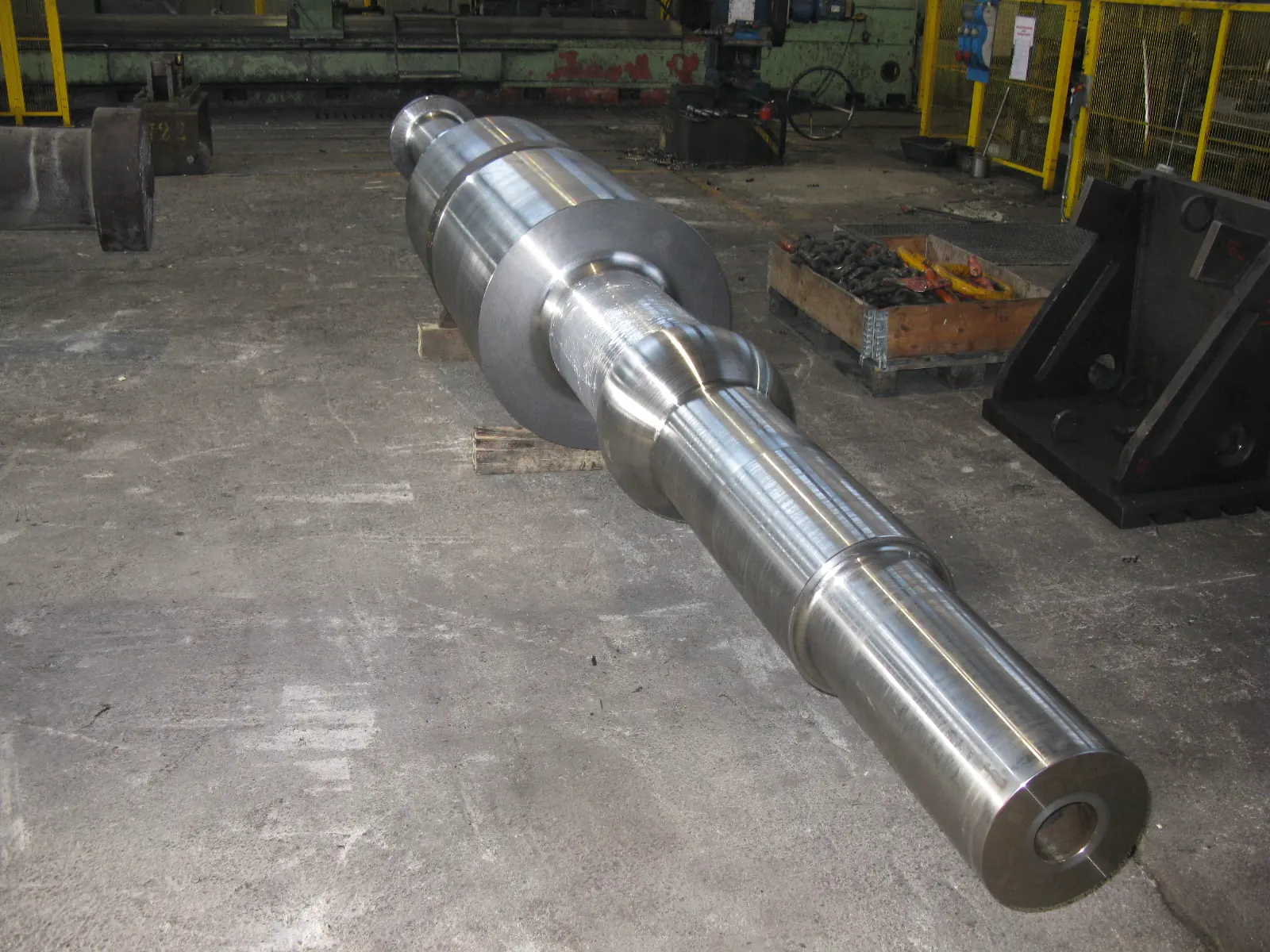
Above a cross-section of 160 mm, EN 10088-3 does not specify values. There, EN 10250-4 applies for open-die forgings, or agreements per order. Metal Service Europe supplies 1.4462 as forged ring, disc, flange, bar or part to drawing, solution annealed and, as desired, rough, pre-turned or fully machined.
Applications
Applications of 1.4462
Valves and chokes
Fasteners
Pressure equipment according to EN 10272
Power generation and breweries
Flanges and piping components
Plants for phosphoric acid and organic acids
Xmas trees, connectors and manifolds
Composition and properties
Composition and properties of 1.4462 / X2CrNiMoN22-5-3
Chemical composition
Mechanical properties (solution annealed)
EN values in longitudinal direction, impact energy at least 100 J at room temperature. ASTM A182 also requires at least 45% reduction of area for F51 and F60; a hardness limit, for example for NACE, we agree per order.
Heat treatment and processing
Slowly heat to 1200 °C: the material is sensitive to thermal shock
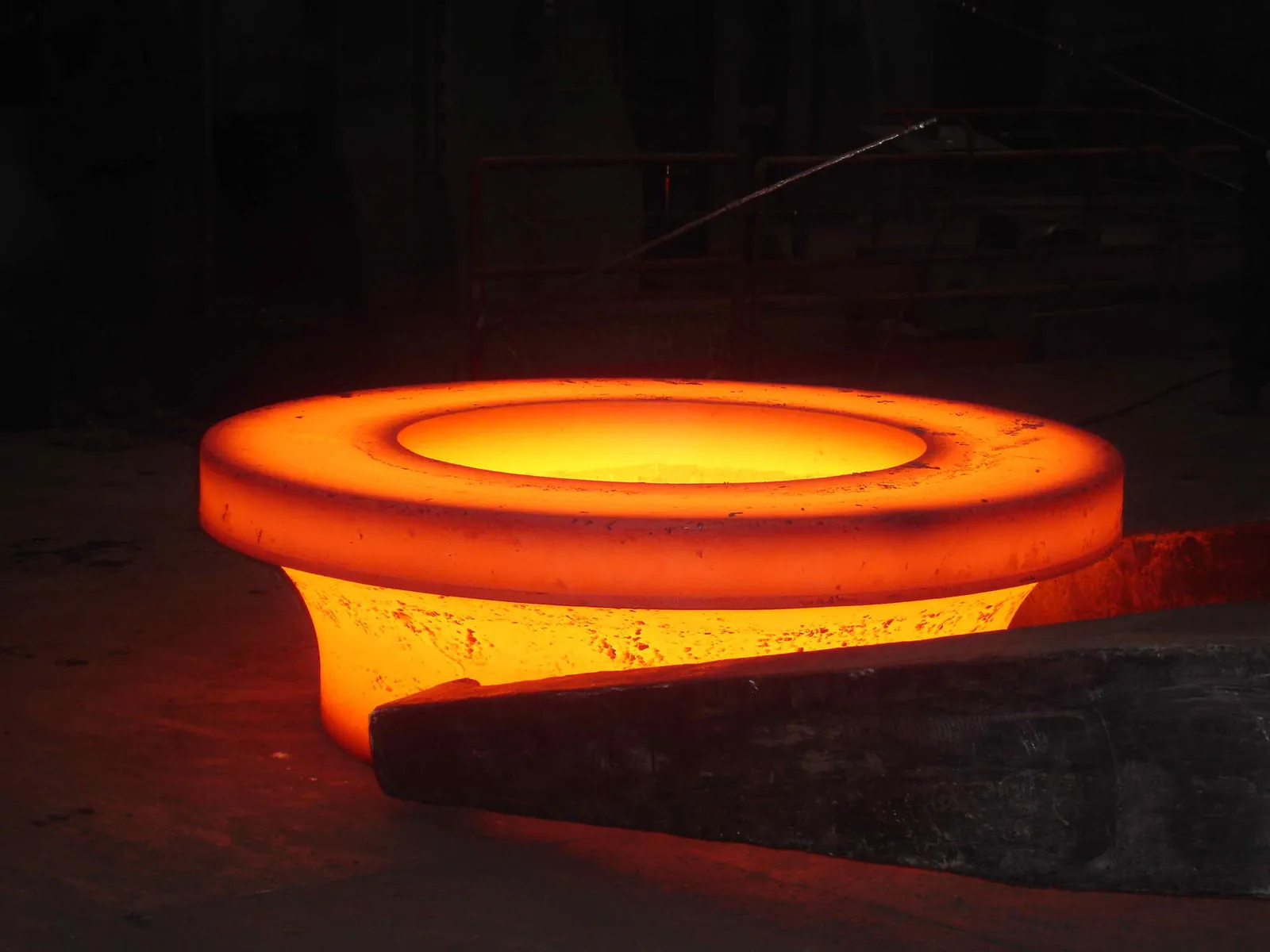
Forge between 1200 and 950 °C, then cool quickly in air or water
Solution anneal (+AT) at 1020 – 1100 °C, cool in water or air
Good weldability with controlled heat input, about 0.5 – 2.5 kJ/mm, for a good phase balance; after welding resistant to intergranular corrosion (EN ISO 3651)
Difficult to machine because of two phases and high strength
Application range -100 to 250 °C; ferromagnetic
Our Approach
From Inquiry to Delivery
Inquiry & Specification
Send us your drawing, the cross-section and the quantities, plus the requirements from your project specification, such as a NORSOK sheet or NACE limit. Analysis, tests and certificate type follow from this.
Forging within the temperature window
Duplex is forged within the correct temperature window and cooled quickly after solution annealing. We follow the process per piece.
Quality Control & Delivery
Test pieces provide tensile, impact and hardness values, supplemented where necessary with an intergranular corrosion test. After ultrasonic testing, delivery follows with the agreed certificate.
Quality
Certification and Quality Assurance
For 1.4462 the order standard determines what appears on the certificate. If additional requirements apply, such as a NORSOK MDS sheet (D41 – D45, D47, D48) or a NACE hardness limit, we include them in the order in advance. The EN 10204 certificate, type 3.1 or 3.2, states the melt analysis, the solution annealing treatment and all test results. Read more about our approach under quality assurance.
Available
1.4462 available as
We supply 1.4462 solution annealed, as single pieces or in small series:
Frequently Asked Questions
Frequently asked questions about 1.4462
Is 1.4462 the same as F51, S31803 and 2205?
In practice, yes: they are designations of the same 22Cr duplex alloy in different standard systems. 1.4462 is the European material number, S31803 the UNS code and F51 the ASTM A182 grade for forgings; 2205 is the common trade name. Small differences lie in the standard limits, especially for nitrogen. How 1.4462 compares with other duplex types you can read under duplex stainless steel.
What is the difference between F51 and F60?
F60 (UNS S32205) is the 2205 variant with higher minimum contents than F51 (S31803): 22.0 against 21.0% chromium, 3.0 against 2.5% molybdenum and 0.14 against 0.08% nitrogen. As a result, the minimum PREN comes to about 34 instead of about 30.5. If a melt meets the stricter F60 analysis, a forging can be certified to both grades by agreement. We record this in advance, also on the certificate.
What PREN does 1.4462 have?
With the formula Cr + 3.3 Mo + 16 N, 1.4462 comes to 30.9 to 38.0 within the standard analysis. Producers quote typical values of 33 to 35 for regular deliveries. According to EN 10088-1, a PREN of more than 34 can be agreed. If you have this requirement, include it in the enquiry; the melt analysis on the certificate shows whether it has been met.
What yield strength does 1.4462 have at higher temperatures?
The minimum yield strength decreases gradually with temperature. According to EN 10088-3, for solution-annealed material: 360 MPa at 100 °C, 335 MPa at 150 °C, 315 MPa at 200 °C and 300 MPa at 250 °C. According to the producer, the application range runs from -100 to 250 °C. If your design temperature is above this, we will discuss an alternative grade.
Can 1.4462 be used under NACE MR0175 / ISO 15156?
Yes, 1.4462 is used within NACE MR0175 / ISO 15156 for sour gas, provided it is solution annealed and meets conditions for hardness and ferrite content. The exact hardness limit differs per edition and per source. We therefore do not quote a fixed value, but include the limit from the edition you prescribe in the specification. The measured hardness then appears on the certificate.
Do the standard values of 1.4462 also apply to large forgings?
Not automatically. EN 10088-3 gives mechanical values up to a cross-section of 160 mm; above that they must be agreed. For forgings, separate standards exist, EN 10250-4 and EN 10222-5. For large rings or discs, we agree in advance where the test pieces are taken and which minimum values apply. This way the inspection matches the actual wall thickness of your piece.
How is 1.4462 heat treated, and do you take care of that?
1.4462 is solution annealed at 1020 to 1100 °C and then cooled quickly in water or air. This dissolves any intermetallic phases and restores the steel's toughness and corrosion resistance. This treatment is always part of our delivery, at least according to the standard and, if desired, according to your own specification. Because duplex is fairly soft at annealing temperature, good support in the furnace matters.
How well can 1.4462 be machined?
Machining 1.4462 requires attention because of the two phases and the high strength. The producer rates machinability as poor and advises coated carbide or cermet. Indicative cutting speeds are 65 to 170 m/min for turning and 30 to 70 m/min for drilling. If you prefer not to do this work yourself, we supply the forging fully machined to your drawing.
Which certificate do you receive with a 1.4462 forging?
A forging in 1.4462 comes with an inspection certificate 3.1 according to EN 10204; for type 3.2, a body such as TÜV, Lloyd's Register or ABS co-inspects. If a ferrite determination is requested, it is most reliably done metallographically, for example according to ASTM E562; a magnetic measurement without a suitable reference is less certain. For 2205 the ferrite content is typically between 40 and 50%.
What is the delivery time for 1.4462?
A pre-turned forging in 1.4462 can sometimes be delivered within 6 working weeks. If the piece is delivered fully machined, 8 to 10 working weeks is usual. Weight and dimensions play a role, as do additional tests or a 3.2 inspection, which require extra planning. After receipt of your drawing and specification you will receive a concrete delivery date.
In Pictures
A Selection of Our Work
Related Grades
Request a quote for 1.4462 / F51
Send us your drawing with cross-section, quantities and project requirements. You will receive a quotation for 1.4462 that matches your specification, with a concrete delivery time.
Inspected to EN or ASTM
Supplied solution annealed
100% traceable
Rough, pre-turned, or machined
Request a Quote
Leave your details, and we will contact you shortly.