
Forged rings
Forged rings are seamless rings and bushings, forged or rolled from a single block. From 20 kg to 65 tons, Ø 150 mm to 10 m, up to 2.8 m high.
Forged rings
The right ring, in the right quality
Forged rings form the basis for flanges, bushings, gear rings, and bearing rings. Metal Service Europe supplies forged rings to machine, pump, and valve manufacturers in almost any cross-section: flat, high, thick-walled, or profiled.
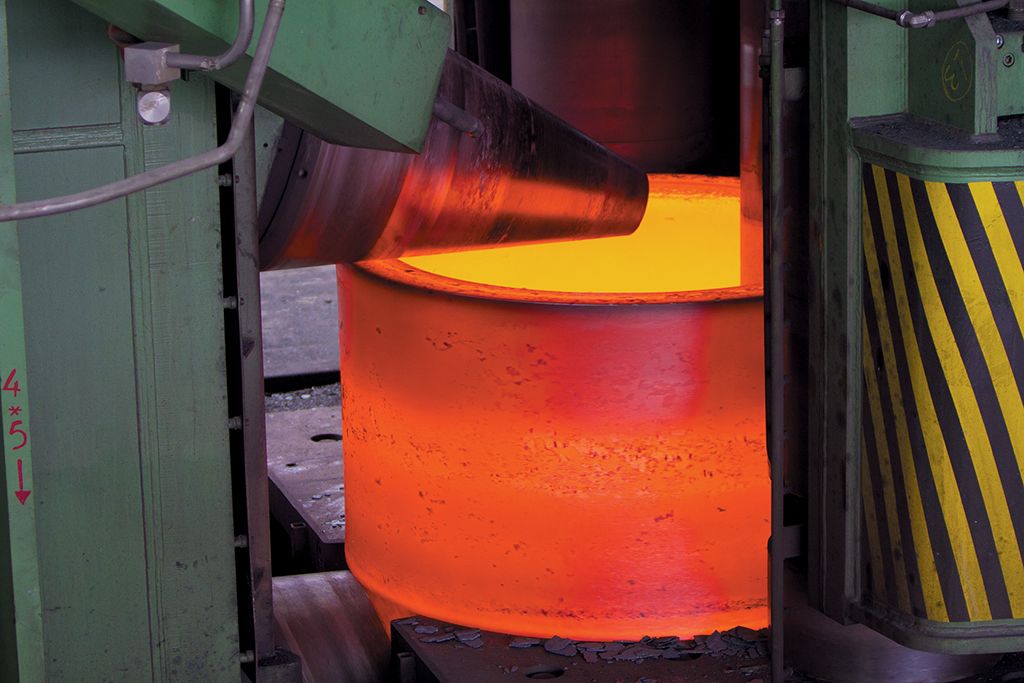
This includes seamless rolled rings, as well as thick-walled rings and bushings that are fully forged under the press. They are also called forged rings.
Execution
From rough forged to fully machined
Rough forged
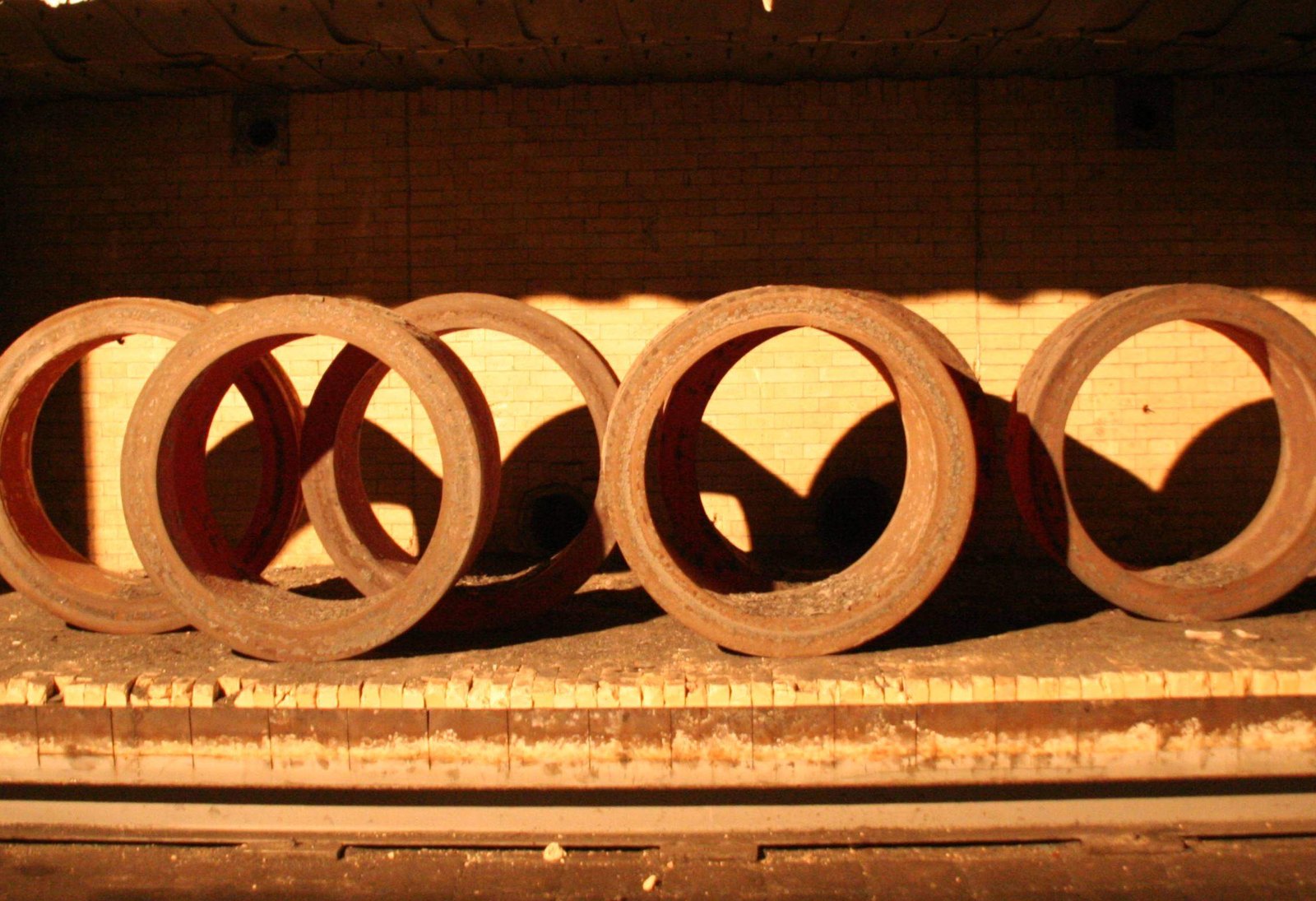
Delivered after forging or rolling and heat treatment, with allowance on inside diameter, outside diameter, and height. Suitable if you turn rings to size in-house or process them into flanges.
Rough turned
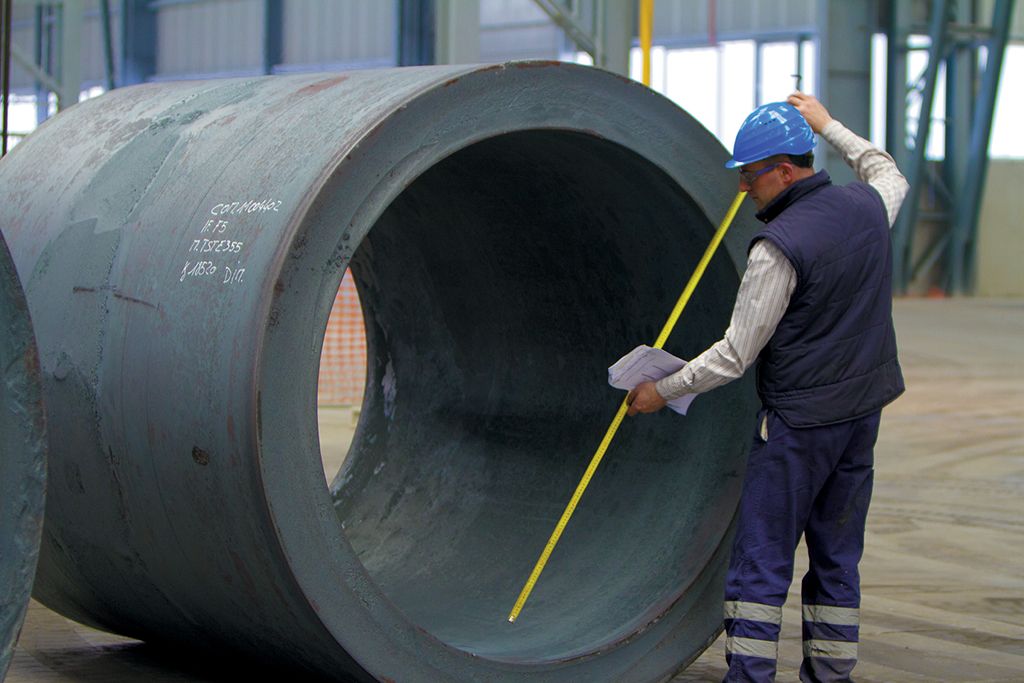
Rough turned on the inside, outside, and both faces, allowing the ring to be fully ultrasonically tested. You begin your final machining with a certified and documented semi-finished product.
Fully machined
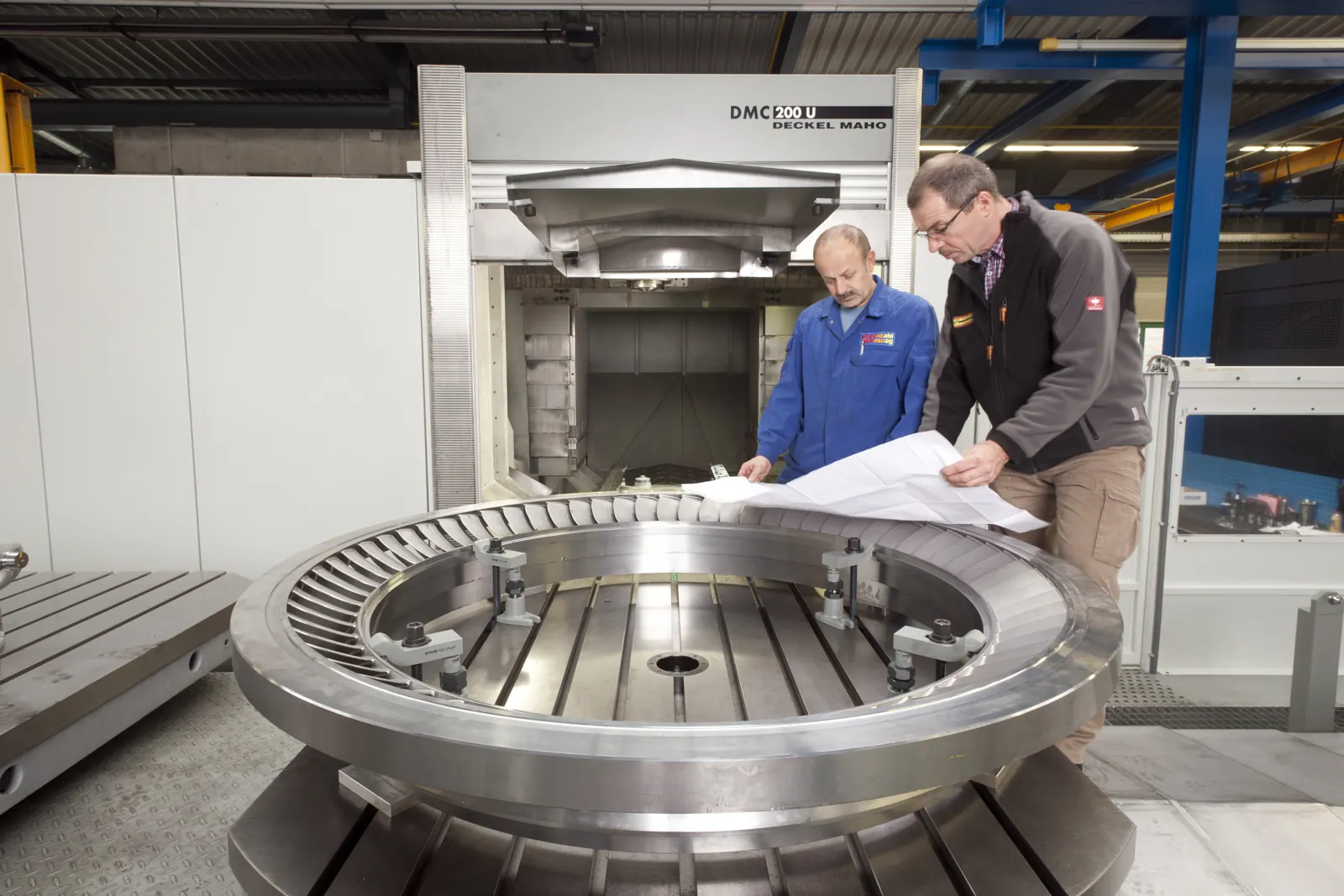
Finished according to drawing, including bolt hole patterns, grooves, or sealing surfaces. You receive a ready-to-install flange ring, bushing, or gear ring, checked for dimensions and provided with a certificate, so it fits directly into your construction.
Process
How a forged ring is created
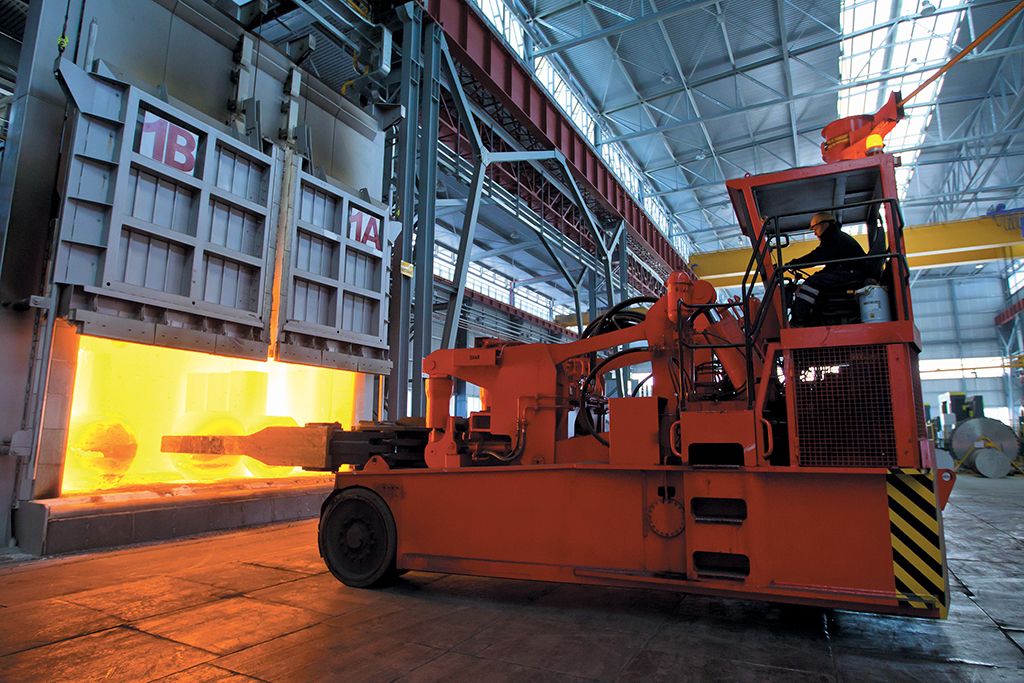
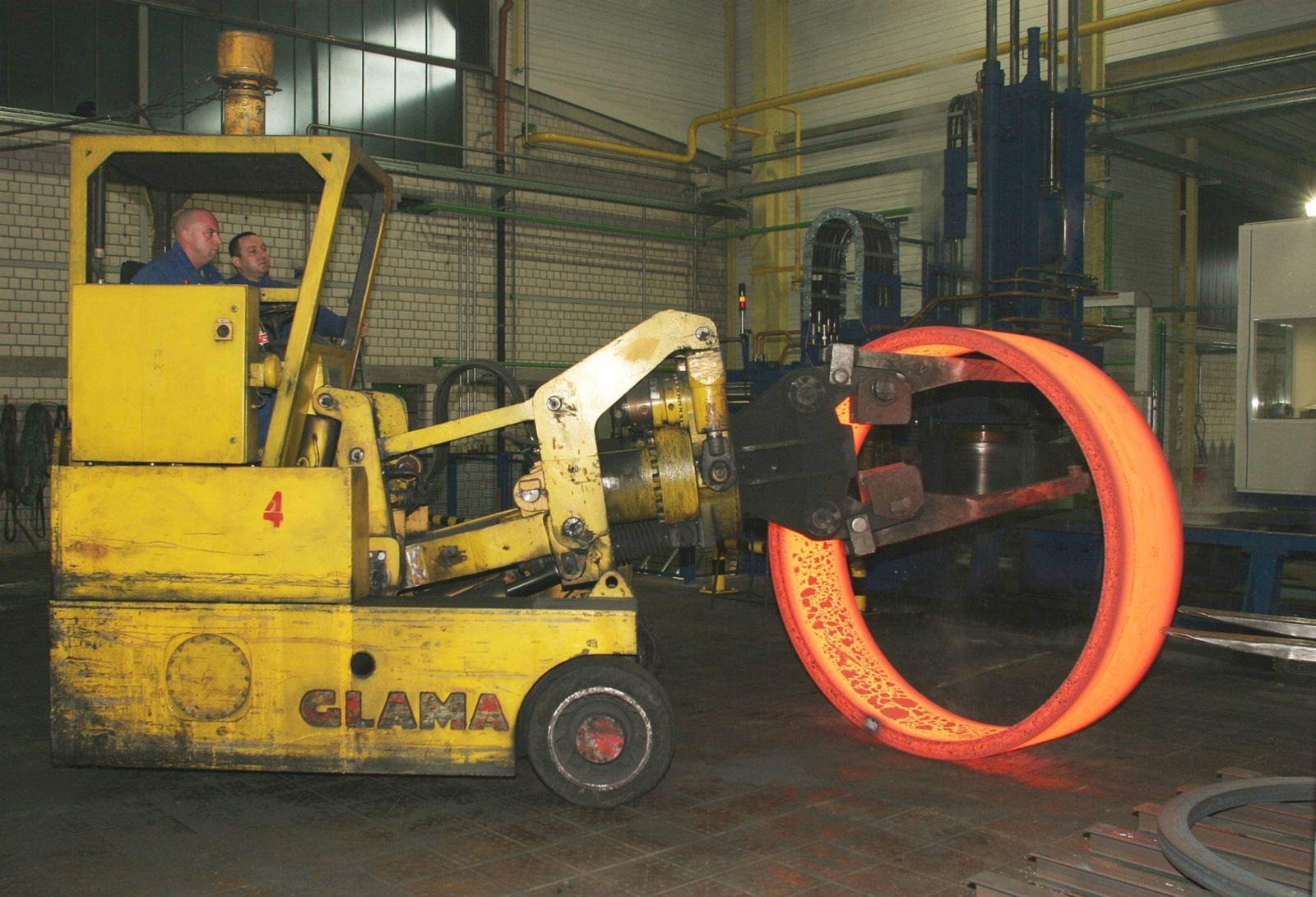
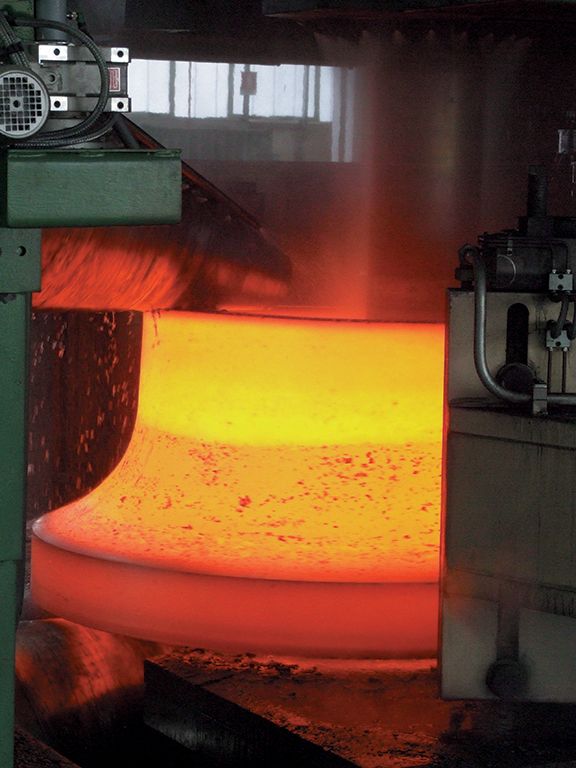
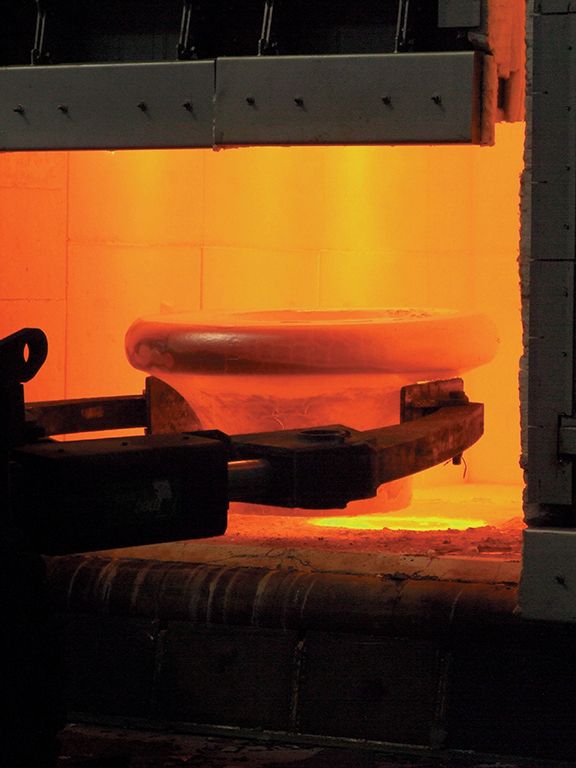
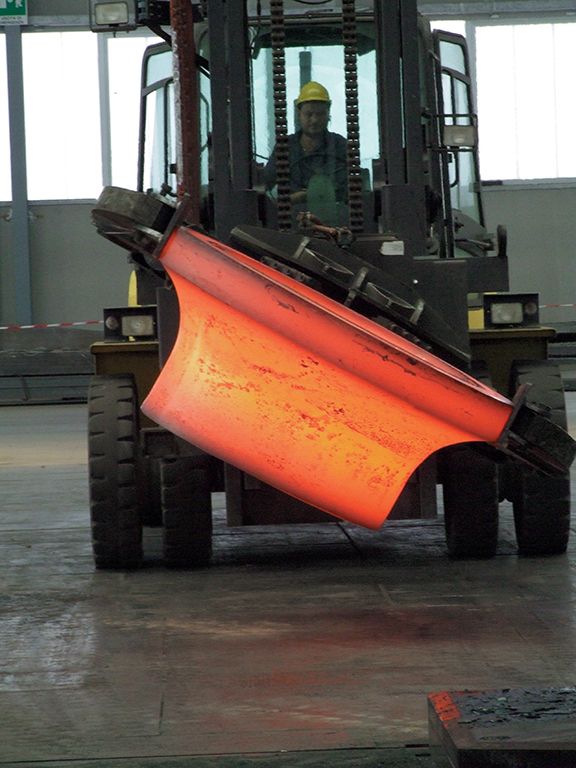
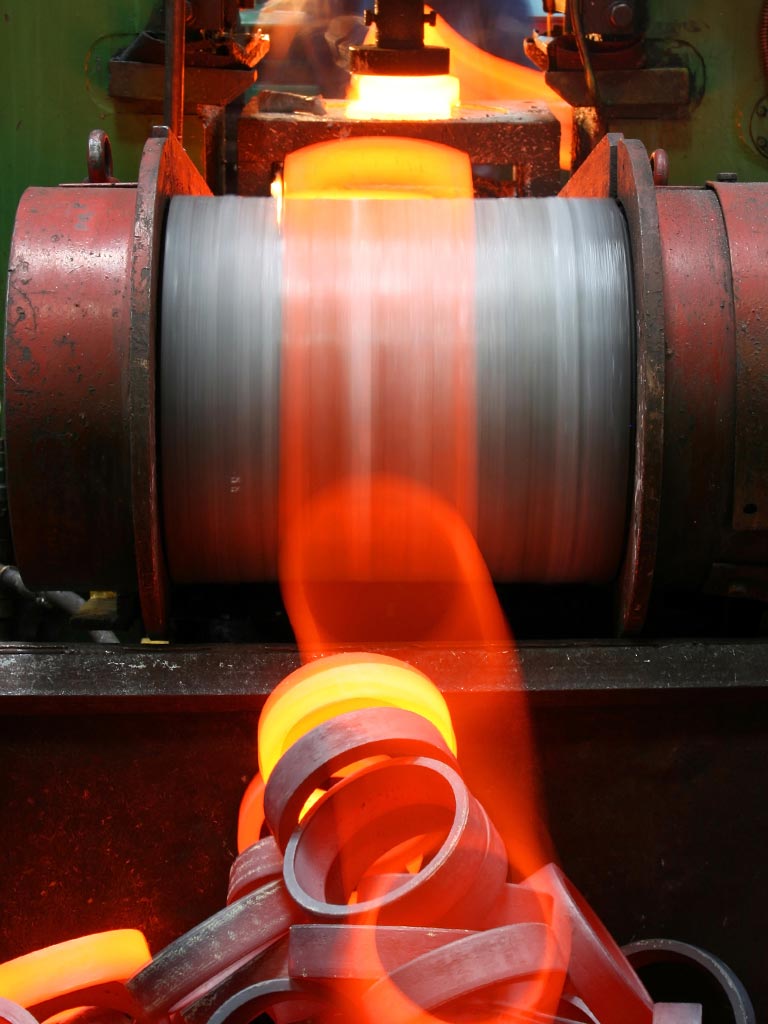
A block cut to weight is heated, upset, and pierced in the center. That preform is then sized: under the press over a mandrel, on the ring mill, or using a combination of both. After heat treatment, test pieces are taken; then the ring is rough turned and ultrasonically tested throughout its entire volume.
Applications
For the most demanding industries
Valve and pump components
Bushings and bearing bushings
Flanges and flange rings
Bearing and slewing rings
Rings for hydraulic cylinders
Gear rings
Our Approach
Your Partner in Forged Rings
Inquiry & Advice
We look at the function of the ring and the final shape with you. Sometimes a profiled ring is more economical, while other times a rectangular ring with more machining is the better choice.
Specification & Selection
Inside and outside diameter, height, quality, inspection, and certification are agreed upon with you. Based on size and weight, we determine whether the ring will be forged or rolled.
Quotation & Alignment
We calculate the price based on the weight actually used; the quote also specifies the execution and delivery time. Tolerances and acceptance are coordinated before the order.
Order & Delivery
We follow forging, rolling, heat treatment, and inspection step by step. The ring arrives at your facility with a certificate and inspection reports.
Material Grades
Forged rings in almost any quality
The choice depends on the load, temperature, and the environment in which the ring operates. A selection; almost any forgeable quality is possible:
Frequently Asked Questions
Everything about forged rings
What is the difference between a forged and a seamless rolled ring?
A seamless rolled ring is a forged ring that receives its final dimensions on a ring mill. For a fully forged ring, the press gives the ring its shape. Ring rolling is known for tight tolerances and relatively little material loss, especially for profiled rings. You can read more about that process on our seamless rolled page.
How large can a forged ring be?
A forged ring can have an outside diameter up to 10 meters and a height up to 2.8 meters, with a piece weight up to 65 tons. These maximums do not apply in every combination: alloy, wall thickness, and rolling capacity limit each other, especially with very large diameters. Provide us with the desired dimensions, and we will assess feasibility in advance and choose the most suitable production route.
From what weight do you supply forged rings?
We supply forged rings starting from 20 kg. This makes small bushings and bearing rings possible as forgings, instead of being turned from bar or thick-walled tube. Since no die is required, even a single piece is cost-effective. For very small sizes, we will work with you to determine which route is most economical.
When do you choose a forged ring instead of a ring from plate?
Choose a forged ring when the strength, toughness, or density of the material is critical. If a ring is flame-cut from plate, you cut across the rolling structure of the plate, and the cutting process introduces extra heat into the edge. A forged or rolled ring is formed as a whole, where the grain flow follows the circumference of the ring.
Can a ring be forged with a profile?
Yes, a ring can be rolled with a profile on the inside or outside, a so-called profiled ring, for example with a collar or a step for a flange. The ring is then closer to the final shape, meaning you buy less material and have less machining. Profile rolling does require adapted rolling tools. Therefore, it is primarily interesting for a series of rings of the same size.
Can bushings and thick-walled rings also be forged?
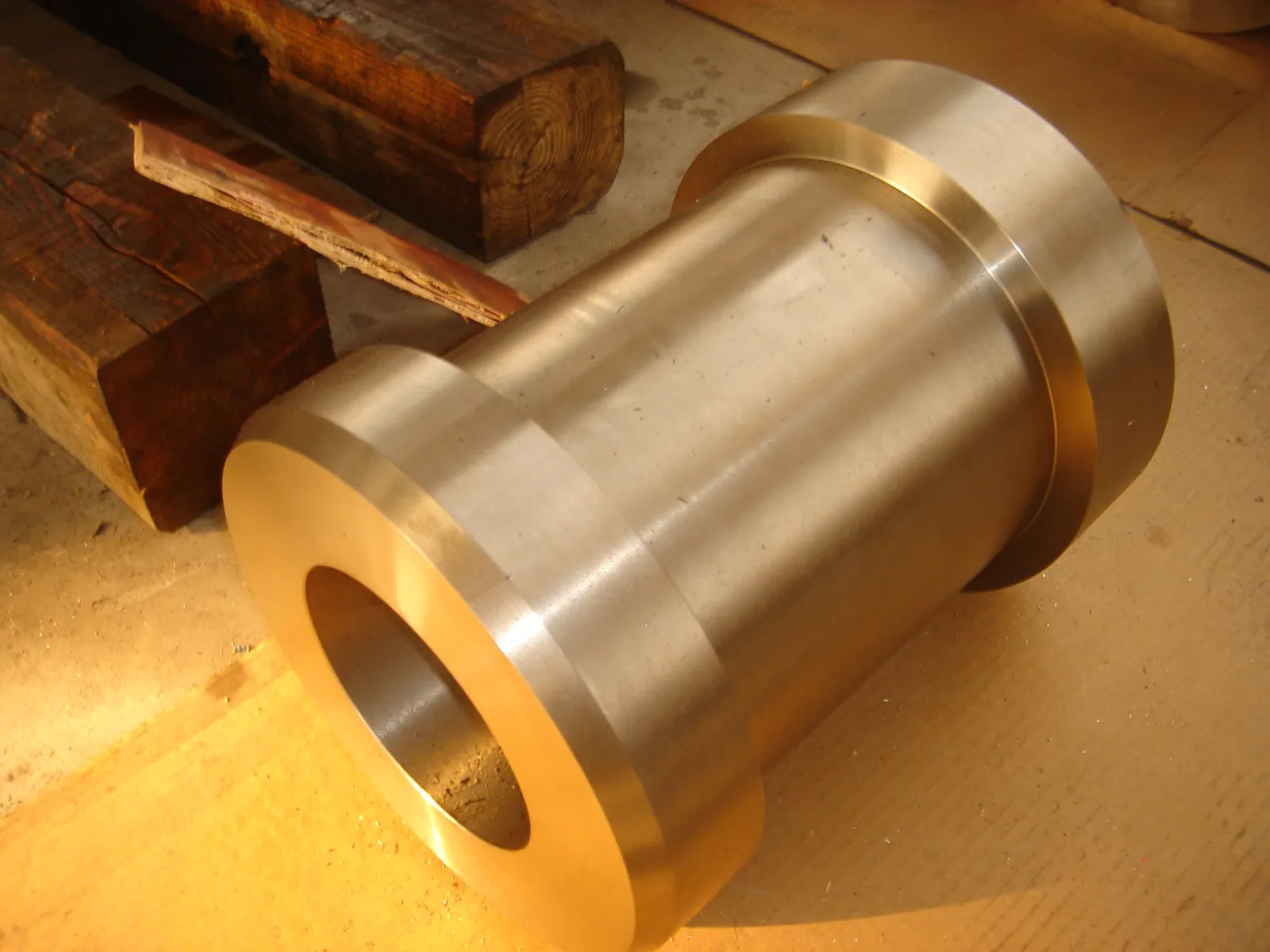
Yes. A forged bushing is essentially a high ring with a relatively small inside diameter. Such shapes are often forged over a mandrel instead of rolled because the wall is too thick or the ring is too high for the ring mill. Bushings up to 2.8 meters high are possible, rough or rough turned, for example as a bearing bushing or as part of a hydraulic cylinder.
What documents do you receive with a forged ring?
Every ring comes with a material certificate according to EN 10204, as a 2.2, 3.1, or 3.2 certificate depending on your requirements. This includes chemical analysis, mechanical values, and performed inspections, fully traceable to your ring. For flange rings in pressure equipment, we supply according to PED, and if desired, with acceptance by an agency such as TÜV, RINA, or DNV.
What is the lead time for a forged ring?
For a number of rough turned rings, delivery within 6 business weeks is achievable. If you wish to receive the ring fully machined, allow for 8 to 10 business weeks. Weight and dimensions determine the schedule, so a heavy ring with a large diameter or extra inspections may take longer. Sometimes a suitable quality and size are available quickly from stock; feel free to ask about this with your inquiry.
How is a forged ring inspected?
A rough turned ring is at minimum ultrasonically tested (UT) for internal imperfections. Depending on the specification, magnetic particle or dye penetrant inspection on the surface, hardness measurements, tensile and impact tests, and a dimensional check follow. For stainless rings, an intergranular corrosion test may be requested, and with PMI, the correct alloy can be confirmed for stainless steel, duplex, and nickel alloys.
Is a forged ring stronger than a cast ring?
Yes, as a rule, a forged ring is stronger and tougher than a cast ring of the same shape. During forging, the crystals of the block are refined, while a casting retains the structure with which it solidified in the mold. For rings and bushings in stainless steel, duplex, or nickel alloys up to Ø 1,500 mm, centrifugal casting is still an alternative, for example for seal rings. See also centrifugal casting.
Request your quote without obligation
Send us the dimensions of your ring: outside and inside diameter, height, quality, and quantity. You will quickly hear which shape and execution is most economical.
Ø 150 mm to 10 meters
Forged or rolled
EN 10204 3.1 / 3.2
Single piece or small series