
A350 LF2 (ASME SA-350 LF2) | Forged & Certified
A350 LF2 (SA-350 LF2): carbon steel for low-temperature forgings, with mandatory impact testing, in Class 1 or Class 2 and with a 3.1 certificate.
About This Grade
What is A350 LF2?
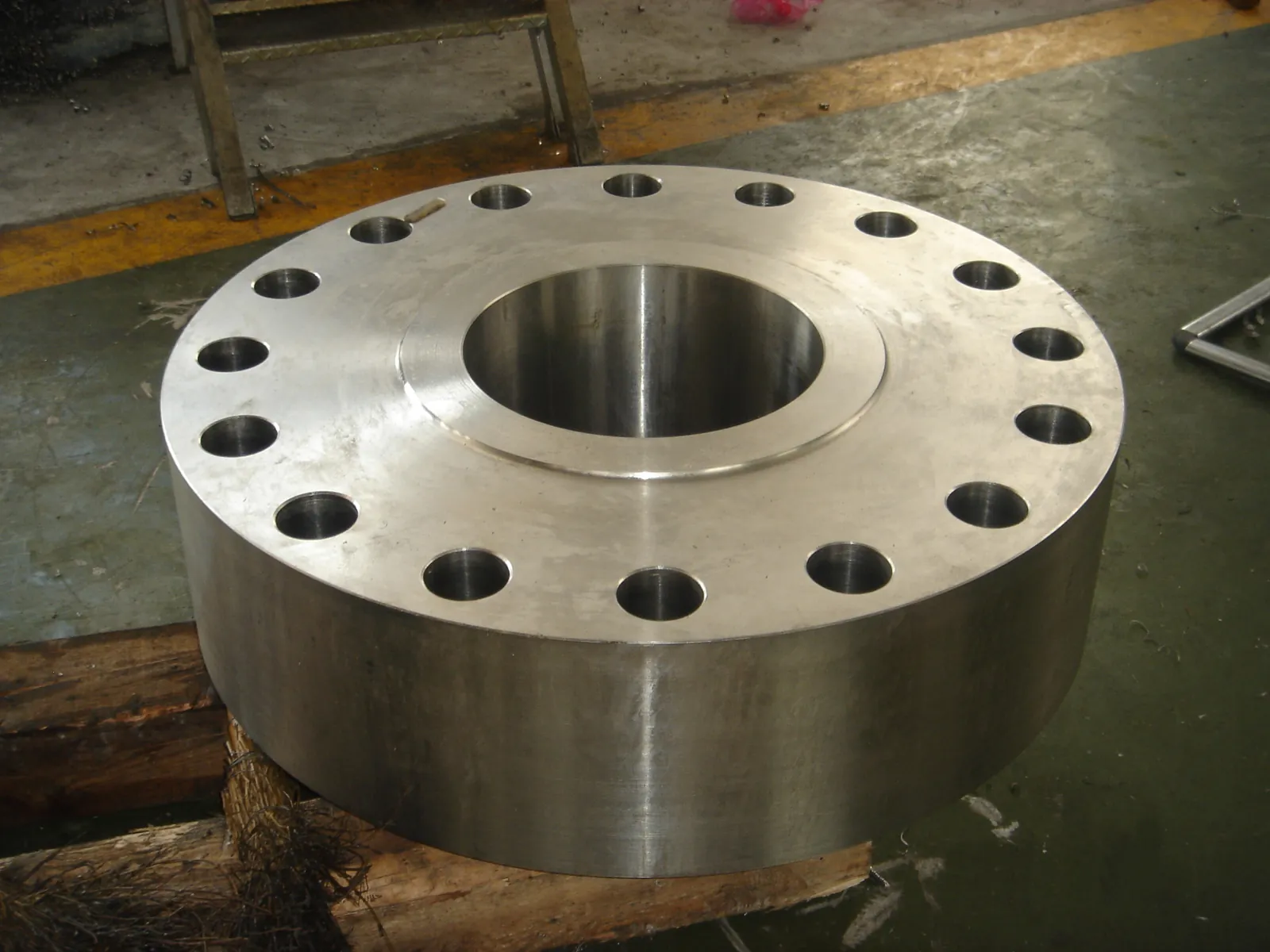
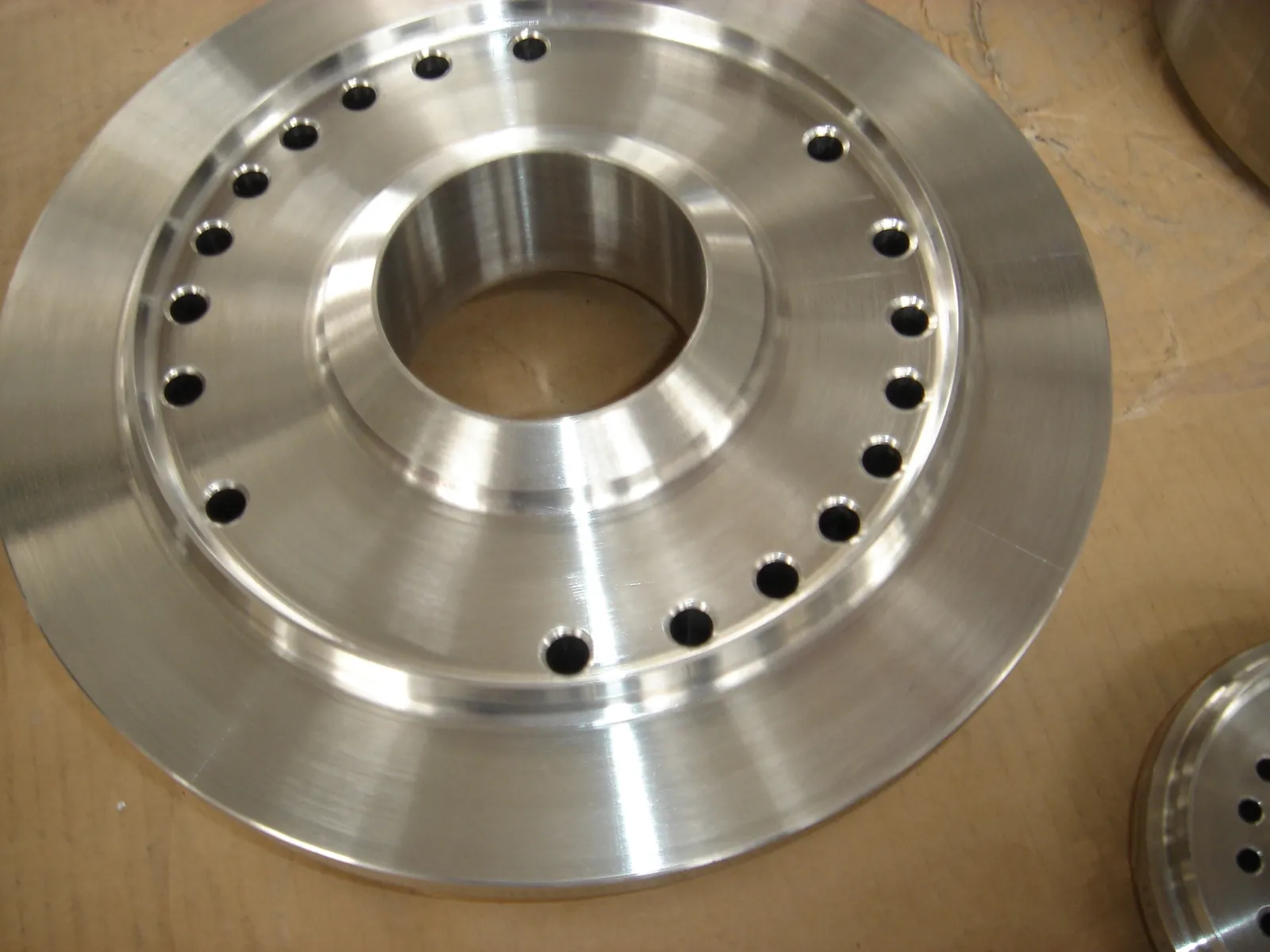
A350 LF2 is carbon steel for forgings that must remain tough at low temperatures. This grade falls under ASTM A350, the standard for forged piping components with mandatory impact testing; in the ASME code, it is called SA-350 LF2. Typical products include flanges, fittings, and valve parts for piping systems with a low design temperature, for example, in gas processing, offshore, and petrochemical industries.
In terms of strength, LF2 is on par with A105: the standard requires a minimum yield strength of 250 MPa and a tensile strength between 485 and 655 MPa. The distinction lies in toughness. At low temperatures, the impact test must achieve a specified minimum energy. The composition is tailored accordingly, with a maximum of 0.30% carbon, manganese up to 1.35%, and a small permissible amount of niobium.
LF2 has two classes with the same composition and tensile requirements: Class 1, impact tested at -46 °C (-50 °F), and Class 2, impact tested at -18 °C (0 °F). Metal Service Europe supplies both as flanges, rings, discs, or forgings according to drawing.
Applications
Applications of A350 LF2
Pressure-retaining parts with a low design temperature
Fittings and valve parts for cold pipelines
Flanges for the non-cryogenic parts of LNG installations
Piping in oil and gas
Offshore piping systems
Petrochemical installations
Composition and Properties
Composition and Properties of A350 LF2 / SA-350 LF2
Chemical Composition
Mechanical Properties according to ASTM A350
Values according to ASTM A350 Grade LF2; Class 1 and 2 have the same tensile requirements. Elongation 22% on a round test bar (4D), reduction of area minimum 30%. Impact test on 10 x 10 mm Charpy V-notch test specimens: average of three bars and lowest single value. For smaller test specimens, the standard prescribes adjusted energy values and, if necessary, a lower test temperature. Hardness maximum 197 HBW. Deviating requirements by agreement.
Heat Treatment and Processing
Delivery condition: normalized, normalized and tempered, or quenched and tempered
Forging typically between 900 and 1200 °C, followed by slow cooling
Normalizing typically between 860 and 930 °C, air cooling
Hardening during quenching and tempering typically between 890 and 960 °C in water
Ultrasonic testing after rough machining; MT and PT upon request
Always temper after quenching, at a minimum of 590 °C
Our Approach
From Inquiry to Delivery
Inquiry & Specification
Tell us the lowest design temperature, the flange standard, and the pressure class. We will determine with you whether Class 1 or Class 2 is needed and what impact test requirement will be on the order.
Forging and Normalizing
The toughness of LF2 strongly depends on well-controlled heat treatment. We define this in advance and monitor forging and normalizing.
Quality Control & Delivery
A set of three impact test bars is tested at the class's test temperature, in addition to tensile testing and hardness measurement. After rough machining and ultrasonic testing, delivery follows with a certificate.
Quality
Certification and Quality Assurance
For LF2, the certificate is proof that the material is tough enough at low temperatures. In addition to analysis and tensile values, the measured impact energy, test temperature, and class are therefore also stated on the 3.1 certificate according to EN 10204. We test each piece separately, with full traceability; you can read how we ensure this on the quality assurance page.
Available
A350 LF2 Available as
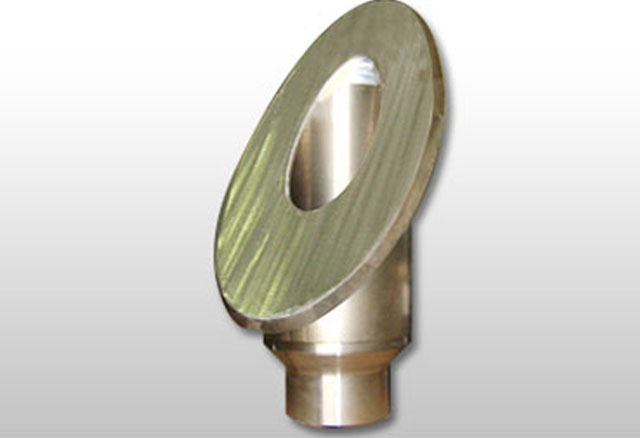
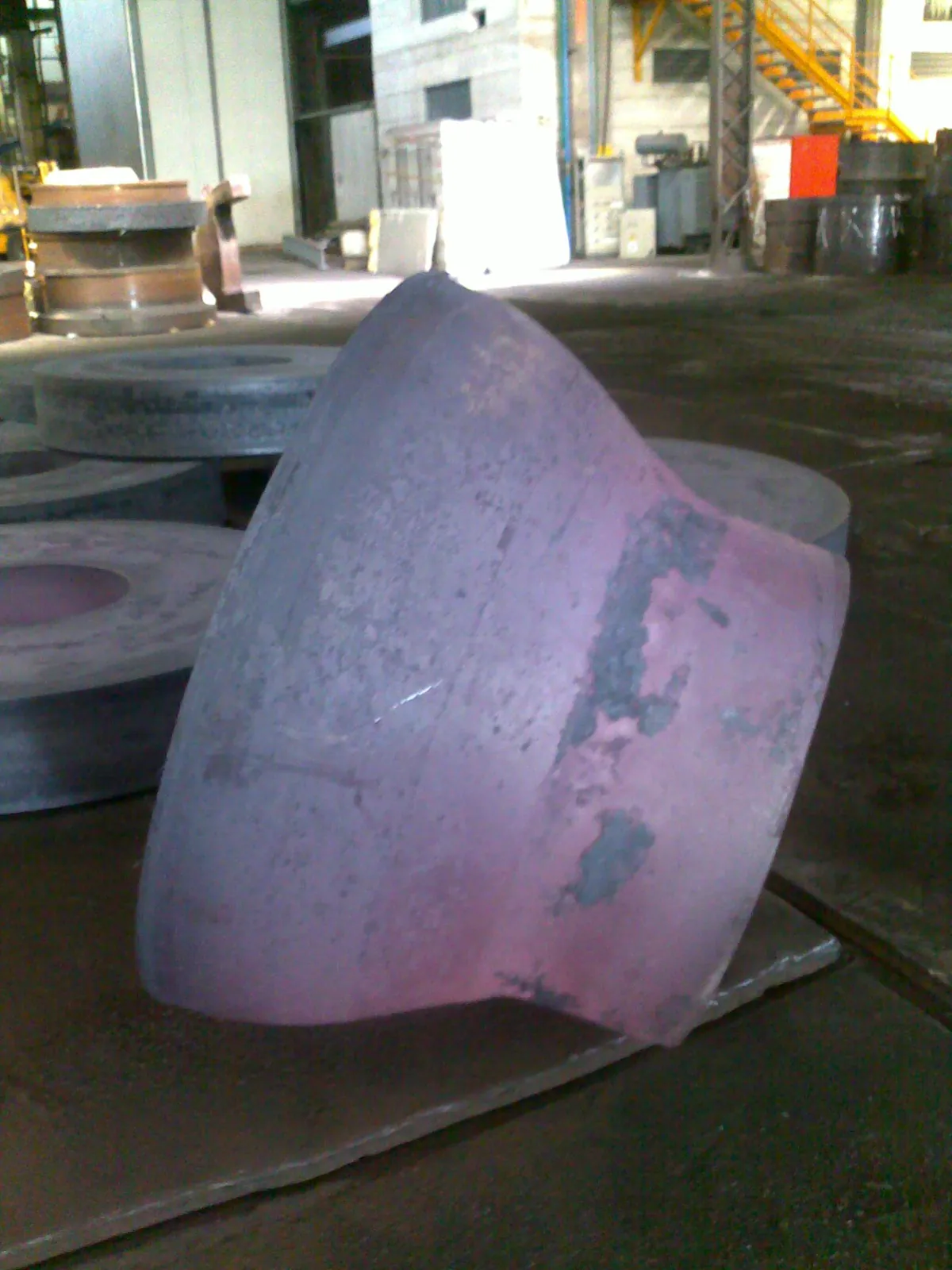
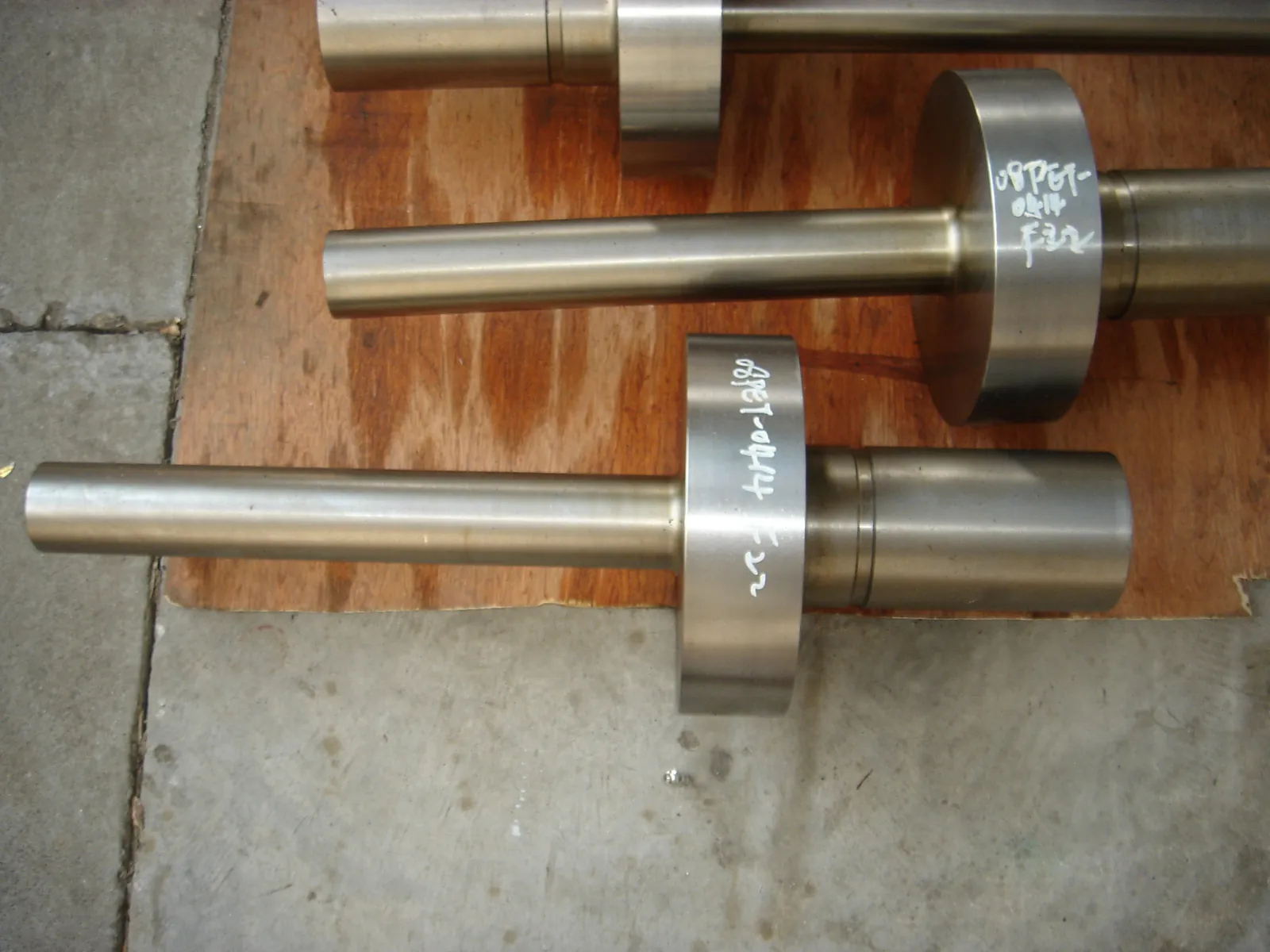
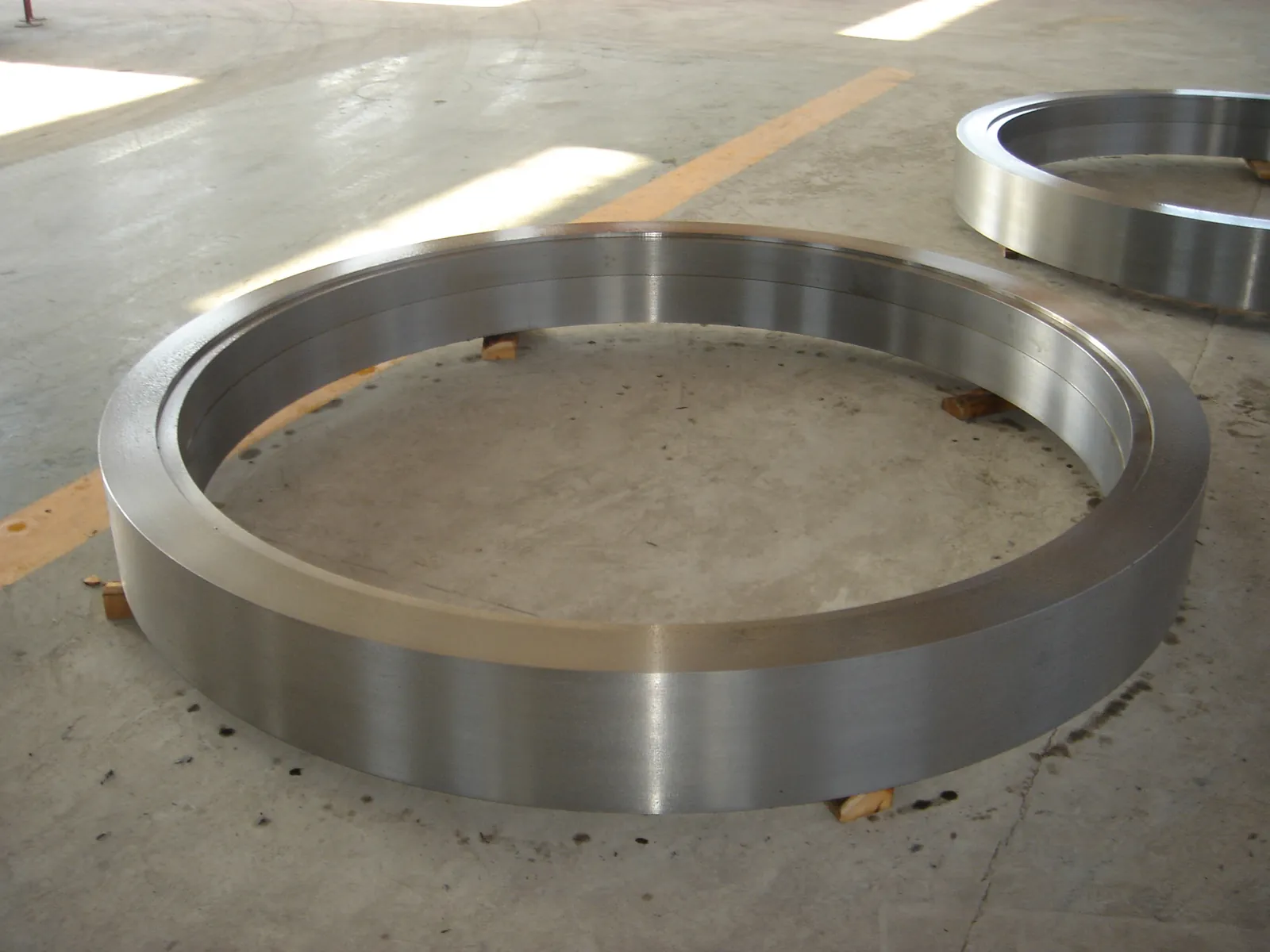
We supply A350 LF2 as single pieces or small series in the following forms:
Frequently Asked Questions
Frequently Asked Questions about A350 LF2
What is the difference between LF2 Class 1 and Class 2?
The only difference is the impact requirement: Class 1 is tested at a colder temperature, Class 2 with higher energy. Class 1 requires a minimum of 20 J as the average of three test bars and 16 J for the lowest single value. Class 2 requires an average of 27 J and a minimum of 20 J for each individual test bar. If your lowest design temperature is below the test temperature of Class 2, generally only Class 1 is suitable; your design code decides.
Is A350 LF2 suitable for LNG, or is LF3 needed?
LF2 is not suitable for the cryogenic part of an LNG installation. LNG is processed around -162 °C, while LF2, even in Class 1, is tested well above that temperature. For colder applications, ASTM A350 offers nickel-containing LF3, tested at -101 °C, but even that does not reach -162 °C. For such applications, austenitic stainless steel, such as A182 F316L, is chosen. LF2 is for piping components that remain above its test temperature.
When do I choose LF2 instead of A105?
As soon as the design temperature is lower than -29 °C, LF2 is the logical step. A105 is not standardly impact tested and has no proven toughness below that limit. Even above -29 °C, a project specification may prescribe LF2, for example, in offshore or LNG applications. LF2 is a choice for toughness, not for strength: yield strength and tensile strength are at the same level.
What is the temperature range of A350 LF2?
The lower limit depends on the class: -46 °C for Class 1 and -18 °C for Class 2, which are the temperatures at which the impact test was performed. On the upper end, ASME B16.5 provides pressure-temperature ratings up to 538 °C, but the flange standard warns that prolonged use above 425 °C can cause the carbide in the steel to convert to graphite. Therefore, LF2 is chosen for the cold side; the design code of your installation determines the exact limits.
Does LF2 have a higher pressure class than A105?
No. In ASME B16.5, A350 LF2 and A105 fall into the same material group 1.1 and thus have the same pressure-temperature ratings. At -29 to 38 °C, a Class 150 flange may handle 19.6 bar (285 psig) and a Class 300 flange 51.1 bar (740 psig). An LF2 flange therefore does not have a higher pressure class than an A105 flange of the same size. The reason to choose LF2 remains its proven toughness.
What heat treatment does LF2 receive?
A350 LF2 is supplied normalized, normalized and tempered, or quenched and tempered. If the forging is quenched, the standard prescribes tempering at a minimum of 590 °C, with a holding time of 30 minutes per 25 mm maximum thickness and never less than 30 minutes. Which route is appropriate depends on the dimensions and the required impact value. We agree on this choice in advance.
Is there an EN equivalent of A350 LF2?
No, not a one-to-one equivalent. Comparison tables mention P285QH (1.0478), a quenched and tempered EN grade for pressure-retaining forgings with its own requirements. For a cold application, the main consideration is whether toughness has been demonstrated at your lowest design temperature. Therefore, compare test temperature and energy requirements, not just strength and chemistry. The designer or inspection body decides on replacement; we supply what your specification prescribes.
Why is the impact test so important for LF2?
Because the toughness of LF2 forgings can vary significantly in practice. A Chevron study of six LF2 flanges (ASM Heat Treating 2015) found impact values at -46 °C ranging from approximately 4 J to almost 300 J, with almost identical strength. The cooling rate after normalizing proved to be the main cause. Only a test on material from the same production demonstrates that your flange complies.
Can LF2 flanges be supplied with a 3.2 certificate?
Yes. In addition to the common EN 10204 3.1 certificate, we supply LF2 with a 3.2 certificate, where an independent inspector witnesses the tests and co-signs the certificate. This is often requested for LNG, offshore, and sour gas projects. Acceptance can be done by ABS, Bureau Veritas, RINA, TÜV, or Lloyd's Register, among others. We agree in advance on who will inspect and which tests will be witnessed.
What is the delivery time for A350 LF2 forgings?
For LF2, weight, size, and machining determine the delivery time, as do the impact tests. Some rough-machined pieces can be ready within 6 working weeks; fully machined flanges typically follow after 8 to 10 working weeks. Low-temperature tests and any 3.2 acceptance are scheduled from order confirmation. The quote will state a concrete delivery date for your parts.
In Pictures
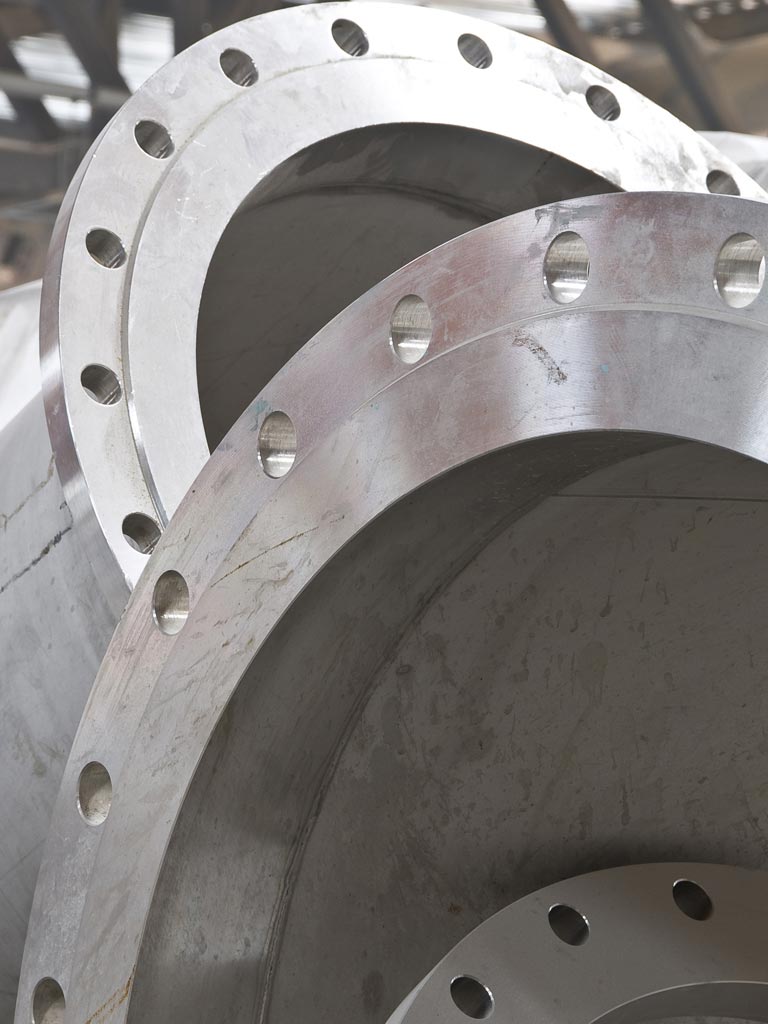
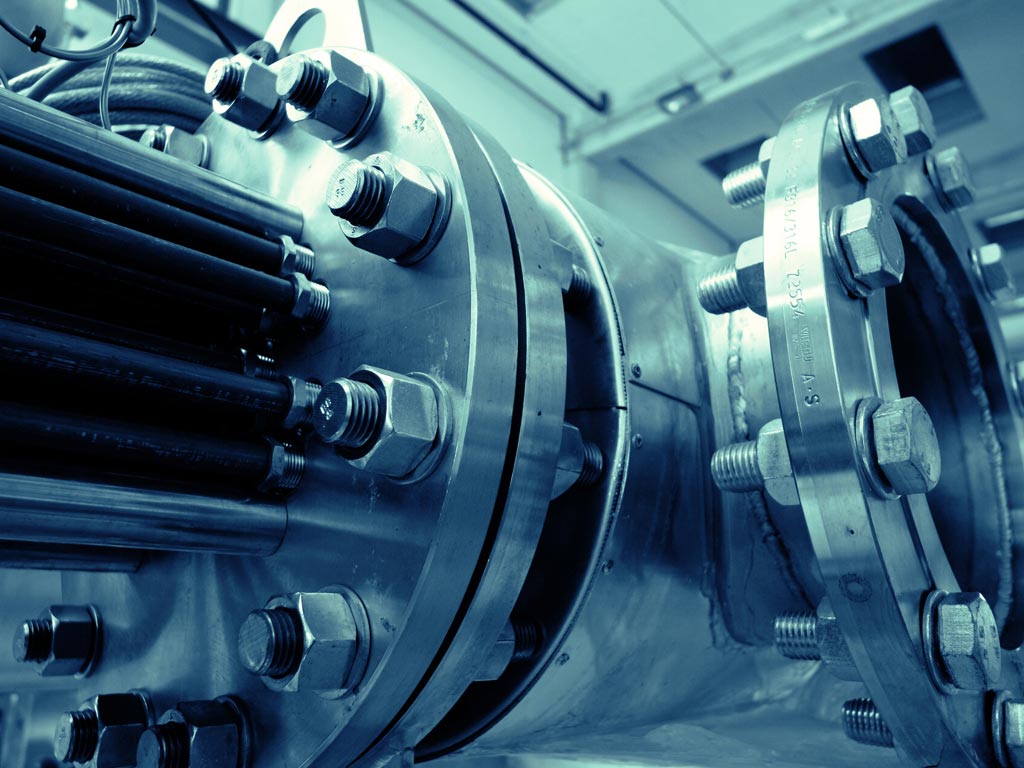
A Selection of Our Work
Related Grades
Request a Quote for A350 LF2 / SA-350 LF2
Send us your specification with design temperature, class, flange standard, and quantities. We will assess whether LF2 Class 1 or Class 2 is suitable and get back to you quickly with a quote.
Impact test proven on certificate
Class 1 and Class 2
Single pieces and small series
EN 10204 3.1 or 3.2
Request a Quote
Leave your details, and we will contact you shortly.