
1.4923 (X22CrMoV12-1) | Forged & Certified
W.nr. 1.4923 (X22CrMoV12-1) is a creep-resistant 12% chromium steel according to EN 10269 for steam turbines and high-temperature bolts, forged and quenched and tempered to QT1 or QT2.
About this grade
What is 1.4923?
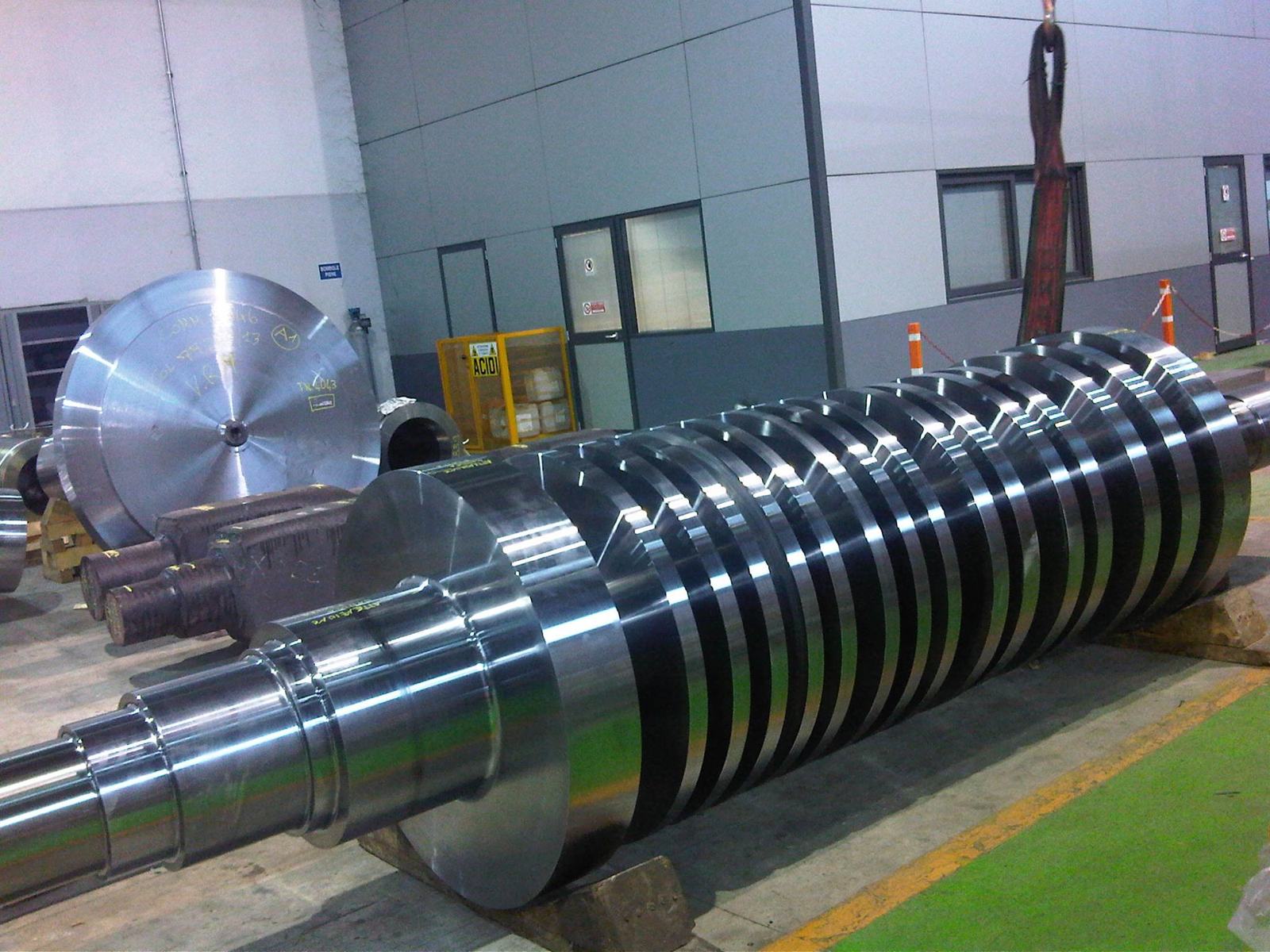
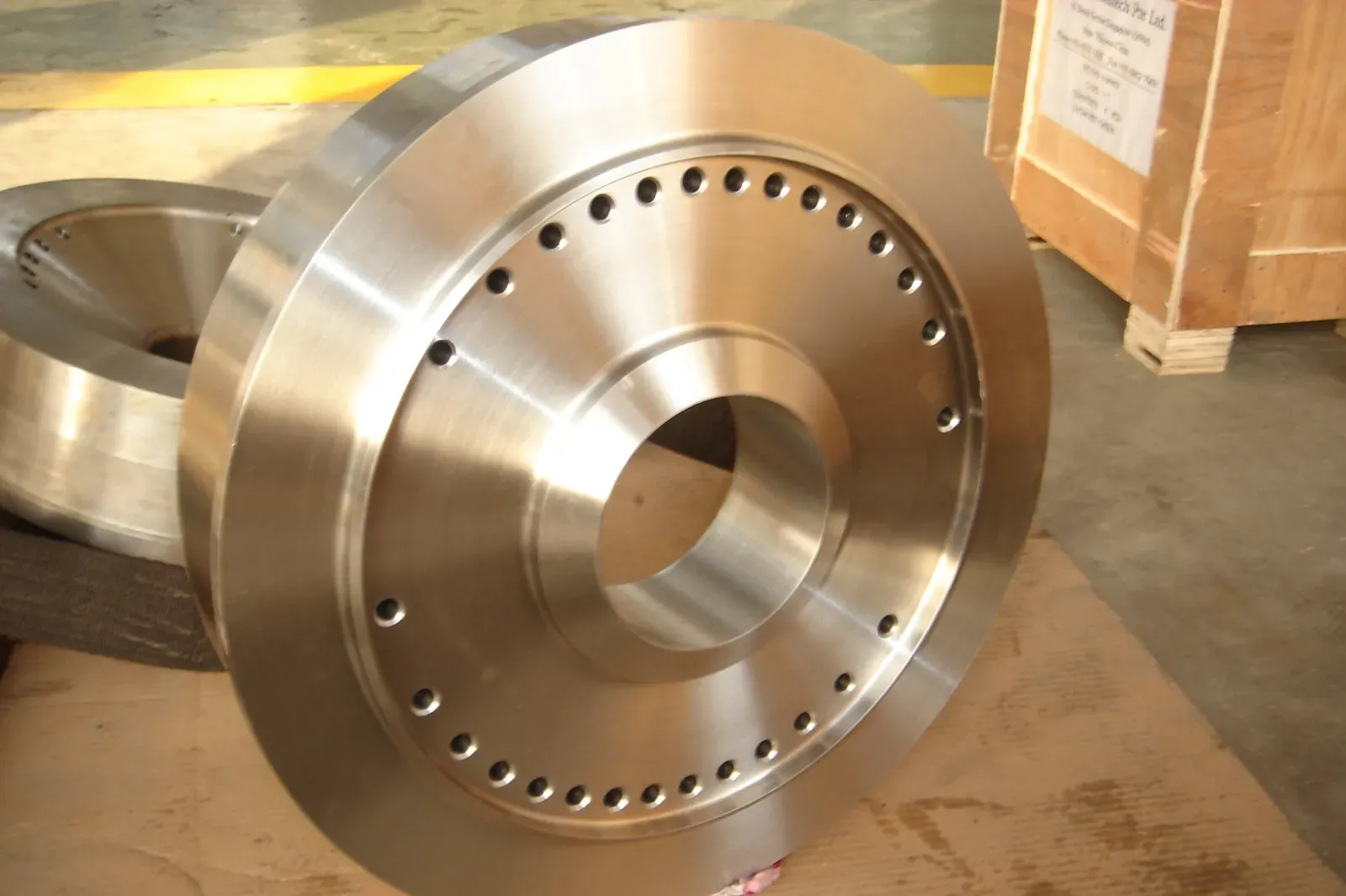
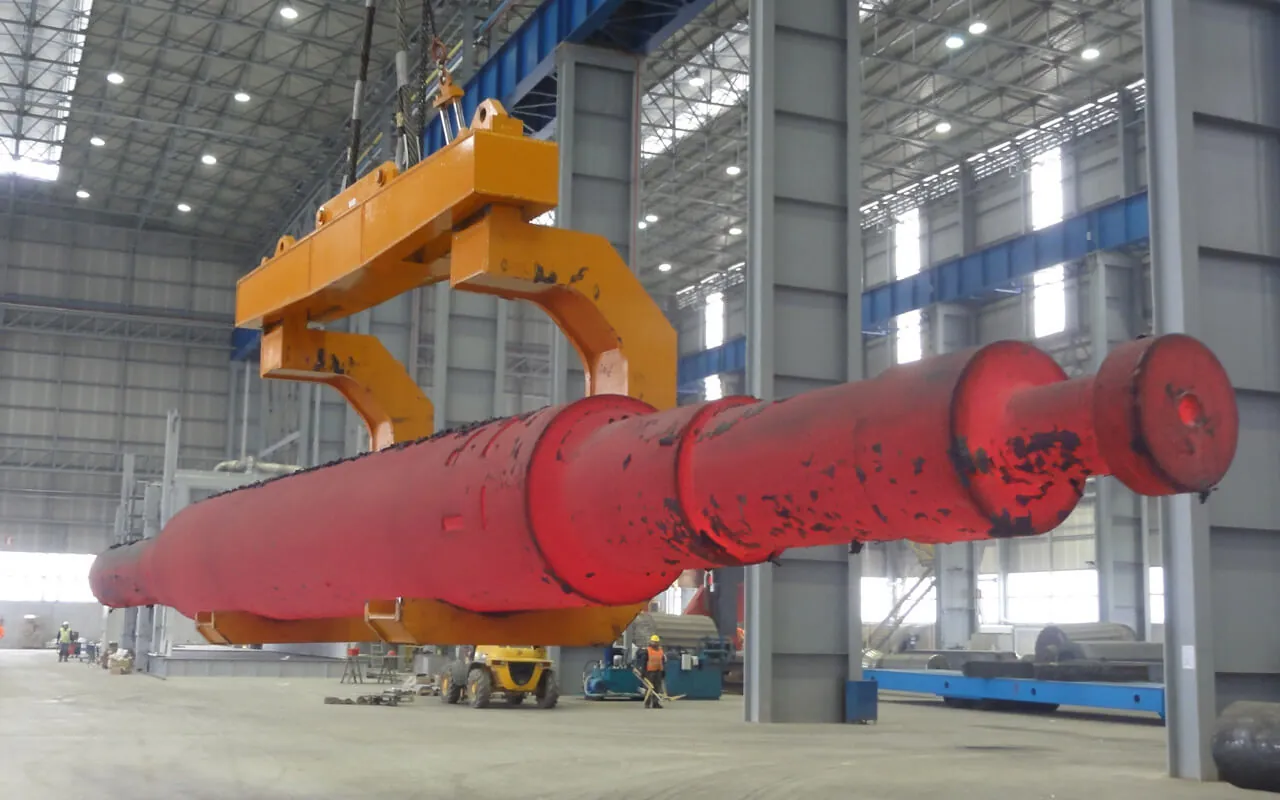
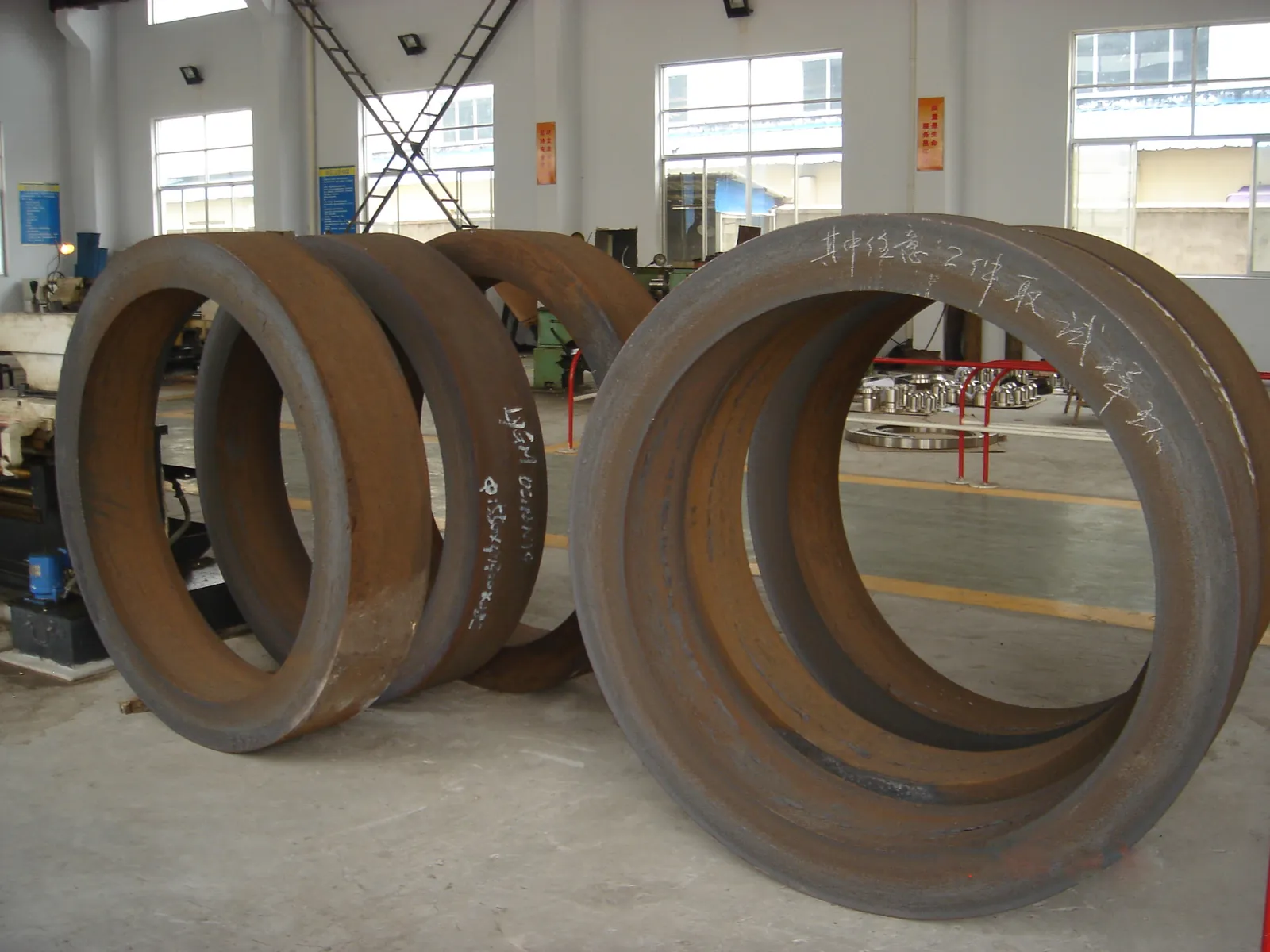
1.4923 is a martensitic 12% chromium steel with molybdenum and vanadium, intended for long-term loading at high temperature. The EN short name of 1.4923 is X22CrMoV12-1, included in EN 10269; before that it fell under DIN 17240. Metal Service Europe supplies W.nr. 1.4923 as forged shaft, disc, ring or part to drawing.
The vanadium increases the creep strength: the ability to remain dimensionally stable under stress and temperature for years. That is why 1.4923 is a standard steel for steam turbines and for high-temperature bolts. The steel is readily forgeable and resistant to steam, while the lower chromium content limits resistance to other corrosive media.
The steel is supplied quenched and tempered in two conditions: QT1 and QT2. QT2 has the higher strength. According to the producer, QT1 is the condition that may be used for pressure equipment under the Pressure Equipment Directive. Related is 1.4922 (X20CrMoV11-1), which is included in other standards.
Applications
Applications of 1.4923
Bolts, studs and nuts for high temperature
Components for steam turbines
Aerospace
Parts for pressure vessels and steam boilers
Reactor technology
Composition and properties
Composition and properties of 1.4923 / X22CrMoV12-1
Chemical composition
Mechanical properties after quenching and tempering (+QT)
Minimum values according to EN 10269 for diameters up to 160 mm, typical values according to producer datasheet. For QT2, sources give differing minima for yield strength and elongation; the standard edition on your order governs. Above 160 mm the properties are agreed by arrangement.
Heat treatment and processing
Slowly heat to about 850 °C, then faster to 1150 – 1180 °C
Forge between 1180 and 950 °C, then cool slowly in the furnace or in dry ash
Harden at 1020 – 1070 °C in air, oil or polymer
Temper at 640 – 740 °C, as soon as possible after hardening
Stress relieve at 600 – 680 °C
Welding only with preheating to 400 – 450 °C and post-treatment
Our Approach
From Inquiry to Delivery
Inquiry & Specification
You provide the condition, the operating temperature and any requirements from the Pressure Equipment Directive. We check whether 1.4923 is the right choice for this.
Forging and quenching and tempering
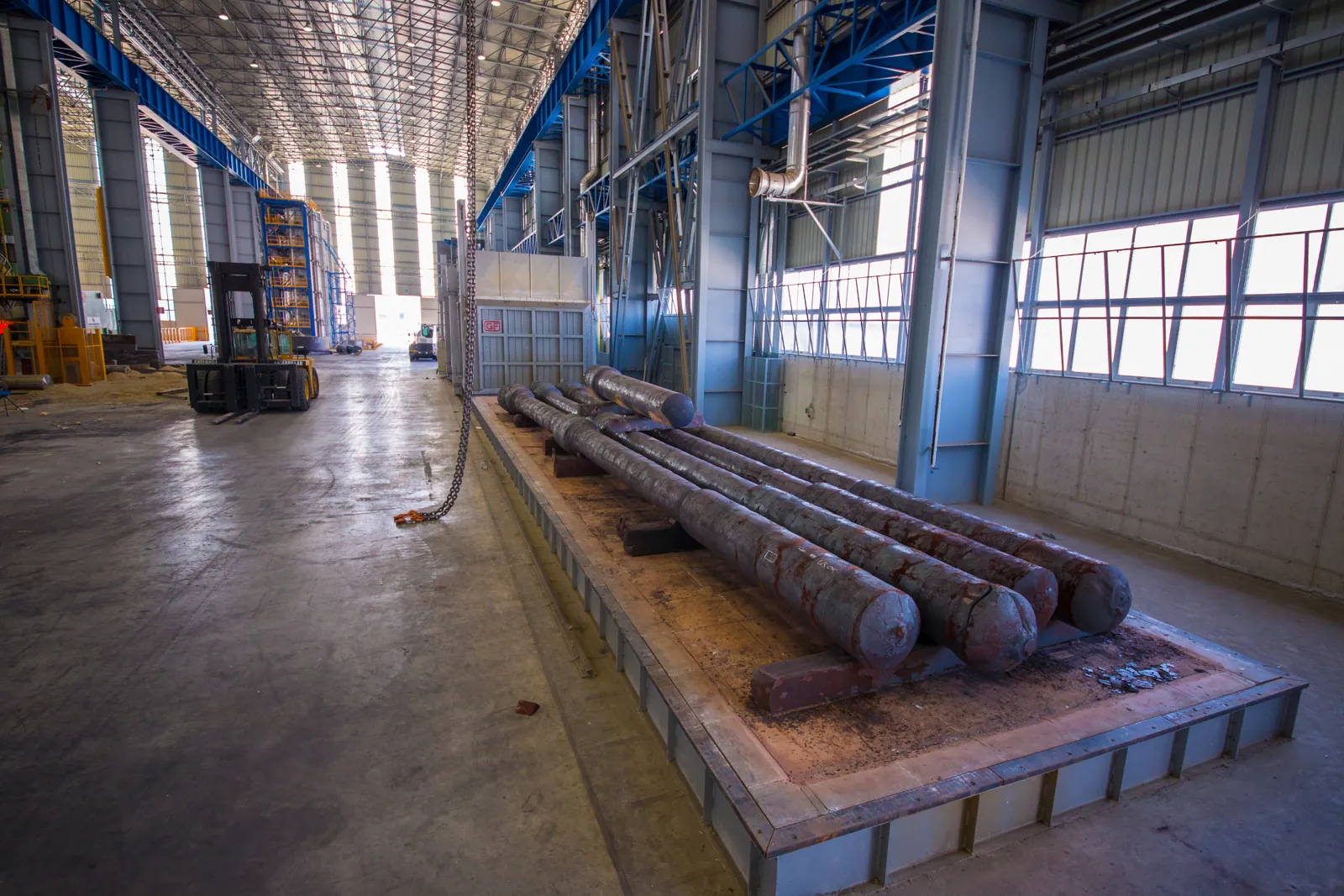
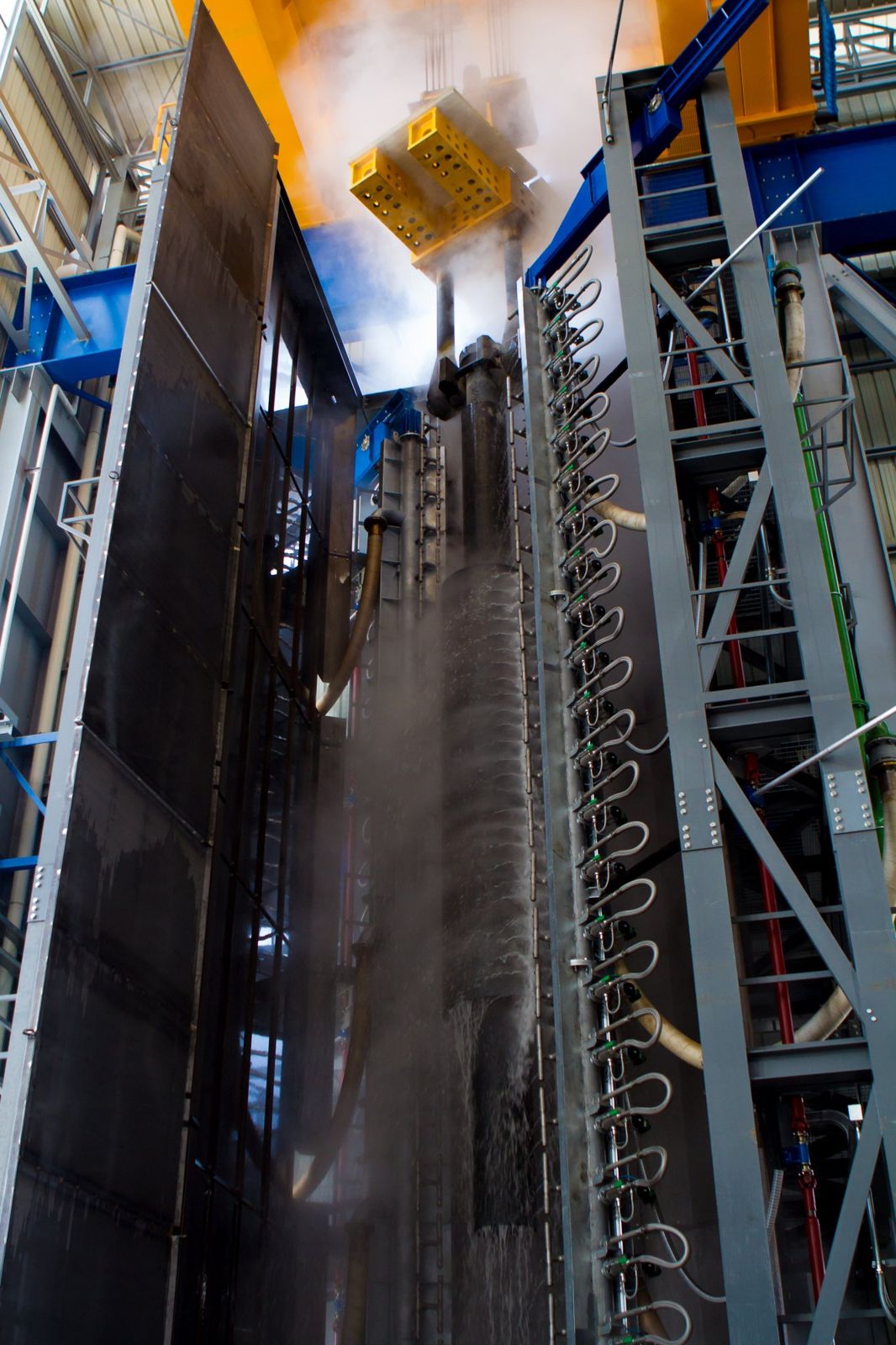
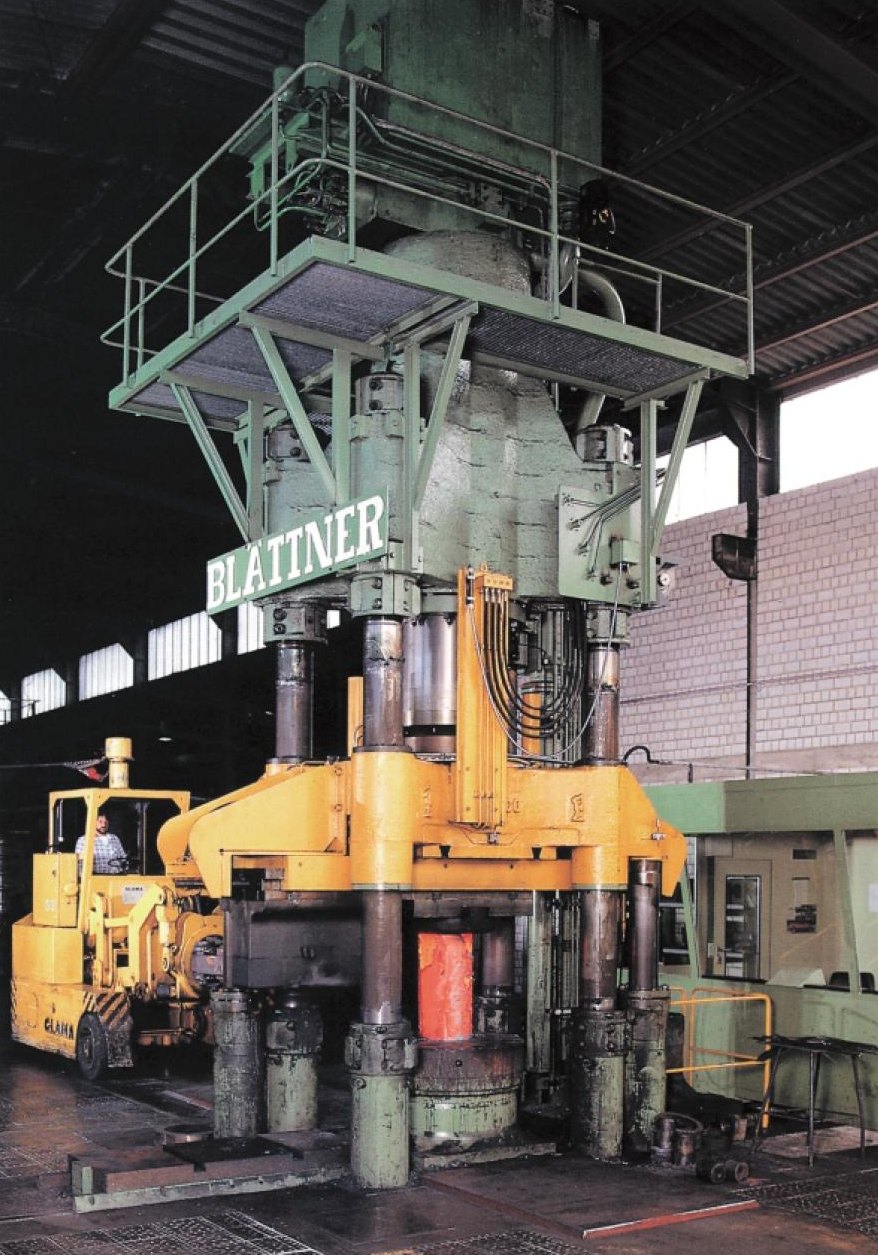
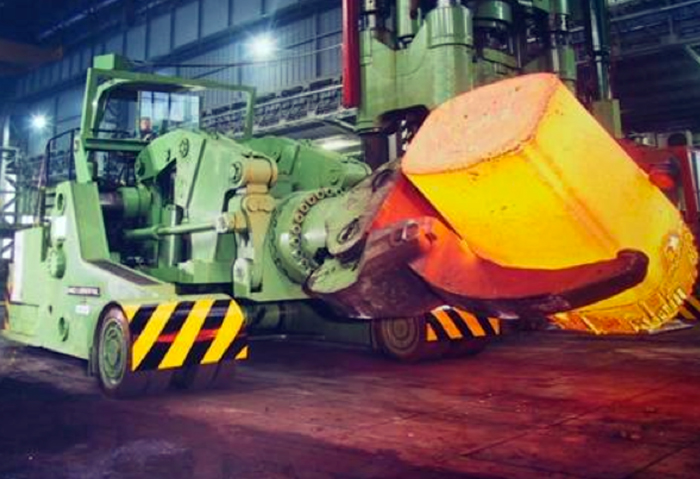
The piece is forged and quenched and tempered with the heat treatment that 12% chromium steel requires. We monitor every step, from forging to quenching and tempering.
Quality Control & Delivery
After the heat treatment the final inspection follows. The piece then leaves in the requested form, with the certificate.
Quality
Certification and Quality Assurance
Every forging in 1.4923 is tested individually: tensile test and hardness measurement confirm the QT1 or QT2 condition, ultrasonic testing on the pre-turned piece checks the cross-section and spectral analysis the composition. Besides EN 10269 and PED, delivery according to approvals such as AD 2000 is possible. Read more about our inspections and certificates on the page quality assurance.
Available
1.4923 available as
We supply 1.4923 made to order, from a single piece to a limited series:
Frequently Asked Questions
Frequently asked questions about 1.4923
What is 1.4923 used for?
1.4923 is mainly used for steam turbine parts and for bolts that are under stress at high temperature. It also occurs in pressure vessels and steam boilers, in reactor technology and in aviation. In all these applications, it matters that the material retains its strength for a long time at high operating temperature. You receive it from us as a forging, from rough forged to fully turned to size.
What is the equivalent of 1.4923?
1.4923 and X22CrMoV12-1 are two names for the same steel: the material number and the EN short name. An exact American equivalent does not exist. Comparison tables sometimes mention AISI 422 (UNS S42200), but that grade also contains 0.9 to 1.3% tungsten and is elsewhere linked to the tungsten-containing 1.4935 (X20CrMoWV12-1). If an ASTM grade is on your drawing, we determine with you in advance which specification applies.
What is the difference between QT1 and QT2 for 1.4923?
QT2 is stronger, QT1 is more widely applicable. For QT1, EN 10269 guarantees a yield strength of at least 600 MPa, a tensile strength of 800 to 950 MPa and 14% elongation; QT2 reaches 900 to 1050 MPa tensile strength. The difference arises during tempering, which according to EN 10269 lies between 680 and 740 °C for QT1 and between 660 and 720 °C for QT2, each for at least 2 hours.
Up to what temperature can you use 1.4923?
Producers call 1.4923 oxidation resistant up to 600 °C, but the permissible operating temperature follows from the strength at that temperature. The yield strength decreases as the steel gets hotter, and EN 10269 specifies minimum values at elevated temperature. For long-term loading, the creep values are also decisive. We match condition and inspection to the operating temperature you specify.
What is the difference between 1.4923 and 1.4922?
Both are 12% chromium-molybdenum-vanadium steel, but they are included in different standards. 1.4923 (X22CrMoV12-1) is in EN 10269, the standard for fastener material with requirements at high temperature, and is also used for turbine forgings. 1.4922 (X20CrMoV11-1, formerly X20CrMoV12-1) can be found in EN 10222-2 and VdTÜV-Werkstoffblatt 110, among others. Check the material number on the drawing, because the two are not simply interchangeable.
Is 1.4923 weldable?
Welding is possible, but only with a strict welding procedure. The part is preheated to 400 to 450 °C and the interpass temperature stays between 400 and 500 °C. After welding it cools slowly to 100 to 150 °C, after which it is tempered for at least 4 hours at 740 to 780 °C, followed by slow cooling. A design from a single forging avoids these extra steps.
Is 1.4923 stainless?
Only to a limited extent. With about 12% chromium and a PRE of about 14 to 16, 1.4923 is resistant to natural media such as water and a rural or urban atmosphere, as long as no chlorides or salts are present. The steel resists steam well, which fits its use in turbines. For chloride-containing environments, a different stainless steel is needed.
What dimensions are possible in 1.4923?
We supply forgings in 1.4923 as single pieces or small series, with piece weights up to 200 tonnes; the lower limit is 20 kg. The standard values of EN 10269, however, only apply up to a diameter of 160 mm. For thicker shafts, discs or rings, we agree the mechanical properties and the position of the test pieces with you in advance.
Which certificate do you supply 1.4923 with, also for pressure equipment?
You usually receive 1.4923 with a 3.1 certificate according to the EN 10204 standard, or with a 3.2 if your notified body requires inspection by, for example, TÜV or Lloyd's Register. For pressure equipment under the PED, you order the QT1 condition; according to the producer datasheet only that condition is intended for it. State in the enquiry which regulation or approval applies, so that the tests and the acceptance match.
How long does a forging in 1.4923 take?
A pre-turned forging in 1.4923 is in certain cases ready after 6 working weeks; fully machined, 8 to 10 working weeks is usual. Because the steel has to cool slowly after forging and is then quenched and tempered, we plan the heat treatment carefully. Heavy pieces with inspection by a third party take more time. With the quotation you receive a term that fits your order.
In Pictures
A Selection of Our Work
Related Grades
Request a quote for 1.4923 / X22CrMoV12-1
Send us your drawing, the requested condition and the operating temperature. Within a short time you will receive our proposal for 1.4923.
QT1 and QT2 according to EN 10269
Delivery according to PED possible
Acceptance by TÜV or Lloyd's Register
Single piece or small series
Request a Quote
Leave your details, and we will contact you shortly.