
Stainless steel
Martensitic, austenitic, precipitation-hardening, and duplex stainless steel.
Grades
Stainless steelRoestvaststaal
Here you will find a list of the materials we can provide. If your material is not listed, please contact us.
Stainless steel cut from plate
About stainless steel
What is stainless steel?
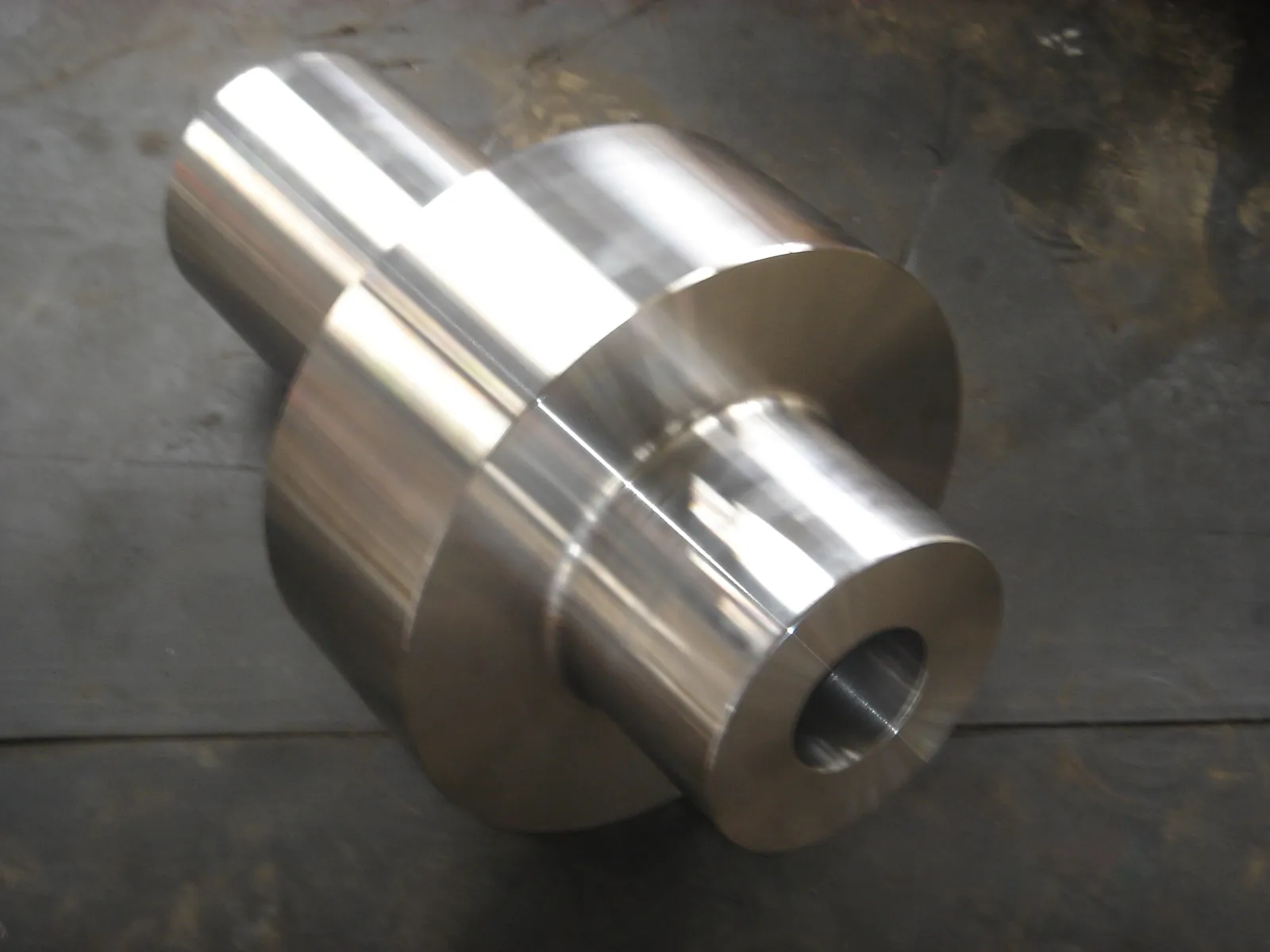
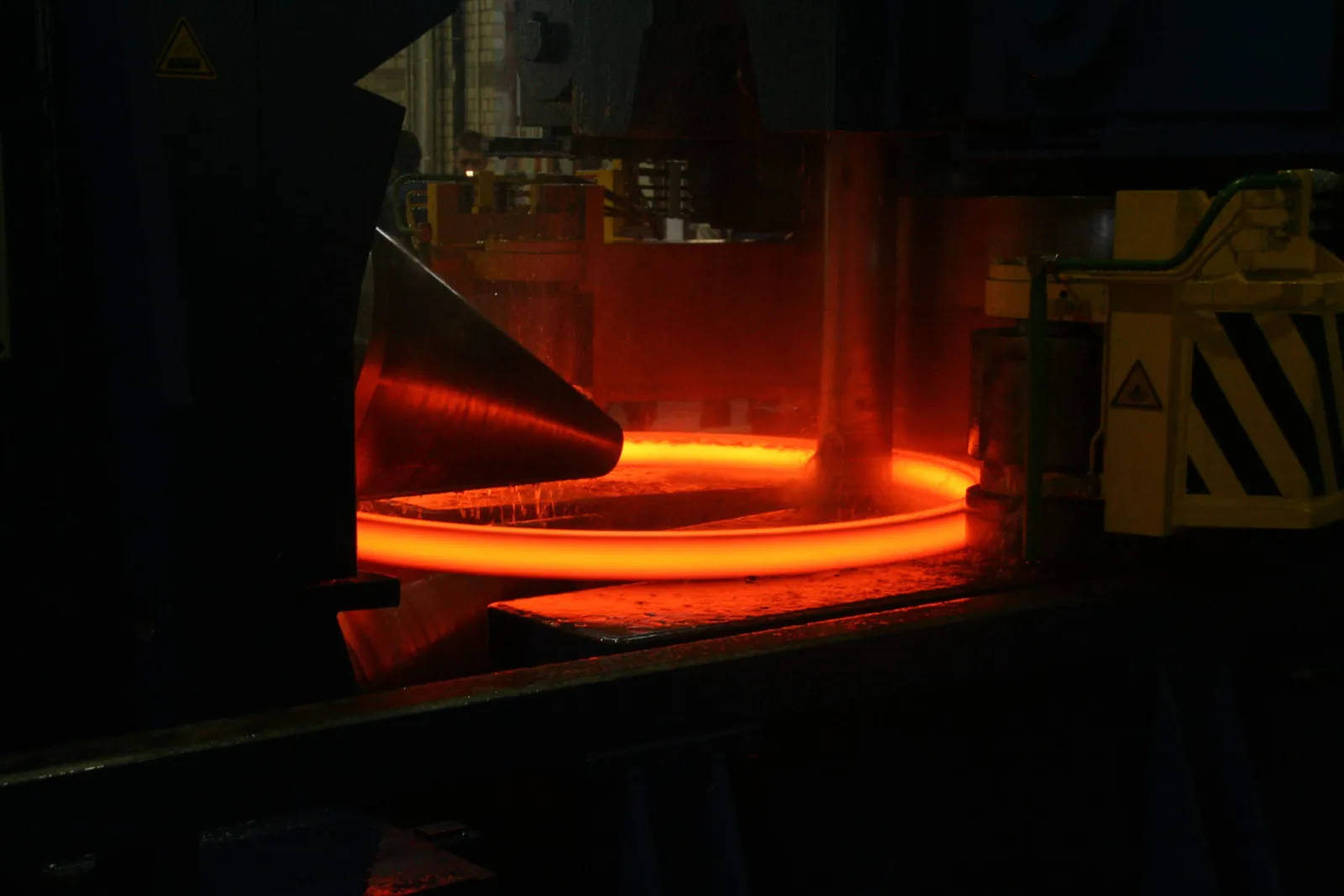
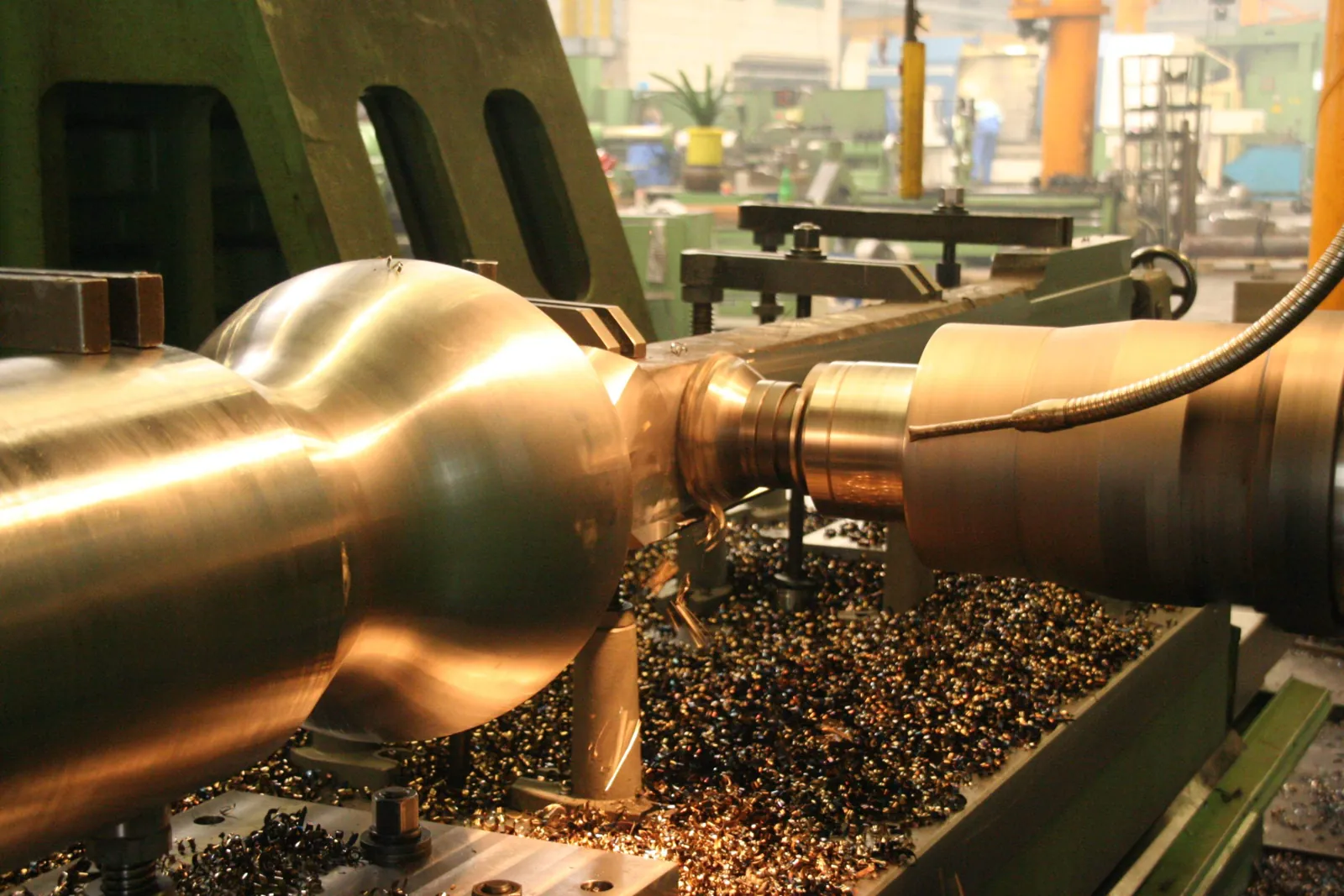
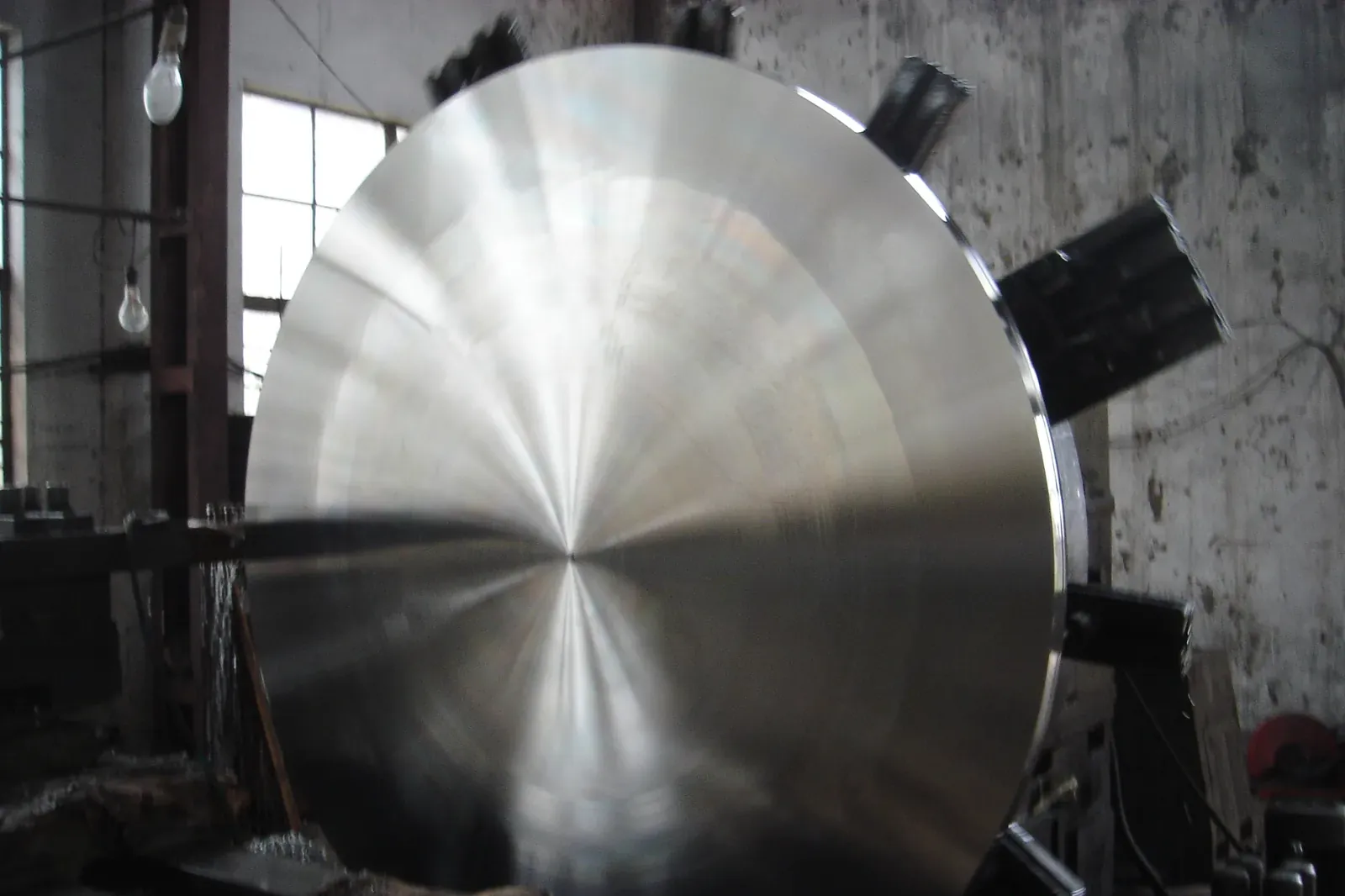
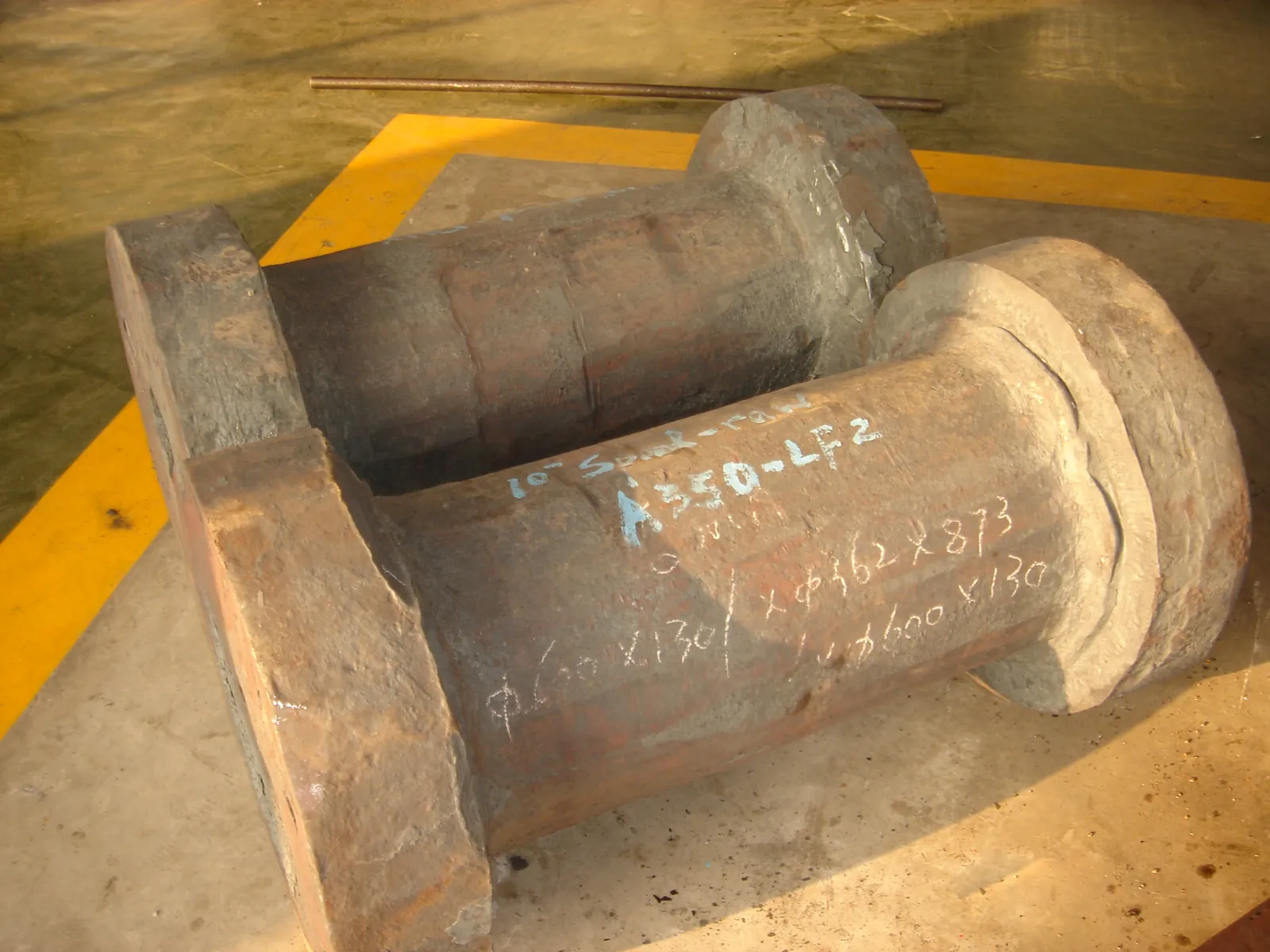
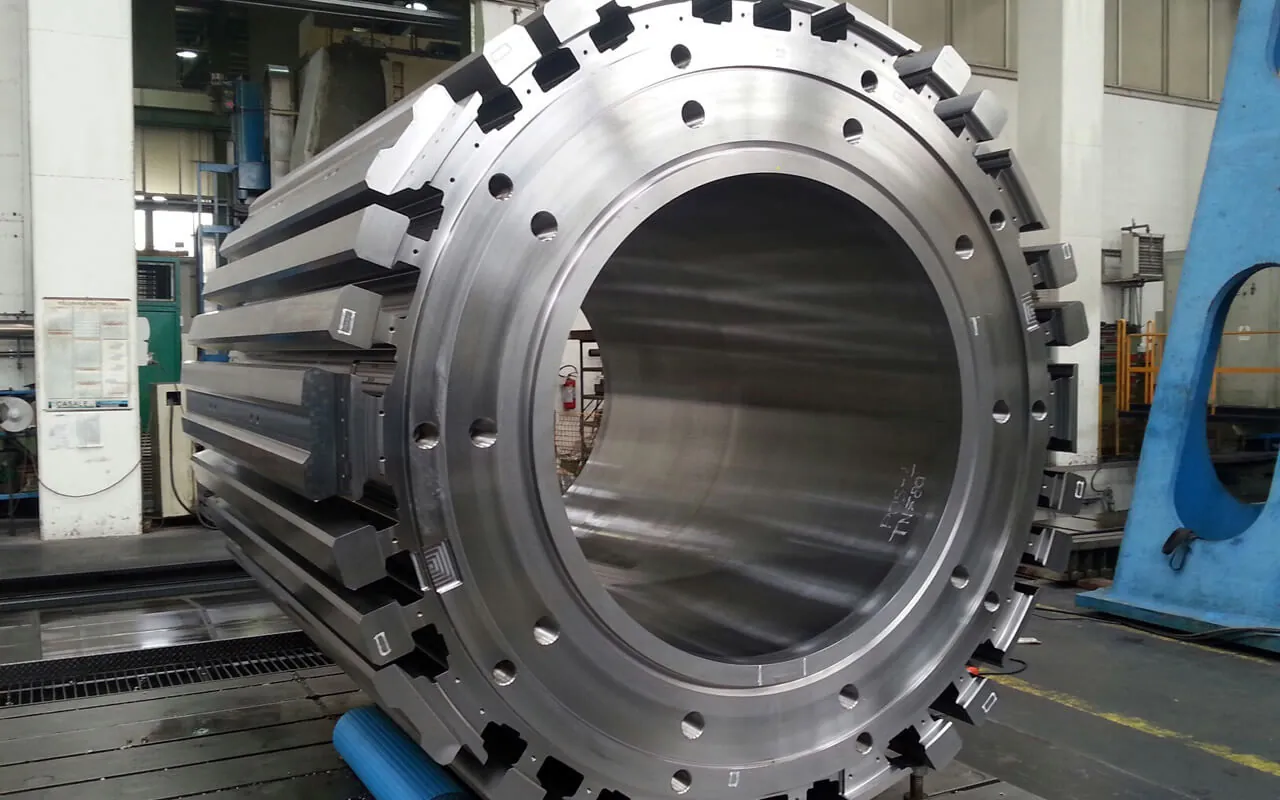
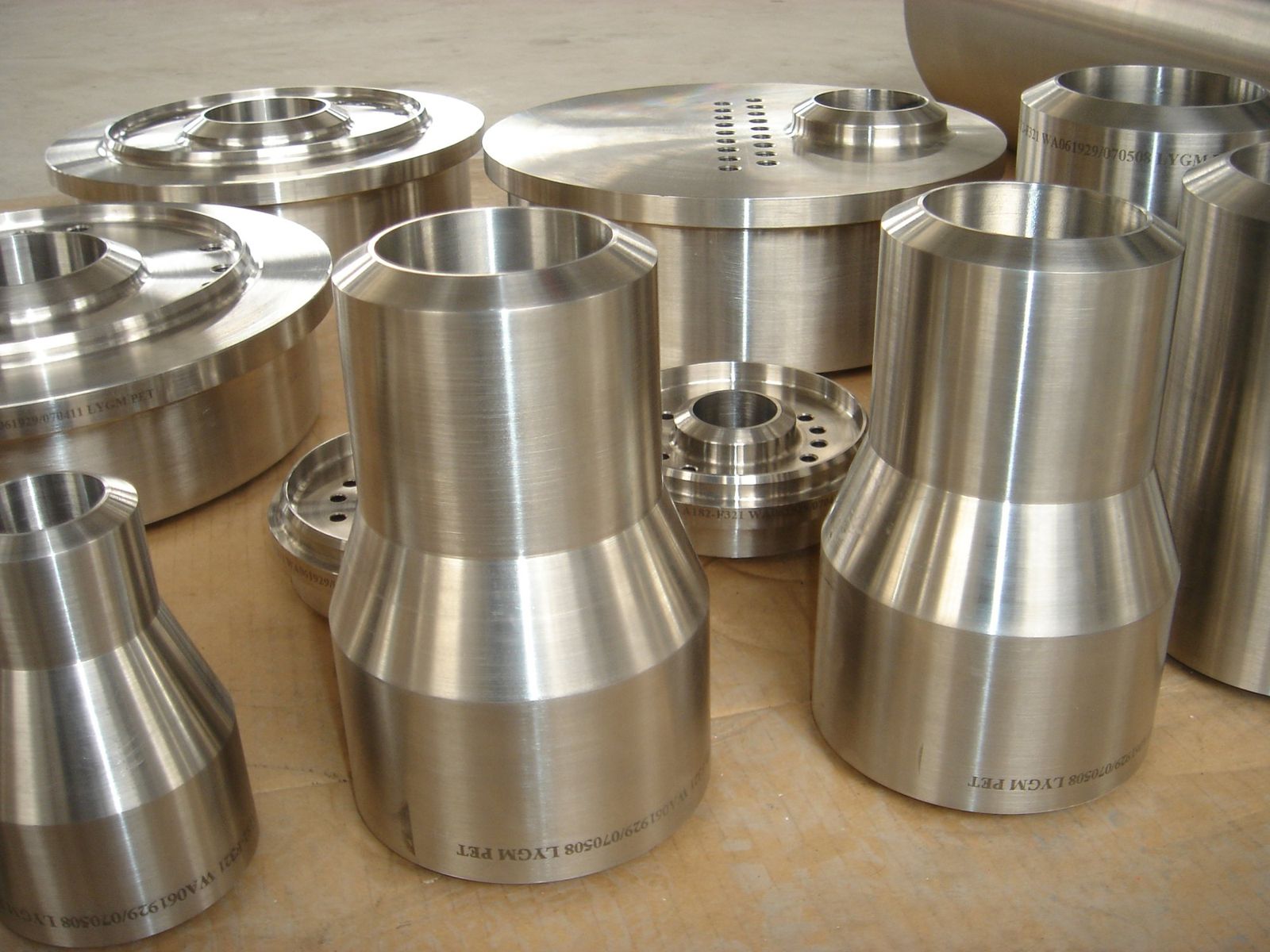
Stainless steel, also called inox or AISI steel, is steel with at least 10.5% chromium. At the surface, this chromium forms a thin oxide layer that protects the material against corrosion. Metal Service Europe supplies stainless steel as forgings, rings, discs or fully machined parts, and also as parts cut from plate.
The table lists the grades with material number, DIN name and, where available, the AISI designation. They fall into four groups. Martensitic stainless steel such as 1.4021 (420) and 1.4313 (F6NM) is hardenable. Austenitic stainless steel, with well-known types such as 1.4301 (304) and 1.4404 (316L), is highly formable and weldable. Precipitation-hardening stainless steel such as 1.4542 (AISI 630) combines strength with corrosion resistance. Duplex and super duplex, including 1.4462 and 1.4410, have a mixed structure of austenite and ferrite.
In addition, the list contains heat-resistant grades such as 1.4828 (309) and 1.4841 (310) for furnaces and installations that stay hot for long periods, and creep-resistant steels such as 1.4903 (F91) and 1.4923 for the energy sector.
Martensitic stainless steel such as 1.4021 and 1.4313 for hardenable and wear-resistant parts
Austenitic stainless steel such as 304L, 316L and 321 for corrosion-resistant process parts
Precipitation-hardening stainless steel such as 17-4PH and 13-8 PH for high strength
Duplex 1.4462 and super duplex 1.4410 and 1.4501 for seawater and chlorides
Heat-resistant stainless steel such as 1.4828 and 1.4841 for high temperatures
Applications
Applications of stainless steel
Flanges and fittings for offshore and seawater systems
Boiler and turbine parts for power plants
Furnace components, grates and burner parts
Pump and valve parts for the chemical and petrochemical industries
Process equipment for the food and pharmaceutical industries
Impellers, shafts and runners for water turbines and pumps
Our Approach
From Inquiry to Delivery
Inquiry & Specification
You state the material number or AISI type, the standard and the dimensions. For stainless steel we also ask about the medium and temperature, because these determine whether 316L is sufficient or duplex is needed.
Treatment per stainless steel group
Each stainless steel group receives the treatment that belongs to it. Austenitic and duplex steels are solution annealed and rapidly cooled after forging; martensitic steel is hardened and tempered.
Quality Control & Delivery
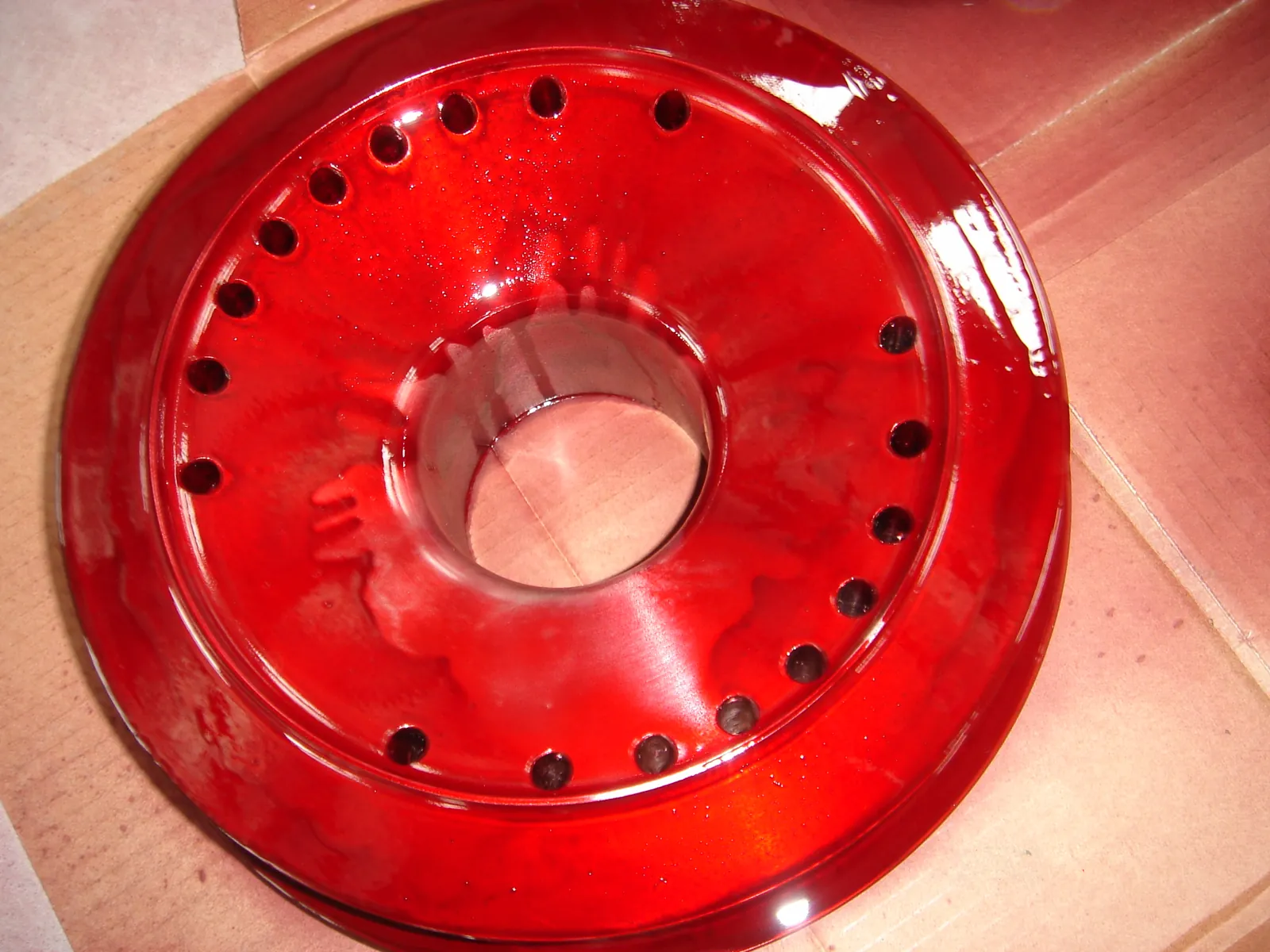
The forging is inspected for composition, mechanical properties and internal defects, supplemented where necessary with a corrosion test or ferrite measurement. We then deliver as-forged, rough-turned or machined.
Quality
Certification and Quality Assurance
For stainless steel forgings, correct composition matters as much as strength: a few tenths of a percent of molybdenum or nitrogen determines the corrosion resistance. On request we verify the alloy of every piece with a PMI measurement, and the chemical analysis is stated on the material certificate, type 3.1 or 3.2. Read more on our page about quality assurance.
Available
Stainless steel available as
We supply stainless steel as single pieces or small series, including as:
Frequently Asked Questions
Frequently asked questions about stainless steel
What is the difference between stainless steel 304 and 316?
The main difference is molybdenum. Type 316 (1.4401) contains roughly 2 to 2.5% molybdenum, type 304 (1.4301) does not. This molybdenum makes 316 more resistant to pitting corrosion caused by chlorides, for example in sea air, brine or chemical processes. For dry or mildly corrosive environments, 304 is usually sufficient. 316 is somewhat more expensive, but in chloride-containing media it is often the safer choice.
What does the L in 304L and 316L mean?
The L stands for low carbon: a maximum of 0.03% carbon instead of around 0.07%. During welding, carbon can form carbides with chromium along the grain boundaries, which reduces corrosion resistance there. The low carbon content prevents this. That is why 1.4307 or 1.4404 is often chosen for welded constructions. One drawback is slightly lower strength, especially at higher temperatures.
Is stainless steel magnetic?
That depends on the group. Austenitic stainless steel such as 304 and 316 is practically non-magnetic in the annealed condition; after cold forming it can become slightly magnetic. Martensitic and ferritic stainless steel, such as 1.4021 and 1.4016, are magnetic. Duplex steel is too, because of the ferrite in the structure. Magnetism therefore says nothing about the quality or corrosion resistance of the material.
What is Duplex Stainless Steel?
Duplex stainless steel has a structure of roughly half austenite and half ferrite. This combination gives about twice the yield strength of 316L and good resistance to stress corrosion cracking. The standard duplex is 1.4462 (F51); super duplex, such as 1.4410 (F53) and 1.4501 (F55), has more chromium, molybdenum and nitrogen. You can read more on our page about duplex stainless steel.
What is the difference between martensitic and austenitic stainless steel?
Martensitic stainless steel contains little or no nickel and more carbon, and is therefore hardenable. It is strong and wear-resistant, but less corrosion-resistant and harder to weld. Austenitic stainless steel contains nickel, cannot be hardened by heat treatment and remains tough, even at low temperatures. An intermediate form is 1.4313 (F6NM): soft martensitic steel with nickel, widely used for turbine and pump parts.
Which stainless steel is suitable for high temperatures?
For this there are heat-resistant and creep-resistant grades. Heat-resistant stainless steel such as type 309 (1.4828) and type 310 (1.4841) resists oxidation at temperatures of roughly 1000 to 1150 °C. For pressure-bearing parts at high temperature, creep-resistant grades such as 1.4948 (304H) or 1.4919 (316H) apply. Which grade fits depends on temperature, load and the composition of the atmosphere.
Do you also supply stainless steel cut from plate?
Yes. Besides forgings, we supply stainless steel parts cut from plate, for example for flanges, discs and rings of limited thickness. The second table lists the grades we supply this way, including 304L, 316L, 316Ti, duplex 1.4462 and super duplex 1.4410. For greater thicknesses or heavy loads we recommend a forging, because of its favourable grain flow and homogeneity.
What is the difference between AISI, RVS and SS?
They are different names for the same material. RVS is the Dutch abbreviation for roestvast staal (stainless steel), SS stands for stainless steel. AISI is the American institute whose type numbers, such as 304 and 316, are used worldwide. A drawing may therefore say 1.4404, AISI 316L or SS 316L: these are comparable grades, but the EN and ASTM limits differ in details. If one standard is prescribed, we supply according to that standard.
Which certificate comes with a stainless steel forging?
A stainless steel forging usually comes with a 3.1 certificate according to EN 10204, with chemical analysis, mechanical properties and heat treatment. If it is inspected by an independent inspector, this becomes a 3.2 certificate. For duplex and super duplex, additional tests are often requested, such as a corrosion test according to ASTM G48 and a ferrite measurement.
What is the delivery time for stainless steel forgings?
Delivery time depends on the grade, the weight and the required machining. Common types such as 304L and 316L are usually available quickly. For super duplex or heat-resistant grades, the starting material sometimes has to be produced first. After your enquiry we coordinate the planning, so the quotation contains a reliable delivery time.
Related Grades
Grade not found?
Send us the desired grade, standard, and certification. We will quickly let you know what is possible.