
Open-die forging
Industrial open-die forging: forgings shaped between open tools, without a die. For single pieces, small series and large dimensions, up to 200 tonnes per piece and always with certificate.
Open-die forging
The right forging, in the right quality
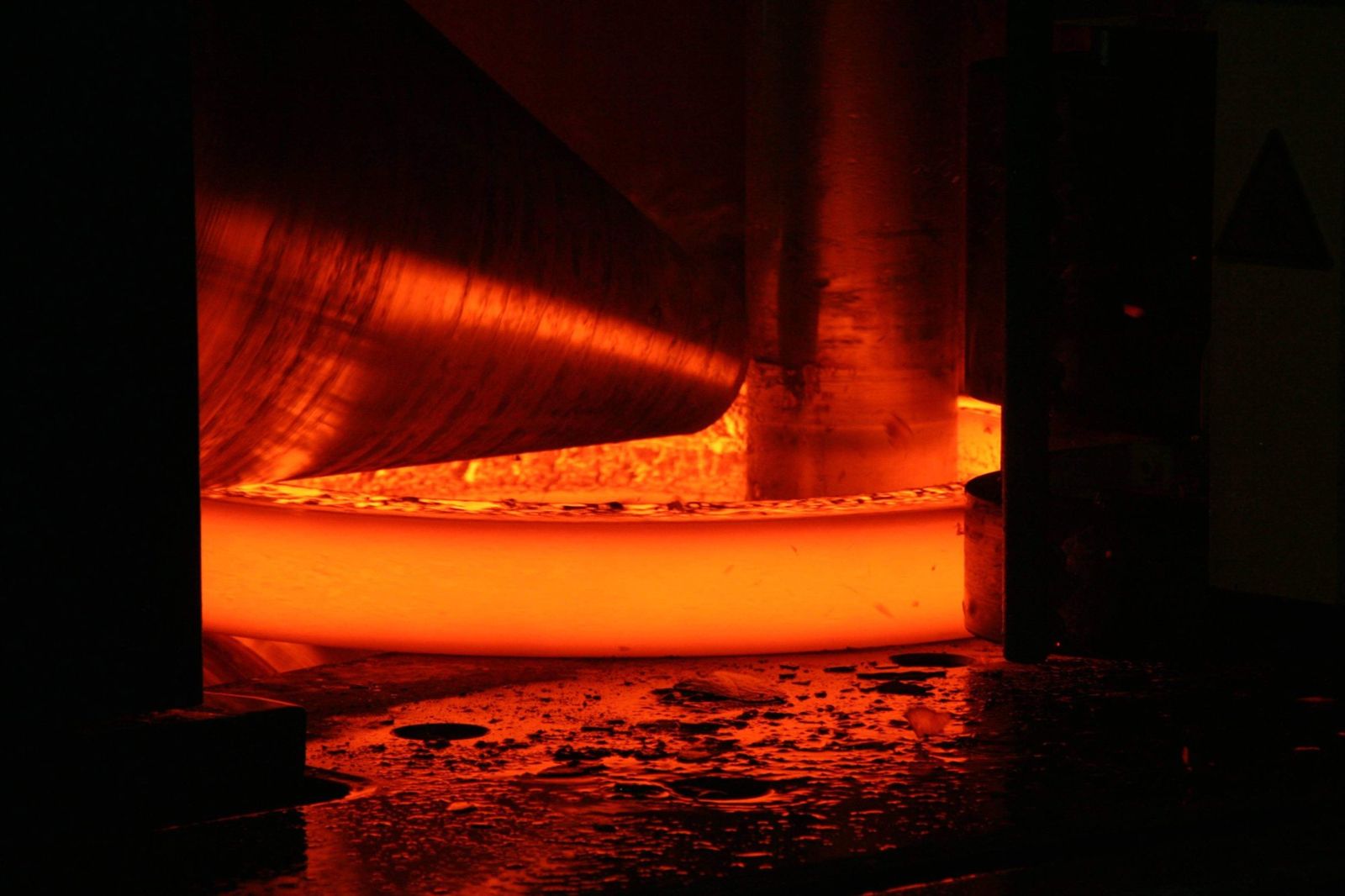
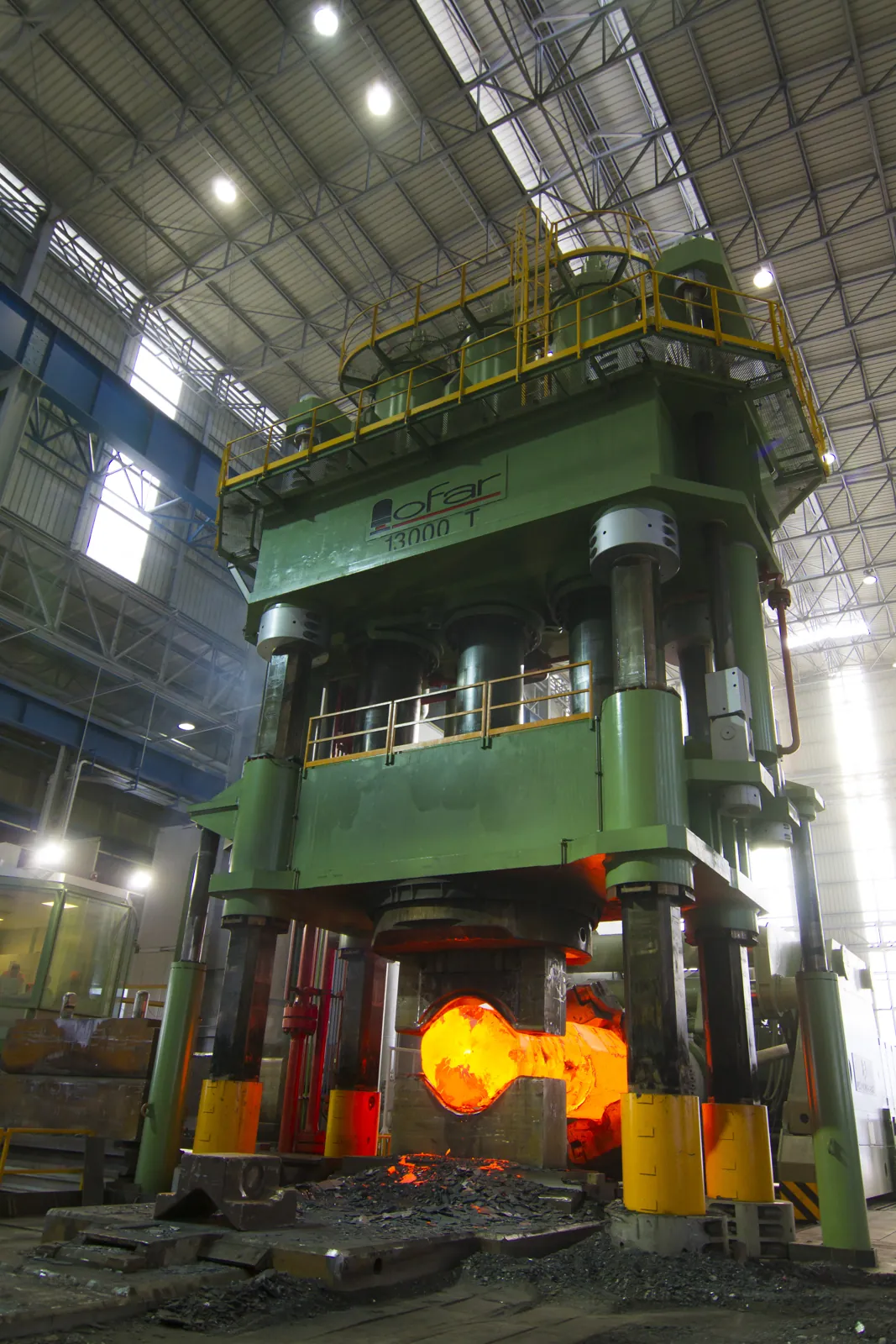
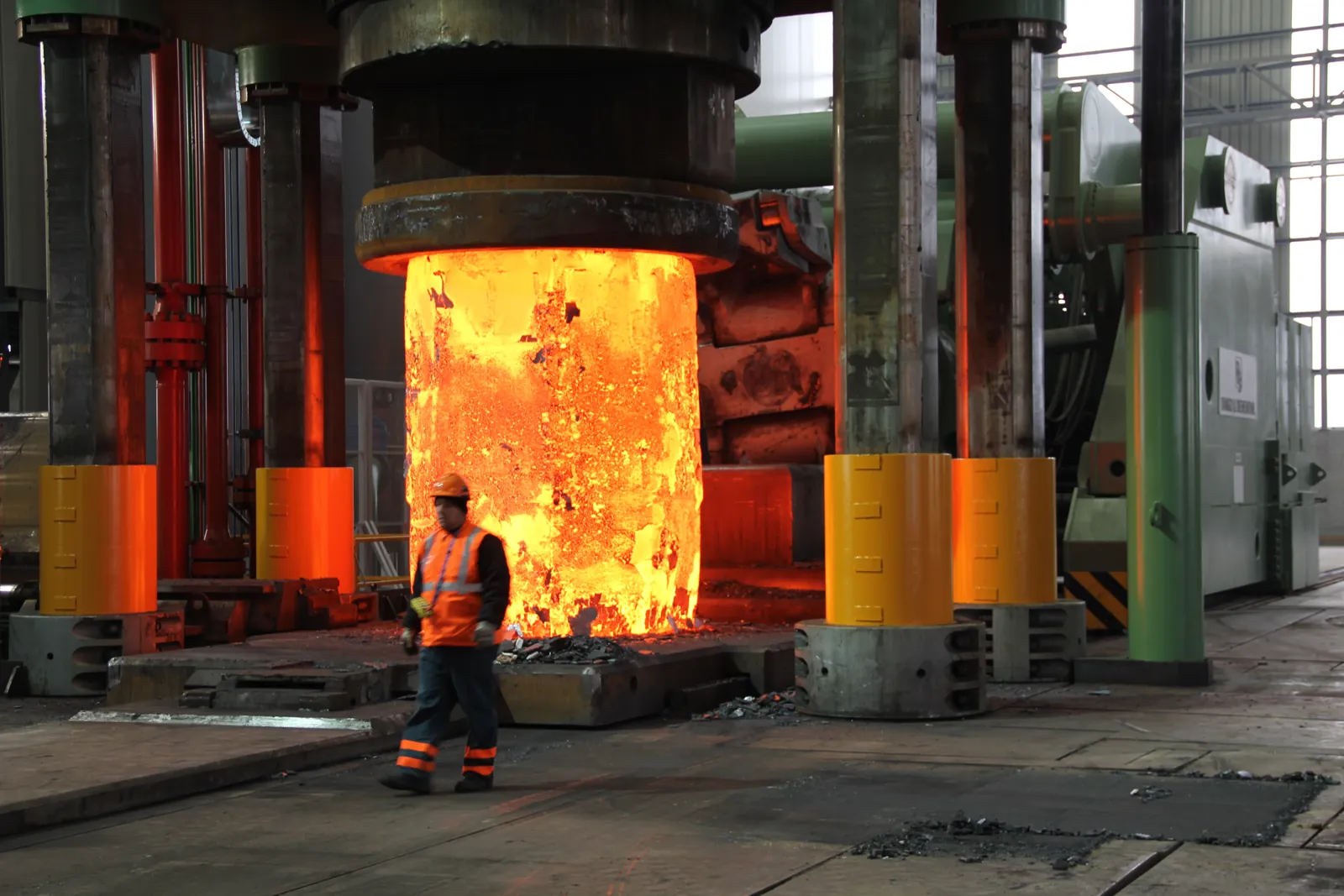
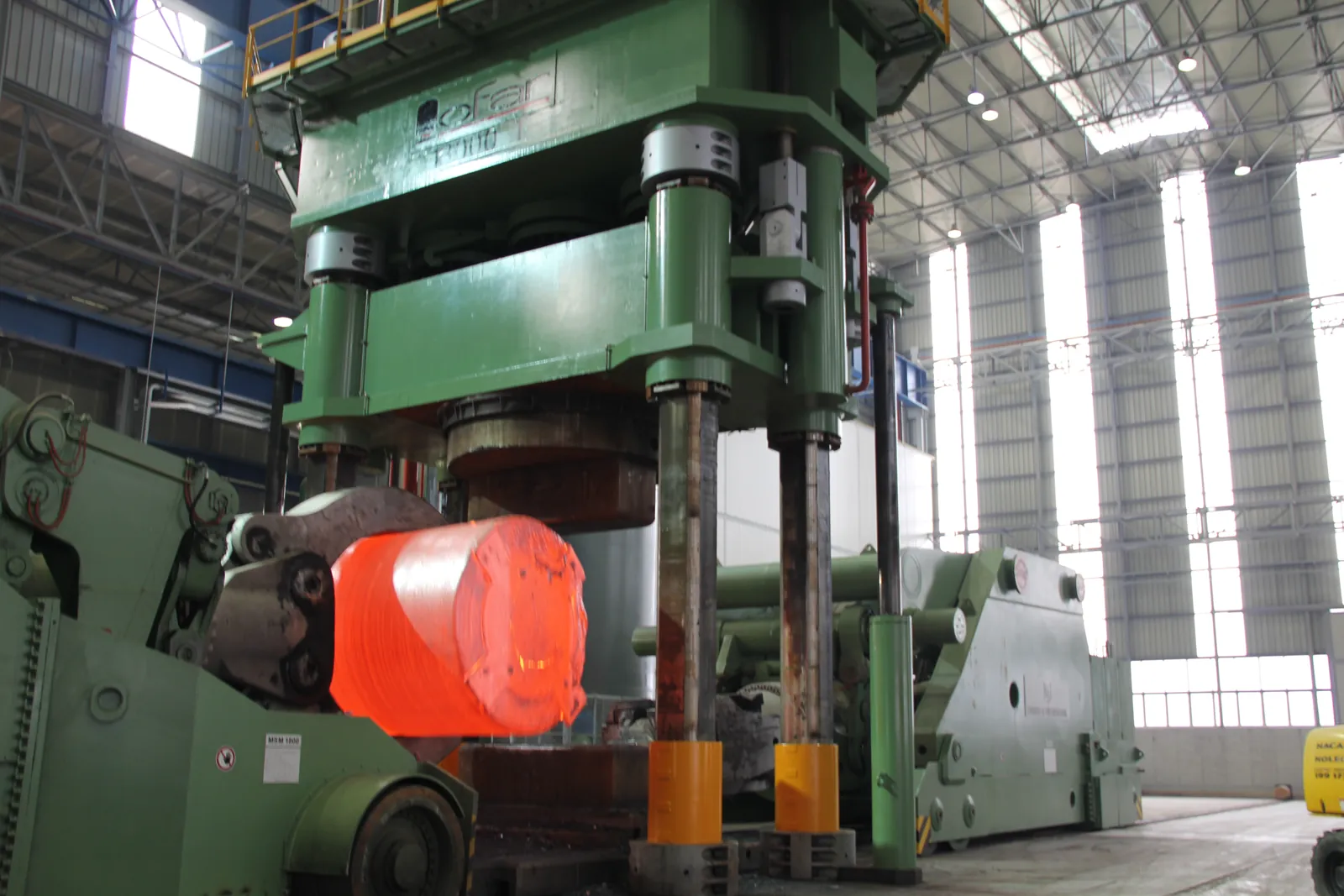
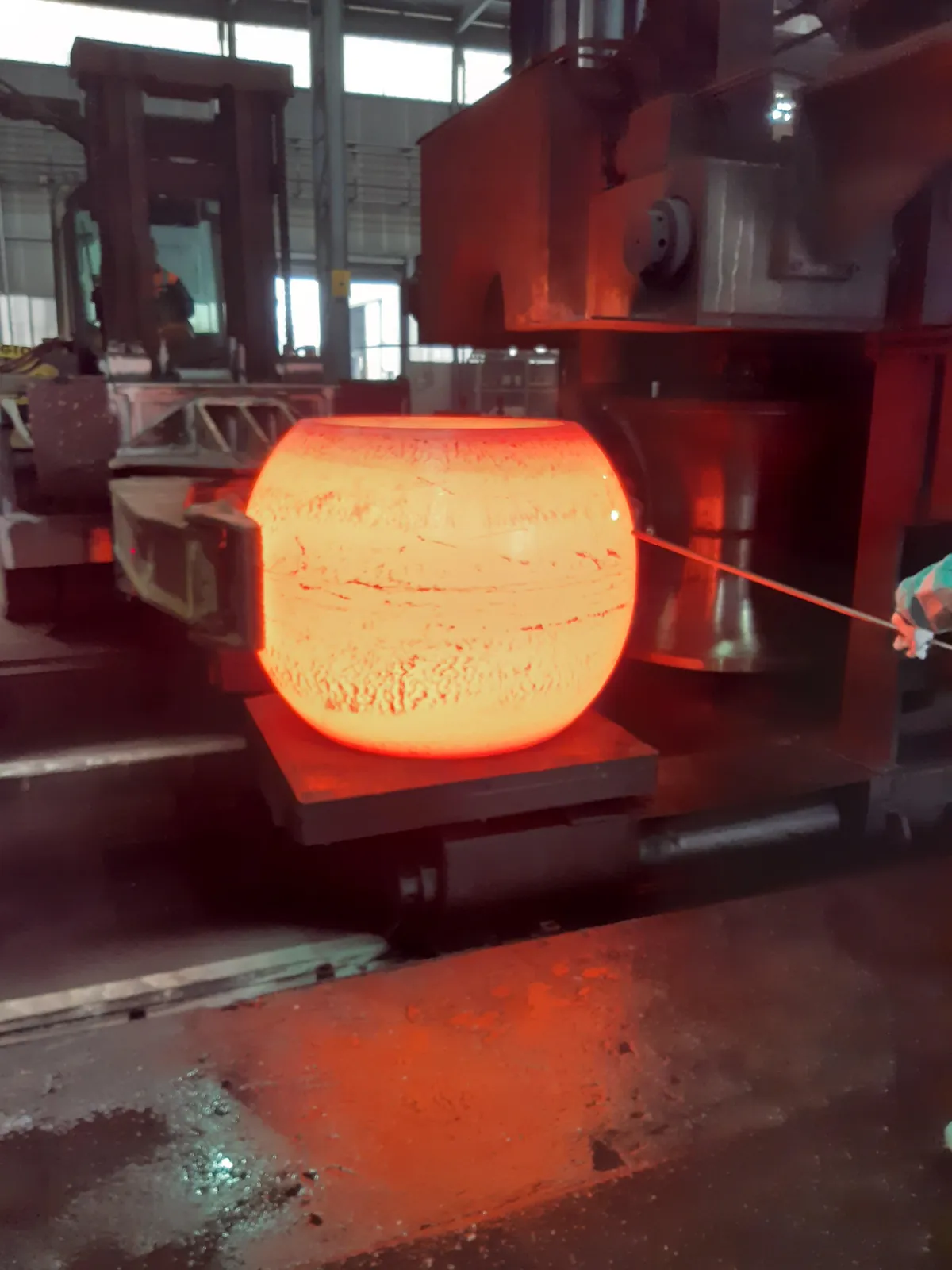
Open-die forging is industrial forging in which the glowing workpiece is deformed between open tools, without a die enclosing it. In open-die forging, also called free-form forging, the shape is determined blow by blow with the press, without a fixed impression.
We supply open-die forging as a single piece or small series. An overview of all forms can be found under forgings.
Execution
From rough forged to completely machined
Rough forged
After forging and heat treatment, the forging is delivered in the contour the press has given it, with machining allowance. This is handy if your own workshop does all the machining.
Rough turned
The forging skin is turned off roughly, so that ultrasonic testing can check the inside of the piece. This way you know before final machining that the forging contains no internal defects.
Completely machined
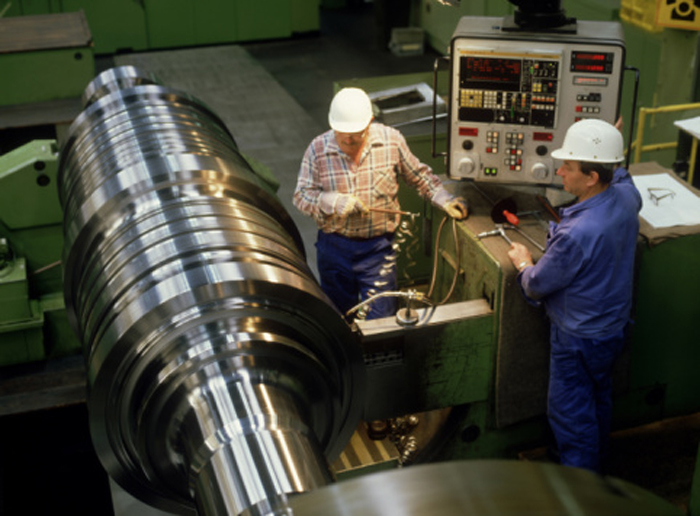
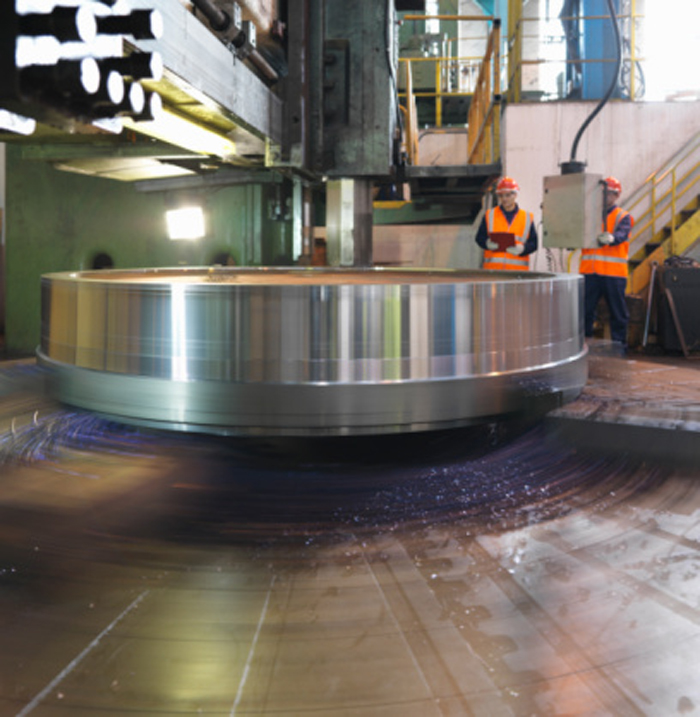
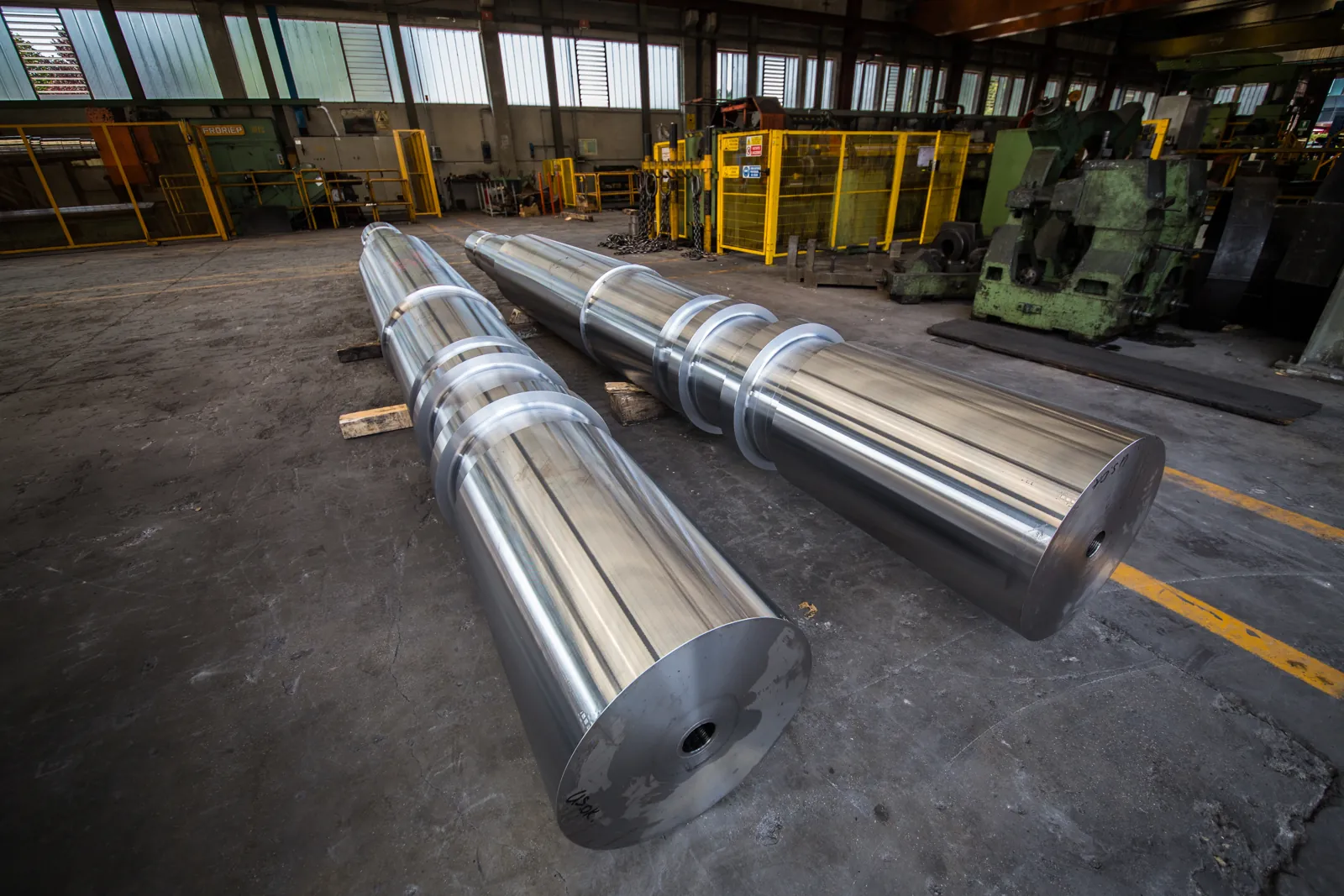
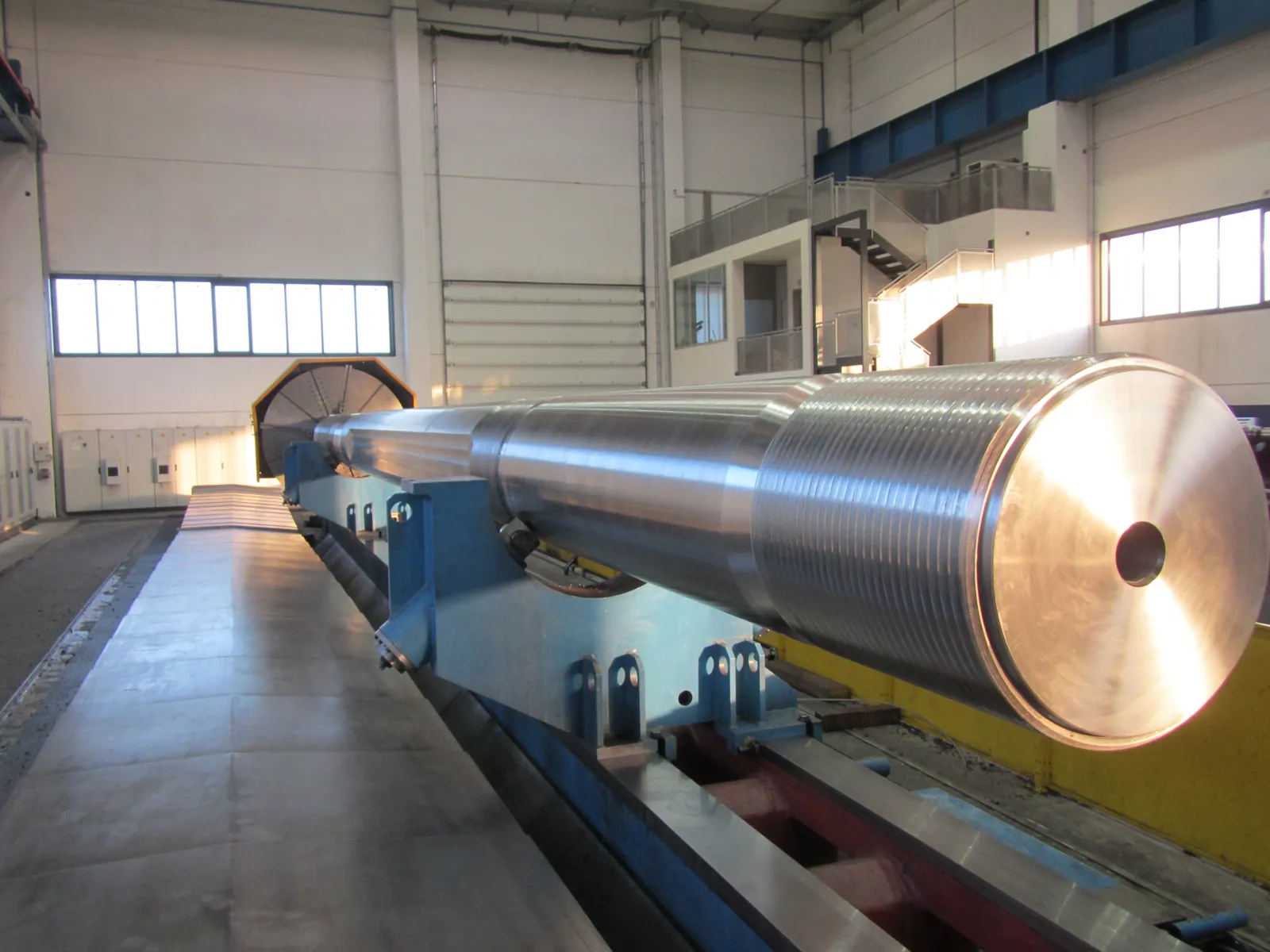
The open-die forged piece is machined completely to your drawing, for example as a stepped shaft, and delivered with certificate. Ready for assembly in your machine or installation.
Process
How open-die forging is made
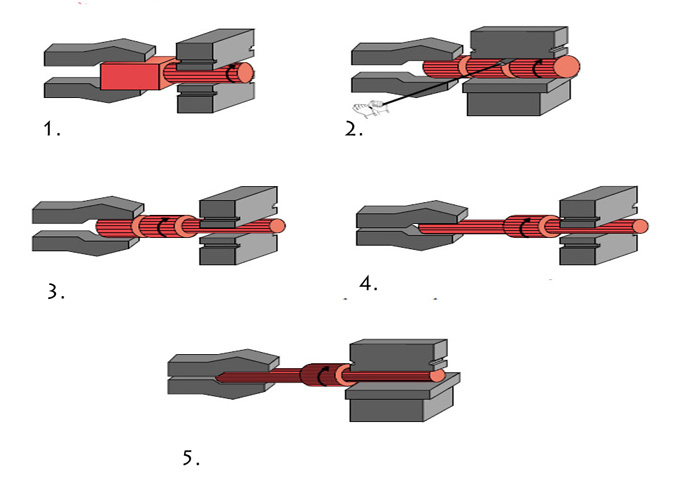
The charge weight is sawn from an ingot or block and heated to forging temperature. Under the press follow upsetting, drawing out and, where necessary, punching through, with reheating in between if the piece cools too much. The forging then receives its heat treatment. After taking test pieces, it is pre-turned, ultrasonically tested and, if desired, fully machined.
Applications
For the most demanding industries
Blocks and parts to drawing
Stepped drive and pump shafts
Crane and winch shafts
Discs and tube plates
Turbine and generator shafts
Preforms for seamless rolled rings
Our Approach
Your partner in open-die forging
Inquiry & Advice
You explain what load the part will carry. We assess whether open-die forging, ring rolling or casting is the best route and which grade fits it.
Specification & Selection
We agree with you the forging shape, any forging ratio, the heat treatment, the test piece position and the certificate, and make sure your piece is forged on a press that suits the weight and alloy.
Quotation & Alignment
You receive a quotation with finish, inspection scope and delivery time. We state deviations from your specification in advance, not afterwards.
Order & Delivery
We monitor forging, heat treatment and inspection and check the certificates before the forging is shipped to you.
Material Grades
Open-die forging in almost any grade
Open-die forging is suitable for carbon steel, quenched and tempered steel, stainless steel, duplex and nickel alloys. Forging temperature and minimum deformation differ per alloy. A selection of grades we supply as open-die forgings:
Frequently Asked Questions
Everything about open-die forging
What is open-die forging?
Open-die forging is a forging process in which the workpiece is shaped between tools that do not fully enclose it. The shape therefore does not arise from an impression, but from the sequence of the press blows and the position of the piece between those blows. Other names are free-form forging, free forging and open-die forging. The opposite process is closed-die forging. The preform for a seamless rolled ring is also upset and punched through open-die.
What is the difference between open-die forging and closed-die forging?
With closed-die forging, a closed impression fixes the final shape; with open-die forging, the tooling does not. A die is expensive and only becomes profitable above a minimum number of identical pieces, such as connecting rods, gears or smaller crankshafts. Open-die forging has no product-specific tooling and therefore suits single pieces, small series and pieces that are too large for a die.
How large can an open-die forging be?
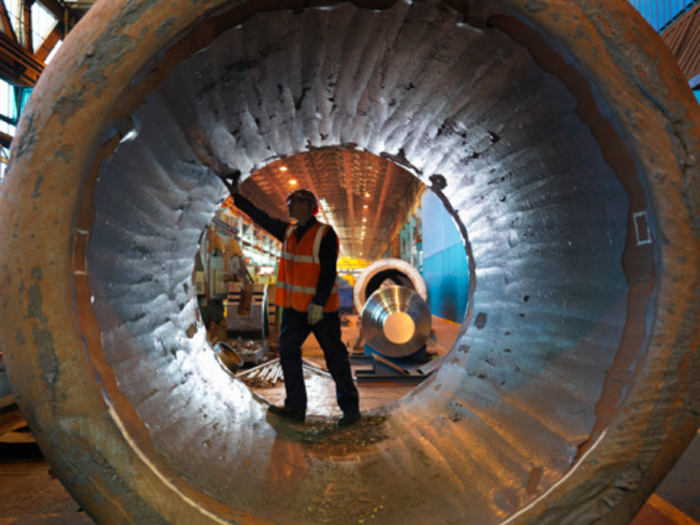
An open-die forging at Metal Service Europe can weigh up to 200 tonnes and be up to 26 metres long; the lower limit is 20 kg. Open-die forging is eminently suited to very large and heavy forgings; in industry, crankshafts for marine diesels and generator rotors are made this way, among other things. The achievable size depends on shape, grade and the requested forging ratio; we assess this per enquiry.
Which materials can be open-die forged?
Almost all forgeable metals: carbon steel such as A105N, quenched and tempered steel such as 42CrMo4 and 34CrNiMo6, stainless steel, duplex, nickel alloys and titanium. Each alloy does set its own requirements. For Alloy 718 (Inconel® 718) the producer advises a final reduction of at least 20% in open-die forging, against 10% in closed-die forging, to prevent uneven grain size. We record such conditions in advance in the specification.
What is the forging ratio?
The forging ratio is the cross-section before forging divided by the cross-section afterwards; for upsetting, the starting length divided by the final height is used. At 3:1 the cross-section is reduced to a third. In the technical literature 3:1 is a rule of thumb, not a standard value: EN 10250-1 only requires sufficient reduction to fully eliminate the cast structure. If your specification states a minimum, we record it in advance, because it is difficult to verify afterwards.
Is open-die forging suitable for critical applications?
Yes, provided grain flow and inspection are matched to the load. Forging stretches grains and inclusions in the direction of deformation; in open-die forging, that direction follows the shape of the piece, for example the longitudinal axis of a shaft. That is why it matters where test pieces are taken: EN 10250-1 specifies the depth for open-die forgings and the direction relative to the grain flow.
Why is open-die forging heat treated after forging?
Because a forging directly after forging does not yet have the required mechanical values. Through repeated reheating and varying cross-sections, the grain is often coarse and uneven. A heat treatment, such as normalizing, quenching and tempering or, for stainless steel, solution annealing, makes the structure uniform. Only then are the test pieces taken, so that the measured values are those of the delivered piece. The standard for the grade is the minimum.
To which standards and with which certificate is open-die forging delivered?
For open-die steel forgings, the EN 10250 series applies in Europe, for pressure equipment additionally EN 10222; American orders follow, for example, ASTM A182, A105 or A350. Tensile, impact and hardness tests and the ultrasonic testing are stated on a certificate according to EN 10204: for 3.1 with the actual values of your piece, for 3.2 additionally signed by an inspector such as Lloyd's Register, DNV or Bureau Veritas.
What is the lead time for open-die forging?
Certain pre-turned open-die forgings are ready within 6 working weeks; no time is lost making a die. If full machining is added, delivery usually moves to 8 to 10 working weeks. Heavy pieces, long heat treatments or additional acceptance by an inspection body extend the lead time; you see this in advance in our quotation.
Why is open-die forging advantageous for single pieces and small series?
Because no product-specific die is needed. With closed-die forging, the tooling costs must be earned back over many identical pieces. Open-die forging uses universal tooling that is usable for every shape. A dimensional change between two orders therefore also costs no new tooling. For large numbers of identical, smaller parts, closed-die forging can actually be cheaper per piece.
Request your quote without obligation
Send your drawing or specification, even if you are still undecided between open-die forging, ring rolling or casting. We advise on the best route and send you a quotation.
No die costs
Single pieces up to 200 tonnes
According to EN, ASTM or your specification
Always with Certificate